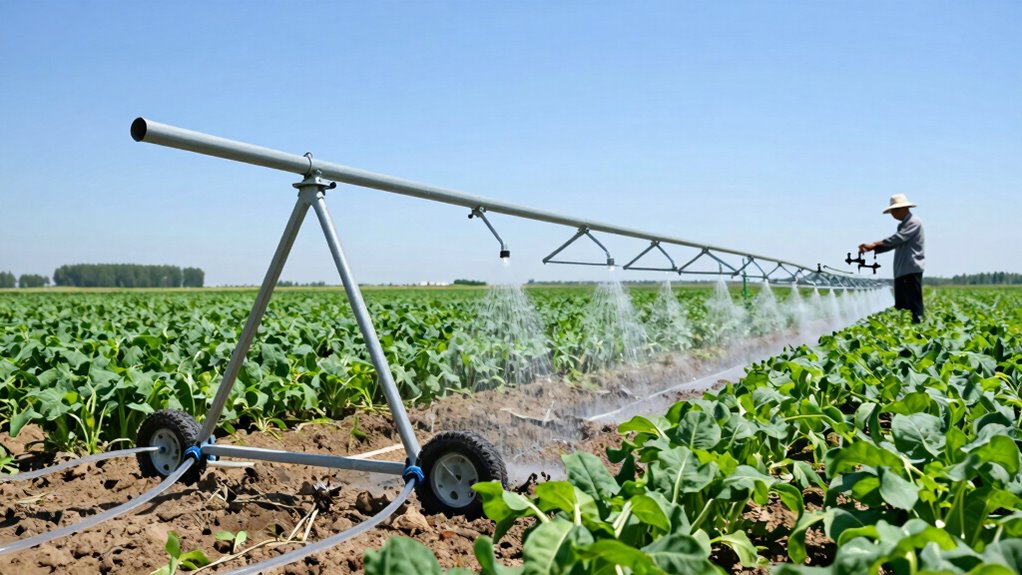

Fertigation is a method that combines fertilization and irrigation, delivering nutrients directly through watering systems. It helps you save water, guarantees nutrients are evenly distributed, and promotes healthier plant growth. It makes sense when water conservation, soil health, and efficient nutrient delivery are priorities, especially in regions with limited water or demanding crops. Understanding how to properly calibrate and use this technique can boost your productivity and sustainability—if you want to learn more, stay tuned.

Prime made for students and young adults
- Fast, free delivery for dorm and study essentials
- Prime Video and Amazon Music included
- Member-only deals
Key Takeaways
- Fertigation combines fertilization and irrigation, delivering nutrients directly through watering systems.
- It is ideal for efficient water and nutrient management, reducing waste and enhancing crop health.
- Suitable in water-scarce areas to improve water use efficiency and promote sustainable farming.
- Best used when precise nutrient application supports soil health and long-term fertility.
- Technology calibration ensures accurate nutrient delivery, making fertigation effective and environmentally friendly.
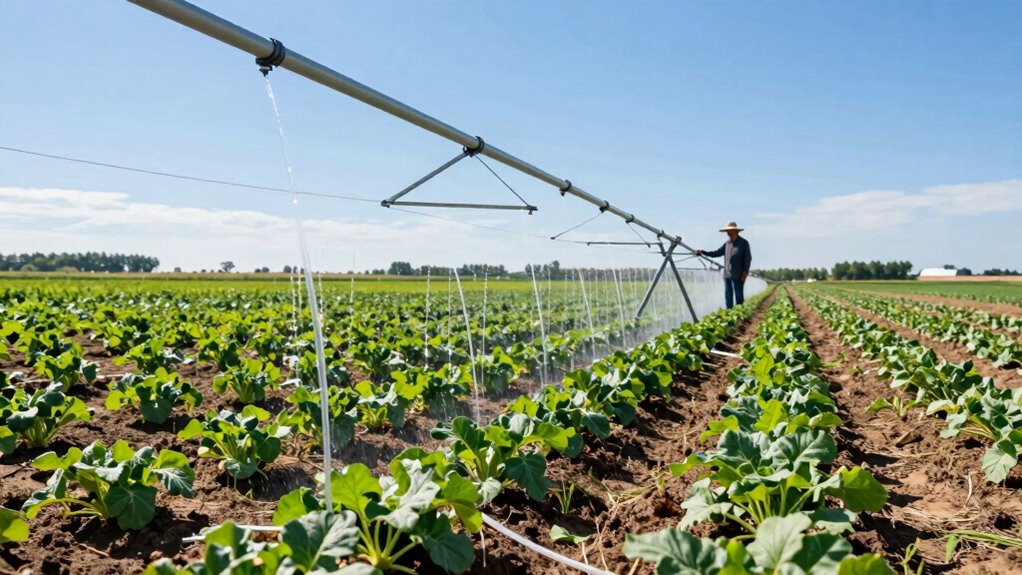
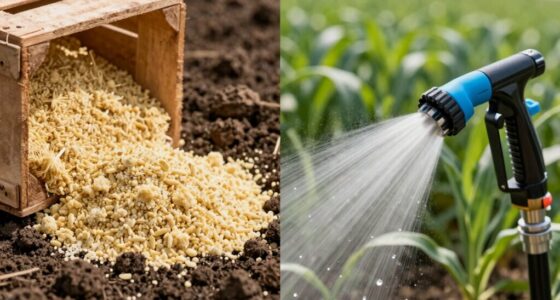
Fertigation is a farming technique that combines fertilization and irrigation to deliver nutrients directly to plants through the watering system. This method streamlines the process, making it easier to supply plants with essential nutrients while saving time and resources. By integrating fertilization into your watering routine, you can guarantee that nutrients are evenly distributed and readily available to plants, promoting healthier growth and higher yields.
One of the key advantages of fertigation is its positive impact on soil health. Traditional fertilization methods, like broadcasting or banding, can sometimes lead to uneven nutrient distribution or even runoff, which damages the soil over time. With fertigation, you apply nutrients precisely when plants need them, reducing excess buildup and preventing nutrient leaching. This approach maintains a more balanced soil environment, supporting microbial activity and organic matter, which are indispensable for long-term soil fertility. Additionally, proper calibration and technology play a crucial role in ensuring color accuracy and optimal nutrient delivery during fertigation.
Fertigation promotes balanced soil health by reducing runoff and supporting microbial activity for long-term fertility.
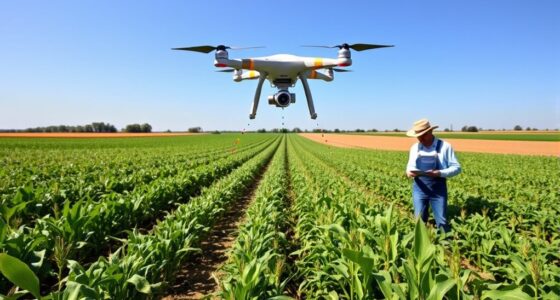
Water conservation is another significant benefit of fertigation. When you apply fertilizers via irrigation, you avoid unnecessary water wastage associated with overwatering or runoff. This is especially important in areas facing water scarcity, where efficient water use is essential. Fertigation allows you to deliver nutrients directly to the root zone, minimizing evaporation and deep percolation losses. As a result, you use water more efficiently, reducing your overall consumption without compromising plant health. Moreover, advancements in fertigation technology have enhanced the precision and reliability of nutrient application, making it a more viable option for diverse agricultural settings. Proper calibration and technology integration further improve the efficiency and effectiveness of fertigation systems, leading to better crop management and sustainability.
fertigation system for home gardening
As an affiliate, we earn on qualifying purchases.
As an affiliate, we earn on qualifying purchases.
Frequently Asked Questions
Can Fertigation Be Used for Organic Farming?
Yes, fertigation can be used for organic farming if it meets organic compatibility standards and certification requirements. You need to guarantee the fertilizers are organic-approved, such as compost teas or fish emulsions, and avoid synthetic chemicals. By doing this, you can efficiently deliver nutrients directly to your plants while maintaining organic integrity. Always verify with your certifying body to stay compliant and support sustainable, organic practices.
What Crops Benefit Most From Fertigation?
You’ll find that fruiting crops like tomatoes, strawberries, and peppers benefit most from fertigation. It guarantees nutrient uniformity, which promotes healthy growth and higher yields. Additionally, fertigation can help with pest management by reducing soil disturbance and minimizing pest habitats. This targeted approach delivers nutrients directly to roots efficiently, making it ideal for crops that need consistent feeding and are sensitive to pests or soil-borne diseases.
How Often Should Fertigation Be Applied?
You should apply fertigation based on nutrient timing and crop needs, generally every 7 to 14 days. The application frequency depends on the growth stage, soil conditions, and crop type. Monitor plant health and soil nutrient levels regularly to modify. Consistent fertigation ensures plants receive nutrients when they need them most, promoting healthy growth and maximizing yield. Always tailor your schedule to specific crop requirements for best results.
Is Specialized Equipment Necessary for Fertigation?
You don’t need a spaceship to start fertigation, but specialized equipment can make the process way easier! While basic irrigation systems can handle it, the right equipment requirements and technical considerations guarantee nutrients are evenly distributed and prevent clogging. Think of it as upgrading from a bicycle to a rocket ship — it’s not mandatory, but it definitely boosts efficiency and effectiveness, especially for larger or more complex setups.
What Are the Common Challenges of Fertigation?
You may face challenges like maintaining consistent soil moisture and ensuring nutrient uniformity during fertigation. If soil moisture levels fluctuate, plant uptake becomes uneven, reducing effectiveness. Inconsistent nutrient delivery can cause patches of under- or over-fertilization, risking plant health. To overcome these issues, you need precise control of irrigation systems and regular monitoring. Proper equipment and management help you optimize nutrient delivery, ensuring healthier plants and better yields.
automatic fertigation controller
As an affiliate, we earn on qualifying purchases.
As an affiliate, we earn on qualifying purchases.
Conclusion
Just like the wise gardener who knows when to water and nourish, understanding fertigation helps you give your plants exactly what they need, when they need it. When used wisely, it’s a powerful tool to boost growth and efficiency, turning your garden into a thriving paradise. Remember, even the greatest legends knew the importance of timing and balance—so trust in fertigation to guide your green thumb to success, just as legend guides heroes through their quests.
As an affiliate, we earn on qualifying purchases.
As an affiliate, we earn on qualifying purchases.
Fall Picks
fall essentials
As an affiliate, we earn on qualifying purchases.