
TL;DR

Prime made for students and young adults
- Fast, free delivery for dorm and study essentials
- Prime Video and Amazon Music included
- Member-only deals
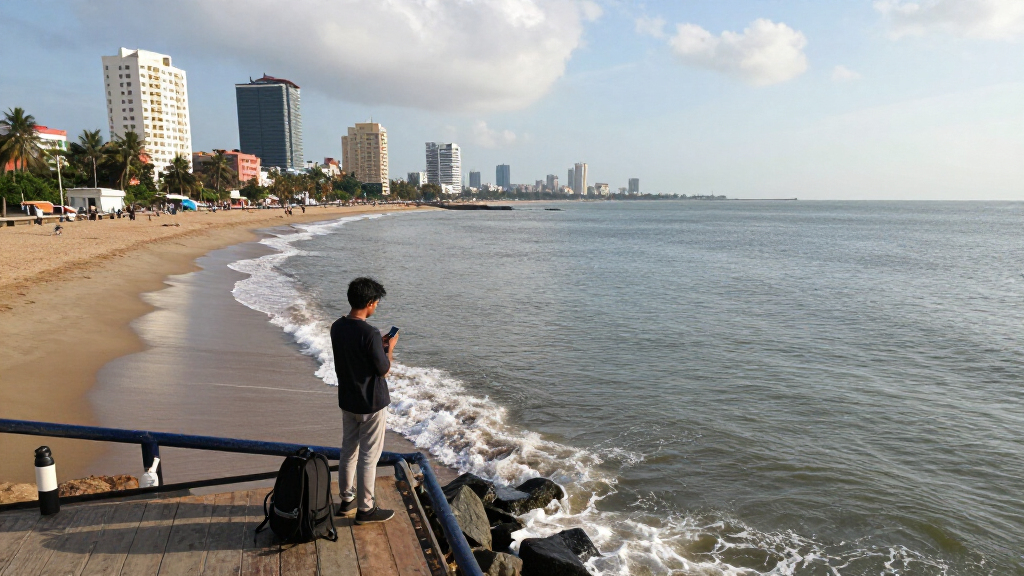
Mumbai’s Brihanmumbai Municipal Corporation (BMC) has started a new risk evaluation focused on flood and erosion threats. This comes amid growing concerns about climate change and rising sea levels threatening the city’s coastal areas.
The Brihanmumbai Municipal Corporation (BMC) has begun a fresh assessment of flood and coastal erosion risks in Mumbai, responding to rising concerns about climate change and sea-level rise. The move marks a significant step in evaluating the city’s preparedness for potential environmental threats that could threaten its infrastructure and residents.
The BMC announced the initiation of a comprehensive risk assessment focused on coastal vulnerabilities, including flood-prone zones and erosion hotspots. Officials confirmed that this assessment aims to update existing data and incorporate recent climate change projections, which suggest Mumbai could face increased threats from rising sea levels in coming decades.
While the exact scope of the assessment has not been fully disclosed, sources indicate it involves detailed mapping of vulnerable coastlines, evaluation of drainage systems, and analysis of future sea-level scenarios. The initiative follows a series of scientific reports warning of accelerated sea-level rise affecting India’s western coast, including Mumbai.
Experts and environmentalists have long warned that Mumbai’s low-lying areas are increasingly at risk, with some parts already experiencing frequent flooding during monsoon seasons. The BMC’s new risk check is seen as an effort to proactively address these challenges, although detailed findings and timelines remain undisclosed.
Why Mumbai’s Coastal Risk Assessment Matters
This new risk assessment is crucial because Mumbai is one of India’s most densely populated coastal cities, with over 20 million residents. The city’s infrastructure, economy, and daily life are highly vulnerable to climate-induced sea-level rise and flooding.
Understanding the specific risks allows authorities to plan targeted interventions, improve flood defenses, and develop resilient urban infrastructure. It also raises awareness among residents and policymakers about the urgent need for climate adaptation measures, especially as scientific models project increased coastal vulnerability in the coming decades.
Failure to address these risks could result in severe economic losses, displacement of communities, and increased hardship for Mumbai’s residents. The assessment underscores the importance of climate resilience planning at a city level amid global climate change challenges.
As an affiliate, we earn on qualifying purchases.
Background on Mumbai’s Coastal Vulnerability and Climate Concerns
Mumbai’s coastal zone has historically been prone to flooding and erosion, exacerbated by heavy monsoon rains and urban development. Scientific studies have indicated that rising global temperatures are contributing to accelerated sea-level rise, which could threaten low-lying areas of the city.
In recent years, Mumbai has experienced several severe flooding events, notably during the 2019 monsoon, which caused widespread disruptions. The city’s geography, combined with inadequate drainage infrastructure in some districts, has made it particularly susceptible to waterlogging and erosion.
Government agencies and environmental groups have called for updated risk assessments and proactive measures, citing climate change as a key factor increasing future vulnerabilities. The BMC’s current initiative is part of a broader push to improve climate resilience, although specific measures and funding remain under discussion.
While some scientific models predict a potential sea-level rise of up to 1 meter by 2100, estimates vary widely, and localized impacts depend on multiple factors, including urban planning and natural coastline changes.
coastal erosion prevention products
As an affiliate, we earn on qualifying purchases.
As an affiliate, we earn on qualifying purchases.
Uncertainties Around Future Sea-Level Projections
It is not yet clear how much the current assessment will incorporate the latest climate models or whether it will lead to immediate infrastructure upgrades. The exact timelines for completing the risk evaluation and implementing mitigation measures remain undisclosed.
Additionally, there is ongoing debate among scientists about the precise extent of sea-level rise Mumbai might face, with estimates ranging from 0.3 to 1 meter by 2100 depending on global emissions scenarios. Local factors, such as coastline changes and urban development, also influence actual risk levels.
As an affiliate, we earn on qualifying purchases.
Next Steps for Mumbai’s Coastal Resilience Planning
The BMC is expected to complete the risk assessment within the next 6-12 months, after which detailed reports will inform urban planning and infrastructure upgrades. Officials have indicated that the findings will guide future flood prevention projects and climate adaptation strategies.
Public awareness campaigns and stakeholder consultations are also likely to follow, aiming to prepare residents for potential climate impacts. Meanwhile, environmental groups will continue to monitor and advocate for stronger climate resilience policies at the city and state levels.
As an affiliate, we earn on qualifying purchases.
Key Questions
What specific areas of Mumbai are most vulnerable to sea-level rise?
Vulnerable zones include low-lying coastal neighborhoods such as Worli, Bandra, and parts of South Mumbai, which are prone to flooding and erosion during high tides and monsoons.
How will the risk assessment influence Mumbai’s infrastructure development?
The assessment will identify critical zones needing reinforcement, guiding future projects to improve drainage, seawalls, and flood defenses to mitigate climate-related risks.
When will the results of the risk assessment be available?
The BMC aims to complete the assessment within 6 to 12 months, with initial findings expected to be released thereafter.
Is climate change the only factor threatening Mumbai’s coast?
While climate change and sea-level rise are major concerns, urban development, coastline modifications, and natural erosion also contribute to Mumbai’s coastal vulnerability.
Are there any immediate measures being taken to protect Mumbai from rising seas?
At present, the focus is on assessment and planning. Some ongoing projects include strengthening seawalls and improving drainage, but large-scale protective infrastructure is still under consideration.
Source: local
Halloween Picks
halloween
As an affiliate, we earn on qualifying purchases.