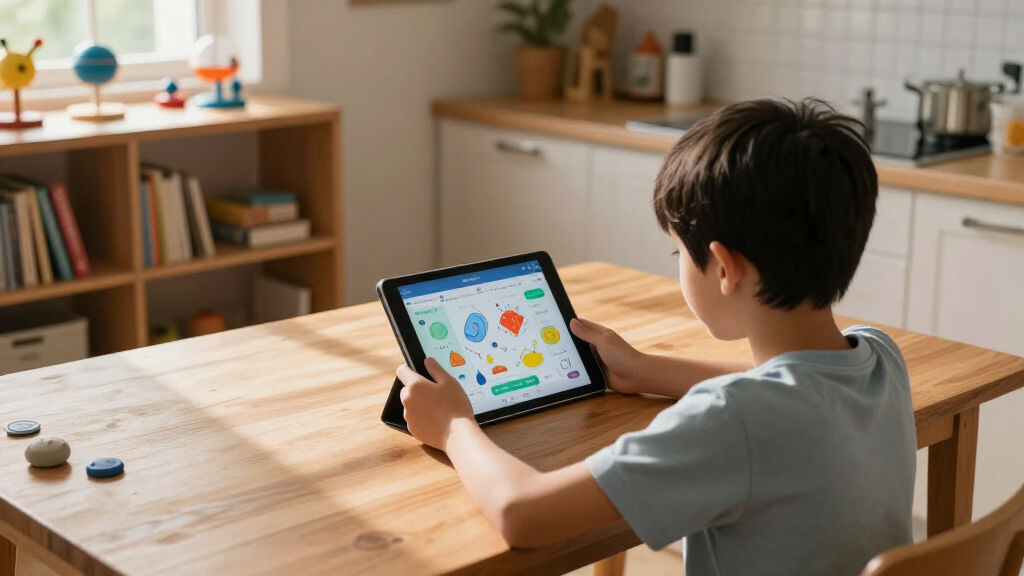
For anyone interested in expanding their science knowledge, educational science reference apps offer a convenient way to learn on the go. The best overall pick, Supercharged: The Student, stands out for its comprehensive approach to AI-driven learning, while Science Lab for Kids excels for younger audiences with interactive experiments. However, choosing the right app involves balancing features like depth of content, usability, and price. Many options offer rich scientific facts and visuals but vary significantly in user experience and educational focus. Continue reading for a detailed breakdown of these top apps and what makes each one unique.
Key Takeaways
- The top apps balance engaging visuals with accurate, up-to-date scientific information.
- Ease of use and interactive features heavily influence user engagement and learning outcomes.
- Premium options tend to offer deeper content, but free or low-cost apps can be effective for casual learning.
- Apps targeting specific age groups or educational standards provide better tailored experiences.
- Most top-rated apps incorporate multimedia elements like videos, animations, and quizzes to enhance understanding.
| Supercharged: The Student: How to Use AI to Build Your Future, Launch Apps, Create Games, Build Robots, Start Businesses & Become AI-Ready for the Future |  | Best for Future-Ready Innovation | Target Age Range: 12-18 | Focus: AI, App Development, Robotics, Entrepreneurship | Format: Digital, Print | VIEW LATEST PRICE | See Our Full Breakdown |
| Science Lab for Kids |  | Best for Beginners in Hands-On Science | Age Range: 5-10 | Number of Experiments: 10+ | Included Tools: Magnets, test tubes, pipettes, etc. | VIEW LATEST PRICE | See Our Full Breakdown |
| 3D Anatomy Free |  | Best for Visual Learners & Medical Students | Platform: iOS, Android | Cost: Free | Content: Detailed human anatomy models | VIEW LATEST PRICE | See Our Full Breakdown |
| Next Generation Science Standards |  | Best for Curriculum Alignment & Critical Thinking | Target Audience: K-12 educators | Content Type: Standards document | Focus Areas: Scientific practices, crosscutting concepts | VIEW LATEST PRICE | See Our Full Breakdown |
| Daily Amazing Science Facts |  | Best for Daily Engagement & Curiosity | Content Type: Daily facts | Format: App, notifications | Content Volume: New fact daily | VIEW LATEST PRICE | See Our Full Breakdown |
| Best Science Facts! Cool, Interesting and Fun Facts about Biology, Astronomy, Chemistry, Space, Animals, Human Anatomy, Physiology, Math, Life, Zoology, Logic, Medical Terminology & Botany |  | Best Educational Science Fact Collection for Young Learners | Topics Covered: Biology, Astronomy, Chemistry, Space, Animals, Human Anatomy, Physiology, Math, Zoology, Logic, Medical Terminology, Botany | Included App: Memory enhancement app for kids and teens | Format: Not specified | VIEW LATEST PRICE | See Our Full Breakdown |
| TechStars Technology Education for Kids – Science, Math, Computers & Art Videos, Games & Activities |  | Best for Interactive, Multi-Subject Technology Learning | Subjects Covered: Science, Math, Computers, Art | Content Types: Videos, Games, Activities | Target Age: Children and early teens | VIEW LATEST PRICE | See Our Full Breakdown |
| Applying the Science of Reading (Quick Reference Guide) |  | Best for Educators Improving Literacy Instruction | Format: Quick reference guide | Focus: Science of reading | Target Audience: Educators | VIEW LATEST PRICE | See Our Full Breakdown |
| The Science Behind Everyday Technology: What Your Phone, Internet, GPS, and Apps Are Really Doing |  | Best for Tech-Savvy Readers Curious About Digital Devices | Topics Covered: Phones, Internet, GPS, Apps | Content Type: Explanatory science | Target Audience: Tech enthusiasts and students | VIEW LATEST PRICE | See Our Full Breakdown |
| educational science reference app | Format | Language | Target Audience |
|---|---|---|---|
| Supercharged: The Student: How | Digital, Print | English | — |
| Science Lab for Kids | — | — | — |
| 3D Anatomy Free | — | — | — |
| Next Generation Science Standa | PDF/Print | — | K-12 educators |
| Daily Amazing Science Facts | App, notifications | English | General science enthusiasts |
| Best Science Facts! Cool | Not specified | English | Children and teens |
| TechStars Technology Education | — | English | — |
| Applying the Science of Readin | Quick reference guide | English | Educators |
| The Science Behind Everyday Te | Book | English | Tech enthusiasts and students |
More Details on Our Top Picks
Supercharged: The Student: How to Use AI to Build Your Future, Launch Apps, Create Games, Build Robots, Start Businesses & Become AI-Ready for the Future
This book stands out for its practical guidance on using AI for creative projects like app development, game creation, and robotics, making it ideal for students interested in entrepreneurship and technology. Compared with Science Lab for Kids, which focuses on foundational experiments, Supercharged emphasizes future skills and AI literacy, though it lacks specific technical prerequisites and may be too advanced for younger learners. Its strength lies in inspiring innovation, but without detailed technical instructions, learners may need additional resources to implement ideas effectively.
Pros:- Provides practical guidance on using AI for projects and startups
- Prepares students for future technological trends
- Encourages creativity and entrepreneurial thinking with AI
Cons:- No detailed technical instructions or prerequisites are provided
- Content may be too advanced for early learners or those with limited tech background
Best for: Students aged 12-18 eager to learn about AI’s role in entrepreneurship and tech creation
Not ideal for: Younger children or beginners looking for straightforward experiments, as the content may be too complex
- Target Age Range:12-18
- Focus:AI, App Development, Robotics, Entrepreneurship
- Format:Digital, Print
- Partnerships:None specified
- Prerequisites:Basic computer literacy
- Language:English
Our verdict“This book is best suited for motivated students ready to explore AI’s applications in innovation and entrepreneurship.”
Science Lab for Kids
This kit is ideal for introducing young children to scientific experimentation through hands-on activities, making science approachable and fun. Unlike 3D Anatomy Free, which offers detailed visual anatomy for older students or professionals, Science Lab for Kids emphasizes simple experiments suitable for elementary ages, though its scope is limited to basic science concepts. The kit’s strength is fostering curiosity and practical skills, but it may not satisfy those seeking advanced experiments or in-depth scientific exploration.
Pros:- Educational and engaging for early learners
- Includes multiple experiment tools and materials
- Encourages hands-on, experiential learning
Cons:- Limited to basic experiments, lacking depth for advanced learners
- May require adult supervision to ensure safety and proper use
Best for: Parents of children aged 5-10 seeking engaging, beginner-friendly science activities
Not ideal for: Older students or those with prior science experience, as the experiments are too basic
- Age Range:5-10
- Number of Experiments:10+
- Included Tools:Magnets, test tubes, pipettes, etc.
- Material Type:Plastic, paper, basic chemicals
- Recommended Supervision:Yes
- Educational Focus:Basic scientific concepts
Our verdict“This kit makes a great starting point for young children beginning their science journey with simple, hands-on experiments.”
3D Anatomy Free
This free app offers detailed, interactive 3D models of human anatomy, making it a valuable visual tool for students and educators alike. Compared with Next Generation Science Standards, which provide curriculum guidelines rather than visual content, 3D Anatomy Free excels in offering immersive exploration, though its features are limited without paid upgrades. The app’s interactive nature supports better retention for visual learners, but device compatibility and internet dependence can be barriers for some users.
Pros:- Free to download and use
- Interactive, detailed 3D visualization of human anatomy
- Suitable for educational demonstrations and self-study
Cons:- Limited features compared to paid anatomy apps
- Requires a compatible device and a stable internet connection
Best for: Medical students, anatomy teachers, and visual learners seeking an interactive 3D model experience
Not ideal for: Early learners or those seeking comprehensive anatomy curricula, as the app is more visual than educational content-focused
- Platform:iOS, Android
- Cost:Free
- Content:Detailed human anatomy models
- Features:Interactive 3D exploration
- Device Compatibility:Requires compatible device
- Internet Connection:Required
Our verdict“This app is ideal for students and educators needing a free, interactive visual tool to explore human anatomy.”
Next Generation Science Standards
This set of science standards is essential for educators aiming to align instruction with modern expectations, emphasizing scientific practices and crosscutting concepts. Compared with Daily Amazing Science Facts, which offers bite-sized facts, NGSS provides a comprehensive framework that supports curriculum development and critical inquiry. Its main limitation lies in the lack of detailed content or lesson plans, requiring teachers to interpret and implement the standards themselves. It’s best suited for educators rather than individual learners.
Pros:- Aligns with current science education standards
- Encourages critical scientific inquiry
- Supports curriculum development and assessment
Cons:- Lacks detailed lesson content or activities
- Requires interpretation and implementation by educators
Best for: Science teachers and curriculum planners seeking standards-based frameworks for K-12 education
Not ideal for: Students or parents looking for direct learning content, as it is a standards document, not an educational app
- Target Audience:K-12 educators
- Content Type:Standards document
- Focus Areas:Scientific practices, crosscutting concepts
- Format:PDF/Print
- Implementation:Requires educator interpretation
- Update Frequency:Periodic updates
Our verdict“This resource is perfect for educators designing standards-compliant science curricula and assessments.”
Daily Amazing Science Facts
This collection offers a daily dose of intriguing science facts, perfect for keeping curious minds engaged and expanding their knowledge incrementally. Compared with Supercharged, which emphasizes active project-based learning, Daily Amazing Science Facts leans toward passive, bite-sized knowledge, making it ideal for quick learning sessions. Its main drawback is the lack of detailed content or context around facts, which can limit in-depth understanding. It’s best for casual learners or those looking to supplement their daily routine with science tidbits.
Pros:- Provides daily, intriguing science facts
- Educational and entertaining
- Easy to incorporate into daily routines
Cons:- Lacks detailed explanations or context for facts
- No customer reviews available for validation
Best for: Science enthusiasts and educators wanting daily facts to inspire curiosity and discussion
Not ideal for: Learners seeking comprehensive or structured science lessons, as it offers only brief facts
- Content Type:Daily facts
- Format:App, notifications
- Content Volume:New fact daily
- Target Audience:General science enthusiasts
- Language:English
- Price:Free
Our verdict“This app is ideal for casual science learners who enjoy daily factual updates to spark curiosity.”
Best Science Facts! Cool, Interesting and Fun Facts about Biology, Astronomy, Chemistry, Space, Animals, Human Anatomy, Physiology, Math, Life, Zoology, Logic, Medical Terminology & Botany
This book excels at offering a broad spectrum of science facts that can spark curiosity in children and teens. Compared with the more interactive approach of TechStars Technology Education for Kids, which emphasizes videos and activities, this collection is better suited for students who prefer reading and quick facts. The included free memory app enhances learning, making it a useful tool for reinforcing knowledge, though the lack of detailed specifications means we can’t assess the app’s quality or compatibility. Its wide range of topics makes it versatile, but the absence of format details might limit its appeal for those seeking structured curriculum support. Overall, this resource benefits young learners who thrive on fun facts and want a lightweight, engaging reference to multiple science fields.
Pros:- Covers a wide variety of science topics, sparking curiosity across disciplines
- Includes a free educational app to boost memory and retention
- Engaging facts that appeal to a young audience
Cons:- Lacks detailed product features and specifications, limiting assessment of quality
- No information on the format or edition, which could affect usability
Best for: Parents and educators seeking a fun, broad-based science fact resource for children and teens
Not ideal for: Users looking for detailed curriculum content or interactive learning modules
- Topics Covered:Biology, Astronomy, Chemistry, Space, Animals, Human Anatomy, Physiology, Math, Zoology, Logic, Medical Terminology, Botany
- Included App:Memory enhancement app for kids and teens
- Format:Not specified
- Target Audience:Children and teens
- Number of Facts:Not specified
- Language:English
- Publisher:Not specified
- Edition:Not specified
Our verdict“This book makes sense for parents and educators who want a quick, engaging collection of science facts for young learners, but it isn’t ideal for those seeking structured or technical content.”
TechStars Technology Education for Kids – Science, Math, Computers & Art Videos, Games & Activities
This program stands out for its engaging mix of videos, games, and activities that cover science, math, computers, and art, making it ideal for active learners. Unlike the fact-based approach of Best Science Facts!, TechStars offers more hands-on, interactive content, which can better suit children who learn by doing. However, the lack of detailed product specifications and absence of reviews or ratings make it difficult to evaluate its depth or quality fully. It’s most suitable for tech-curious children who enjoy multimedia learning but may require supervision for younger users due to potentially unmoderated content. Its versatility across subjects makes it a compelling choice for parents wanting a broad, multimedia approach to STEM education.
Pros:- Includes educational videos, games, and activities covering multiple subjects
- Highly engaging, interactive format for young learners
- Suitable for children interested in technology, science, and art
Cons:- Lacks detailed product specifications or user reviews, limiting evaluation of content depth
- Content may require supervision for safe and appropriate use by younger children
Best for: Parents of tech-interested children who prefer interactive videos and activities across multiple subjects
Not ideal for: Users seeking comprehensive curriculum or detailed assessments of content quality
- Subjects Covered:Science, Math, Computers, Art
- Content Types:Videos, Games, Activities
- Target Age:Children and early teens
- Platform Compatibility:Not specified
- Number of Videos/Activities:Not specified
- Educational Focus:Interactive learning
- Language:English
- Publisher:Not specified
Our verdict“This pick makes the most sense for parents wanting a multimedia, interactive platform to engage children across STEM and art subjects, but it isn’t ideal for those seeking structured curricula or detailed reviews.”
Applying the Science of Reading (Quick Reference Guide)
This guide offers clear, concise summaries of the science behind reading, making it a valuable resource for educators seeking practical strategies. Compared with more comprehensive textbooks or detailed tech-based programs, this quick reference focuses on key research findings, which is ideal for quick implementation. However, it doesn’t provide specific instructional techniques or step-by-step methods, which limits its usefulness as a standalone resource for in-depth teaching. Its straightforward format benefits teachers who need a quick, evidence-based overview rather than a comprehensive curriculum. Overall, this guide is well-suited for educators looking to incorporate science-based reading strategies without the complexity of extensive materials.
Pros:- Concise and easy to understand, facilitating quick reference
- Summarizes key research findings on reading science
- Provides practical, evidence-based strategies for teaching
Cons:- Lacks detailed instructional techniques or step-by-step guidance
- No features or editions specified, limiting scope of use
Best for: Elementary and middle school teachers seeking quick, research-backed literacy strategies
Not ideal for: Readers looking for detailed lesson plans or comprehensive training modules
- Format:Quick reference guide
- Focus:Science of reading
- Target Audience:Educators
- Content Type:Research summaries and strategies
- Page Count:Not specified
- Language:English
- Publisher:Not specified
- Edition:Not specified
Our verdict“This quick reference makes the most sense for educators wanting a straightforward, research-supported overview of reading science, but it isn’t suited for those needing detailed lesson plans or extensive training.”
The Science Behind Everyday Technology: What Your Phone, Internet, GPS, and Apps Are Really Doing
This book provides accessible explanations of how common digital technologies work, making it a good choice for readers interested in understanding the science behind their devices. Unlike the broad facts in Best Science Facts!, this book offers more in-depth insights into specific technologies like GPS, internet, and apps, which makes it appealing for those with a curiosity about modern science and tech. However, the lack of detailed specifications or technical data means it might fall short for readers seeking in-depth, technical knowledge. Its straightforward explanations help demystify complex concepts, but the content can be too technical for casual readers or beginners. Overall, this pick suits those wanting an intelligent overview of digital tech, though it may be overwhelming for absolute novices.
Pros:- Provides clear, accessible explanations of complex technology concepts
- Enhances understanding of digital devices and services
- Suitable for readers interested in science and technology
Cons:- No detailed technical specifications or data provided
- Content may be too technical for casual or beginner readers
Best for: Technology enthusiasts and students interested in how digital devices operate
Not ideal for: Casual readers or those seeking beginner-friendly, simplified content
- Topics Covered:Phones, Internet, GPS, Apps
- Content Type:Explanatory science
- Target Audience:Tech enthusiasts and students
- Technical Detail:Basic explanations, no detailed specs
- Format:Book
- Language:English
- Publisher:Not specified
- Edition:Not specified
Our verdict“This book is ideal for curious, tech-minded readers wanting to understand modern digital devices, but it may be too complex for those seeking simple explanations or beginners in science.”
How We Picked
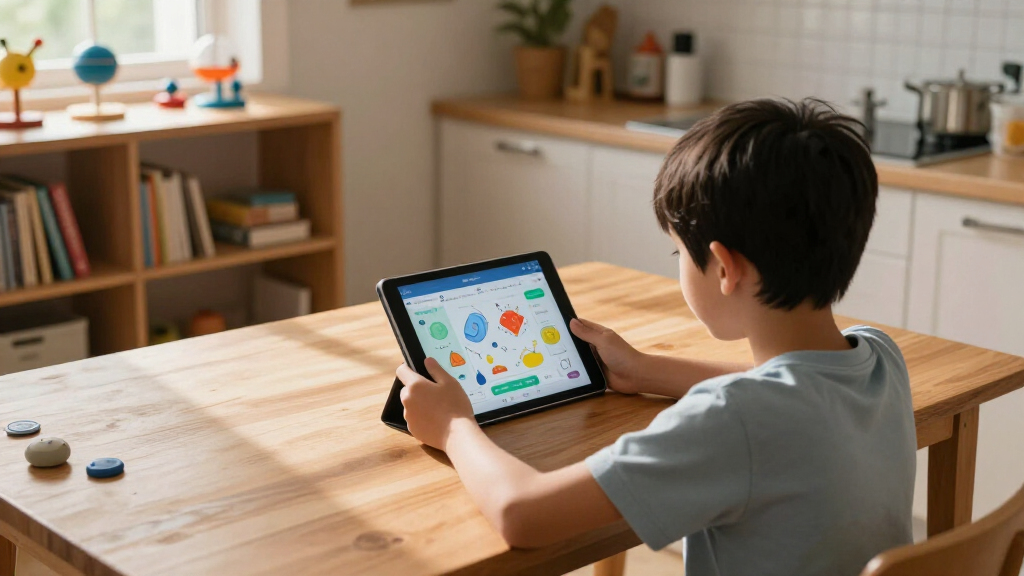
These apps were evaluated based on content accuracy, usability, engagement features, platform availability, and overall educational value. I prioritized products that combine high-quality science information with intuitive interfaces and interactive elements. Apps with active updates and positive user feedback were rated higher, as they tend to maintain relevance and reliability. The ranking also considers whether the app caters to different age groups or educational levels, ensuring options for a broad range of learners. Tradeoffs such as cost versus depth of content were factored in to recommend a balanced selection suitable for various budgets and needs.| educational science reference app | Format | Target Audience |
|---|---|---|
| Supercharged: The Student: How | Digital, Print | — |
| Science Lab for Kids | — | — |
| 3D Anatomy Free | — | — |
| Next Generation Science Standa | PDF/Print | K-12 educators |
| Daily Amazing Science Facts | App, notifications | General science enthusiasts |
| Best Science Facts! Cool | Not specified | Children and teens |
| TechStars Technology Education | — | — |
| Applying the Science of Readin | Quick reference guide | Educators |
| The Science Behind Everyday Te | Book | Tech enthusiasts and students |
Factors to Consider When Choosing Educational Science Reference Apps
When choosing an educational science reference app, consider several factors that impact learning effectiveness and user satisfaction. The right app should match your or your child’s age, interests, and learning goals. Additional considerations include content accuracy, interactive features, and platform compatibility. Being aware of common pitfalls, such as choosing apps with flashy graphics but shallow content, can save you time and money. Here are key factors to keep in mind:Content Depth and Accuracy
Ensure the app provides scientifically accurate and up-to-date information. Apps with superficial content or outdated data can mislead learners or hinder understanding. For advanced learners, look for apps that offer detailed explanations, diagrams, and references. For beginners or younger users, simpler language and engaging visuals may suffice. Balancing depth with accessibility is key to maximizing educational value without overwhelming the user.
Interactivity and Engagement
Interactive features such as quizzes, experiments, and multimedia content boost retention and make learning enjoyable. Apps that incorporate animations, videos, and gamified elements tend to keep users engaged longer. However, overly complex interactions can be frustrating for some users, so consider the user interface and ease of navigation. The best apps strike a balance between interactivity and straightforward usability.
User Interface and Usability
An intuitive interface enhances the learning experience, especially for younger or less tech-savvy users. Clear menus, readable fonts, and simple navigation reduce frustration and help learners focus on content. Avoid apps that are cluttered or difficult to use, as this can detract from the educational purpose. Compatibility across devices and platforms also matters for flexible access.
Cost and Value
While some apps are free, others charge for full access or premium features. Consider your budget and whether the additional features justify the cost. Free apps can be surprisingly comprehensive, but paid options often offer more in-depth content and fewer ads. Evaluate if in-app purchases or subscriptions are necessary for your learning goals, and beware of apps with hidden fees or limited free content.
Target Audience and Educational Standards
Matching the app to the learner’s age and educational level ensures more effective learning. Some apps are designed for early learners, with simplified explanations and colorful visuals, while others target high school or college students with advanced topics. Additionally, apps aligned with educational standards or curricula can be more useful for classroom or homeschooling purposes. Clarify your primary needs before making a choice to avoid a mismatch in content complexity.
Frequently Asked Questions
Are free educational science apps reliable?
Many free science apps provide reliable and accurate information, especially those developed by reputable organizations or educational institutions. However, some free apps may lack depth, contain ads, or have outdated content. It’s important to check user reviews and developer credibility before relying on a free app for serious study. Combining free apps with other trusted resources can offer a well-rounded learning experience without extra cost.
Should I pay for a premium science reference app?
Paying for a premium app often grants access to more comprehensive content, fewer advertisements, and additional features like offline access or interactive tools. If you need in-depth study material, certification prep, or tailored educational content, investing in a premium app can be worthwhile. However, for casual learners or young children, free options may suffice, making premium upgrades unnecessary unless specific features are highly valued.
How important are multimedia features in these apps?
Multimedia elements such as videos, animations, and interactive simulations significantly enhance understanding by illustrating complex concepts visually. These features can make abstract ideas more tangible and improve engagement, especially for visual learners. Still, they can also increase app size and require better device specifications, so consider your device’s capabilities and your learning preferences when prioritizing multimedia-rich apps.
Can these apps replace traditional science textbooks?
While top-tier educational apps provide valuable supplementary content, they rarely replace comprehensive textbooks entirely. Apps excel in offering interactive, multimedia experiences and quick reference, but textbooks often provide more in-depth, structured learning. For a balanced approach, combine apps with traditional materials, especially for formal education or exam preparation, to cover all bases effectively.
Are these apps suitable for homeschooling?
Many educational science reference apps are ideal for homeschooling due to their flexibility and engaging content. They can supplement lessons, offer interactive experiments, and provide instant access to a wide range of topics. When choosing an app for homeschooling, consider compatibility with your curriculum, ease of use, and whether it supports offline learning. Pairing multiple apps can also diversify your teaching resources and cater to different learning styles.
Conclusion
For general learners seeking a well-rounded experience, Supercharged: The Student offers the most comprehensive content with interactive AI features. Budget-conscious users or casual learners will appreciate the value of free apps like Science Lab for Kids and Daily Amazing Science Facts. Those new to science or younger audiences should consider apps with simple interfaces and engaging visuals, like Science Lab for Kids. For advanced students or serious enthusiasts, premium options that delve deeper into scientific standards and standards, such as the Next Generation Science Standards, are worth the investment. Ultimately, your choice depends on your specific goals, budget, and age group—these top picks cover every scenario.