
TL;DR
A solar eclipse is currently occurring and being streamed live across various platforms. This event is visible in parts of Europe and Africa, attracting millions of viewers. The event’s significance lies in its scientific and cultural impact, though full viewing safety guidelines are still being emphasized. For safety tips, see Sonnenfinsternis Ohne Brille.
The solar eclipse is currently underway, with live streams available from several sources as millions of viewers tune in across Europe and Africa. This event, a rare astronomical phenomenon, is drawing significant attention due to its scientific importance and visual spectacle, making it a major live event today.
According to multiple online platforms, including space agencies and astronomy websites, the eclipse began around 10:30 UTC and will reach its maximum visibility in parts of southern Europe and northern Africa around 13:00 UTC. The eclipse is classified as a total solar eclipse in some regions, where the moon completely covers the sun, creating a brief period of darkness during daylight hours.
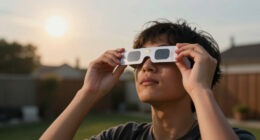
Several live streams are broadcasting the event, with viewers able to watch the eclipse in real-time from locations such as Spain, Portugal, Morocco, and Egypt. Experts emphasize the importance of viewing safety, advising viewers to use certified eclipse glasses or indirect viewing methods to prevent eye damage. The event is expected to last approximately two to three hours in total, with the peak phase lasting only a few minutes.
Why This Solar Eclipse Matters to Viewers and Scientists
This eclipse provides a unique opportunity for scientific observation, including studying the sun’s corona and testing new observational instruments. For the public, it offers a rare visual experience that has cultural and educational significance, inspiring interest in astronomy. The event also highlights the importance of astronomical research and international cooperation in observing celestial phenomena.
As an affiliate, we earn on qualifying purchases.
Recent Solar Eclipses and the 2024 Event’s Unique Aspects
This is the first total solar eclipse visible across parts of Europe and Africa since 2006, with the next similar event not expected until 2030. The 2024 eclipse is notable for its wide visibility across multiple continents, with many countries organizing public viewing events and live broadcasts. Historically, solar eclipses have been observed for centuries, often carrying cultural significance, but today they also serve as important scientific opportunities.
“This eclipse offers a valuable chance to observe the sun’s corona and gather data that can improve our understanding of solar activity.”
— Dr. Lisa Müller, Astronomer at the European Space Agency
indirect solar eclipse viewing kit
As an affiliate, we earn on qualifying purchases.
As an affiliate, we earn on qualifying purchases.
Unconfirmed Details About Peak Visibility and Duration
While the timing of the eclipse’s maximum phase is broadly predicted, exact peak visibility times may vary slightly depending on location. The duration of totality is expected to be around two minutes in some regions, but these details are still being confirmed by local observatories. Additionally, weather conditions could impact live viewing experiences in certain areas, and some remote locations may not have live streams available.
solar eclipse telescope with solar filters
As an affiliate, we earn on qualifying purchases.
As an affiliate, we earn on qualifying purchases.
Upcoming Phases and How to Follow the Event Live
As the eclipse progresses, viewers are advised to monitor official live streams and local observatory updates for real-time information. The peak phase is expected in the next few hours, with totality lasting only a brief period. Afterward, the partial phases will continue for about an hour until the eclipse concludes. Experts recommend using certified eclipse glasses for safe viewing during all phases.
As an affiliate, we earn on qualifying purchases.
Key Questions
Where can I watch the solar eclipse live?
Multiple online platforms are streaming the event, including space agencies, astronomy websites, and news outlets. Check official sources like NASA, ESA, or local observatories for reliable streams.
Is it safe to look directly at the eclipse?
No. Direct viewing without proper protective eyewear can cause serious eye damage. Always use certified eclipse glasses or indirect viewing methods.
What makes this eclipse scientifically important?
Scientists can study the sun’s corona, solar wind, and magnetic activity during totality. It also helps test observational instruments and models of solar behavior.
How long will the eclipse last?
The total phase will last approximately two minutes in some regions, with the entire event spanning about two to three hours depending on location.
Will weather affect the viewing experience?
Yes, cloud cover or adverse weather conditions could obscure the view for some locations. Monitoring local weather updates is recommended.
Source: google-trends