
TL;DR
The upcoming full solar eclipse is set for August 12, 2026, visible in select regions including the Arctic and parts of Europe. This event is confirmed and highly anticipated by astronomers and the public alike.
The next full solar eclipse is scheduled for August 12, 2026, visible across the Arctic, Greenland, Iceland, and parts of Spain. This event has been confirmed by astronomical authorities and is expected to be a significant spectacle for skywatchers and scientists worldwide. Find out where to watch the eclipse in Paris. Learn more about solar eclipses.
According to the United States Naval Observatory and other astronomical agencies, the eclipse will occur during the daytime on August 12, 2026, with totality lasting approximately 2 minutes and 18 seconds in the regions where it is visible. The eclipse will be visible as a total eclipse in narrow paths across the Arctic and Greenland, with partial views extending into parts of Iceland, Spain, and other northern regions.
Scientists and eclipse enthusiasts have been tracking the event for years, with detailed predictions available through official astronomical calendars. The eclipse’s path and timing have been confirmed, making it one of the most anticipated celestial events of 2026. You can explore the interactive map for the eclipse.
Why the 2026 Solar Eclipse Matters for Astronomy and Public Engagement
This eclipse offers a valuable opportunity for scientific research, including studying the solar corona and advancing our understanding of solar phenomena. It also provides an occasion for public engagement with astronomy, encouraging educational activities and international collaboration. The event’s visibility in accessible regions may boost interest in space science and promote awareness of celestial events.

Lunt Solar Systems ISO & CE Certified Solar Eclipse Glasses – AAS Approved Total Eclipse Viewing Glasses for the 2026 Solar Eclipse in Spain and EU (Germany, France, Italy, & More)
- Designed for 2026 Solar Eclipse: Perfect for viewing the 2026 eclipse in Europe
- ISO Certified Safety: Meets ISO 12312-2 (2015) standards
- CE Certified Quality: Complies with EN 169/1992 transmission requirements
As an affiliate, we earn on qualifying purchases.
As an affiliate, we earn on qualifying purchases.
Historical and Future Solar Eclipses: A Brief Overview
Solar eclipses occur approximately every 18 months somewhere on Earth, but total eclipses visible from a single location are rarer, happening roughly once every 18 months globally but less frequently in specific areas. The last full solar eclipse visible in parts of North America was on August 21, 2017, which drew millions of viewers. The 2026 eclipse continues a pattern of significant celestial events that attract both professional scientists and amateur skywatchers.
Previous eclipses have contributed to important discoveries, such as Einstein’s confirmation of general relativity during the 1919 eclipse. The upcoming eclipse is part of the Saros cycle 139, which repeats approximately every 18 years and 11 days.
“The 2026 eclipse provides a unique opportunity to observe the solar corona in detail, which can help us understand solar activity and its impact on Earth.”
— Dr. Emily Carter, Astronomer

Celestron EclipSmart Universal Solar Filter for Telescopes
- Safety Standard: Conforms to ISO 12312-2:2015(E)
- Compatibility: Fits 75mm to 100mm lenses
- Secure Fit: Adjustable panels with elastic band
As an affiliate, we earn on qualifying purchases.
As an affiliate, we earn on qualifying purchases.
Remaining Questions About the 2026 Eclipse Visibility and Impact
While the timing and path of the eclipse are well predicted, weather conditions could affect visibility in some regions. Additionally, the exact duration of totality may vary slightly due to atmospheric effects. There is also ongoing research into how best to utilize the event for scientific observations, but specific mission plans are still being finalized.

Bookishbunny 5 Pairs Solar Eclipse Viewers Plastic Glasses Sun Viewing ISO Certified, 3 Pairs Adult and 2 Pairs Kid
- Number of Pairs: 5 pairs of solar eclipse viewers
- Adult and Kid Sets: 3 adult and 2 kid glasses
- Material: Plastic glasses for sun viewing
As an affiliate, we earn on qualifying purchases.
As an affiliate, we earn on qualifying purchases.
Preparations and Public Engagement Leading Up to August 2026
Astronomers and educational organizations are already planning outreach activities, including live streams, educational programs, and international collaborations. Satellite and ground-based instruments will be prepared to maximize scientific data collection during the event. Public interest is expected to increase as the date approaches, with many regions promoting viewing events and safety guidelines for observing the eclipse.

4"x4" Solar Filter Sheet for Telescopes, Binoculars and Cameras
- Filtering Material: Black polymer for sun observation
- Manufacturer: Thousand Oaks Optical, 30+ years experience
- Durability: Stronger than Mylar, 5-year guarantee
As an affiliate, we earn on qualifying purchases.
As an affiliate, we earn on qualifying purchases.
Key Questions
When will the next full solar eclipse occur after 2026?
The next total solar eclipse after August 12, 2026, is expected on August 23, 2044, visible from parts of South America and the Pacific.Where will the 2026 eclipse be visible?
Totality will be visible in the Arctic, Greenland, Iceland, and parts of Spain, with partial views observable in surrounding regions.How long will the eclipse last?
In regions where totality occurs, the eclipse will last approximately 2 minutes and 18 seconds, though this varies slightly by location.How can I safely view the eclipse?
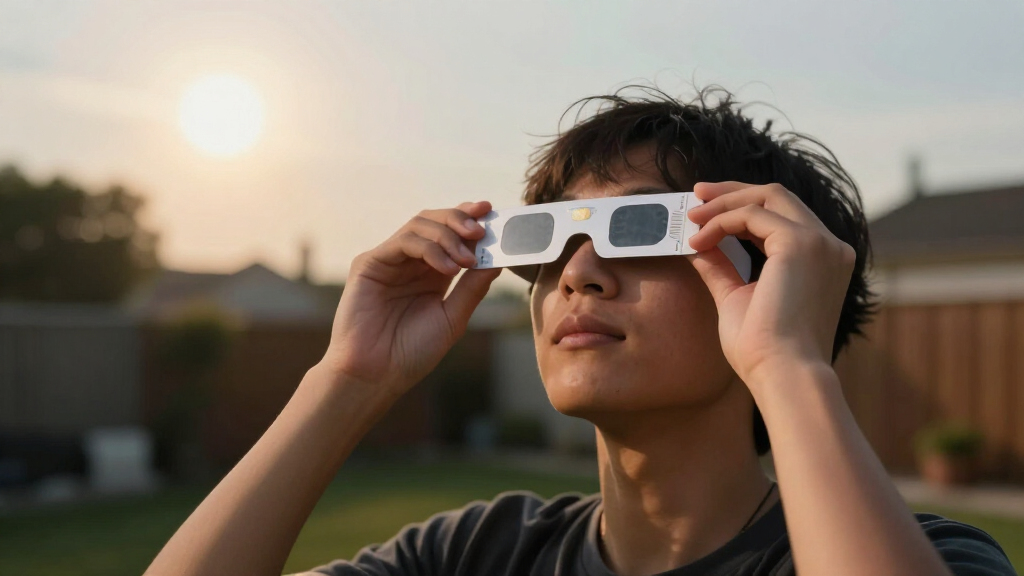
Use approved eclipse glasses or indirect viewing methods. Do not look directly at the Sun without proper eye protection during any phase of the eclipse.Source: google-trends