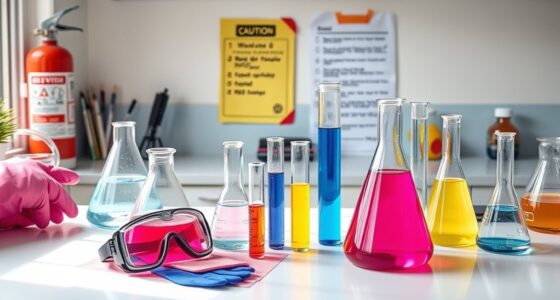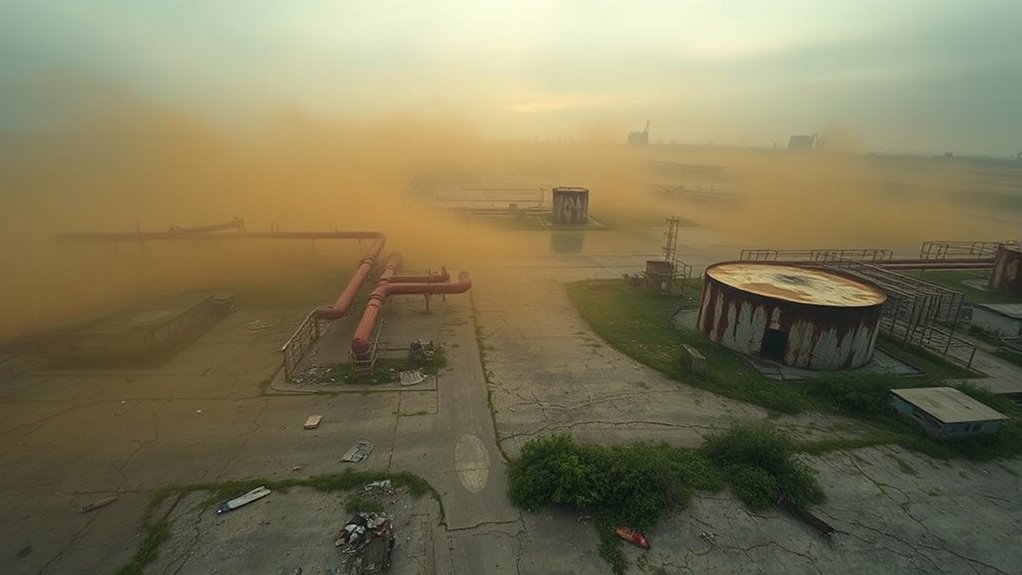

The Bhopal disaster teaches you that strict safety protocols, regular maintenance, and a strong safety culture are essential to prevent chemical accidents. Proper emergency preparedness, including clear response plans and community engagement, can save lives if a crisis occurs. Using advanced safety technology and conducting routine inspections help identify vulnerabilities early. Staying committed to safety isn’t just regulation — it’s a moral responsibility. If you keep exploring, you’ll find more ways to prevent such tragedies.
Key Takeaways
- Proper safety protocols, maintenance, and adherence to standards are vital to prevent chemical leaks.
- Emergency preparedness, including detailed response plans and regular drills, can mitigate disaster impacts.
- Advanced safety technologies enable early detection and prompt response to chemical hazards.
- Transparency and community engagement ensure residents are informed and prepared for potential emergencies.
- Cultivating a safety-first culture emphasizes proactive hazard identification and continuous safety improvements.

The Bhopal Disaster was one of the worst industrial accidents in history, occurring overnight in December 1984 when a toxic gas leak from a pesticide plant in Bhopal, India, exposed thousands of people to deadly chemicals. This catastrophe underscores the critical importance of chemical plant safety and the need for rigorous emergency preparedness. As someone involved in industrial safety or policy, you must recognize that preventing such disasters begins long before an emergency occurs. Proper safety protocols, regular maintenance, and strict adherence to safety standards are essential to minimize risks associated with hazardous chemicals. Ensuring that safety measures are up-to-date and extensive helps protect both workers and nearby communities from potential leaks or accidents. You should advocate for safety culture that emphasizes proactive hazard identification and risk assessment, fostering an environment where safety is everyone’s priority.
Emergency preparedness is equally essential. In the event of a leak or accident, swift, well-coordinated responses can mean the difference between catastrophe and containment. You need to implement detailed emergency response plans tailored to the specific chemicals stored and processes involved in your plant. These plans should include clear evacuation procedures, communication protocols, and access to specialized equipment. Regular drills and training sessions are indispensable, so everyone on-site knows their role and can act decisively under pressure. Effective emergency preparedness also involves collaboration with local authorities, hospitals, and community leaders, ensuring resources and support are readily available. The Bhopal disaster teaches that delays or confusion during an emergency can exponentially increase harm, so readiness must be ingrained into your safety culture. Incorporating advanced safety technology can further enhance early detection and response capabilities.
Furthermore, transparency and community engagement play a significant role in chemical plant safety. Building trust with local residents and informing them about safety measures, potential hazards, and emergency procedures prepares them to act appropriately if needed. You must also stay informed about technological advancements and industry best practices, continuously improving safety systems. Regular audits and inspections help identify vulnerabilities before they escalate into crises. If you prioritize safety and emergency preparedness, you actively contribute to preventing another tragedy like Bhopal. Remember, safeguarding lives requires a proactive approach, diligent planning, and an unwavering commitment to safety standards. Your role is essential in ensuring that industrial facilities operate responsibly, minimizing risks, and protecting communities from harm. The lessons from Bhopal serve as a stark reminder that safety isn’t just a regulatory requirement—it’s a moral obligation.

Guidelines for Auditing Process Safety Management Systems
As an affiliate, we earn on qualifying purchases.
As an affiliate, we earn on qualifying purchases.
Frequently Asked Questions
What Safety Protocols Failed Before the Disaster Occurred?
You overlooked critical industrial safety protocols and hazard prevention measures before the disaster. Proper maintenance and regular safety checks weren’t enforced, and safety systems like alarms and emergency shut-offs were either inadequate or non-functional. This neglect created dangerous conditions, allowing a toxic gas leak to occur. Failing to prioritize industrial safety and hazard prevention directly contributed to the catastrophe, highlighting the need for strict safety standards in chemical plants.
How Has Chemical Safety Regulation Changed Since Bhopal?
Since Bhopal, industry accountability and regulatory reforms have strengthened chemical safety. Imagine a safety net that’s been woven tighter with each incident; now, regulations require stricter standards, rigorous inspections, and transparency. Governments globally have adopted all-encompassing safety protocols, making companies more accountable. These reforms aim to prevent another tragedy, ensuring industries prioritize safety and environmental health, much like a sturdy safety net catching any potential hazards before they cause harm.
Were There Warning Signs Overlooked Prior to the Leak?
You might realize that warning signs and overlooked hazards played a role in the disaster. Prior to the leak, there were often visible indicators of equipment malfunctions and safety lapses that weren’t properly addressed. These overlooked hazards, such as faulty valves and inadequate maintenance, could have been detected if safety protocols had been strictly followed. Recognizing these signs earlier might have prevented the tragic event.
What Long-Term Health Effects Are Still Being Studied?
You might not realize it, but nearly 30 years after the disaster, researchers still study long-term health effects. Chronic illnesses like respiratory issues and neurological disorders persist, and genetic mutations could be passed down through generations. These ongoing studies aim to understand how exposure impacts health decades later, so you can better advocate for safety measures and medical support for affected communities.
How Did Community Safety Measures Improve After the Incident?
After the incident, community safety measures improved through increased community awareness and better emergency preparedness. You’re now more informed about chemical hazards and know how to respond quickly in emergencies. Local authorities conduct regular drills and educational campaigns to guarantee residents understand safety protocols. These efforts empower you to act effectively, reducing risks and enhancing overall safety. Your community’s proactive approach fosters resilience and ensures better protection for everyone in future incidents.

First Aid Only 91248 OSHA-Compliant First Aid Kit, All-Purpose 50-Person Emergency First Aid Kit for Business, Worksite, Home, and Car, 260 Pieces
OSHA-Compliant Emergency Kit: Includes supplies including bandages, gauze, butterfly closures, burn cream packets, antibiotic ointment, BZK antiseptic towelettes,…
As an affiliate, we earn on qualifying purchases.
As an affiliate, we earn on qualifying purchases.
Conclusion
You now realize the importance of strict chemical safety measures. The Bhopal disaster’s tragic toll—around 15,000 deaths—reminds you that neglect can have devastating consequences. It’s vital to prioritize safety protocols and emergency preparedness to prevent such disasters from happening again. By learning from Bhopal, you understand that safeguarding lives and the environment isn’t optional; it’s essential for a safer, more responsible future.

PT199 Natural Gas Leak Detector with Audible & Visual Alarm, Portable Gas Sniffer to Locate Combustible Sources Like Methane, Propane for Home(Includes Battery x2)-Orange
Combustible Gas Leak Detector: The TopTes PT199 detects natural gas, methane, propane, butane, LPG, and more, pinpointing leaks…
As an affiliate, we earn on qualifying purchases.
As an affiliate, we earn on qualifying purchases.

Hazardous Materials Safety Training: Workplace Guidelines for Handling, Storage, and Emergency Response
As an affiliate, we earn on qualifying purchases.
As an affiliate, we earn on qualifying purchases.