
TL;DR

Prime made for students and young adults
- Fast, free delivery for dorm and study essentials
- Prime Video and Amazon Music included
- Member-only deals
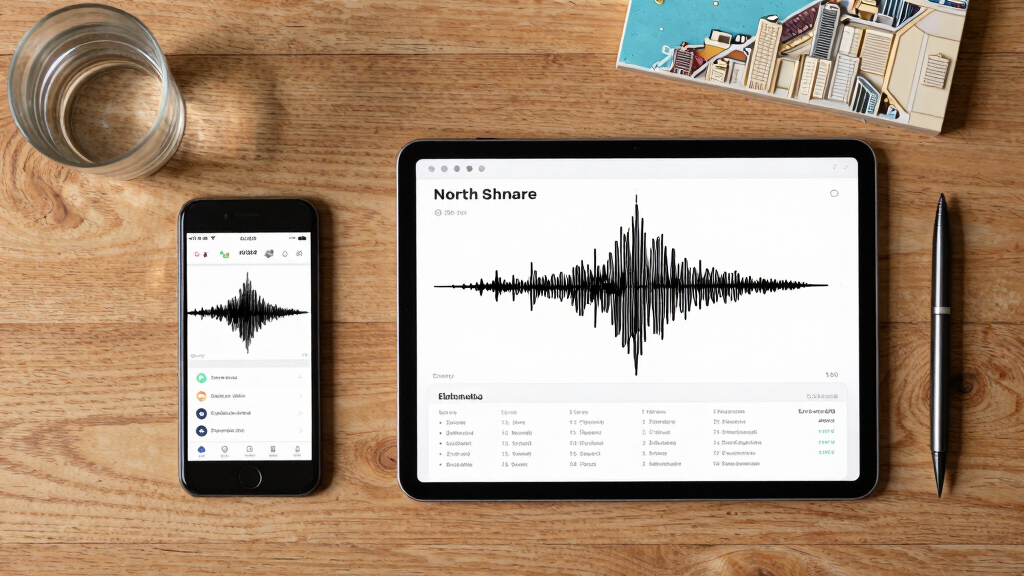
The US Geological Survey confirmed a magnitude 2.9 earthquake on Chicago’s North Shore. No injuries or damage reported, but the event raises questions about seismic activity in the region.
The United States Geological Survey (USGS) has confirmed a magnitude 2.9 earthquake occurred on Chicago’s North Shore earlier today. The event was detected at approximately 10:15 a.m. local time and was felt by some residents, although no injuries or damage have been reported. This marks a notable seismic activity in the Chicago area, which is not typically considered seismically active.
The earthquake’s epicenter was located near the northern suburbs of Chicago, according to USGS data. The tremor registered at a magnitude of 2.9 on the Richter scale, a level generally considered minor but capable of being felt by individuals indoors. The USGS stated that the quake’s depth was approximately 5 kilometers beneath the surface, indicating a shallow event that can sometimes be more perceptible.
Local authorities and emergency services in the region have reported no immediate signs of structural damage or injuries. Residents took to social media to describe feeling the tremor, with some noting a brief shaking sensation. Seismologists say such events are uncommon in the Chicago area, which lies far from major fault lines like the San Andreas Fault in California.
Why the Chicago Earthquake Matters for Regional Seismic Monitoring
This earthquake’s occurrence is significant because it indicates that seismic activity can happen in the Chicago area, which is not typically associated with frequent earthquakes. While the magnitude was low, the event raises questions about the region’s underlying geological stability and the potential for future seismic events.
Experts emphasize that even minor tremors can serve as indicators of underlying fault movements or stress accumulation in the Earth’s crust. Local authorities and scientists are now likely to monitor the region more closely for signs of increased seismic activity, which could influence building codes and preparedness measures in the future.
As an affiliate, we earn on qualifying purchases.
Historical and Regional Context of Chicago’s Seismic Activity
Chicago and its surrounding areas are generally considered seismically stable, with rare reports of minor earthquakes. Most seismic activity in the Midwest is related to ancient fault lines and distant tectonic stresses, making such events infrequent and usually low in magnitude.
Historically, the region has experienced occasional minor tremors, with the most notable being a magnitude 4.3 quake in 1968 near Illinois. Recent monitoring by USGS and local seismologists has shown a slight uptick in seismic signals, though no significant events have occurred in decades.
This latest event, while minor, is part of a broader pattern of sporadic seismic activity in the Midwest, which remains an area of scientific interest for understanding regional fault systems and stress distribution.
“While this earthquake was minor, it highlights the importance of regional seismic monitoring and preparedness. Even low-magnitude events can provide valuable data about crustal stress in the area.”
— Dr. Lisa Martinez, Seismologist at USGS
As an affiliate, we earn on qualifying purchases.
Unanswered Questions About Future Seismic Risks in Chicago
It is still unclear whether this earthquake signifies increased seismic activity in the region or is an isolated event. Scientists are monitoring for any signs of aftershocks or related faults becoming active, but no definitive patterns have been established yet.
Experts caution that predicting future earthquakes remains challenging, especially in areas with low historical activity, and more data is needed to assess long-term risks.
As an affiliate, we earn on qualifying purchases.
Next Steps for Monitoring and Regional Seismic Safety
USGS and local authorities will continue to monitor seismic activity in the Chicago area closely. Additional sensors and data collection efforts are expected to determine if this event is part of a larger pattern.
Scientists may also review regional fault models and update seismic risk assessments accordingly. Residents and businesses are advised to review emergency preparedness plans, even though the current risk remains low.
As an affiliate, we earn on qualifying purchases.
Key Questions
Was there any damage caused by the earthquake?
No, there have been no reports of damage or injuries following the magnitude 2.9 tremor on Chicago’s North Shore.
How common are earthquakes in the Chicago area?
Earthquakes are rare in Chicago, with most seismic activity being minor and infrequent. The region is not located near major fault lines.
Should residents be concerned about future earthquakes?
While this event is notable, the overall risk of a major earthquake in Chicago remains low. However, residents should stay informed and prepared for any emergency scenarios.
What is the significance of this earthquake for regional safety?
This event highlights the need for ongoing seismic monitoring and preparedness, even in areas considered seismically stable.
Source: google-trends
Halloween Picks
halloween
As an affiliate, we earn on qualifying purchases.