TL;DR

Get school and study supplies delivered free — and shop member deals
- Fast, free delivery on millions of items
- Access to Prime Big Deal Days deals on October 6–7
- Prime Video, Amazon Music and more included
Mallorca will witness a total solar eclipse on August 12, 2026, with local authorities preparing for increased tourism. The event is confirmed by astronomical experts and will be visible across the island.
Mallorca will experience a total solar eclipse on August 12, 2026, according to astronomical forecasts. The event will be visible across the entire island, attracting both local residents and international visitors. This eclipse is a rare celestial phenomenon that has generated significant interest among the public and authorities alike.
The upcoming total solar eclipse is confirmed by astronomers from the Mallorca Observatory and international space agencies. Experts state that the eclipse will reach its peak around midday local time, with the moon completely covering the sun for approximately two minutes. Local authorities have begun preparations, including increased safety measures and public information campaigns, to accommodate the expected influx of visitors.
According to Dr. Laura Fernández, an astronomer at the Mallorca Observatory, “This eclipse is a rare opportunity for residents and tourists to witness a spectacular celestial event. We advise viewers to use proper eye protection during the partial phases.” The event’s visibility depends on clear weather conditions, which are generally favorable for August in Mallorca, but cloud cover remains a possible factor.
Why the 2026 Mallorca Solar Eclipse Matters
This eclipse is significant because it offers a rare astronomical event visible from Mallorca, which can boost local tourism and scientific interest. Such events often attract large crowds, providing economic benefits for local businesses. Additionally, it offers educational opportunities for schools and science enthusiasts to engage with astronomy firsthand.
Experts highlight that observing a total solar eclipse safely can inspire greater public interest in space sciences. The event’s confirmation by reputable astronomical institutions underscores its authenticity and importance for scientific outreach.
As an affiliate, we earn on qualifying purchases.
Historical and Scientific Context of Solar Eclipses in Mallorca
Solar eclipses are infrequent events visible from specific locations on Earth. Mallorca has experienced partial eclipses in the past, but total eclipses are rare and highly anticipated by astronomers and the public. The last total eclipse visible from the region occurred in 1999, but it was partial and less spectacular.
Scientists have been tracking the path of the 2026 eclipse for years, with predictions confirming that Mallorca will be within the path of totality. The event aligns with similar occurrences across Europe and North Africa, making it a significant astronomical milestone for the region.
“This eclipse is a rare opportunity for residents and tourists to witness a spectacular celestial event. We advise viewers to use proper eye protection during the partial phases.”
— Dr. Laura Fernández, Mallorca Observatory
As an affiliate, we earn on qualifying purchases.
Weather Conditions and Public Safety During the Eclipse
While the eclipse is confirmed for August 12, 2026, weather conditions remain uncertain. Cloud cover could obstruct visibility, and safety measures for viewing the eclipse are still being finalized. It is also unclear how local authorities will manage the influx of visitors on the day.
Experts advise that weather forecasts closer to the date will provide more accurate predictions, but the possibility of cloudy weather remains a concern.
As an affiliate, we earn on qualifying purchases.
Preparations and Public Engagement Before the Event
In the coming months, authorities and astronomers will intensify public information campaigns, including safety guidelines and viewing locations. Local officials are also coordinating with transportation and emergency services to handle increased visitor numbers. A series of educational events and live broadcasts are planned to maximize public engagement.
Further updates on weather forecasts and safety protocols are expected as the date approaches, ensuring residents and visitors are well-prepared for the eclipse.
As an affiliate, we earn on qualifying purchases.
Key Questions
When exactly will the total solar eclipse occur in Mallorca?
The eclipse is expected to reach its peak around midday local time on August 12, 2026, with totality lasting approximately two minutes.
How can I view the eclipse safely?
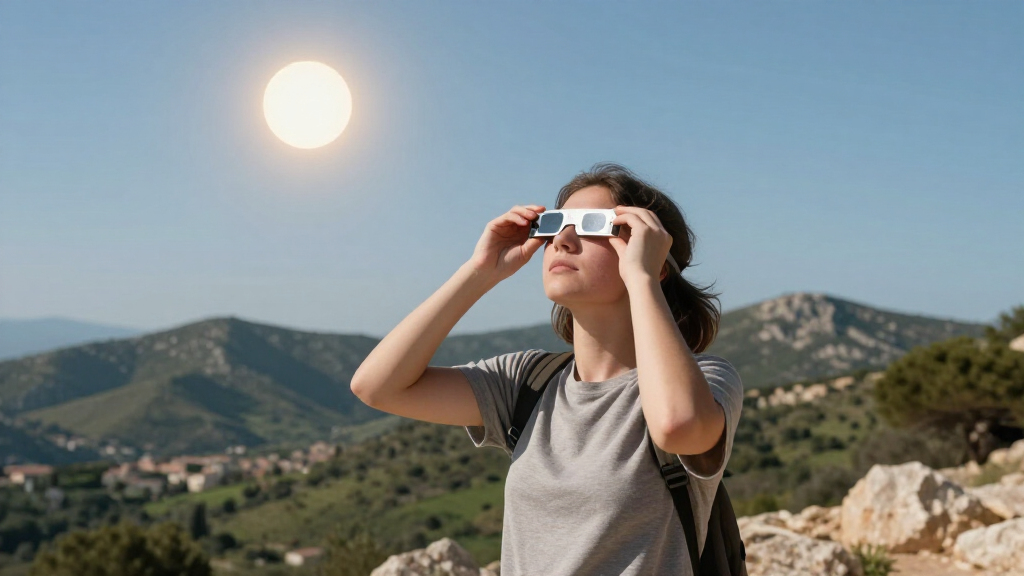
Use certified eclipse glasses or viewers during the partial phases. Never look directly at the sun without proper eye protection, especially during the partial eclipse stages.
Will the weather be clear enough to see the eclipse?
Weather conditions in August are generally favorable, but cloud cover could obstruct visibility. Closer to the date, updated forecasts will provide more precise predictions.
How many people are expected to visit Mallorca for the eclipse?
Officials estimate that thousands of visitors will travel to Mallorca to witness the event, boosting local tourism and related industries.
What educational activities are planned around the eclipse?
Local schools and science centers plan to hold viewing events, workshops, and live broadcasts to educate the public about the eclipse and astronomy.
Source: google-trends
Fall Picks
fall essentials
As an affiliate, we earn on qualifying purchases.






![Competitive Programmer's Handbook (2018) [Pdf]](https://varietychem.com/wp-content/uploads/2026/10/competitive-programmer-s-handbook-2018-pdf-featured-260x140.jpg)