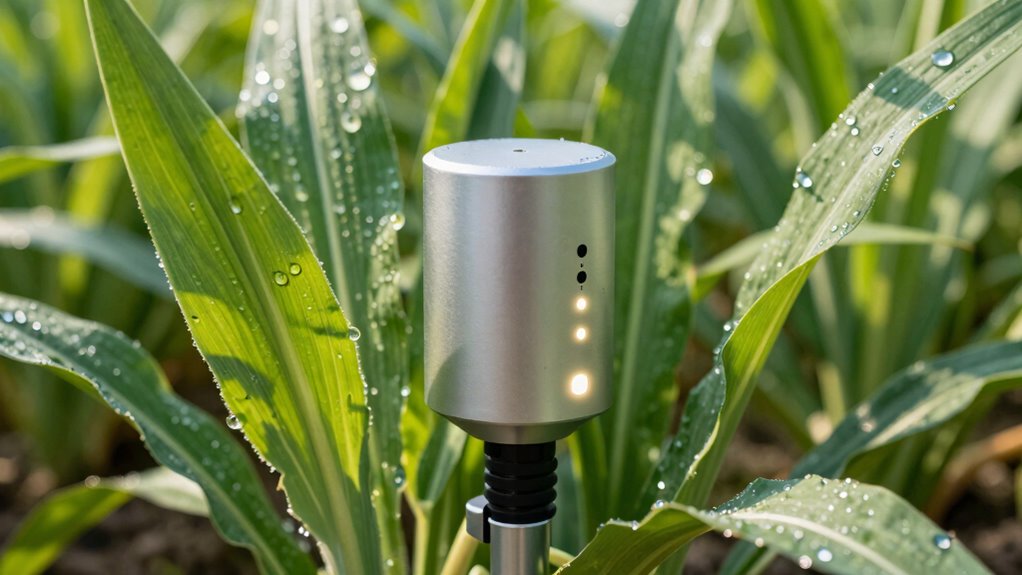
Yes, you can measure nitrogen efficiency in real time using advanced sensors and digital tools. These sensors monitor soil microbial activity and plant nitrogen uptake continuously, providing immediate data on nutrient cycling and plant health. This helps you adjust fertilization quickly and avoid over-application, reducing environmental impact. By tracking these processes, you gain a clearer picture of nitrogen use. If you want to discover more about this innovative approach, keep exploring how technology’s transforming agriculture.
Key Takeaways
- Yes, sensors can monitor soil microbial activity and plant nitrogen uptake in real time.
- Real-time data from sensors helps track nitrogen mineralization and availability dynamically.
- Combining soil microbial and plant data enables immediate assessment of nitrogen use efficiency.
- Advances in sensor technology allow for prompt adjustments in fertilization practices.
- Real-time measurement supports precise, environmentally friendly nitrogen management strategies.
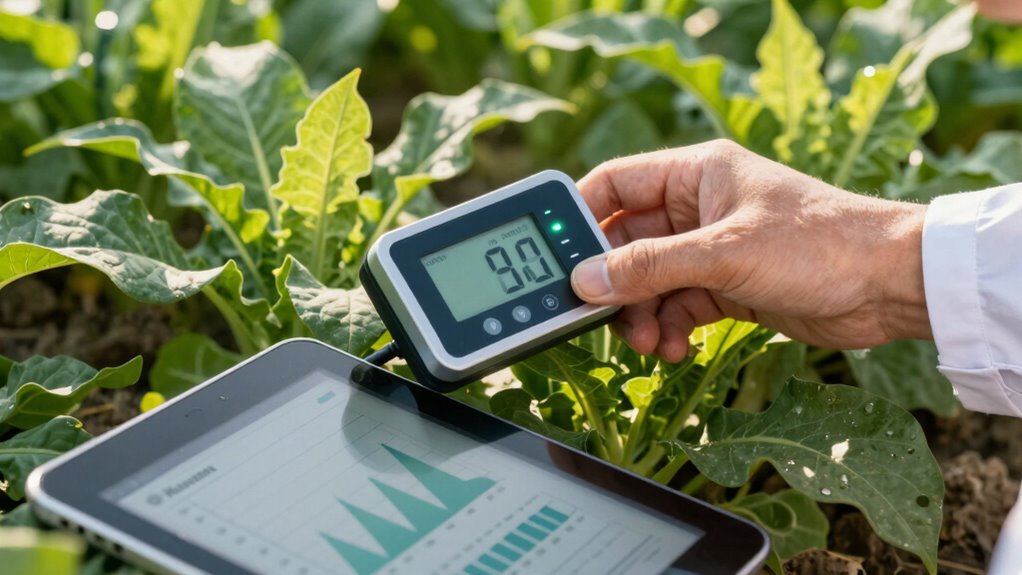
How can you accurately assess how effectively plants use nitrogen? To do this, you need to understand the intricate interactions between soil microbial activity and plant uptake processes. Soil microbial communities play an essential role in nitrogen cycling, transforming organic nitrogen into forms that plants can absorb. By monitoring these microbial activities, you can gauge how efficiently nitrogen is being processed and made available to plants. For instance, resale value of equipment can influence the cost-effectiveness of implementing advanced monitoring tools. Additionally, understanding the soil microbial community structure can help predict nitrogen transformation rates more accurately. These microbial processes are influenced by various factors, including soil health and management practices. Soil microbial activity is also affected by environmental conditions such as temperature and moisture, which can alter nitrogen availability. Simultaneously, observing plant uptake involves measuring how much nitrogen the plants absorb from the soil over time. Combining these insights gives you a clearer picture of nitrogen efficiency in your system.
Monitoring soil microbes and plant uptake reveals how efficiently nitrogen is being processed and utilized.
Advances in technology now make it possible to measure nitrogen efficiency in near real-time, primarily through soil sensors and plant monitoring tools. Soil microbial activity can be tracked using sensors that detect changes in soil chemistry, such as ammonium or nitrate levels, which reflect microbial transformation processes. These sensors provide continuous data, allowing you to see fluctuations in nitrogen availability driven by microbial activity. When microbial activity increases, it often means nitrogen is being mineralized and made accessible to the plant roots. Conversely, a drop might indicate microbial consumption or other soil processes reducing nitrogen availability. This sensor technology is rapidly advancing, making real-time monitoring more accessible and accurate.
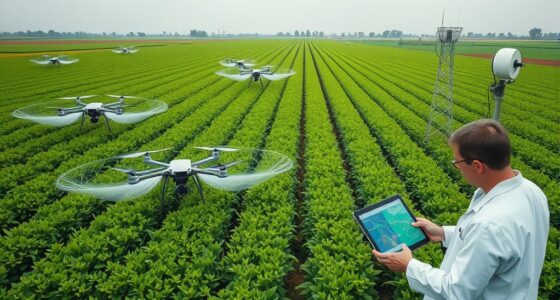
For plant uptake, specialized sensors can measure nutrient concentrations within plant tissues or detect changes in plant health and growth patterns. Infrared and multispectral imaging technologies give you visual cues about plant vigor and nitrogen status without destructive sampling. When combined with soil data, these tools provide an in-depth view of how well your plants are absorbing nitrogen in real time. Additionally, integrating soil microbial activity data with plant health measurements can enhance your ability to predict and manage nutrient dynamics more effectively.
By integrating soil microbial monitoring with plant uptake measurements, you can make more informed decisions about fertilization and soil management. If sensors show high microbial activity but low plant uptake, it might suggest nitrogen is being lost through leaching or denitrification. Conversely, if both microbial activity and plant uptake are high, your plants are likely using nitrogen efficiently. This real-time feedback enables you to optimize fertilizer application, reduce waste, and improve overall crop productivity.
While measuring nitrogen efficiency in real time involves some upfront investment in sensors and technology, it offers significant benefits. You gain the ability to respond promptly to changing soil and plant conditions, reducing over-application of fertilizers and minimizing environmental impacts. Ultimately, understanding and monitoring soil microbial activity alongside plant uptake provides you with a dynamic, precise approach to managing nitrogen, ensuring your crops receive what they need when they need it.

7 in 1 Soil Tester, Nitrogen Phosphorus Potassium NPK Tester, Handheld Soil PH Meter Kit, Temperature, Conductivity, Moisture, EC Meter for Petrochemical, Agriculture – Yellow
【7 IN 1 MULTIFUNCTIONAL SOIL TESTER】: Discover the power of our 7 in 1 Fast Soil Tester, which…
As an affiliate, we earn on qualifying purchases.
As an affiliate, we earn on qualifying purchases.
Frequently Asked Questions
How Accurate Are Real-Time Nitrogen Efficiency Sensors?
Real-time nitrogen efficiency sensors are quite accurate when properly calibrated, but their precision can vary depending on soil conditions and sensor quality. You should regularly calibrate sensors to account for changes in the soil microbiome that affect nitrogen dynamics. These sensors provide valuable immediate data, helping you optimize fertilizer application and improve efficiency. However, understanding their limitations and maintaining proper calibration guarantees you get the most reliable, real-time insights.
What Environmental Factors Affect Real-Time Nitrogen Measurements?
Environmental factors like soil pH and weather variability considerably influence real-time nitrogen measurements. Soil pH affects nitrogen availability and sensor accuracy, while weather changes—such as rainfall, temperature, and sunlight—alter nitrogen levels and sensor performance. You need to take into account these factors, as they can cause fluctuations and affect the reliability of real-time data, making it essential to adjust measurements or calibrate sensors regularly for precise nitrogen efficiency assessments.
Can Real-Time Nitrogen Data Predict Future Crop Yields?
Imagine you’re using real-time nitrogen data sensors on your farm. By closely monitoring soil health and ensuring sensor calibration, you can better predict future crop yields. These measurements help you identify nutrient deficiencies early, allowing timely adjustments. While not perfect, consistent real-time data provides valuable insights into how your crops will perform, giving you a proactive approach to optimize yields and maintain healthy soil conditions.
Are There Cost-Effective Options for Small-Scale Farmers?
Yes, there are cost-effective options for small-scale farmers. You can use simple soil microbiome tests or DIY sensors to monitor nitrogen levels, helping with fertilizer optimization. These tools help you understand your soil’s health and adjust fertilizer use accordingly, reducing waste and costs. Focus on affordable, easy-to-use kits or community resources that support real-time soil monitoring, making nitrogen efficiency tracking accessible and practical for small farms.
How Frequently Should Nitrogen Efficiency Be Monitored?
You should monitor nitrogen efficiency regularly, ideally every few days or weekly, depending on crop growth and soil conditions. Use soil nutrient sensors that require proper calibration to make certain accurate readings. Frequent monitoring helps you catch nutrient imbalances early, optimize fertilizer application, and improve efficiency. Keep in mind that sensor calibration is essential for reliable data, so recalibrate sensors periodically to maintain accuracy and make informed decisions about your soil nutrient management.
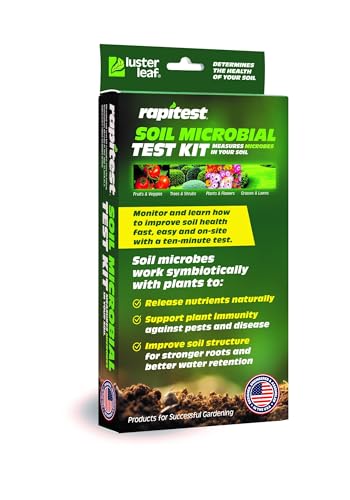
Rapitest® Soil Microbial Test Kit. Improve Soil Health and Activity. for use Along with Soil Conditioners/Activators/Nutrients. Designed, Engineered and Assembled in the USA.
Learn: Find out and understand whether your soil is truly healthy, active and self-sustaining for optimal growing
As an affiliate, we earn on qualifying purchases.
As an affiliate, we earn on qualifying purchases.
Conclusion
Imagine revealing real-time insights into nitrogen efficiency—what could that mean for your crops and the environment? As technology advances, the possibility becomes closer than ever. But the question remains: will this breakthrough truly transform farming practices before it’s too late? Stay tuned, because the next breakthrough could change everything you thought you knew about sustainable agriculture. The future of nitrogen management is on the horizon—are you ready to be part of it?

TPS NUTRIENTS N-Primer Nitrogen Supplement for Fast Vegetative Growth, Promotes Dark Green Leaves 8 oz (250mL)
Supports Green Foliage & Growth – Helps encourage lush leaves and steady plant growth.
As an affiliate, we earn on qualifying purchases.
As an affiliate, we earn on qualifying purchases.

Chlorophyll Meter, Nitrogen Meter – Plant Nutrition Tester with 0.0-99.9 SPAD Measurement, Leaf Temperature & Humidity, Portable, Data Storage & PC Software for Agriculture and Research
Maximize Fertilization Efficiency: Optimize fertilization strategies with precise chlorophyll (0.0-99.9 SPAD) and nitrogen content (0.0-99.9 mg/g) measurements. Streamline…
As an affiliate, we earn on qualifying purchases.
As an affiliate, we earn on qualifying purchases.