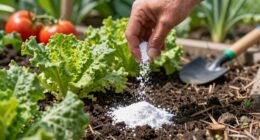
The cost of sulfate of potash rises mainly due to high production expenses, including energy costs and environmental regulations that require costly mining and manufacturing practices. Supply chain disruptions, political instability, and weather events can limit availability, pushing prices higher. Market demand also plays a role, especially during peak planting seasons or in expanding markets. If you want to understand how these factors interconnect and impact prices, keep exploring the details.
Key Takeaways
- Environmental regulations increase production costs due to stricter mining and processing requirements.
- Limited supply in key producing regions causes supply constraints, driving up prices.
- Rising energy costs for extraction and manufacturing raise overall sulfate of potash prices.
- Geopolitical instability and logistical challenges disrupt supply chains, leading to higher market prices.
- Technological and sustainable practices require significant investment, increasing production expenses.
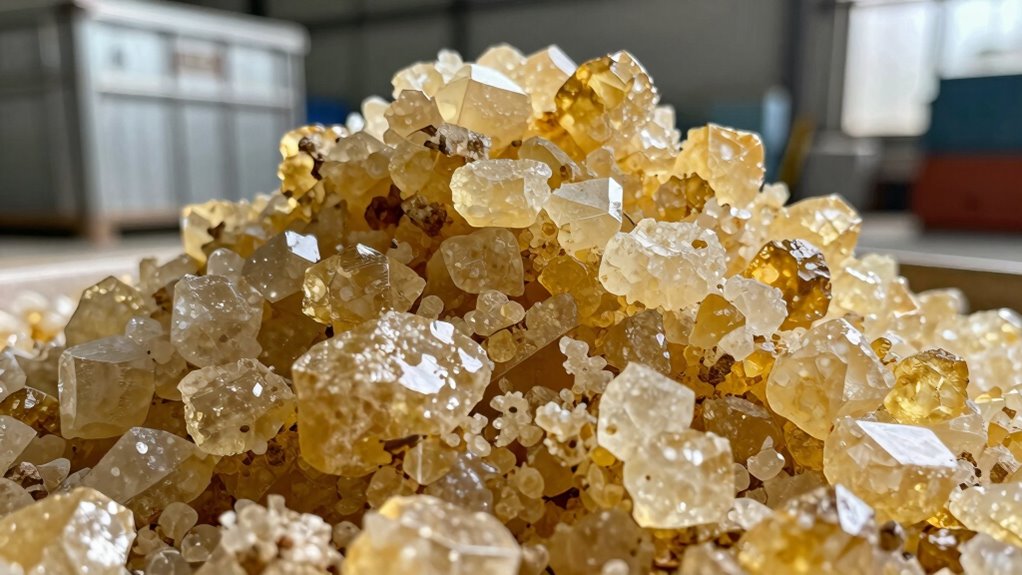
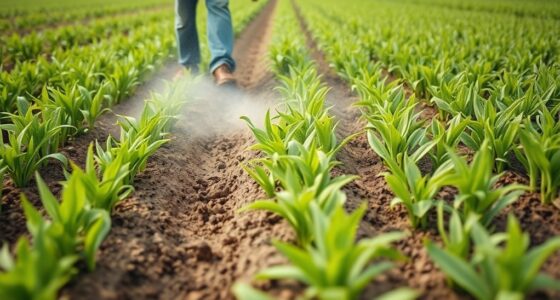
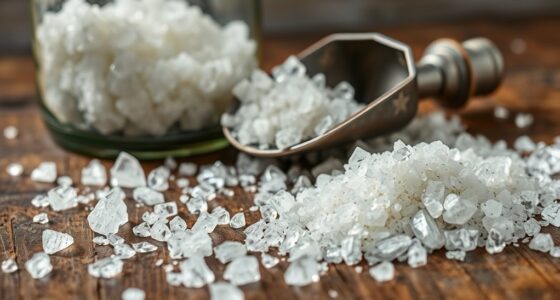
Sulfate of potash prices have been experiencing notable fluctuations recently, driven by changing supply and demand dynamics in the global agricultural market. You might wonder why the cost of this essential fertilizer varies so much and what factors influence its price. One key reason is the environmental impact associated with its production and use. Sulfate of potash is primarily derived from natural mineral deposits or produced through complex chemical processes that can have considerable environmental footprints. The extraction process often involves open-pit mining, which disturbs land and ecosystems, leading to habitat loss and water pollution. Additionally, the chemical manufacturing methods can generate waste and greenhouse gases. As environmental regulations tighten worldwide, producers face increased costs to meet sustainability standards, and these costs are often passed on to buyers, making sulfate of potash more expensive. Proper environmental management practices are crucial to mitigate these impacts and control costs. Market demand also plays an integral role in pricing. When global agricultural needs surge—such as during planting seasons or in regions experiencing high crop yields—the demand for sulfate of potash climbs. Farmers rely heavily on this potassium-rich fertilizer to improve crop quality and yield, so any shift in planting patterns or crop types can greatly influence demand. If demand outpaces supply, prices naturally go up. Conversely, when demand drops or alternative fertilizers become more attractive, prices tend to fall. The geographic distribution of demand also matters. Growing markets in developing countries, where agriculture is expanding rapidly, tend to push prices higher due to increased competition and limited local supply. Furthermore, production costs are affected by technological advancements and resource availability, which can either lower or raise the final price. The impact of technological innovation can significantly influence the efficiency of extraction and processing methods. Supply chain disruptions can further elevate prices. Political instability in key producing regions, logistical challenges, or weather-related events can reduce the availability of sulfate of potash. When supply tightens, the market reacts with higher prices, especially if demand remains stable or increases. You should also consider that production costs, influenced by energy prices and mining expenses, directly impact the final price. When energy costs spike, particularly for electricity and fuel used in mining and processing, producers often pass those costs along to consumers, pushing prices upward. Moreover, the cost of energy is a significant factor since it affects both extraction and manufacturing processes, further driving up prices. Additionally, technological improvements in mining and processing can sometimes reduce costs, but implementing new methods often requires significant upfront investment. In essence, the more environmentally conscious production processes, combined with fluctuating market demand and supply constraints, create a scenario where sulfate of potash becomes more expensive. As a user, understanding these factors helps you grasp why prices can be volatile and why investments in sustainable mining and efficient supply chains are vital for stabilizing costs in the long run.
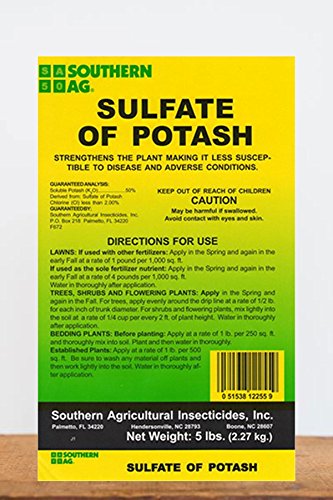
Southern Ag Sulfate of Potash 0-0-50, 5 LB Size: 5 LB
Strengthens turfgrass and ornamental plants, making them less susceptible to disease & adverse conditions such as winter
As an affiliate, we earn on qualifying purchases.
As an affiliate, we earn on qualifying purchases.
Frequently Asked Questions
How Does Sulfate of Potash Compare to Other Potassium Fertilizers?
Sulfate of potash offers a more soluble, plant-friendly potassium source compared to other fertilizers like muriate of potash. You’ll notice its lower chloride content benefits sensitive crops. However, its higher production challenges and limited supply impact the economic landscape, making it more expensive. This cost reflects the complex extraction process and lower yield, influencing your decision to choose sulfate of potash despite the higher price for its purity and environmental benefits.
What Environmental Factors Influence Sulfate of Potash Prices?
Environmental regulations and water scarcity considerably influence sulfate of potash prices. Stricter environmental rules increase production costs, raising prices. Water scarcity impacts mining operations, limiting output and driving up costs. When freshwater resources are limited, extracting sulfate of potash becomes more challenging and expensive. You’ll notice these factors make sulfate of potash more costly compared to other fertilizers, as producers navigate stricter regulations and resource shortages to meet demand.
Are There Regional Differences in Sulfate of Potash Costs?
Think of sulfate of potash costs like a game of tug-of-war; regional production and import tariffs pull prices in different directions. In places with abundant local production, costs tend to be lower because transportation and import tariffs are minimized. Conversely, regions relying on imports face higher expenses due to tariffs and shipping. For instance, North America’s domestic production helps keep prices more stable compared to regions heavily dependent on imports.
How Do Supply Chain Disruptions Affect Sulfate of Potash Pricing?
Supply chain disruptions, like logistics delays and geopolitical risks, directly impact sulfate of potash pricing. When shipments are delayed or geopolitical tensions rise, transportation becomes more expensive and uncertain. These disruptions cause supply shortages, which push prices higher. As a buyer, you’ll notice increased costs because companies face higher shipping fees and risks, passing those costs along. Maintaining stable supply chains is essential to controlling sulfate of potash prices amid these challenges.
What Are the Future Market Trends for Sulfate of Potash?
You’ll see sulfate of potash market demand grow at a compound annual rate of around 5% over the next decade, driven by sustainable farming trends. Technological advancements in fertilizer application and precision agriculture are likely to boost efficiency, impacting prices. As renewable energy sources become more prevalent, production costs may decrease, but increasing global demand and innovation will keep sulfate of potash a crucial, yet potentially more expensive, fertilizer choice.

Muriate of Potash 0-0-60 Fertilizer Made in USA – MOP Potassium Plant Food for Indoor/Outdoor Plants, Flower Gardens, Fruit and Vegetable Gardens, Holistic Herbs, Trees and Green Lawns!
PREMIUM QUALITY INGREDIENTS – Cz Garden Muriate of Potash is a water soluble, high purity, premium phosphate fertilizer…
As an affiliate, we earn on qualifying purchases.
As an affiliate, we earn on qualifying purchases.
Conclusion
So, now you see that sulfate of potash’s higher price isn’t just a fluke. Factors like production costs, supply chain issues, and its specialized use in agriculture all play a part. When you’re weighing options, remember it’s not just about the sticker price—quality and demand matter too. Don’t put all your eggs in one basket; sometimes, paying more upfront means better results down the line. Better safe than sorry, right?

Reading Fertilizer Supply Chains in Practice
As an affiliate, we earn on qualifying purchases.
As an affiliate, we earn on qualifying purchases.
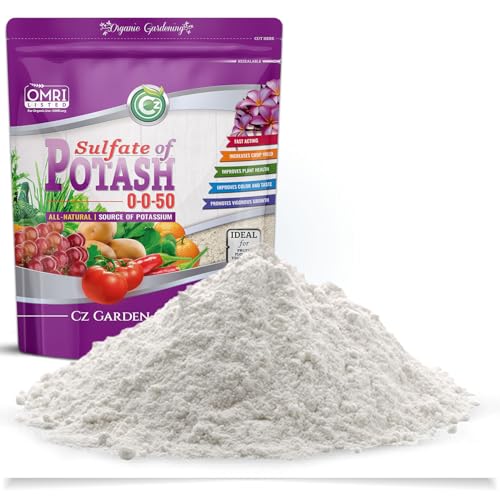
Organic Sulfate of Potash 0-0-50 Made in USA – Water Soluble SOP Potassium Plant Food for Plants & Flower Gardens – 3LB Low Chlorine Fertilizer. Enhances Color & Taste! OMRI Listed
OMRI Listed – Cz Sulfate of Potash is an All-Natural mineral fertilizer listed by the Organic Materials Review…
As an affiliate, we earn on qualifying purchases.
As an affiliate, we earn on qualifying purchases.