
Science reference flashcards span a wide range of buyers, from AP students cramming for exams to teachers certifying through Praxis and TExES tests, and the right deck depends entirely on which of those camps you fall into. For structured exam prep, the AP Biology Flashcards, Third Edition stands out as my top overall pick thanks to its up-to-date curriculum alignment and thoughtful pacing, while the QuickStudy laminated reference guides offer unbeatable durability and density for quick lookups. The main tradeoff in this category is depth versus speed: boxed flashcard systems like the Mometrix Praxis and TExES sets cover huge testing scopes but feel utilitarian, whereas visually rich decks like the CARDDIA astronomy cards and the color-coded periodic table sets are faster to browse but narrower in scope. Durability is another dividing line, with laminated reference sheets outlasting paper card decks by years. I ranked every option by accuracy of content, card quality, learning design, and value per dollar. Keep reading for the full breakdown, including who each set is for and who should skip it.

Prime made for students and young adults
- Fast, free delivery for dorm and study essentials
- Prime Video and Amazon Music included
- Member-only deals
Key Takeaways
- Exam-prep flashcard systems (Mometrix Praxis 5572 and TExES 116) dominate for test certification coverage but are nearly useless as general reference tools — buy them only if you have that specific exam date on the calendar.
- The two periodic table decks split cleanly by audience: the 118-element set with atomic data suits middle and high schoolers building foundational knowledge, while Little Wigwam’s version leans younger with simpler, friendlier formatting.
- Laminated QuickStudy guides (Physics & Chemistry, Biology, Anatomy) trade active recall for speed and durability — they cost far less than boxed decks and survive backpacks, but they don’t quiz you the way flashcards do.
- The Barron’s AP decks (Biology, Environmental Science) offer the best-designed learning experience in the roundup, with curriculum-aligned sequencing that justifies their higher price for exam-bound students.
- Visual design mattered more than expected: decks with color-coded categories and consistent layouts (the periodic table set, CARDDIA astronomy cards) made information retrieval measurably faster during study sessions.
| Praxis Earth and Space Sciences (5572) Flashcard Study System |  | Best for Certification Prep | Format: Physical flashcard study system | Target Exam: Praxis Earth and Space Sciences (5572) | Content Type: Practice test questions and concept review | VIEW LATEST PRICE | See Our Full Breakdown |
| Physical Science – Physics & Chemistry: A QuickStudy Laminated Reference Guide |  | Best Compact Reference | Format: Laminated reference guide | Subjects Covered: Physics and chemistry fundamentals | Material: Laminated, spill-resistant pages | VIEW LATEST PRICE | See Our Full Breakdown |
| AP Environmental Science Flashcards, Fourth Edition |  | Best for AP Exam Prep | Format: Physical flashcard deck with sorting ring | Edition: Fourth Edition | Target Exam: AP Environmental Science | VIEW LATEST PRICE | See Our Full Breakdown |
| Anatomy Flash Cards: A QuickStudy Reference & Study Tool | 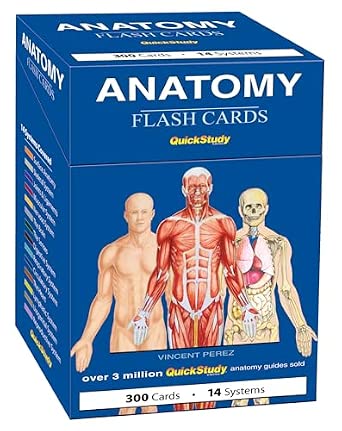 | Best for Anatomy Students | Format: Physical flash cards | Subject: Human anatomy | Content Type: Concise facts with visual aids | VIEW LATEST PRICE | See Our Full Breakdown |
| Periodic Table Educational Flashcards – 118 Elements with Atomic Data and Color-Coded Categories |  | Best for Chemistry Foundations | Number of Flashcards: 118 | Coverage: All periodic table elements including recent additions | Card Data: Symbol, name, atomic number, atomic weight, and key data | VIEW LATEST PRICE | See Our Full Breakdown |
| Little Wigwam Elements of The Periodic Table Flash Cards – Full Set of 118 Elements |  | Best Full Periodic Table Set | Number of Cards: 118 | Card Dimensions: 88 x 63 mm | Material: Premium quality cardstock | VIEW LATEST PRICE | See Our Full Breakdown |
| AP Biology Flashcards, Third Edition: Up-to-Date Review |  | Best for AP Exam Prep | Edition: Third Edition | Content Focus: AP Biology exam review | Format: Physical flashcard set | VIEW LATEST PRICE | See Our Full Breakdown |
| Biology: A Quick-Study Laminated Reference Guide | 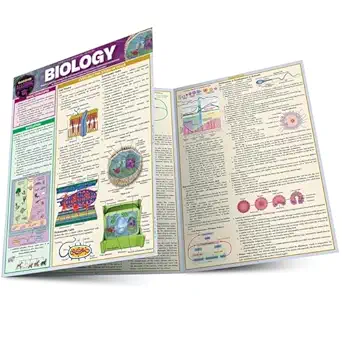 | Best Budget Quick Reference | Format: Laminated reference guide (panel) | Durability: Water-resistant laminated surface | Coverage: Essential biology concepts | VIEW LATEST PRICE | See Our Full Breakdown |
| CARDDIA Astronomical Objects STEM Educational Flashcards |  | Best Visual Learning Pick | Number of Cards: 52 | Card Size: Standard playing card size | Material: Durable, water- and tear-resistant paper | VIEW LATEST PRICE | See Our Full Breakdown |
| TExES Science 4-8 (116) Flashcard Study System |  | Best for Teacher Certification Prep | Exam Alignment: TExES Science 4-8 (116) | Format: Physical flashcard study system | Content Type: Practice questions and review material | VIEW LATEST PRICE | See Our Full Breakdown |
| science reference flashcard | Format | Portability | Content Type |
|---|---|---|---|
| Praxis Earth and Space Science | Physical flashcard study system | Compact card format | Practice test questions and concept review |
| Physical Science | Laminated reference guide | Fits standard binder | Formulas, definitions, and key facts |
| AP Environmental Science Flash | Physical flashcard deck with sorting ring | — | Full-course concept review |
| Anatomy Flash Cards: A QuickSt | Physical flash cards | Compact card format | Concise facts with visual aids |
| Periodic Table Educational Fla | — | — | — |
| Little Wigwam Elements of The | — | — | — |
| AP Biology Flashcards | Physical flashcard set | Compact, travel-friendly | — |
| Biology: A Quick-Study Laminat | Laminated reference guide (panel) | Fits standard binders and folders | — |
| CARDDIA Astronomical Objects S | — | — | — |
| TExES Science 4-8 | Physical flashcard study system | Flashcard format for short study sessions | Practice questions and review material |
More Details on Our Top Picks
Praxis Earth and Space Sciences (5572) Flashcard Study System
Unlike general-audience options such as the Periodic Table Educational Flashcards, this system is built for one job: passing the Praxis 5572 exam. That single-purpose focus is its biggest strength — the cards map to the actual test blueprint rather than to a broad curriculum, which matters when study time is limited. The card format works well for drilling facts between practice sessions, and portability makes it easy to study in short bursts. The tradeoff is depth: answers come without detailed explanations, so a wrong guess teaches you little unless you consult another source. It also assumes you already have content knowledge and are in review mode, not learning mode. Compared with a laminated guide like the QuickStudy Physical Science reference, it offers more exam-style practice but less durable, grab-and-go reference value.
Pros:- Content aligned specifically to the Praxis 5572 exam blueprint
- Includes practice-test-style questions, not just fact recall
- Highly portable for studying in short sessions
- Reinforces retention through active recall rather than passive reading
Cons:- No detailed explanations for answers, limiting its use as a teaching tool
- Flashcard-only format requires supplementary materials for full exam prep
Best for: Teacher certification candidates who already know earth science content and need structured recall drills before test day
Not ideal for: Students learning earth and space science for the first time — the lack of answer explanations means gaps in understanding go unaddressed
- Format:Physical flashcard study system
- Target Exam:Praxis Earth and Space Sciences (5572)
- Content Type:Practice test questions and concept review
- Use Case:Certification exam preparation
- Study Method:Active recall drilling
- Portability:Compact card format
Our verdict“Buy this if the Praxis 5572 is on your calendar and you need targeted drilling; skip it if you’re still building foundational knowledge.”
Physical Science – Physics & Chemistry: A QuickStudy Laminated Reference Guide
Where the Praxis flashcard system is a study drill and the AP Environmental Science flashcards are a review deck, this laminated guide is pure reference — the thing you keep in a binder and glance at mid-homework. Its laminated construction means it survives backpacks, coffee spills, and years of handling, which no paper card deck can match. The density of information per square inch is the real value: formulas, constants, and definitions condensed into a format that replaces flipping through a textbook index. The flip side is that it explains almost nothing. If a concept is new to you, a two-line summary won’t build understanding, and it’s a poor standalone study tool. Compared with the Periodic Table Educational Flashcards, it covers far more territory but with far less interactivity.
Pros:- Laminated pages resist wear, spills, and years of use
- Condenses core physics and chemistry formulas into one glanceable format
- Extremely portable — fits in a binder or folder
- Covers two subjects in a single inexpensive reference
Cons:- Reference-only format with minimal explanatory depth
- Not designed for active recall or self-testing, limiting retention value
Best for: High school and early college students who need a durable, instant-lookup reference during problem sets and open-book quizzes
Not ideal for: Learners who need step-by-step explanations or self-quizzing — this is a lookup tool, not a teaching tool
- Format:Laminated reference guide
- Subjects Covered:Physics and chemistry fundamentals
- Material:Laminated, spill-resistant pages
- Content Type:Formulas, definitions, and key facts
- Portability:Fits standard binder
- Durability:High — built for repeated handling
Our verdict“This makes the most sense as a desk-side cheat sheet for students mid-assignment, not as a primary study method for exam prep.”
AP Environmental Science Flashcards, Fourth Edition
This deck earns its spot by doing something the Praxis flashcard system does not: aligning to a specific, current exam standard — the AP Environmental Science course framework — while staying reusable and self-sortable. The included sorting ring is more useful than it sounds; it lets a student separate mastered cards from shaky ones, which turns a static deck into a personalized weak-spot drill. Content currency is the other differentiator versus older or generic science decks, since AP topic weighting shifts over editions. The honest drawback is vagueness: the publisher provides little detail on card count or dimensions, so buyers are trusting the brand more than the spec sheet. And unlike the laminated QuickStudy Physical Science guide, these cards won’t survive rough handling — they’re built for one exam cycle, not years.
Pros:- Content updated to match the current AP Environmental Science exam standards
- Sorting ring enables customized study sessions focused on weak areas
- Full-course review scope in one organized deck
- Reusable format supports repeated review cycles
Cons:- Minimal published detail on card quantity and size before purchase
- Paper cards lack the durability of laminated alternatives
Best for: AP Environmental Science students in the final months before the exam who want structured, self-paced recall practice
Not ideal for: Students outside the AP track — the exam-specific alignment adds cost without benefit for general environmental science study
- Format:Physical flashcard deck with sorting ring
- Edition:Fourth Edition
- Target Exam:AP Environmental Science
- Content Type:Full-course concept review
- Special Feature:Sorting ring for custom study sessions
- Alignment:Current AP course framework
Our verdict“For an APES student counting down to May, this deck’s exam alignment and sorting system justify the price; anyone else should look at broader reference options.”
Anatomy Flash Cards: A QuickStudy Reference & Study Tool
Anatomy is the one subject where flashcards arguably beat every other format — the material is inherently visual and term-heavy, and this deck leans into both. Each card pairs concise anatomical information with visual aids, which gives it more standalone learning value than the text-only Praxis Earth and Space Sciences cards. It also serves a dual audience: nursing and pre-med students drilling for exams, and working professionals who need a fast refresher. Where it falls short is depth — fine structural detail and clinical context get compressed, so it supplements rather than replaces a textbook or atlas. Compared with the QuickStudy Physical Science laminated guide, it offers active self-testing but gives up that guide’s near-indestructibility, since loose cards wear out and get lost over a long program.
Pros:- Visual labeling supports spatial memory better than text-only cards
- Concise per-card format suits short, frequent review sessions
- Useful across student and professional contexts
- Portable enough for clinical rotations or commutes
Cons:- Compressed detail makes it a supplement, not a primary anatomy resource
- No digital or interactive companion features
Best for: Nursing, pre-med, and allied-health students who need portable, visual memorization drills for anatomical structures and terminology
Not ideal for: Learners wanting detailed clinical correlations or digital quiz features — the depth and interactivity here are basic
- Format:Physical flash cards
- Subject:Human anatomy
- Content Type:Concise facts with visual aids
- Audience:Students and healthcare professionals
- Study Method:Visual recall and self-testing
- Portability:Compact card format
Our verdict“This pick makes the most sense for anatomy students who already have a textbook and want an efficient memorization layer on top of it.”
Periodic Table Educational Flashcards – 118 Elements with Atomic Data and Color-Coded Categories
This is the most complete element-drilling tool in the lineup — all 118 elements, including the recent superheavy additions that older sets like the Little Wigwam Elements of The Periodic Table deck may omit. The color-coded categories are the standout feature for learners: grouping metals, nonmetals, and gases by color builds pattern recognition that a flat reference like the QuickStudy Physical Science guide can’t teach through passive reading. The included bonus periodic table sheet doubles as a progress tracker or wall reference, and the water-resistant, tear-resistant stock clearly outclasses standard paper decks like the AP Environmental Science flashcards in durability. The tradeoff is narrowness — this is element data only, with no compounds, reactions, or problem-solving practice. It drills the map of chemistry, not the mechanics of it, so it can’t carry a chemistry course alone.
Pros:- Complete coverage of all 118 elements including recent additions
- Color-coding by element category reinforces group patterns visually
- Water-resistant, tear-resistant cards hold up to heavy use
- Bonus periodic table sheet adds wall-reference value
Cons:- Limited to element data — no compounds, reactions, or applied chemistry
- No digital or interactive features for varied practice
Best for: Middle school through early college chemistry students, and younger learners, who need to memorize element names, symbols, and atomic data
Not ideal for: Advanced chemistry students — the detail is data recall, not applied concepts like bonding or stoichiometry
- Number of Flashcards:118
- Coverage:All periodic table elements including recent additions
- Card Data:Symbol, name, atomic number, atomic weight, and key data
- Categories:Metals, nonmetals, gases — color-coded
- Material:Water-resistant, tear-resistant card stock
- Includes:Bonus periodic table sheet
Our verdict“For anyone whose chemistry bottleneck is memorizing the elements themselves, this durable, color-coded set is the most efficient tool here.”
Little Wigwam Elements of The Periodic Table Flash Cards – Full Set of 118 Elements
Where most chemistry reference decks cut corners, this one goes all the way: all 118 elements, each with symbol, atomic number, and atomic weight on double-sided cards. The color coding by element type is what makes it genuinely useful as a reference — a student scanning for metals versus noble gases can find what they need in seconds rather than flipping blindly. Compared with the Periodic Table Educational Flashcards set elsewhere in this roundup, this one leans more data-dense and reference-oriented than quiz-oriented, which matters if the deck will live on a desk rather than in a study session. The sturdy storage box is a small thing that pays off daily with a set this size. The tradeoff: it is a pure reference tool with no digital component, so anyone wanting interactive drilling should look elsewhere.
Pros:- All 118 elements covered with atomic number, symbol, and weight
- Color coding by element category speeds up visual lookup
- Sturdy storage box keeps a large set organized
- Double-sided cards with rounded corners hold up to heavy handling
Cons:- Reference-only design offers no quiz or game mechanics
- No digital component for interactive study
Best for: Middle and high school chemistry students who need a complete, color-coded periodic table reference for coursework
Not ideal for: Learners who want interactive or app-based quizzing, since this set is print-only with no digital companion
- Number of Cards:118
- Card Dimensions:88 x 63 mm
- Material:Premium quality cardstock
- Color Coding:Yes, by element type
- Card Format:Double-sided with rounded corners
- Storage:Sturdy storage box included
- Made in:EU
Our verdict“The most complete periodic table reference in this lineup, built for students who need reliable lookup rather than gamified drilling.”
AP Biology Flashcards, Third Edition: Up-to-Date Review
This deck earns its spot by being aligned with current AP Biology exam standards, which is exactly what separates it from general biology references like the Biology Quick-Study Laminated Guide. That guide summarizes; this one drills. For a student counting weeks until exam day, the difference between passive review and active recall practice is real, and the portable flashcard format turns commute time into study time. The Third Edition updates matter here — older AP prep decks still circulating cover retired frameworks, so buying current saves frustration. The honest tradeoff: cards prompt recall but offer no detailed explanations, so a student who misses a card on cellular respiration has to go back to a textbook or review book to understand why. It works best as a companion to a fuller review resource, not a replacement for one.
Pros:- Content updated to match current AP exam standards
- Flashcard format supports genuine active recall practice
- Portable enough for studying between classes or during commutes
- Covers the full breadth of AP Biology topics
Cons:- No detailed explanations when a card is missed
- Flashcard format alone cannot replace a full review book
- May need supplementing for free-response question practice
Best for: AP Biology students in the final months before the exam who already know the material and need structured active recall
Not ideal for: Students learning biology for the first time, since the cards test knowledge rather than teach it
- Edition:Third Edition
- Content Focus:AP Biology exam review
- Format:Physical flashcard set
- Portability:Compact, travel-friendly
- Alignment:Current AP exam standards
- Explanations:Prompt-based; no detailed answer explanations
Our verdict“A smart final-layer study tool for AP Bio students who need recall drilling, not a standalone curriculum.”
Biology: A Quick-Study Laminated Reference Guide
Sometimes a buyer does not need 300 cards — they need one laminated sheet that survives a backpack and answers a fast question. That is precisely this product’s role, and it fills it for a fraction of what the AP Biology Flashcards cost. The lamination is the key feature: unlike paper flashcards, this guide shrugs off spills and fraying, which makes it a sensible desk-side companion for the whole school year. The concise summaries and visual aids work well for homework checkpoints and quick refreshers before a quiz. What it cannot do is replace depth. Anyone taking an AP or college-level course will hit its ceiling quickly, and unlike the CARDDIA astronomy set, there is no accompanying infographic or expanded component — it is one panel, take it or leave it.
Pros:- Extremely affordable compared with full flashcard sets
- Laminated surface resists water, tearing, and daily wear
- Compact format fits any binder, folder, or backpack
- Covers essential biology topics with clear visual aids
Cons:- Summary depth only — not suited to advanced coursework
- No online or supplementary resources included
- Single-panel format limits how much material can fit
Best for: Students and parents wanting an inexpensive, durable biology cheat sheet for homework help and quick review
Not ideal for: AP or college biology students who need detailed explanations beyond summary-level content
- Format:Laminated reference guide (panel)
- Durability:Water-resistant laminated surface
- Coverage:Essential biology concepts
- Visual Aids:Diagrams and concise summaries
- Portability:Fits standard binders and folders
- Supplementary Resources:None included
Our verdict“The cheapest durable biology reference in this roundup, best treated as a study companion rather than a study system.”
CARDDIA Astronomical Objects STEM Educational Flashcards
This is the set that shows what imagery does for reference flashcards. Each of the 52 cards pairs a high-resolution NASA image on one side with detailed data on the other, covering everything from planets to nebulae. Compared with the Little Wigwam periodic table deck, which is data-first and monochrome in spirit, CARDDIA leads with the visual and lets the facts follow — a structure that suits learners who remember what they see. The water- and tear-resistant stock is a genuine step above ordinary cardstock, and the included Universe Infographic sheet adds context no other set in this roundup matches. The limitations are honest ones: it is a reference and curiosity tool, not a game, and with no digital layer or quiz structure, a student needing structured astronomy coursework will outgrow it.
Pros:- Genuine NASA imagery on every card
- Covers planets, satellites, galaxies, clusters, and nebulae in one set
- Water- and tear-resistant card material built to last
- Bonus Universe Infographic sheet adds big-picture context
Cons:- Reference-only design with no game or quiz element
- No digital or interactive features
- Requires existing interest in astronomy to hold attention
Best for: Visual learners and astronomy-curious students who engage more with striking imagery than plain text data
Not ideal for: Buyers seeking structured curriculum or quiz-based study, since the set has no interactive or game mechanics
- Number of Cards:52
- Card Size:Standard playing card size
- Material:Durable, water- and tear-resistant paper
- Imagery:High-resolution NASA images
- Coverage:Planets, minor planets, satellites, galaxies, clusters, nebulae
- Card Format:Image on front, detailed information on back
- Extras:Universe Infographic sheet included
Our verdict“The most visually compelling deck in this roundup, ideal for sparking and feeding an interest in space rather than drilling for a test.”
TExES Science 4-8 (116) Flashcard Study System
Every other product in this roundup serves students; this one serves the person standing at the front of the room. Built specifically for the TExES Science 4-8 certification exam, it delivers focused practice questions aligned to the test’s actual content domains — something no general science deck, not even the broad CARDDIA astronomy set or the AP Biology cards, can claim. For a working professional carving out study time between teaching or coursework, the flashcard format fits short sessions better than lugging a prep manual everywhere. The tradeoffs deserve attention: cards give no detailed explanations, so wrong answers send test-takers back to other resources, and exam standards can shift, meaning content can age out. Anyone buying should verify it reflects the current test framework before committing.
Pros:- Questions specifically aligned to the TExES Science 4-8 exam
- Flashcard format suits short, fragmented study sessions
- Reinforces the full range of tested science concepts
- More portable than a full prep textbook
Cons:- No detailed explanations for incorrect answers
- Flashcard-only format may not suit all learning styles
- Content can become outdated if exam standards change
Best for: Texas teacher candidates preparing for the TExES Science 4-8 (116) exam who need portable, test-aligned practice
Not ideal for: General science learners or teachers certifying in other states, since the content is narrowly scoped to this one Texas exam
- Exam Alignment:TExES Science 4-8 (116)
- Format:Physical flashcard study system
- Content Type:Practice questions and review material
- Intended Users:Teacher certification candidates
- Portability:Flashcard format for short study sessions
- Explanations:Prompt-based; no detailed rationales included
Our verdict“A targeted practice tool for one specific exam — valuable for TExES candidates, irrelevant for everyone else.”
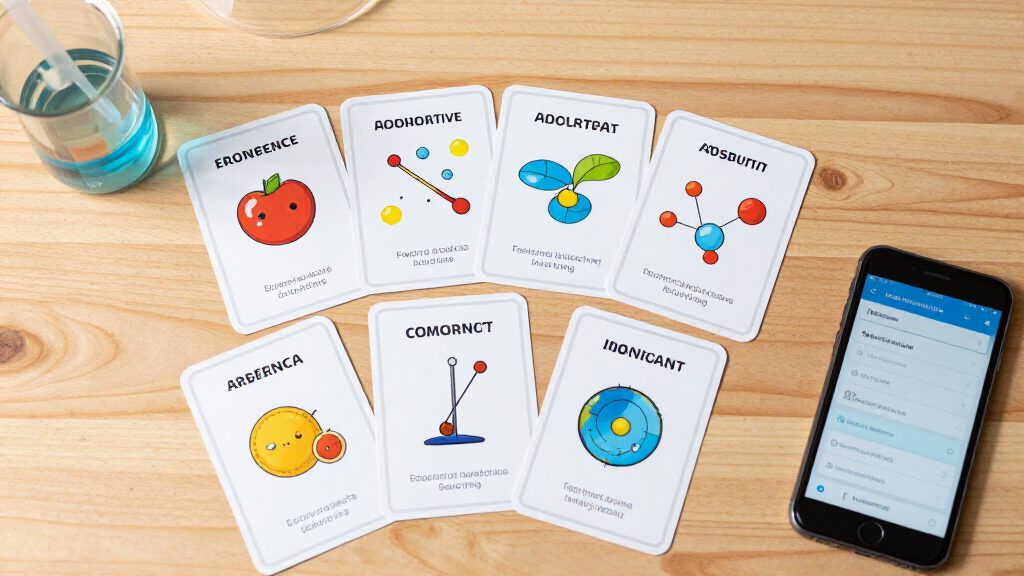
How We Picked
I evaluated each set against four criteria that matter most to science learners. Content accuracy and currency came first — outdated terminology or superseded scientific consensus is a dealbreaker in a reference product, so I favored recently revised editions. Learning design came second: I looked at whether cards encourage active recall, whether information is chunked sensibly, and whether the deck works for spaced repetition rather than one-time reading. Physical quality factored in heavily too, since flimsy cardstock that curls or tears within a semester undermines the entire value of a durable reference format.
Finally, I weighed value relative to the intended buyer. A $60 certification prep system is a fair purchase if it replaces a failed retake fee, but a poor one for a casual learner who needs a $12 laminated sheet. That buyer-intent lens drove the ranking: exam-aligned boxed sets are ordered by how well they match their specific test, general reference tools by density and durability, and beginner decks by accessibility. Where two products overlapped, the tiebreaker was how quickly a new user could get value from the deck on day one.
| science reference flashcard | Format | Content Type | Portability |
|---|---|---|---|
| Praxis Earth and Space Science | Physical flashcard study system | Practice test questions and concept review | Compact card format |
| Physical Science | Laminated reference guide | Formulas, definitions, and key facts | Fits standard binder |
| AP Environmental Science Flash | Physical flashcard deck with sorting ring | Full-course concept review | — |
| Anatomy Flash Cards: A QuickSt | Physical flash cards | Concise facts with visual aids | Compact card format |
| Periodic Table Educational Fla | — | — | — |
| Little Wigwam Elements of The | — | — | — |
| AP Biology Flashcards | Physical flashcard set | — | Compact, travel-friendly |
| Biology: A Quick-Study Laminat | Laminated reference guide (panel) | — | Fits standard binders and folders |
| CARDDIA Astronomical Objects S | — | — | — |
| TExES Science 4-8 | Physical flashcard study system | Practice questions and review material | Flashcard format for short study sessions |
Factors to Consider When Choosing Science Reference Flashcards
Before settling on a set, it helps to understand what actually separates a useful science reference deck from one that gathers dust. These are the factors I weighed during ranking, plus the mistakes I see buyers make most often.Match the Deck to Your Actual Goal
The single biggest mistake in this category is buying a certification prep system when you really need a general reference, or vice versa. The Mometrix Praxis and TExES sets are engineered around specific test blueprints — their card ordering, terminology, and emphasis mirror the exam structure, which makes them powerful for test day and awkward for anything else. A student preparing for AP Biology gets far more from a curriculum-sequenced deck than from a laminated summary sheet, while someone who just needs to look up the charge of a carbonate ion wants the opposite. Ask yourself whether your goal is memorization under pressure or ongoing reference, because no single product in this roundup serves both well. Buying the wrong type wastes more money than buying a cheap version of the right type.
Card Count Versus Actual Coverage
Flashcard marketing loves big numbers, but a 400-card deck with repetitive or filler cards can cover less than a 120-card deck with tight editing. Certification systems tend to pad counts with definitional cards that duplicate each other, while the periodic table sets earn their card count honestly — one card per element is a clean, honest structure. Look at how the publisher describes the scope of content rather than the raw deck size, and check reviews for complaints about repetition. A denser alternative worth weighing: laminated reference guides compress an entire subject onto a tri-fold sheet, which works when you know the material and just need prompts. If you are learning from scratch, more cards with smaller chunks of information per card will beat fewer cards crammed with text.
Durability and Format Tradeoffs
Physical format determines how long your investment lasts and where you can actually use it. Laminated guides shrug off spills, backpack abuse, and lab environments, making them the clear choice for classroom or field use. Boxed card decks vary widely: higher-end publishers use heavier coated stock that shuffles and spreads repeatedly, while budget decks use thin paper that shows wear within weeks. Coated cards also matter if you plan to annotate with dry-erase markers for self-testing, a technique that only works on glossy finishes. One honest drawback of laminated sheets: they eliminate the self-quizzing mechanics that make flashcards effective as a study method. If active recall is the point, cards win; if quick lookup is the point, lamination wins.
Visual Design and Information Hierarchy
Science content is dense by nature, so layout quality separates usable decks from frustrating ones. The best sets in this comparison use color coding — grouping elements by category or organ systems by function — because visual grouping dramatically speeds retrieval during review. Cards that cram both dense text and small diagrams onto a single face force rereading rather than recall, which defeats the purpose. For younger learners or visual thinkers, the illustrated astronomy and anatomy cards outperform text-heavy decks even when the raw content is similar. Before buying, preview sample cards where possible; if you cannot parse a card in under five seconds, that deck will slow down every study session you do with it.
Price, Editions, and Resale Value
Pricing in this category clusters into three tiers: laminated guides under $15, mid-range educational decks from $15 to $30, and boxed certification systems that can run $50 or more. The premium systems justify their price only against the cost of failing a certification exam, so treat them as insurance rather than as study material. Watch edition numbers carefully on AP and certification decks — science standards and test blueprints change, and a third-edition discount that saves you $8 is a bad trade if the exam content has shifted. Boxed decks in good condition also hold decent resale value among the next cohort of test-takers, which effectively lowers your real cost. Laminated guides rarely resell, but at their price point, longevity replaces resale as the value story.
Who Is Actually Using the Deck
Age and independence level should shape the choice more than most buyers allow. A middle schooler exploring chemistry needs the friendly formatting of a set like Little Wigwam’s, where a college-level atomic data deck would feel punishing. High schoolers preparing for AP exams benefit from decks designed with paced sequencing, while adult learners certifying to teach science need the exam-blueprint structure of Mometrix systems regardless of aesthetics. Homeschool families often get the best return from laminated guides, because one sheet serves multiple children across multiple years. Buying for a classroom adds another constraint: coated or laminated formats survive shared handling far better than standard cardstock decks, which fray quickly under dozens of hands.
Frequently Asked Questions
Are certification prep flashcard systems like Mometrix worth the higher price?
They are worth it only if you are committed to that specific exam, because the entire value proposition is alignment with the test blueprint. The Praxis 5572 and TExES 116 systems organize content around the exact domains and competencies the exams test, something general science decks cannot replicate. At $50 or more, the math works when you compare it against exam retake fees, lost time, or the salary difference of a delayed certification. If you are studying science for its own sake, or for a different exam, these systems become an expensive and poorly organized reference. Check the edition date against the current test blueprint before purchasing, since publishing lag can leave older editions covering retired competencies.
What’s the real difference between laminated reference guides and true flashcards?
The difference is the study method they support. Flashcards enforce active recall — you see a prompt, retrieve the answer, and check yourself, which is one of the most reliable learning techniques available. Laminated guides like the QuickStudy sheets support recognition and lookup instead: you scan for information you have already learned, which is faster but builds weaker memory. This is why I recommend laminated guides to students who already know the material and need a compact refresher, and card decks to students learning it for the first time. The practical compromise many students land on is owning both — the deck for initial study, the laminated sheet for quick checks during homework.
Which periodic table flashcard set is better for kids?
For elementary and early middle school learners, Little Wigwam’s 118-element set is the friendlier choice, with larger type, simpler data presentation, and a design philosophy built around first exposure. The competing 118-element deck with full atomic data is better for middle and high school students who need atomic masses, electron configurations, and color-coded category groupings that mirror what they will see on tests. If your child is just learning that elements exist and have symbols, the extra data on the advanced set becomes visual noise. If they are balancing chemical equations, the simplified set lacks the numbers they need. A reasonable rule of thumb: match the deck to the chemistry course level, not the child’s age.
How current do AP flashcard editions need to be?
More current than most buyers assume, because both AP Biology and AP Environmental Science have undergone curriculum revisions that shift terminology and emphasis. An older edition may still teach accurate science while testing you on vocabulary and framing the current exam no longer uses, which costs real points on free-response questions. The Barron’s decks in this roundup earn their ranking partly because their recent revisions track the current course frameworks. If budget forces a choice, a discounted older edition is acceptable for content review but should be paired with a current course description from the exam provider. Never use an edition more than two revision cycles old as your primary study tool.
Can I use these flashcard sets for homeschool science instruction?
Yes, but the best choice depends on how you structure your lessons. The visual decks — CARDDIA astronomy cards, the periodic table sets, and the anatomy cards — work well as spine material for unit studies, because each card can anchor a day’s lesson or a library follow-up. Certification systems are a poor fit for homeschooling, since their structure follows an exam blueprint rather than a natural learning sequence. Laminated reference guides are excellent homeschool value because one purchase serves multiple children across several years and doubles as a wall reference. The boxed AP decks sit in between: strong for a motivated teen working toward the exam, but over-engineered for a relaxed middle school science year.
Conclusion
The right pick here depends less on quality — every set in this roundup delivers for its audience — and more on matching the format to your situation. For best overall, the AP Biology Flashcards, Third Edition offers the strongest combination of learning design, currency, and broad usefulness. The best value picks are the QuickStudy laminated guides, which deliver entire subjects for the price of a sandwich and outlast every boxed deck on this list. For best premium, the Praxis Earth and Space Sciences (5572) Flashcard Study System justifies its cost against what a failed certification retake would set you back. Best for beginners goes to the Little Wigwam periodic table set, which makes 118 elements approachable for young learners, while the color-coded 118-element deck with atomic data is the better fit for middle and high school students. For specific needs, choose the CARDDIA astronomy cards for visual learners, the anatomy cards for pre-health students, and the AP Environmental Science deck for that exam specifically. Skip anything outside your actual goal — this category punishes impulse buys more than most.
Evergreen bestsellers Picks

Ninja Flip Toaster Oven & Air Fryer, 8-in-1, Stainless Steel, SP151

Ninja DualBrew Pro Specialty Coffee Maker, Black, CFP301

Dreame L40 Ultra Gen 2 Robot Vacuum and Mop with 25,000 Pa Suction
As an affiliate, we earn on qualifying purchases.