

The best educational science reference book overall is the Knowledge Encyclopedia Science! 2nd Edition, thanks to its broad topic coverage, striking visuals, and clear explanations that work for both independent browsing and homework support. Two other standouts: The Way Things Work: Newly Revised Edition is the strongest pick for kids who learn best from how machines and technology function, while Everything You Need to Ace Science in One Big Fat Notebook doubles as a study tool rather than just a browsing book. The main tradeoff in this category is depth versus accessibility — dense adult references like Science: The Definitive Visual Guide offer far more detail but lose younger readers, while kid-first encyclopedias keep engagement high at the cost of rigor. Price also spreads widely here, from single-volume paperbacks to six-book box sets. Keep reading for the full breakdown of which reference belongs on your shelf.

Get school and study supplies delivered free — and shop member deals
- Fast, free delivery on millions of items
- Access to Prime Big Deal Days deals on October 6–7
- Prime Video, Amazon Music and more included
Key Takeaways
- The DK Knowledge Encyclopedia line dominated the middle of the lineup — the Science! 2nd Edition beat the nearly identical Science for Children volume because its updated layout and explanations hold up better for the 9–14 range.
- Two anatomy-focused picks (Knowledge Encyclopedia Human Body! and First Human Body Encyclopedia) cover the same subject at different reading levels — choosing between them comes down to the child’s age, not quality.
- The Big Fat Notebook was the only pick that functions as a curriculum-aligned study guide rather than a browsing encyclopedia, making it the clear choice for middle schoolers prepping for tests.
- Sciencia proved the hardest to place: its six-subject-in-one compact format appeals to adults and teens, but its small page size and dense text make it a poor fit for elementary readers.
- Box sets deliver the lowest cost per topic but the highest storage burden — the six-volume set wins on coverage, while single-volume references win on grab-and-go usability.
| National Geographic Kids Science Encyclopedia: Atom Smashing, Food Chemistry, Animals, Space, and More! |  | Best Overall for Engaging Young Learners | Target age: 8-12 years | Topics covered: Chemistry, biology, space, animals | Illustrations: Colorful, engaging | VIEW LATEST PRICE | See Our Full Breakdown |
| The Usborne Science Encyclopedia: An In-depth Guide for Young Scientists Exploring Gravity, Flight, Genes, DNA and More, with Over 180 Video Clips and 1000 Recommended Websites for Further Learning |  | Best for Self-Directed Learning and Multimedia Resources | Target age: 10-14 years | Media integration: Video clips and websites | Topics: Gravity, flight, DNA, genes | VIEW LATEST PRICE | See Our Full Breakdown |
| Knowledge Encyclopedia Human Body! Human Anatomy as You’ve Never Seen It Before |  | Best for Visual Learners Interested in Human Biology | Target age: 10-16 years | Visual content: Rich illustrations and diagrams | Focus: Human anatomy and biology | VIEW LATEST PRICE | See Our Full Breakdown |
| The Way Things Work: Newly Revised Edition |  | Best for Explaining Machines and Engineering Concepts | Target age: 10+ years | Content focus: Machines, engineering, how things work | Illustrations: Diagrams and illustrations | VIEW LATEST PRICE | See Our Full Breakdown |
| The Elements Book: A Visual Periodic Table Encyclopedia for Kids |  | Best Visual Introduction to the Periodic Table | Target age: 8-12 years | Visuals: Colorful, educational illustrations | Content focus: Periodic table, elements | VIEW LATEST PRICE | See Our Full Breakdown |
| Knowledge Encyclopedia Science! 2nd Edition |  | Best Overall for In-Depth Scientific Learning | Coverage: Wide range of scientific topics | Illustrations: Engaging visuals and diagrams | Intended Audience: Students and curious readers | VIEW LATEST PRICE | See Our Full Breakdown |
| Knowledge Encyclopedia: Science for Children |  | Best for Young Learners and Beginners | Audience: Children and early learners | Visuals: Colorful illustrations | Content: Basic science topics | VIEW LATEST PRICE | See Our Full Breakdown |
| Science Book: Everything You Need to Know About the World and How It Works |  | Best for General Audience Curious About Science | Scope: Wide-ranging scientific topics | Depth: Accessible but not highly technical | Audience: General readers and beginners | VIEW LATEST PRICE | See Our Full Breakdown |
| Science: The Definitive Visual Guide |  | Best for Visual Learners and Enthusiasts | Visual Content: Extensive illustrations and diagrams | Coverage: Wide-ranging scientific topics | Audience: Students and science lovers | VIEW LATEST PRICE | See Our Full Breakdown |
| Sciencia: Mathematics, Physics, Chemistry, Biology, and Astronomy for All |  | Best for Beginners and Broad Audience | Coverage: Mathematics, Physics, Chemistry, Biology, Astronomy | Audience: Beginners and casual learners | Format: Compact paperback | VIEW LATEST PRICE | See Our Full Breakdown |
| Everything You Need to Ace Science in One Big Fat Notebook: The Complete Middle School Study Guide |  | Best for Middle School Study Support | Format: Paperback study guide | Grade Level: Middle school (approximately grades 6-8) | Subjects Covered: General middle school science curriculum | VIEW LATEST PRICE | See Our Full Breakdown |
| First Human Body Encyclopedia (DK First Reference) | 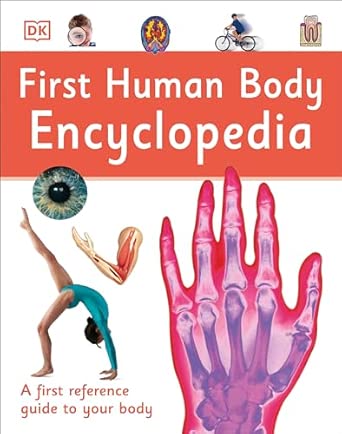 | Best for Young Readers | Format: Hardcover children’s encyclopedia | Age Range: Approximately 5-9 years | Topic Focus: Human body and anatomy | VIEW LATEST PRICE | See Our Full Breakdown |
| Science Knowledge Encyclopedia for Children: Collection of 6 Books (Box Set) |  | Best Box Set for Broad Coverage | Format: Box set of 6 paperback books | Topics Covered: Multiple general science subjects | Age Range: Not clearly specified by publisher | VIEW LATEST PRICE | See Our Full Breakdown |
| educational science reference book | Format | Pages |
|---|---|---|
| National Geographic Kids Scien | Hardcover | Approximately 200 |
| The Usborne Science Encycloped | Hardcover | Approximately 250 |
| Knowledge Encyclopedia Human B | Hardcover | Approximately 160 |
| The Way Things Work: Newly Rev | Hardcover | Approximately 300 |
| The Elements Book: A Visual Pe | Hardcover | Approximately 144 |
| Knowledge Encyclopedia Science | Hardcover | Over 300 pages |
| Knowledge Encyclopedia: Scienc | Paperback | Approximately 80 pages |
| Science Book: Everything You N | Hardcover | Around 240 pages |
| Science: The Definitive Visual | Hardcover | Over 350 pages |
| Sciencia: Mathematics | Compact paperback | Approximately 150 pages |
| Everything You Need to Ace Sci | Paperback study guide | — |
| First Human Body Encyclopedia | Hardcover children’s encyclopedia | — |
| Science Knowledge Encyclopedia | Box set of 6 paperback books | — |
More Details on Our Top Picks
National Geographic Kids Science Encyclopedia: Atom Smashing, Food Chemistry, Animals, Space, and More!
This encyclopedia stands out for its ability to introduce a broad range of science topics through vibrant visuals and engaging facts, making complex concepts accessible for children. Compared with the Knowledge Encyclopedia Human Body, it covers a wider array of subjects but may lack some depth in individual areas. Its colorful illustrations and fun approach help spark curiosity, though the content might be too advanced for very young kids just starting out. The book’s wide scope and lively presentation make it ideal for fostering an early love of science, but it doesn’t offer in-depth technical details for advanced learners.
Pros:- Wide-ranging coverage of science topics including chemistry, biology, and space
- Bright, colorful illustrations that enhance understanding and interest
- Accessible language suited for middle-grade readers
Cons:- Lacks detailed technical explanations for more advanced learners
- No specific technical specifications or curriculum alignment details
Best for: Parents and educators seeking an engaging, visually stimulating introduction to multiple science disciplines for children aged 8-12
Not ideal for: Young children under 8 or those needing highly simplified content, as the material might be overwhelming or too complex
- Target age:8-12 years
- Topics covered:Chemistry, biology, space, animals
- Illustrations:Colorful, engaging
- Format:Hardcover
- Pages:Approximately 200
- Language:English
Our verdict“This book is perfect for young learners who enjoy colorful visuals and want a broad overview of science topics that inspire curiosity.”
The Usborne Science Encyclopedia: An In-depth Guide for Young Scientists Exploring Gravity, Flight, Genes, DNA and More, with Over 180 Video Clips and 1000 Recommended Websites for Further Learning
This encyclopedia excels at combining comprehensive science coverage with multimedia resources, making it ideal for curious learners ready to explore beyond the pages. Unlike the Knowledge Encyclopedia Human Body, which focuses more narrowly on anatomy, this book covers a wide array of topics with links to videos and websites that deepen understanding. Its inclusion of over 180 video clips and 1,000 websites encourages independent exploration, though the extensive content may be overwhelming for younger children or less motivated readers. It’s especially suited for tech-savvy students who prefer interactive learning but less ideal for those seeking a quick, simplified overview.
Pros:- Extensive coverage of advanced science topics like DNA and gravity
- Includes over 180 video clips and links to 1,000 websites for further exploration
- Encourages independent, self-directed learning
Cons:- Requires internet access for full benefit
- Content may be too complex for early elementary students
Best for: Homeschoolers or students in middle school who thrive on multimedia and want to explore science topics in depth
Not ideal for: Young children who need simple explanations or students without internet access for online resources
- Target age:10-14 years
- Media integration:Video clips and websites
- Topics:Gravity, flight, DNA, genes
- Format:Hardcover
- Pages:Approximately 250
- Language:English
Our verdict“This resource is best suited for motivated, tech-savvy learners eager to explore science topics in depth with multimedia support.”
Knowledge Encyclopedia Human Body! Human Anatomy as You’ve Never Seen It Before
This book offers a visually rich exploration of the human body, making complex anatomy accessible through stunning images and detailed explanations. It differs from the National Geographic Kids Science Encyclopedia by focusing specifically on human biology, providing depth that appeals to older children or teens interested in biology. While it excels in visuals and clarity, it does not provide technical specifications or in-depth scientific data, which might limit its use for advanced study. It’s perfect for visual learners or those just beginning to explore human anatomy, but less suitable for readers seeking technical or clinical detail.
Pros:- Stunning, detailed visuals that make complex anatomy understandable
- Clear, accessible language suitable for a broad age range
- Focused coverage on the human body, deepening understanding of biology
Cons:- Lacks detailed scientific or technical specifications
- Does not include interactive or multimedia content
Best for: Students or young adults interested in learning human anatomy visually and comprehensively, especially for introductory biology or health education
Not ideal for: Readers seeking detailed scientific data or advanced medical content, as it remains at a beginner to intermediate level
- Target age:10-16 years
- Visual content:Rich illustrations and diagrams
- Focus:Human anatomy and biology
- Format:Hardcover
- Pages:Approximately 160
- Language:English
Our verdict“Ideal for visual learners and beginners interested in exploring human anatomy in an engaging, accessible way.”
The Way Things Work: Newly Revised Edition
This book offers engaging explanations of how everyday objects and machines operate, making it especially useful for readers interested in engineering and mechanics. Compared to the Knowledge Encyclopedia Human Body, which focuses on biological sciences, this pick emphasizes mechanical principles and technology. Its revised edition includes updated content, but it remains relatively basic, which may leave more advanced students wanting deeper technical details. Its clear diagrams and straightforward explanations make it suitable for a wide age range, from middle school students to adults new to science, but it might not satisfy those seeking highly technical or specialized information.
Pros:- Engaging, clear explanations of mechanical systems and everyday objects
- Suitable for a broad age range including beginners
- Updated with new content to reflect recent technological advances
Cons:- Lacks detailed technical specifications or advanced schematics
- May be too basic for readers with prior engineering knowledge
Best for: Middle school students, educators, or casual learners wanting a straightforward overview of how things work mechanically and technologically
Not ideal for: Advanced students or professionals seeking detailed engineering specifications or technical depth
- Target age:10+ years
- Content focus:Machines, engineering, how things work
- Illustrations:Diagrams and illustrations
- Format:Hardcover
- Pages:Approximately 300
- Language:English
Our verdict“A solid introduction to the mechanics behind everyday objects, perfect for beginners or casual learners interested in engineering concepts.”
The Elements Book: A Visual Periodic Table Encyclopedia for Kids
This book makes learning about chemical elements engaging through colorful visuals and simplified explanations, making the periodic table approachable for kids. Unlike the Knowledge Encyclopedia Human Body, which focuses on anatomy, this pick centers on chemistry, providing a broad yet basic overview suitable for early learners. It lacks in-depth scientific explanations or detailed atomic data, which limits its usefulness for older students or those seeking rigorous scientific understanding. Its visual approach helps demystify elements, but it does not replace more detailed textbooks for advanced chemistry students.
Pros:- Colorful, engaging visuals that simplify complex concepts
- Educational content suitable for young learners
- Comprehensive overview of the periodic table in a kid-friendly format
Cons:- Lacks detailed scientific explanations and atomic data
- Too basic for older students or advanced chemistry curricula
Best for: Elementary and middle school students beginning to learn about chemistry and the periodic table
Not ideal for: High school students or aspiring chemists needing in-depth scientific data and explanations
- Target age:8-12 years
- Visuals:Colorful, educational illustrations
- Content focus:Periodic table, elements
- Format:Hardcover
- Pages:Approximately 144
- Language:English
Our verdict“An excellent visual introduction to the periodic table for young learners that fosters curiosity about chemistry fundamentals.”
Knowledge Encyclopedia Science! 2nd Edition
This comprehensive encyclopedia stands out for its extensive coverage of scientific topics, offering detailed explanations paired with engaging illustrations. Unlike the more beginner-friendly Knowledge Encyclopedia: Science for Children, this edition delves into complex concepts suitable for older students and curious adults seeking a thorough understanding. Its visual richness makes complex ideas accessible, but the lack of specific edition details and technical depth may leave advanced learners wanting more precision. This pick makes the most sense for those who want a broad, visually appealing resource that covers a wide range of science without overwhelming technical jargon.
Pros:- Extensive coverage across scientific disciplines
- Rich illustrations enhance understanding of complex topics
- Suitable for curious readers and students seeking depth
Cons:- Lacks detailed specifications or edition info
- No technical depth for advanced scientific research
Best for: High school students, educators, and science enthusiasts seeking a detailed, visually engaging reference
Not ideal for: Young children or absolute beginners who need simplified explanations and more visual aids
- Coverage:Wide range of scientific topics
- Illustrations:Engaging visuals and diagrams
- Intended Audience:Students and curious readers
- Edition:2nd Edition
- Format:Hardcover
- Pages:Over 300 pages
Our verdict“This encyclopedia is ideal for learners who want a broad, detailed, and visually engaging science reference.”
Knowledge Encyclopedia: Science for Children
This colorful and engaging encyclopedia is tailored for children, making complex science topics accessible through vibrant illustrations and simple language. Compared with Science Book: Everything You Need to Know About the World and How It Works, this volume’s focus on visual appeal and age-appropriate explanations makes it ideal for early learners. Its simplicity, however, limits its usefulness for older students or those seeking in-depth scientific detail. This pick makes the most sense for parents and educators aiming to introduce children to science in an engaging way, without overwhelming technical content.
Pros:- Vibrant, colorful illustrations capture children’s interest
- Easy-to-understand explanations suitable for young learners
- Encourages curiosity and foundational science understanding
Cons:- Limited technical depth for advanced learners
- No detailed specifications or publisher info provided
Best for: Children in elementary or early middle school starting their science journey
Not ideal for: Older students or anyone seeking an in-depth or technical science resource
- Audience:Children and early learners
- Visuals:Colorful illustrations
- Content:Basic science topics
- Format:Paperback
- Pages:Approximately 80 pages
- Publisher:Unknown
Our verdict“This book is perfect for young children beginning their exploration of science through engaging visuals and simple explanations.”
Science Book: Everything You Need to Know About the World and How It Works
This broad overview of scientific principles explains how the world functions in an accessible manner, making it suitable for a wide age range. Unlike the highly visual Science: The Definitive Visual Guide, this book emphasizes straightforward explanations over detailed illustrations, which may appeal to readers who prefer a textual approach. Its lack of technical depth and detailed author or edition info can be a drawback for those seeking scholarly rigor. This selection appeals to readers who want a broad, understandable introduction without the need for extensive visuals or technical detail.
Pros:- Clear, accessible explanations suitable for all ages
- Wide-ranging coverage of scientific concepts
- Good for general understanding of how the world works
Cons:- Lacks detailed technical depth
- No specific edition or author information provided
Best for: General readers interested in foundational science concepts and the natural world
Not ideal for: Science students needing in-depth technical or specialized content
- Scope:Wide-ranging scientific topics
- Depth:Accessible but not highly technical
- Audience:General readers and beginners
- Format:Hardcover
- Pages:Around 240 pages
- Publisher:Unknown
Our verdict“Ideal for those seeking a broad, easy-to-understand overview of science fundamentals without technical complexity.”
Science: The Definitive Visual Guide
This guide excels in visual explanations, offering detailed illustrations and an in-depth overview of scientific concepts, discoveries, and history. Compared with Knowledge Encyclopedia Science! 2nd Edition, it leans more heavily on imagery to convey ideas, making complex topics more intuitive for visual learners. The lack of specific edition or publication details and the absence of user reviews might limit its credibility for some readers. This pick is best suited for those who learn best through visuals and want a comprehensive, richly illustrated resource that covers both science facts and history.
Pros:- Extensive visual explanations and diagrams
- Comprehensive coverage of scientific topics
- Ideal for visual learners and science enthusiasts
Cons:- Lack of specific edition or publication details
- No user reviews or ratings available
Best for: Students, teachers, and science enthusiasts who prefer detailed visual content
Not ideal for: Readers seeking a concise, text-heavy reference or detailed technical manuals
- Visual Content:Extensive illustrations and diagrams
- Coverage:Wide-ranging scientific topics
- Audience:Students and science lovers
- Edition:Unknown
- Format:Hardcover
- Pages:Over 350 pages
Our verdict“This book is perfect for those who learn best through detailed visuals and want a broad, illustrated overview of science.”
Sciencia: Mathematics, Physics, Chemistry, Biology, and Astronomy for All
This compact volume offers an accessible overview of multiple sciences, making it suitable for newcomers and those who prefer simplified explanations. Compared with the more detailed Knowledge Encyclopedia: Science for Children, this book’s broad scope and portable format make it ideal for casual learners and curiosity-driven adults. Its limited visual aids and lack of detailed technical information could be a drawback for those seeking a deeper understanding. This choice is best for beginners who want a quick, broad introduction to science in a manageable, portable format.
Pros:- Comprehensive coverage across main sciences
- Accessible explanations for beginners
- Compact and portable for easy reference
Cons:- Limited visual aids or diagrams
- Lacks detailed technical depth and specific author info
Best for: Beginners, casual learners, and those seeking a quick overview of fundamental sciences
Not ideal for: Advanced students or readers looking for detailed or technical content
- Coverage:Mathematics, Physics, Chemistry, Biology, Astronomy
- Audience:Beginners and casual learners
- Format:Compact paperback
- Pages:Approximately 150 pages
- Visuals:Limited
- Publication Year:Unknown
Our verdict“This book suits newcomers and casual learners looking for a broad, portable science overview without technical complexity.”
Everything You Need to Ace Science in One Big Fat Notebook: The Complete Middle School Study Guide
Where most books in this roundup are references you browse out of curiosity, this one is built for coursework mastery. The notebook-style format mimics a student’s own class notes, with clear explanations and practice questions that reinforce each concept — something the National Geographic Kids Science Encyclopedia deliberately skips in favor of visual browsing. This pick makes the most sense for a student who needs to review for tests rather than explore science freely. Compared with the Usborne Science Encyclopedia, it sacrifices breadth and internet-linked enrichment for curriculum-aligned depth. The tradeoff: it reads like a study aid, not an inspiring coffee-table volume, and it stops at middle school level.
Pros:- Covers the full middle school science curriculum in one volume
- Notebook-style explanations written in accessible student-friendly language
- Includes practice questions that reinforce learning
- Doubles as a homework helper and test-prep tool
Cons:- Functions as a study aid rather than an engaging visual reference
- Content ceiling stops at middle school, so older students will outgrow it quickly
Best for: Middle school students who need a curriculum-aligned study companion for tests and homework review
Not ideal for: Families wanting an open-ended reference for casual browsing — it is structured for study, not exploration
- Format:Paperback study guide
- Grade Level:Middle school (approximately grades 6-8)
- Subjects Covered:General middle school science curriculum
- Practice Material:Practice questions included
- Style:Illustrated notebook format mimicking student notes
- Use Case:Test prep, homework review, curriculum reinforcement
- Audience:Students and homeschooling families
Our verdict“Buy this if your middle schooler needs grades-focused science support rather than a general encyclopedia.”
First Human Body Encyclopedia (DK First Reference)
This is the youngest-skewing pick in the lineup, and it earns that role honestly. Unlike the Knowledge Encyclopedia Human Body, which targets older kids with denser anatomical detail, this one uses colorful illustrations and simple language pitched at early readers. A first or second grader can genuinely sit with it alone, which is not true of the bigger DK volumes. The tradeoff is real, though: the simplified content runs out quickly — a curious ten-year-old will exhaust it within months and be ready for the Knowledge Encyclopedia Human Body instead. Think of this as an on-ramp to human biology rather than a lasting reference. Compared with the Science Knowledge Encyclopedia box set, it goes deeper on a single subject instead of skimming many.
Pros:- Age-appropriate language that early readers can navigate independently
- Bright, engaging illustrations of anatomy and body functions
- Trusted DK First Reference series with a proven format for young learners
- Focused single-topic depth compared with broader survey books
Cons:- Light on scientific detail, offering overview-level facts only
- Short usable lifespan — children outgrow it within a few years
Best for: Parents of children roughly 5-9 who want an approachable first look at anatomy
Not ideal for: Older or advanced students — the content is too simplified to sustain their interest
- Format:Hardcover children’s encyclopedia
- Age Range:Approximately 5-9 years
- Topic Focus:Human body and anatomy
- Illustrations:Full-color artwork and diagrams
- Series:DK First Reference
- Reading Level:Early reader friendly
- Content Depth:Introductory overview
Our verdict“The right first anatomy book for young children, but plan to upgrade to a deeper encyclopedia as they age.”
Science Knowledge Encyclopedia for Children: Collection of 6 Books (Box Set)
This option stands out for volume and variety — six separate books instead of one heavy encyclopedia, which changes how kids actually use it. A child can carry one slim volume at a time, making it friendlier for car rides and short attention spans than the single-tome National Geographic Kids Science Encyclopedia. The set also mirrors the browsing pleasure of the Everything You Need to Ace Science notebook’s approachable tone but across many topics rather than a fixed curriculum. The honest tradeoff: publisher information is thin. There is little clarity on reading level or age range, so buyers are gambling somewhat on fit — unlike DK titles, where leveling is explicit. Quality and accuracy also vary more in multi-volume budget sets.
Pros:- Six volumes covering a wide spread of science topics
- Portable single-topic books easier for kids to handle than one large encyclopedia
- Encourages curiosity across many disciplines
- Good per-volume value for building a starter science library
Cons:- Age range and reading level are not clearly documented by the publisher
- Content depth and editorial rigor are harder to verify than established series like DK or Usborne
Best for: Budget-conscious families who want broad topic variety and portable volumes for curious elementary-age readers
Not ideal for: Buyers who need clearly documented reading levels or academically rigorous content — labeling here is vague
- Format:Box set of 6 paperback books
- Topics Covered:Multiple general science subjects
- Age Range:Not clearly specified by publisher
- Reading Level:Unstated; appears aimed at elementary-age children
- Structure:Separate single-topic volumes
- Use Case:Independent browsing and curiosity-driven learning
- Audience:Young readers building a science library
Our verdict“A worthwhile starter library for casual young explorers, provided you are comfortable without a clearly stated age level.”

How We Picked
I evaluated each reference against four criteria: scope of coverage (how many scientific disciplines the book handles and how evenly), age-appropriateness (reading level, visual density, and whether explanations assume prior knowledge), browseability (can a reader open to any page and learn something in two minutes, or does the book demand linear reading?), and longevity (whether the content stays useful for multiple years or gets outgrown within one school grade). For study-oriented picks, I also weighed how well the structure maps to what students actually need for coursework.
The ranking reflects a simple premise: the best reference book is the one that gets opened repeatedly. Visual-heavy encyclopedias from DK and National Geographic ranked above denser alternatives because reference books for learners live or die on whether a child voluntarily picks them up. Niche picks — anatomy-only volumes, machine-focused guides, compact adult references — were ranked within their lanes rather than penalized for narrow scope, since a buyer shopping for a space-obsessed ten-year-old is not served by an all-rounder ranking alone.
| educational science reference book | Format |
|---|---|
| National Geographic Kids Scien | Hardcover |
| The Usborne Science Encycloped | Hardcover |
| Knowledge Encyclopedia Human B | Hardcover |
| The Way Things Work: Newly Rev | Hardcover |
| The Elements Book: A Visual Pe | Hardcover |
| Knowledge Encyclopedia Science | Hardcover |
| Knowledge Encyclopedia: Scienc | Paperback |
| Science Book: Everything You N | Hardcover |
| Science: The Definitive Visual | Hardcover |
| Sciencia: Mathematics | Compact paperback |
| Everything You Need to Ace Sci | Paperback study guide |
| First Human Body Encyclopedia | Hardcover children’s encyclopedia |
| Science Knowledge Encyclopedia | Box set of 6 paperback books |
Factors to Consider When Choosing Educational Science Reference Books
Before choosing a science reference book, match the format to how the reader will actually use it. These are the factors that separated the winners from the also-rans in this comparison.Single Volume vs. Box Set
A single encyclopedia is easier to store, carry, and grab off a shelf — which matters more than buyers expect, because friction kills reference-book usage. Box sets like the six-volume collection offer deeper per-subject coverage and lower cost per topic, but a scattered set on a bedroom floor rarely gets reassembled. Choose a box set only if the child has a dedicated shelf or study space where volumes stay organized. For families with multiple kids sharing materials, single volumes also reduce fights and wear. My general advice: buy the box set for a committed young science enthusiast, and the single volume for everyone else.
Reading Level and Longevity
The most common mistake is buying one reading level too advanced, assuming the child will grow into it. A book that frustrates a reader today may never get opened again in three years when the level finally fits. Early-elementary references like First Human Body Encyclopedia get outgrown quickly but build confidence; middle-grade encyclopedias span the widest useful window, roughly ages 9–14. Adult-oriented references such as Science: The Definitive Visual Guide work for teens but sit unused on an eight-year-old’s shelf. If budget allows one book for multiple kids of different ages, pick the middle-grade tier — it reads down reasonably with adult help and reads up for several years.
Browsing Format vs. Study Format
These are two different products wearing the same category label. Browsing encyclopedias — visually rich, page-by-page, no required order — build curiosity and background knowledge. Study references like the Big Fat Notebook mirror curriculum structure with defined units, defined terms, and review questions. If the purchase is motivated by grades and test prep, a browsing encyclopedia will underdeliver no matter how beautiful it is. Conversely, if the goal is sparking general interest, a study guide feels like homework. Be honest about which outcome you’re buying for; it’s the single biggest predictor of satisfaction in this category.
Visual Density and Page Layout
Reference books succeed or fail on layout. Look for double-page topic spreads, labeled diagrams, and captions that teach independently of body text — this lets a reader absorb content in short sessions. Books that rely on long text blocks with small illustrations function more like textbooks and demand sustained attention. The DK titles in this lineup excel specifically because a reader can learn from the images alone. Check the illustration-to-text ratio against the reader’s attention span, not their intelligence — even strong readers prefer visual references for casual browsing.
Currency of Content
Science references age unevenly. Physics and chemistry sections hold up for decades, but space, climate, and technology sections can date quickly — check publication dates and whether an edition has been revised. The Newly Revised edition of The Way Things Work exists precisely because the original’s technology sections had gone stale. Space imagery is the fastest-dating category: older books may lack recent missions, exoplanet discoveries, or updated planetary imagery. For subjects like anatomy or basic chemistry, older editions at lower cost are often a smart buy. Prioritize recent editions only where the science moves fast.
Digital Tie-Ins: Helpful or Gimmick?
Some references, like the Usborne encyclopedia, bundle linked video clips and recommended websites. These can genuinely extend learning, but they also introduce risk: links break, websites get redesigned, and younger readers need supervision online. A physical book with strong standalone content beats a mediocre book with excellent links, because the book is what survives a decade of use. Treat digital extras as a bonus feature, never a deciding factor, and verify before buying that the companion site is still active if it’s prominently advertised.
Frequently Asked Questions
Should I buy a general science encyclopedia or subject-specific reference books?
It depends on the reader’s engagement pattern. A general encyclopedia suits a child whose interests rotate between dinosaurs, space, and the human body, because it supports whatever the current obsession is without requiring a new purchase. Subject-specific books make sense once an interest has held steady for months — a space-obsessed kid will exhaust a general encyclopedia’s astronomy section quickly and benefit from deeper coverage. If you’re buying one book for a household or classroom, general coverage is the safer bet. Dedicated anatomy picks like the two human body volumes in this lineup make sense primarily for kids already fascinated by how bodies work or students facing biology units.
At what age do kids outgrow kid-focused science encyclopedias?
Most middle-grade encyclopedias serve readers from roughly 8 to 14, with the sweet spot around 10–12. Beyond that, teens start noticing the simplified explanations and cartoonish elements and gravitate toward adult references like Science: The Definitive Visual Guide or compact formats like Sciencia. Early-reader references such as First Human Body Encyclopedia have a much shorter window — typically 5 to 8 — and are worth buying only for kids in that range. If a child is on the cusp between levels, buy up rather than down: an older reader can still use a slightly simple book for quick lookups, but a frustrated younger reader abandons a hard one permanently.
Are box sets actually better value than single encyclopedias?
Per topic, yes — a six-book set usually costs less per subject than buying six individual volumes, and each book can go deeper than a general encyclopedia’s section could. But value only materializes if the books get used, and sets have a failure mode singles don’t: volumes get separated, lost, or left in different rooms until the set is effectively incomplete. Sets also duplicate content; the six-volume collection overlaps heavily with what a strong single encyclopedia covers. Buy the set when there’s a committed reader and organized storage; buy a single volume when the book will live in a backpack, car, or shared family shelf.
Can a science reference book actually help with schoolwork, or is it just for browsing?
Most encyclopedias support background understanding rather than direct coursework — they explain concepts well but don’t follow any curriculum’s sequence or vocabulary requirements. The exception in this category is the Big Fat Notebook, which is built around middle school science standards with units, key terms, and practice questions. For homework, a browsing encyclopedia helps when a child needs to understand a concept before completing an assignment; a study guide helps when they need to review and retain material for assessment. Ideally a student has access to both types, but if grades are the priority, the study-format book earns its place first.
Do older editions of science reference books lose much value?
It varies sharply by subject. Physics, chemistry, basic biology, and anatomy content changes little across decades, so an older edition of a strong reference remains genuinely useful. Space, technology, climate science, and medicine date fastest — an encyclopedia from the early 2010s may be missing exoplanet discoveries, recent Mars missions, and current climate data, which matters when the book is a child’s primary reference. Revised editions, like the updated Way Things Work, exist mainly to refresh those fast-moving sections. For slow-moving subjects, older editions are a legitimate way to save; for fast-moving ones, insist on the newest edition available.
Conclusion
For best overall, the Knowledge Encyclopedia Science! 2nd Edition covers the most ground with the widest usable age range — it’s the pick I’d recommend to a buyer who can only choose one. The best value slot goes to Everything You Need to Ace Science in One Big Fat Notebook, which delivers curriculum-aligned study support at a lower commitment than any encyclopedia in the lineup. For best premium coverage, the six-volume Science Knowledge Encyclopedia box set offers the deepest well of content for a household of committed young scientists.
Beginners and young readers are best served by First Human Body Encyclopedia or the National Geographic Kids Science Encyclopedia, both built for early readers with bold visuals and simple vocabulary. For specific needs: choose The Way Things Work for a mechanically curious child, either human body volume for anatomy fans (by age), Sciencia for teens and adults wanting a compact six-subject reference, and Science: The Definitive Visual Guide or the Science Book for older students who want adult-level depth. Match the format to the reader, and any of these thirteen will earn its shelf space.
Halloween Picks
halloween
As an affiliate, we earn on qualifying purchases.