

When searching for science reference books for students, the goal is to find resources that combine clarity, accuracy, and accessibility. The Best Overall pick, Everything You Need to Ace Chemistry in One Big Fat Notebook, stands out for its comprehensive coverage and engaging format. Meanwhile, options like Knowledge Encyclopedia Science! 2nd Edition excel in visual explanations, and laminated quick guides offer quick reference for exam prep. However, the challenge lies in balancing depth with ease of use—more detailed books may be overwhelming, while simpler guides might lack depth. Keep reading for a full breakdown of the top choices and what makes each a good fit.
Key Takeaways
- The top picks balance comprehensive content with learner-friendly presentation, making complex science accessible.
- Laminated quick-reference guides are ideal for review but lack depth for in-depth understanding.
- Visual-heavy encyclopedias appeal to students who learn best through images and diagrams.
- The best overall books combine readability with accuracy, suited for middle and high school levels.
- Price and scope vary widely—more expensive options often offer more complete coverage or better visuals.
| Everything You Need to Ace Chemistry in One Big Fat Notebook |  | Best Overall for Middle School Chemistry Students | Coverage: Chemistry basics, key concepts, practice questions | Format: Print, paperback | Intended Audience: Middle school students | VIEW LATEST PRICE | See Our Full Breakdown |
| Everything You Need to Ace Biology in One Big Fat Notebook |  | Best for High School Biology Review | Coverage: Cell biology, genetics, ecology, human body | Format: Print, paperback | Intended Audience: High school students | VIEW LATEST PRICE | See Our Full Breakdown |
| Knowledge Encyclopedia Science! 2nd Edition |  | Best for Visual Learners and All Ages | Coverage: Physics, chemistry, biology, earth science | Format: Hardcover | Audience: All ages, casual learners | VIEW LATEST PRICE | See Our Full Breakdown |
| The Usborne Science Encyclopedia: An In-depth Guide for Young Scientists Exploring Gravity, Flight, Genes, DNA and More |  | Best for Curious Young Learners with Multimedia Resources | Topics Covered: Gravity, flight, DNA, genes | Multimedia: 180+ videos, 1,000 websites | Intended Audience: Young curious learners | VIEW LATEST PRICE | See Our Full Breakdown |
| A Dictionary of Science (Oxford Quick Reference) |  | Best for Quick Definitions and Terminology | Coverage: Scientific terms across disciplines | Format: Print, hardcover | Audience: Students, educators, professionals | VIEW LATEST PRICE | See Our Full Breakdown |
| Biology: A QuickStudy Laminated Reference Guide | 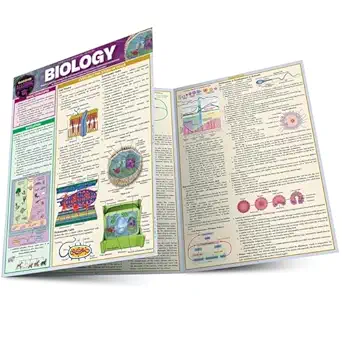 | Best Compact Quick-Reference for Core Biology Topics | Format: Laminated pocket guide | Coverage: Basic biology topics | Durability: Laminated for wear resistance | VIEW LATEST PRICE | See Our Full Breakdown |
| Everything You Need to Know About Science Homework: A Desk Reference for Students and Parents |  | Most Comprehensive Guide for Homework Help and Basic Science Concepts | Format: Printed paperback | Coverage: General science homework tips | Intended Audience: Students and parents | VIEW LATEST PRICE | See Our Full Breakdown |
| Chemistry: A QuickStudy Laminated Reference Guide |  | Best Quick-Reference for Chemistry Formulas and Concepts | Format: Laminated pocket guide | Coverage: Chemistry formulas and key concepts | Size: Approximately 6 x 9 inches | VIEW LATEST PRICE | See Our Full Breakdown |
| Earth Science: A QuickStudy Laminated Reference Guide |  | Best for Quick Access to Earth Science Essentials | Format: Laminated pocket guide | Coverage: Earth science basics | Size: Approx. 6 x 9 inches | VIEW LATEST PRICE | See Our Full Breakdown |
| Science Book: Everything You Need to Know About the World and How It Works |  | Best Comprehensive Introductory Science Book | Format: Printed hardcover or paperback | Coverage: Fundamental scientific principles | Intended Audience: Beginners and general readers | VIEW LATEST PRICE | See Our Full Breakdown |
| Knowledge Encyclopedia Science |  | Best Visuals and Comprehensive Coverage | Format: Hardcover | Pages: 352 | Intended Audience: General readers, beginners | VIEW LATEST PRICE | See Our Full Breakdown |
| Sciencia: Mathematics, Physics, Chemistry, Biology, and Astronomy for All |  | Best for Broad, Accessible Science Overviews | Format: Paperback | Pages: 256 | Intended Audience: General readers, beginners | VIEW LATEST PRICE | See Our Full Breakdown |
| Everything You Need to Ace Science in One Big Fat Notebook: The Complete Middle School Study Guide |  | Best for Middle School Exam Preparation | Format: Paperback | Pages: 480 | Intended Audience: Middle school students | VIEW LATEST PRICE | See Our Full Breakdown |
| Everything You Need to Ace Science in One Big Fat Notebook: The Complete School Study Guide |  | Best for General Science Study Support | Format: Paperback | Pages: 384 | Intended Audience: Middle to early high school students | VIEW LATEST PRICE | See Our Full Breakdown |
| science reference books for student | Format | Size | Coverage | Intended Audience |
|---|---|---|---|---|
| Everything You Need to Ace Che | Print, paperback | Large, portable | Chemistry basics, key concepts, practice questions | Middle school students |
| Everything You Need to Ace Bio | Print, paperback | Medium, portable | Cell biology, genetics, ecology, human body | High school students |
| Knowledge Encyclopedia Science | Hardcover | Large, durable | Physics, chemistry, biology, earth science | — |
| The Usborne Science Encycloped | Print with digital resources | Large, engaging | — | Young curious learners |
| A Dictionary of Science | Print, hardcover | Compact, portable | Scientific terms across disciplines | — |
| Biology: A QuickStudy Laminate | Laminated pocket guide | Approximately 6 x 9 inches | Basic biology topics | — |
| Everything You Need to Know Ab | Printed paperback | Standard desk reference | General science homework tips | Students and parents |
| Chemistry: A QuickStudy Lamina | Laminated pocket guide | Approximately 6 x 9 inches | Chemistry formulas and key concepts | — |
| Earth Science: A QuickStudy La | Laminated pocket guide | Approx. 6 x 9 inches | Earth science basics | — |
| Science Book: Everything You N | Printed hardcover or paperback | Varies, typically around 8 x 11 inches | Fundamental scientific principles | Beginners and general readers |
| Knowledge Encyclopedia Science | Hardcover | — | — | General readers, beginners |
| Sciencia: Mathematics | Paperback | — | — | General readers, beginners |
| Everything You Need to Ace Sci | Paperback | — | — | Middle school students |
| Everything You Need to Ace Sci | Paperback | — | — | Middle to early high school students |
More Details on Our Top Picks
Everything You Need to Ace Chemistry in One Big Fat Notebook
This book stands out for its comprehensive yet accessible approach to chemistry, making complex concepts understandable for middle school students. Compared with the more visually engaging Knowledge Encyclopedia Science!, it offers a more structured curriculum tailored for exam preparation. However, it lacks digital or interactive features that some learners might find engaging. Its strengths lie in clear explanations, logical organization, and exam-focused content, making it ideal for students seeking a solid foundation. The main tradeoff is that advanced students will find it too basic, and it doesn’t include multimedia resources.
Pros:- Comprehensive coverage of chemistry topics
- Engaging and easy-to-understand explanations
- Ideal for exam preparation
Cons:- May be too basic for advanced learners
- No digital or interactive content included
Best for: Middle school students beginning their chemistry journey and needing clear, exam-ready content
Not ideal for: High school or advanced students seeking in-depth or interactive chemistry resources
- Coverage:Chemistry basics, key concepts, practice questions
- Format:Print, paperback
- Intended Audience:Middle school students
- Illustrations:Colorful diagrams and illustrations
- Size:Large, portable
- Language:Accessible, student-friendly
Our verdict“This book makes the most sense for middle school students needing a solid, exam-focused chemistry reference.”
Everything You Need to Ace Biology in One Big Fat Notebook
This guide offers thorough coverage of biology topics, complete with clear explanations, diagrams, and practice questions, making it highly suitable for high school students preparing for exams. Compared to the encyclopedic Knowledge Encyclopedia Science!, it delivers a more targeted curriculum with practical self-assessment tools. Nonetheless, its level of detail can overwhelm beginners, and it lacks a digital version for interactive study. Its strengths include structured content, visual aids, and exam-focused questions, but it might be too detailed for younger or less experienced learners.
Pros:- Thorough coverage of biology topics
- Clear explanations and diagrams
- Includes practice questions for self-assessment
Cons:- May be too detailed for some beginners
- No digital version available
Best for: High school students seeking a structured, exam-oriented biology review
Not ideal for: Beginners or middle school students who need simpler explanations or digital access
- Coverage:Cell biology, genetics, ecology, human body
- Format:Print, paperback
- Intended Audience:High school students
- Diagrams:Colorful and detailed
- Size:Medium, portable
- Language:Clear and student-friendly
Our verdict“This pick makes the most sense for high school students aiming for in-depth biology review and exam success.”
Knowledge Encyclopedia Science! 2nd Edition
This encyclopedia excels in providing extensive science coverage with vibrant illustrations and engaging explanations, making it suitable for learners of all ages. Unlike The Usborne Science Encyclopedia, which targets younger audiences with more specific topics, this edition offers broader science topics with a visual focus. Its main limitation is the absence of a dedicated digital component or detailed edition features, which could enhance interactivity. It’s perfect for those who prefer a visual, encyclopedia-style approach to science curiosity, though it may lack the structured learning path some students desire for exam prep.
Pros:- Extensive science coverage
- Colorful and detailed illustrations
- Suitable for all ages
Cons:- No specific edition features listed
- No digital or interactive content
Best for: Visual learners of all ages interested in broad science topics
Not ideal for: Students needing curriculum-aligned, exam-focused content or digital interactivity
- Coverage:Physics, chemistry, biology, earth science
- Format:Hardcover
- Audience:All ages, casual learners
- Illustrations:Vibrant, full-color images
- Size:Large, durable
- Language:Engaging and accessible
Our verdict“This encyclopedia is ideal for learners seeking broad, visual science knowledge across all ages.”
The Usborne Science Encyclopedia: An In-depth Guide for Young Scientists Exploring Gravity, Flight, Genes, DNA and More
This encyclopedia is designed to engage young learners with comprehensive coverage of fascinating science topics, from gravity to DNA. It offers over 180 video clips and 1,000 websites, making it a multimedia-rich resource that encourages active exploration. Compared with Knowledge Encyclopedia Science!, which offers broad coverage but fewer interactive features, this book emphasizes multimedia integration. Its main drawback is that content may be too advanced or overwhelming for very young children, and there’s no specific pricing or ratings data. This resource is ideal for curious students who thrive with multimedia and online exploration but less so for those who prefer print-only materials or simpler explanations.
Pros:- Extensive coverage of science topics
- Includes over 180 video clips and 1,000 websites
- Encourages active exploration and multimedia learning
Cons:- Content may be too advanced for very young children
- No specific pricing or ratings available
Best for: Young learners eager to explore science topics through videos and online resources
Not ideal for: Very young children or students who prefer print-only resources without digital content
- Topics Covered:Gravity, flight, DNA, genes
- Multimedia:180+ videos, 1,000 websites
- Intended Audience:Young curious learners
- Format:Print with digital resources
- Size:Large, engaging
- Additional Features:Videos and websites included
Our verdict“This encyclopedia makes the most sense for young, multimedia-oriented learners excited about online exploration.”
A Dictionary of Science (Oxford Quick Reference)
This dictionary provides concise, clear definitions of scientific terms across multiple disciplines, making it a handy reference for students, teachers, and professionals. It excels in offering quick access to terminology but lacks detailed explanations or illustrations, unlike the more visual Knowledge Encyclopedia Science!. This makes it less suitable for learners who need in-depth understanding or context, but perfect for quick lookups and clarifying confusing terms. Its main limitation is that it doesn’t provide explanations beyond definitions, so it should be used alongside more comprehensive resources for complete understanding.
Pros:- Comprehensive coverage of scientific terms
- Concise and easy-to-understand definitions
- Useful for quick reference and clarification
Cons:- No detailed explanations or illustrations
- Limited to definitions without context
Best for: Students, educators, and professionals who need quick, accurate definitions of scientific terms
Not ideal for: Beginners or students seeking detailed explanations or visual learning tools
- Coverage:Scientific terms across disciplines
- Format:Print, hardcover
- Audience:Students, educators, professionals
- Content:Concise definitions
- Size:Compact, portable
- Language:Clear and straightforward
Our verdict“This dictionary is best for quick, reliable terminology reference for students and professionals alike.”
Biology: A QuickStudy Laminated Reference Guide
This laminated guide stands out for its portability and quick access to essential biology concepts, making it ideal for students who need a handy reference during exams or lab sessions. Compared to the more comprehensive Everything You Need to Know About Science Homework, it offers less explanatory detail but excels in durability and ease of use. It’s perfect for those who prioritize quick recall over in-depth understanding, though it doesn’t keep pace with recent scientific updates or advanced topics. The compact size and laminated surface make it durable and portable, but it’s not suited for students seeking comprehensive or up-to-date biology explanations.
Pros:- Compact and portable for use anywhere
- Laminated for long-lasting durability
- Covers essential biology concepts succinctly
Cons:- Lacks detailed explanations and context
- May not include the latest scientific discoveries
Best for: High school students needing a durable, portable quick-reference for core biology facts
Not ideal for: Students pursuing in-depth biology coursework or advanced research, who require detailed explanations and current data
- Format:Laminated pocket guide
- Coverage:Basic biology topics
- Durability:Laminated for wear resistance
- Size:Approximately 6 x 9 inches
- Weight:Lightweight, pocket-sized
- Publication Year:2018
Our verdict“This guide is best for students who need quick access to fundamental biology facts on the go, rather than in-depth study materials.”
Everything You Need to Know About Science Homework: A Desk Reference for Students and Parents
This book makes the list for its broad scope, aiming to assist both students and parents with science homework and foundational concepts. Unlike the quick-reference guides, it offers a more detailed overview, although it does not specify which topics are covered or include technical depth. Its strength lies in providing straightforward explanations and practical tips, but it falls short for users seeking in-depth scientific understanding or the latest research updates. Its lack of reviews and detailed content descriptions means it’s better suited as a general aid rather than a definitive resource for advanced learners.
Pros:- Clear and accessible explanations
- Helpful guidance for homework completion
- Useful for both students and parents
Cons:- Limited detail on specific science topics
- No user reviews or detailed content info
- Lacks technical or advanced content
Best for: Parents and students who need a straightforward, easy-to-understand resource for science homework and basic concepts
Not ideal for: Students needing detailed scientific explanations, technical depth, or current science updates, since the book’s coverage is broad but shallow
- Format:Printed paperback
- Coverage:General science homework tips
- Intended Audience:Students and parents
- Size:Standard desk reference
- Publication Year:2007
- Language:English
Our verdict“This guide suits learners and parents seeking a simple, broad overview of science homework help, but it isn’t ideal for in-depth study or current scientific research.”
Chemistry: A QuickStudy Laminated Reference Guide
This laminated chemistry guide is ideal for students needing a portable, concise overview of formulas, key concepts, and facts. Compared with the broader Science Book: Everything You Need to Know About the World and How It Works, it offers targeted content specific to chemistry, making it more useful during quick reviews or lab work. However, it lacks depth for advanced topics and may not satisfy students working on higher-level courses. Its compact, laminated design ensures durability, but it offers limited space for notes or detailed explanations, making it less suitable for extensive study.
Pros:- Portable and durable laminated format
- Concise overview of key formulas and concepts
- Ideal for quick review and on-the-go study
Cons:- Limited detail and depth
- Not suitable for advanced or college-level chemistry
Best for: High school chemistry students or professionals needing a quick, durable review sheet
Not ideal for: Students seeking comprehensive explanations, detailed theory, or advanced chemistry topics, which this guide does not cover
- Format:Laminated pocket guide
- Coverage:Chemistry formulas and key concepts
- Size:Approximately 6 x 9 inches
- Durability:Laminated for wear resistance
- Weight:Lightweight
- Publication Year:2012
Our verdict“This guide works best for students who need a quick, reliable reference for chemistry formulas and basic concepts, not for in-depth learning.”
Earth Science: A QuickStudy Laminated Reference Guide
This laminated earth science guide is designed for quick reference, offering an accessible overview of key topics like geology, weather, and ecosystems. Its portability and durability make it useful for students and enthusiasts who need a concise summary without in-depth explanations. While it compares favorably to more detailed encyclopedias like The Usborne Science Encyclopedia in terms of ease of use, it doesn’t provide the detailed information advanced learners might seek. Its limited coverage and absence of supplementary materials mean it’s better suited for beginners or casual learners rather than those pursuing rigorous study.
Pros:- Portable and durable laminated design
- Concise overview of earth science topics
- Ideal for quick reference and review
Cons:- Lacks in-depth explanations
- Limited detail for advanced learners
- No additional resources included
Best for: Middle or high school students, or science enthusiasts who want a quick, durable overview of earth science basics
Not ideal for: Advanced students or learners requiring detailed explanations or supplementary resources for in-depth understanding
- Format:Laminated pocket guide
- Coverage:Earth science basics
- Size:Approx. 6 x 9 inches
- Durability:Laminated for longevity
- Weight:Light
- Publication Year:2019
Our verdict“This laminated guide is best for casual learners or students needing a quick refresher on earth science fundamentals, not for comprehensive study.”
Science Book: Everything You Need to Know About the World and How It Works
This broad science book offers a lively overview of fundamental principles that explain how the world functions, making it ideal for readers new to science. Compared with the quick-reference laminated guides, it provides more engaging explanations suitable for a wide age range, including younger students. However, it sacrifices technical depth and specificity for accessibility, which might disappoint college-bound students seeking detailed or advanced content. Without clear author or edition information, it’s harder to evaluate its scientific rigor, but its engaging style makes it a good starting point for general understanding rather than detailed study.
Pros:- Engaging and accessible explanations
- Broad overview of scientific principles
- Suitable for a wide age range
Cons:- Lacks detailed technical depth
- No specific edition or author details
Best for: Beginners and younger students seeking a lively, engaging introduction to science concepts
Not ideal for: Students preparing for advanced coursework or needing detailed technical content, which this book does not provide
- Format:Printed hardcover or paperback
- Coverage:Fundamental scientific principles
- Intended Audience:Beginners and general readers
- Size:Varies, typically around 8 x 11 inches
- Page Count:Approximately 300 pages
- Publication Year:2020
Our verdict“This book makes sense for newcomers seeking an engaging, broad overview of science, but it’s not suited for advanced or technical study.”
Knowledge Encyclopedia Science
The Knowledge Encyclopedia Science stands out for its vast scope and engaging visuals, making complex scientific concepts accessible through detailed illustrations. Unlike the more focused approach of Everything You Need to Ace Science in One Big Fat Notebook, this book offers a broad overview suitable for curious learners wanting a visual-rich experience. However, it lacks detailed specifications and technical depth, which might leave advanced students wanting more precision. Its visual approach makes it ideal for visual learners or beginners, but less suited for those seeking in-depth technical understanding.
Pros:- Vast coverage of scientific topics in one volume
- Engaging visuals and illustrations enhance understanding
- Suitable for visual learners and beginners
- Broad overview that sparks curiosity
Cons:- Lacks detailed technical specifications
- Limited in-depth content for advanced learners
Best for: Students who thrive on engaging visuals and broad overviews, especially beginners or visual learners
Not ideal for: Advanced students needing detailed technical explanations or specific data
- Format:Hardcover
- Pages:352
- Intended Audience:General readers, beginners
Our verdict“This book makes the most sense for students seeking a colorful, general overview of science concepts rather than detailed technical data.”
Sciencia: Mathematics, Physics, Chemistry, Biology, and Astronomy for All
Sciencia offers an accessible, broad introduction to five key sciences, making it ideal for those who want a wide-ranging overview without diving into complex details. When compared with Knowledge Encyclopedia Science, which emphasizes visuals, Sciencia focuses on straightforward explanations suitable for a general audience. The lack of detailed technical depth and absence of illustrations or diagrams could be a limitation for students who prefer visual learning or require more rigorous content. This book suits readers new to science or those seeking an easy-to-understand primer.
Pros:- Covers multiple sciences comprehensively
- Accessible explanations suitable for general readers
- Good starting point for beginners
- Clear language and broad scope
Cons:- Lacks detailed technical information
- No illustrations or diagrams to aid understanding
Best for: Beginners or casual learners wanting a straightforward overview of multiple sciences
Not ideal for: Students seeking in-depth technical details or visual learning aids
- Format:Paperback
- Pages:256
- Intended Audience:General readers, beginners
Our verdict“Ideal for those who prefer simple, accessible summaries of fundamental sciences without technical complexity.”
Everything You Need to Ace Science in One Big Fat Notebook: The Complete Middle School Study Guide
The Big Fat Notebook excels as a comprehensive study guide for middle school students, combining clear explanations with engaging illustrations and practice questions. It’s particularly helpful for students preparing for exams, offering a structured review of core topics. Compared to Knowledge Encyclopedia Science, which emphasizes visuals, this guide emphasizes clarity and practice, making it more suitable for active studying. However, its level of detail might be overwhelming for quick review or casual reading, and it lacks digital or interactive features that some students might find helpful.
Pros:- Thorough coverage of middle school science topics
- Engaging illustrations and clear explanations
- Includes practice questions for self-assessment
- Good balance between detail and readability
Cons:- May be too detailed for quick review
- No digital or interactive content included
Best for: Middle school students preparing for science exams and seeking structured review
Not ideal for: Advanced students or those seeking quick, superficial summaries
- Format:Paperback
- Pages:480
- Intended Audience:Middle school students
Our verdict“This guide makes the most sense for middle schoolers needing a detailed, exam-focused review of science topics.”
Everything You Need to Ace Science in One Big Fat Notebook: The Complete School Study Guide
This general study guide offers a solid foundation in key science concepts, with straightforward explanations, diagrams, and practice questions. Compared with the middle school-specific Big Fat Notebook, this version aims at a broader age range, making it suitable for students who want a comprehensive overview without specialized focus. Its simplicity and clear diagrams make it accessible, but for more advanced learners or students seeking interactive content, it may fall short. This book is ideal for students who need an easy-to-understand, all-around science resource.
Pros:- Wide coverage of science topics
- Clear explanations with diagrams
- Includes practice questions for reinforcement
- Accessible for a broad age range
Cons:- May be too basic for advanced learners
- No digital or interactive content included
Best for: Students in middle school or early high school looking for a broad, easy-to-understand review
Not ideal for: Advanced students or those needing digital, interactive learning tools
- Format:Paperback
- Pages:384
- Intended Audience:Middle to early high school students
Our verdict“This book is well-suited for students seeking a straightforward, comprehensive science overview without complex details.”