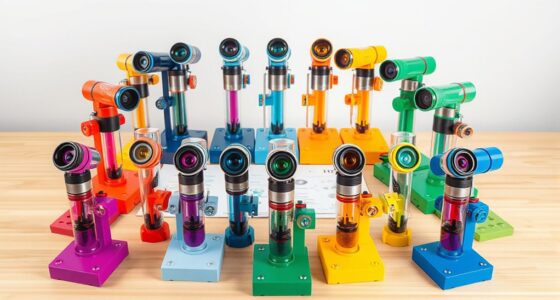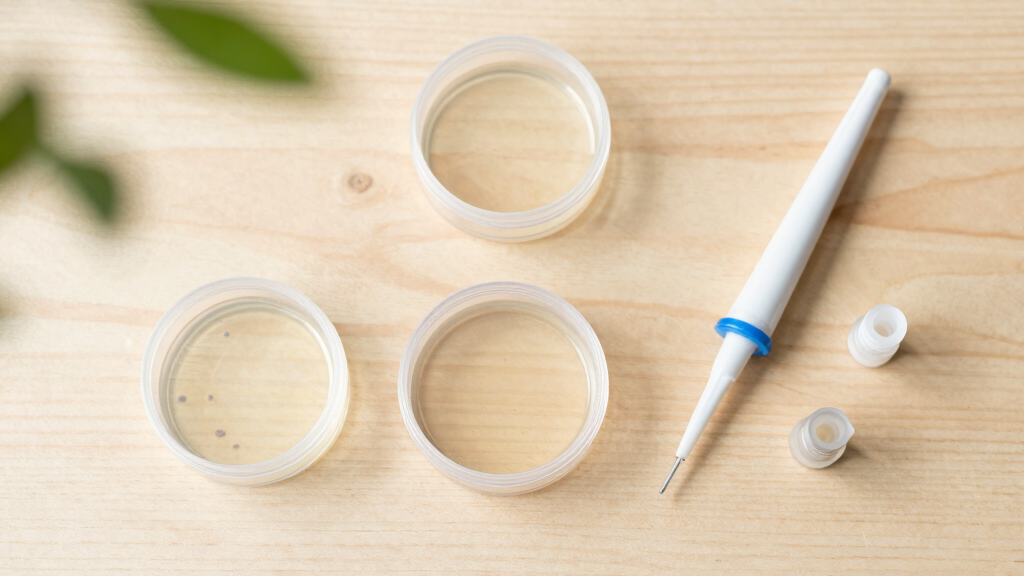

Finding the best microcarrier culture vessels depends on factors like cell attachment efficiency, material compatibility, and scale. The Corning 4621 Polystyrene Enhanced Attachment Microcarrier stands out as the top overall choice for its reliable attachment properties and large-scale capacity. For budget-conscious labs, the Corning 4625 Polystyrene Untreated Microcarrier offers good performance at a lower price point, though it may require more optimization. Meanwhile, the Corning 3772 Microcarrier, Untreated, 10G provides versatility for varied cell types. Keep in mind that tradeoffs often involve balancing cost, ease of use, and cell compatibility. Continue reading for a detailed breakdown of each option to find the best fit for your needs.

Prime made for students and young adults
- Fast, free delivery for dorm and study essentials
- Prime Video and Amazon Music included
- Member-only deals
Key Takeaways
- The top-ranked vessel, Corning 4621, excels in attachment enhancement and large-scale processing.
- Material treatment (treated vs untreated) significantly impacts cell attachment efficiency and culture outcomes.
- Cost-effective options like Corning 4625 are suitable for smaller labs or early-stage research but may require additional optimization.
- Size and carrier density should align with your scale of production and cell type requirements for optimal results.
- Ease of handling and sterilization features vary, influencing workflow and contamination risk.
| Corning 3786 Microcarrier, Collagen Coated, 10G |  | Best Overall for Consistent Cell Attachment | Product Dimensions: 5 x 2 x 6 inches | Item Weight: 0.64 ounces | Material: Polystyrene | VIEW LATEST PRICE | See Our Full Breakdown |
| Corning 4625 Polystyrene Untreated Microcarrier, 500g, Sterile |  | Best Value for Large-Scale Laboratory Use | Material: Polystyrene | Weight: 500g | Sterility: Sterile | VIEW LATEST PRICE | See Our Full Breakdown |
| Corning 3772 Microcarrier, UnTreated, 10G |  | Best for Scale-Up in Bioreactors | Package Dimensions: 3.94 x 3.94 x 3.94 inches | Item Weight: 10.6 ounces | Material: Polystyrene | VIEW LATEST PRICE | See Our Full Breakdown |
| Corning 4624 Polystyrene Untreated Microcarrier, 100g |  | Best for Small-Scale Laboratory Applications | Material: Polystyrene | Weight: 100g | Sterility: Sterile | VIEW LATEST PRICE | See Our Full Breakdown |
| Corning 3779 Enhanced Attachment Microcarrier, 10 g Vial |  | Best for Improved Cell Attachment in Culture | Material: USP Class VI polystyrene | Volume: 10 g | Sterility Assurance Level: 10^-6 | VIEW LATEST PRICE | See Our Full Breakdown |
| Corning 4621 Polystyrene Enhanced Attachment Microcarrier, 500g, Sterile | | Best for Improved Cell Attachment in Large-Scale Cultures | Material: Polystyrene | Weight: 500g | Sterility: Sterile | VIEW LATEST PRICE | See Our Full Breakdown |
More Details on Our Top Picks
Corning 3786 Microcarrier, Collagen Coated, 10G
The Corning 3786 Microcarrier stands out for its collagen coating, which promotes reliable cell attachment in bioreactor setups. Compared to the untreated options like Corning 4625, its coated surface reduces the need for additional coatings, streamlining scalable processes. While the collagen layer enhances attachment, the untreated surface of other carriers may require extra preparation, adding complexity. This model is especially suited for those needing a ready-to-use, sterile platform with predictable cell growth outcomes. However, its limited surface customization options might be a drawback for researchers working with specialized cell types that need specific coatings.
Pros:- Sterile, ready-to-use collagen coating enhances cell attachment
- Made from biocompatible, high-quality polystyrene
- Provides a stable, consistent platform for scalable bioreactor applications
Cons:- Untreated surface may require extra coatings for some cell types
- Limited information on compatibility with specific cell lines
Best for: Bioprocessing facilities seeking a high-sterility, ready-to-use carrier with consistent attachment properties
Not ideal for: Labs requiring customizable surface coatings for specialized or sensitive cell lines
- Product Dimensions:5 x 2 x 6 inches
- Item Weight:0.64 ounces
- Material:Polystyrene
- Sterility:USP Class VI, sterile
- Coating:Collagen
- Weight:10 grams
Bottom line: This product is ideal for large-scale bioprocessing where reliable attachment and sterility are priorities.
Corning 4625 Polystyrene Untreated Microcarrier, 500g, Sterile
Compared with collagen-coated options like Corning 3786, the Corning 4625 Untreated Microcarrier offers a budget-friendly, bulk package suitable for extensive experiments. Its untreated surface provides flexibility for researchers who prefer to add their own coatings or surface modifications, though it may require additional preparation. The large 500g quantity makes it cost-effective for laboratories with high-volume needs, but the lack of specific surface details means users must handle it with care to ensure proper cell attachment. This product is a solid choice for labs that want versatility and volume, but less so for those needing an immediately ready, coated platform.
Pros:- Sterile and contamination-free for lab environments
- Large bulk package offers excellent value for extensive use
- Made of high-quality polystyrene suitable for various cell types
Cons:- No surface treatment limits immediate cell attachment without additional steps
- Limited application details provided, requiring user familiarity
Best for: Research labs requiring high quantities of untreated microcarriers for customizable experiments
Not ideal for: Facilities needing ready-to-use, coated carriers for fast deployment or sensitive cell lines
- Material:Polystyrene
- Weight:500g
- Sterility:Sterile
- Type:Untreated Microcarrier
Bottom line: This product suits labs that prefer bulk, untreated carriers for flexible, large-scale cell culture projects.
Corning 3772 Microcarrier, UnTreated, 10G
The Corning 3772 Microcarrier offers a high-quality, sterile, untreated platform designed specifically for bioreactor applications. Its USP Class VI certification ensures safety and compatibility with sensitive cell lines, making it ideal for research and industrial scale-up. Unlike collagen-coated options, its untreated surface allows for custom coatings, but this might require extra steps for some cell types. Compared to the 3786 model, its focus on scale-up environments makes it a better choice for manufacturing rather than immediate cell attachment needs. The limited surface customization options could be a drawback for specialized applications that demand specific coatings.
Pros:- Sterile, ready-to-use, and designed for scale-up
- Made from high-quality USP Class VI polystyrene
- Untreated surface allows for custom coating and modifications
Cons:- Untreated surface may need additional coatings for some cell types
- Limited info on specific cell compatibility
Best for: Industrial or research facilities focused on bioreactor-based scale-up processes requiring a reliable, untreated carrier
Not ideal for: Small labs or projects needing immediate cell attachment without additional surface modifications
- Package Dimensions:3.94 x 3.94 x 3.94 inches
- Item Weight:10.6 ounces
- Material:Polystyrene
- Sterility:Sterile, USP Class VI
- Treatment:Untreated
- Country of Origin:United States
Bottom line: This carrier fits large-scale bioreactor operations that need customizable, sterile microcarriers for industrial applications.
Corning 4624 Polystyrene Untreated Microcarrier, 100g
The Corning 4624 Microcarrier offers a compact, sterile, untreated platform suitable for small-scale cell culture experiments. While it shares the untreated surface approach of larger carriers like 4625, its smaller 100g package makes it ideal for preliminary studies or limited-scope research. Its lightweight design and high-quality polystyrene facilitate handling, but the lack of detailed application guidance could challenge less experienced users. Compared with bulk options, this product is less suited for high-volume bioprocessing, but it provides a reliable, flexible base for testing new cell attachment methods or coatings.
Pros:- Sterile, suitable for sensitive cell cultures
- Lightweight and easy to handle
- Made from high-quality polystyrene
Cons:- Limited quantity not ideal for large-scale applications
- No detailed surface or application information provided
Best for: Academic or small biotech labs conducting pilot studies or preliminary cell culture work
Not ideal for: Large-scale bioprocessing facilities needing bulk carriers for industrial production
- Material:Polystyrene
- Weight:100g
- Sterility:Sterile
Bottom line: This product is perfect for small-scale experiments and early-stage research requiring flexible, untreated carriers.
Corning 3779 Enhanced Attachment Microcarrier, 10 g Vial
The Corning 3779 Microcarrier features an enhanced surface treatment infused with oxygen, aimed at boosting cell attachment efficiency. Compared to untreated options like 4624 or 3772, this carrier’s surface modification can reduce the time and effort needed for cell adherence, making it ideal for sensitive or fast-growing cell lines. Its high sterility assurance level and nonpyrogenic certification add to its suitability for clinical or manufacturing settings. However, this focus on enhanced attachment limits its use to standard cell culture applications, and handling sterile materials demands care. For labs seeking faster attachment without additional coatings, this model offers a clear advantage.
Pros:- Surface treatment enhances cell attachment
- High sterility assurance level for safety
- Certified nonpyrogenic for cell culture applications
Cons:- Limited to cell culture applications, not suitable for other uses
- Requires careful handling of sterile materials
Best for: Cell culture labs needing high attachment efficiency for sensitive or fast-growing cells
Not ideal for: Projects that require uncoated carriers or broad application across multiple cell types without modification
- Material:USP Class VI polystyrene
- Volume:10 g
- Sterility Assurance Level:10^-6
- Certification:Nonpyrogenic
Bottom line: This carrier is well-suited for laboratories prioritizing rapid and reliable cell attachment in standard culture workflows.
Corning 4621 Polystyrene Enhanced Attachment Microcarrier, 500g, Sterile
The Corning 4621 Polystyrene Enhanced Attachment Microcarrier stands out for its ability to promote robust cell attachment, making it ideal for cultures requiring high adherence. Compared with the Corning 4625 Untreated Microcarrier, this model offers a significant advantage in attachment efficiency, which can lead to higher yields and more consistent results. However, the lack of detailed application data and absence of user reviews leave some uncertainty about its performance across different cell types. Its US-made quality ensures reliability, but without specific application guidance, users may need to conduct preliminary testing.
This pick is best suited for laboratories needing dependable attachment surfaces for large-volume cell cultures.
Pros:- Provides enhanced cell attachment, improving culture efficiency
- Sterile, ready-to-use for laboratory standards
- Manufactured in the United States ensuring high quality
Cons:- Limited information on specific cell types or applications
- No available user reviews to confirm real-world performance
- No coating options or surface modifications for specialized needs
Best for: Research labs and industrial facilities focused on large-scale cell culture projects requiring strong cell attachment.
Not ideal for: Small labs or startups with limited budgets that prefer more versatile or coated microcarriers with documented performance data.
- Material:Polystyrene
- Weight:500g
- Sterility:Sterile
- Country of Origin:United States
Bottom line: This microcarrier suits laboratories prioritizing attachment strength and US-manufactured quality, especially in large-volume applications.
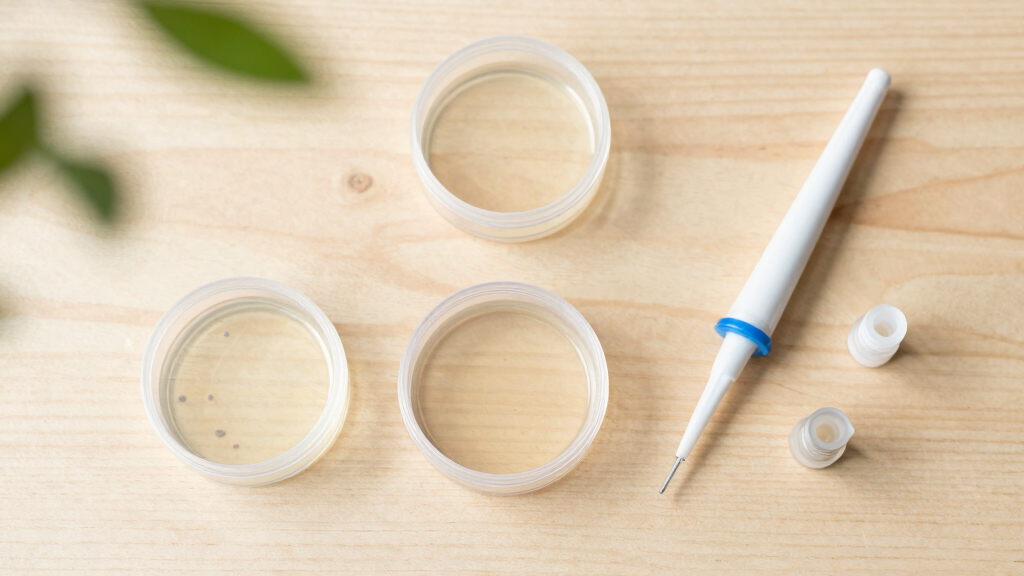
How We Picked
The products were evaluated based on performance in cell attachment, scalability, and material quality. Ease of handling, compatibility with common cell lines, and sterilization procedures also influenced rankings. We prioritized vessels that balanced reliability with practical usability in typical lab settings, giving higher scores to those with proven track records and versatile features. Cost-effectiveness was considered but only after ensuring core functionality met industry standards. This approach ensures the selected products are suitable for a range of research and production needs, from small labs to large-scale manufacturing.Factors to Consider When Choosing Best Microcarrier Culture Vessels
Choosing the right microcarrier culture vessel requires understanding several key factors that influence cell growth, handling, and overall process efficiency. Beyond initial costs, considering the material, size, and attachment properties can significantly affect your culture outcomes. It’s also important to match the vessel’s scale with your production needs and to evaluate ease of sterilization and handling, which impact workflow and contamination risk. Making an informed decision involves balancing these factors to optimize both performance and budget.Material and Surface Treatment
Microcarriers come in untreated, collagen-coated, or specially treated surfaces. Treated surfaces often enhance cell attachment, reducing culture time and increasing yield, especially for sensitive cell lines. Untreated carriers are more versatile but may require additional surface modification or longer culture periods. Understanding your cell type’s attachment preferences helps in choosing the right material to avoid culture failures or prolonged incubation times.
Scale and Size
The size and quantity of microcarriers should match your production scale. Larger carriers or higher carrier densities support bigger cultures, but may require more complex mixing and handling. Smaller carriers are suitable for small-scale experiments or early testing but might not scale efficiently for industrial use. Matching vessel size with your growth requirements minimizes waste and maximizes cell yield.
Ease of Handling and Sterilization
Some vessels and carriers are designed for easier handling, with features like pre-sterilized packaging or simplified loading. Consider whether the vessel requires special equipment for mixing or harvesting. Sterilization compatibility—whether through autoclaving, gamma irradiation, or pre-sterilized packaging—can influence workflow and contamination control, especially in high-throughput environments.
Cost and Value
While premium carriers often promise better performance, they come at a higher price, which may not be justified for all applications. Conversely, budget options might save money upfront but could lead to longer culture times or lower yields, increasing overall costs. Evaluating the total cost of ownership—including scalability, durability, and potential reusability—helps determine the best value for your specific needs.
Compatibility and Versatility
Not all carriers support every cell type equally. Some are optimized for adherent cells, while others can support suspension cultures. Consider your specific cell line’s attachment and growth characteristics. Versatile carriers that work across multiple cell types provide flexibility, reducing the need for multiple vessel types and simplifying inventory management.
Frequently Asked Questions
How do I determine the right size of microcarrier for my culture?
The appropriate size depends on your culture scale and cell type. Larger carriers support bigger volumes but can be more difficult to mix evenly, while smaller carriers are more manageable for small-scale experiments. Consider your total cell yield goals and the capacity of your bioreactor or culture vessel, then select a size that balances surface area with handling practicality.
Are treated microcarriers always better than untreated?
Not necessarily. Treated carriers, like collagen-coated options, typically improve cell attachment, which is crucial for certain sensitive cell types. However, untreated carriers are more versatile and may be suitable for cells that attach readily without surface modification. Your choice should depend on your specific cell line’s attachment requirements and your culture conditions.
Can I reuse microcarriers for multiple cultures?
Reusability depends on the material and sterilization method. Some carriers are designed for single-use to prevent contamination, while others can be sterilized and reused multiple times, reducing costs. Be aware that repeated sterilization might degrade surface properties, affecting attachment and growth. Always follow manufacturer guidelines to maintain culture integrity.
What are the main tradeoffs between cost and performance?
Higher-priced carriers often provide enhanced attachment properties, better scalability, and easier handling, which can save time and improve yields. Cheaper options may require additional optimization, longer culture times, or lower yields, potentially increasing overall costs. Balancing your budget with your performance needs will help you select the best vessel for your application.
How important is material compatibility with my cell line?
Material compatibility is critical, as some cell lines are sensitive to certain carrier surfaces or materials. Using incompatible carriers can lead to poor attachment, delayed growth, or cell death. Always verify that the carrier material supports your specific cell type, and consider running small-scale tests before large-scale culture to confirm suitability.
Conclusion
For laboratories seeking a reliable, high-performance vessel, the Corning 4621 Polystyrene Enhanced Attachment Microcarrier makes the most sense for its proven attachment efficiency and scalability, earning the spot of best overall. Budget-conscious users or small labs should consider the Corning 4625 Polystyrene Untreated Microcarrier, which balances cost with functional performance. Those new to microcarrier cultures or with smaller-scale needs will benefit from simpler, pre-sterilized options like the Corning 3779 Enhanced Attachment Microcarrier. For large-scale industrial applications, investing in high-capacity, treated carriers like the Corning 4621 could justify the higher upfront cost. Ultimately, your choice hinges on your specific cell type, scale, and budget constraints.
As an affiliate, we earn on qualifying purchases.Evergreen bestsellers Picks
bestsellers