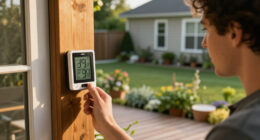
If you’re searching for a weather alert radio with solar charging, you’re looking for a device that combines reliable alerts with renewable power. The best overall pick, the Raynic Solar Radio, balances a large battery with versatile features. For those prioritizing long-lasting power, the NOAA Weather Radio with 20000mAh Emergency Power stands out. Meanwhile, the FosPower NOAA Emergency Weather Radio A1 offers a compact, budget-friendly option. Each model faces tradeoffs between battery capacity, ease of use, and additional features. Keep reading for a detailed breakdown of these options to find the perfect fit for your needs.

Prime made for students and young adults
- Fast, free delivery for dorm and study essentials
- Prime Video and Amazon Music included
- Member-only deals
Key Takeaways
- Top models combine high-capacity batteries with multiple charging options, ensuring long-term power during emergencies.
- Built-in features like NOAA alerts, SOS functions, and flashlights are essential for comprehensive preparedness.
- Compact designs may sacrifice battery capacity but improve portability, ideal for outdoor use or limited space.
- Higher-priced models tend to offer better durability and more advanced alert and charging features.
- Choosing the right device depends on balancing battery size, ease of use, and additional functionalities based on individual needs.
| Eoxsmile NOAA Emergency Weather Radio Hand Crank Solar 12000mAh Battery |  | Best Overall for Versatile Emergency Preparedness | Battery Capacity: 12000mAh | Power Sources: Solar, hand crank, USB, wall outlet, AAA batteries | Weight: 1.4 lbs | VIEW ON AMAZON | See Our Full Breakdown |
| NITIGO Emergency Weather Radio with 4000mAh Battery, NOAA Weather, Solar Charging, LED Flashlight, SOS Alarm |  | Best for Compact, Daily Use with Emergency Readiness | Battery Capacity: 4000mAh | Charging Methods: Solar, Hand Crank, USB | Power Output: USB port | VIEW ON AMAZON | See Our Full Breakdown |
| NOAA Weather Radio with S.A.M.E. County Alerts and 12000mAh Hand Crank Solar Power |  | Best for County-Specific Alert Customization and Extended Power | Battery Capacity: 12000mAh | Solar Panel: 8,500mm² | Power Output: Up to 650mA | VIEW ON AMAZON | See Our Full Breakdown |
| 10,000mAh Emergency Weather Radio with AM/FM/NOAA Alerts and Built-in Flashlights |  | Best for Long-Lasting Power and All-in-One Emergency Features | Battery Capacity: 10,000mAh | Power Options: Solar, hand crank, AC | NOAA Weather Channels: 7 | VIEW ON AMAZON | See Our Full Breakdown |
| Emergency Hand Crank Solar Radio with NOAA/AM/FM/SW Bands, Bluetooth, Flashlight, SOS, and Power Bank |  | Best for Versatile Outdoor and Emergency Connectivity | Power Source: Battery, Type-C, Hand Crank, Solar | Frequency: 108 MHz | Connectivity Technology: Bluetooth | VIEW ON AMAZON | See Our Full Breakdown |
| Mesqool Emergency Weather Radio NOAA Alert with Battery Backup 12000mAh |  | Best Overall for Heavy-Duty Emergency Preparedness | Battery Capacity: 12000mAh | Solar Panel Size: 8500mm² | Dimensions: 6.8 x 2.9 x 4.7 inches | VIEW ON AMAZON | See Our Full Breakdown |
| Emergency NOAA Weather Radio with 10000mAh Battery, Solar & Hand Crank Power, AM/FM/NOAA |  | Best for Versatile Power Options and Compact Emergency Use | Battery Capacity: 10000mAh | Power Sources: Hand crank, solar, AC, USB-C, 3×AA batteries (not included) | Radio Frequencies: AM (520-1710 KHz), FM (87-108 MHz), NOAA (162.400-162.550 MHz) | VIEW ON AMAZON | See Our Full Breakdown |
| Prunus J-366 Emergency Radio with 3 Charging Cables and NOAA Weather Alert |  | Best Compact Emergency Radio with Device Charging Cables | Power Bank Capacity: 7400mWh | Charging Cables: Lightning, USB-C, Micro USB | Radio Frequencies: NOAA WB 162.400–162.550MHz, FM 87–108MHz, AM 520–1710kHz | VIEW ON AMAZON | See Our Full Breakdown |
| Raynic Solar Radio with 12000mAh Battery, Emergency Weather Radio with AM/FM/SW/NOAA Alerts, Hand Crank, Solar, USB, Type-C, Flashlight, SOS Siren |  | Best for Outdoor Enthusiasts with Wide Band Reception | Battery Capacity: 12000mAh | Charging Options: AC, USB, hand crank, solar | Display: HD LCD | VIEW ON AMAZON | See Our Full Breakdown |
| NOAA Weather Radio with 20000mAh Emergency Power, Hand Crank & Solar |  | Best Heavy-Duty Power Bank with Weather Alerts | Battery Capacity: 20000mAh | Charging Options: Solar, hand crank, Type-C | Radio Reception: NOAA/AM/FM/SW 360° antenna | VIEW ON AMAZON | See Our Full Breakdown |
| FosPower NOAA Emergency Weather Radio A1 – 7400mWh Solar Hand Crank (Orange) |  | Best for Compact Reliability and Basic Emergency Needs | Power Bank Capacity: 7400mWh (2000mAh) | Power Sources: Solar, Hand Crank, AAA Batteries | Radio Bands Supported: AM, FM, WB | VIEW ON AMAZON | See Our Full Breakdown |
| Emergency Weather Radio with Large Solar Panel and Hand Crank |  | Best for High-Efficiency Solar Charging and Device Power | Solar Panel: 8500mm² monocrystalline | Battery Capacity: 12000mAh | Flashlight Power: 5W | VIEW ON AMAZON | See Our Full Breakdown |
| NOAA Weather Radio with 12000mAh Power Bank, Emergency Portable Radio with Hand Crank & Solar Charging |  | Best for Extended Emergency Power and All-in-One Functionality | Battery Capacity: 12000mAh | Solar Panel: 8500mAh monocrystalline | Radio Channels: NOAA 7 preset, AM/FM | VIEW ON AMAZON | See Our Full Breakdown |
| weather alert radio with solar charging | Battery Capacity |
|---|---|
| Eoxsmile NOAA Emergency Weathe | 12000mAh |
| NITIGO Emergency Weather Radio | 4000mAh |
| NOAA Weather Radio with S.A.M. | 12000mAh |
| 10,000mAh Emergency Weather Ra | 10,000mAh |
| Emergency Hand Crank Solar Rad | — |
| Mesqool Emergency Weather Radi | 12000mAh |
| Emergency NOAA Weather Radio w | 10000mAh |
| Prunus J-366 Emergency Radio w | — |
| Raynic Solar Radio with 12000m | 12000mAh |
| NOAA Weather Radio with 20000m | 20000mAh |
| FosPower NOAA Emergency Weathe | — |
| Emergency Weather Radio with L | 12000mAh |
| NOAA Weather Radio with 12000m | 12000mAh |
More Details on Our Top Picks
Eoxsmile NOAA Emergency Weather Radio Hand Crank Solar 12000mAh Battery
This option stands out for its robust 12000mAh battery capacity and multiple power sources, including solar, hand crank, USB, and wall outlet, making it highly reliable during extended outages. It also functions as an LED flashlight and reading lamp, providing versatile lighting in dark environments. Compared with the NITIGO Emergency Weather Radio, it offers greater battery capacity but is heavier at 1.4 lbs, which could be less convenient for portability. The built-in USB port allows charging phones, keeping you connected, but the device requires some setup for optimal alert configuration, and AAA batteries are not included. This radio is ideal for users seeking a durable, multi-function device for comprehensive emergency kits.
Pros:- High-capacity 12000mAh battery supports long-term use
- Multiple power sources ensure continuous operation
- Built-in USB port can charge phones or devices
- LED flashlight and reading lamp add versatile lighting
Cons:- Relatively heavy at 1.4 lbs, less ideal for frequent carrying
- Requires setup to configure alert features
- AAA batteries not included, adding to initial cost
Best for: Families or outdoor enthusiasts who need a highly reliable, multi-power source radio for extended emergency situations.
Not ideal for: Lightweight backpackers or those prioritizing ultra-portability, due to its weight and size.
- Battery Capacity:12000mAh
- Power Sources:Solar, hand crank, USB, wall outlet, AAA batteries
- Weight:1.4 lbs
- Dimensions:6.8×3.7×2.9 inches
- Lighting:LED flashlight and reading lamp
- Features:NOAA alerts, LCD display, digital tuner, SOS button, child lock
Our verdict“This radio suits users seeking a feature-rich, dependable emergency device for home and outdoor use, accepting some extra weight for versatility.”
NITIGO Emergency Weather Radio with 4000mAh Battery, NOAA Weather, Solar Charging, LED Flashlight, SOS Alarm
This model is better suited to users who want a compact device with essential emergency features, including NOAA alerts, a built-in flashlight, and SOS alarm. Its 4000mAh battery offers enough power for regular outdoor activities and short-term emergencies but falls short compared to larger-capacity options like the Eoxsmile or NOAA Weather Radio with S.A.M.E. Alerts. The multiple charging options, including solar and hand crank, support continuous operation, but the battery life can be limited if you use multiple features frequently. Manual operation of some functions may be challenging during stressful situations. It’s ideal for those who value portability over extended power capacity.
Pros:- Compact and lightweight for portability
- Multiple charging options ensure power in emergencies
- Built-in flashlight and SOS alarm enhance safety
- Clear NOAA weather alerts for timely updates
Cons:- Limited battery capacity for extended use
- Sound quality may be affected in noisy environments
- Manual operation could be difficult under stress
Best for: Hikers, campers, or outdoor enthusiasts needing a small, reliable emergency radio with basic alerting and charging capabilities.
Not ideal for: Users seeking long-term power solutions or larger displays, as its smaller size limits extended use and detailed interface.
- Battery Capacity:4000mAh
- Charging Methods:Solar, Hand Crank, USB
- Power Output:USB port
- LED Flashlight:Yes
- Retractable Reading Lamp:Yes, 180-degree
- SOS Alarm:Yes
Our verdict“This radio makes the most sense for outdoor users who prioritize portability and quick access to essential alerts and lighting, accepting shorter battery life.”
NOAA Weather Radio with S.A.M.E. County Alerts and 12000mAh Hand Crank Solar Power
This radio excels for users who need precise, location-specific alerts with the support of S.A.M.E. technology, covering multiple counties and alert types. Its 12000mAh battery, along with solar, hand crank, and USB charging, offers excellent power flexibility similar to the Eoxsmile. The high-sensitivity reception with noise reduction and an extended antenna ensures clear, reliable updates. While its complex setup may intimidate casual users and the bulkier design reduces portability, it compensates with advanced alert customization and powerful features like a 115dB SOS siren and 110dB sound level. It’s ideal for serious preparedness and outdoor adventurers who want detailed, region-specific alerts paired with robust power options.
Pros:- Supports county-specific NOAA alerts with customizable regions
- Multiple power sources including solar, hand crank, and USB
- High-sensitivity reception with noise reduction
- Includes flashlight, SOS siren, and multiple alert settings
Cons:- Complex setup for some users
- Bulkier design reduces portability
- Requires manual configuration for regions
Best for: Preppers or outdoor enthusiasts requiring precise regional alerts and high-power capacity for prolonged emergencies.
Not ideal for: Casual users or those with limited storage space, due to its larger, more complex design.
- Battery Capacity:12000mAh
- Solar Panel:8,500mm²
- Power Output:Up to 650mA
- Outputs:USB-C, 2×USB-A
- Display:2.4″ color screen
- Alert Support:86 alert events
Our verdict“This device is well-suited for dedicated preppers who need regional alert precision and extended power reliability, accepting its larger size and setup complexity.”
10,000mAh Emergency Weather Radio with AM/FM/NOAA Alerts and Built-in Flashlights
This pick makes the most sense for users who want a balance between power and simplicity. Its large 10,000mAh battery supports long use for radio, SOS, and lighting functions, similar to the Eoxsmile but with a more straightforward setup. The device offers multiple power options, including solar, hand crank, and AC, ensuring reliable operation without complex configuration. Its dual lighting—long-range flashlight and COB reading light—are practical additions for outdoor and emergency scenarios. However, its bulkier profile might be less ideal for frequent outdoor portability, and the interface can be overwhelming for casual users. It’s a reliable, all-in-one option for those wanting straightforward emergency preparedness.
Pros:- Large 10,000mAh battery supports extended use
- Multiple charging options for reliable power
- Dual lighting with focused flashlight and COB light
- Automatic station scanning for easy setup
Cons:- Bulkier and heavier than smaller radios
- Features may be complex for casual users
- Requires manual setup for optimal operation
Best for: Families or outdoor users needing a long-lasting, multi-function emergency radio with simple operation.
Not ideal for: Minimalist users or ultra-light backpackers, as its size and weight are somewhat substantial.
- Battery Capacity:10,000mAh
- Power Options:Solar, hand crank, AC
- NOAA Weather Channels:7
- Flashlight:Yes, 1W long-range
- Reading Light:48-LED COB, 800 lumens
- Antenna Length:20.5 inches
Our verdict“This model is ideal for users seeking a dependable, easy-to-use emergency radio with long battery life and versatile lighting, willing to accept some bulk.”
Emergency Hand Crank Solar Radio with NOAA/AM/FM/SW Bands, Bluetooth, Flashlight, SOS, and Power Bank
This option particularly appeals to users looking for a multi-purpose device with entertainment features, such as Bluetooth playback, in addition to emergency alerts. Its 4000mAh rechargeable battery supports basic emergency functions, but isn’t as large as the other models, making it less suitable for prolonged power needs. The inclusion of NOAA, AM, FM, and shortwave bands, along with an SOS alert and built-in flashlight, makes it a comprehensive choice for outdoor adventurers. The Bluetooth feature allows music playback and device charging, adding convenience. However, limited details on water resistance and battery life make it less ideal for heavy-duty outdoor use or extended emergencies.
Pros:- Multiple power sources including solar, hand crank, and USB
- Bluetooth connectivity for music and device charging
- Comprehensive band coverage including shortwave
- Built-in flashlight and SOS alert for safety
Cons:- Limited battery capacity for extended use
- Lack of detailed durability or water resistance info
- Some features may depend on local signal conditions
Best for: Outdoor enthusiasts who want a multi-functional emergency radio with entertainment and connectivity features.
Not ideal for: Preppers or users needing extended power capacity for long-term outages, due to smaller battery size and limited durability info.
- Power Source:Battery, Type-C, Hand Crank, Solar
- Frequency:108 MHz
- Connectivity Technology:Bluetooth
- Tuner Type:NOAA/AM/FM/SW
- Maximum Output Power:5 watts
- Batteries:2 Lithium Ion batteries (included)
Our verdict“This device is best for outdoor adventurers seeking a versatile radio with entertainment and emergency features, accepting its smaller battery and potential durability limitations.”
Mesqool Emergency Weather Radio NOAA Alert with Battery Backup 12000mAh
This radio stands out for its reliable NOAA/AM/FM reception with clear sound, making it ideal for serious emergency situations where dependable alerts matter most. Its large solar panel and 12000mAh battery provide extended power, outperforming smaller options like the Prunus J-366 in capacity, though it is bulkier and less portable. The inclusion of a high-torque hand crank ensures manual charging during extended outages, but the device’s size may be a drawback for those seeking lightweight gear. Its versatile LED flashlight and reading light add convenience, especially when visibility is limited.
Best for: Families or outdoor enthusiasts who need a rugged, long-lasting emergency radio with multiple power options.
Not ideal for: Users needing a compact, lightweight device for quick portability or minimal bulk.
- Reliable NOAA/AM/FM reception with clear sound
- Large solar panel for fast charging even in low light
- High-capacity 12000mAh battery for extended use
- Versatile LED flashlight and reading light
- Requires full charge before first use for optimal performance
- Bulkier size may be less portable for some users
Verdict: This pick makes the most sense for those prioritizing durability and battery capacity in a weather alert radio.
- Battery Capacity:12000mAh
- Solar Panel Size:8500mm²
- Dimensions:6.8 x 2.9 x 4.7 inches
- Light Brightness:Up to 260 feet beam
Our verdict“Best Overall for Heavy-Duty Emergency Preparedness — a strong pick in this lineup.”
Emergency NOAA Weather Radio with 10000mAh Battery, Solar & Hand Crank Power, AM/FM/NOAA
This radio offers a solid balance of features with reliable AM, FM, and NOAA broadcasts, comparable in reception quality to the Raynic Solar Radio. Its 10000mAh battery can be charged via solar, hand crank, or AC, providing flexible power sources for unpredictable situations, though it requires manual effort for crank charging, which can be tiring during long outages. The inclusion of a 4-mode flashlight, SOS alarm, and digital display makes it user-friendly and suitable for quick deployment. Its relatively compact size makes it ideal for emergency kits but might limit extended usage without frequent recharging.
Best for: Campers, hikers, or preppers seeking a portable, multi-power emergency radio with device charging capabilities.
Not ideal for: Users who prioritize effortless, continuous power without manual effort, as the hand crank can be tiring.
- Reliable AM/FM/NOAA reception with minimal static
- Multiple power options including solar and hand crank
- Built-in flashlight with multiple modes and SOS alarm
- Digital LCD display for easy operation
- Requires manual effort for hand crank charging
- Batteries not included, requiring extra purchase
Verdict: This device makes sense for those who want reliable signals and multiple recharging options in a portable form.
- Battery Capacity:10000mAh
- Power Sources:Hand crank, solar, AC, USB-C, 3×AA batteries (not included)
- Radio Frequencies:AM (520-1710 KHz), FM (87-108 MHz), NOAA (162.400-162.550 MHz)
- Dimensions:7.48 x 3.74 x 2.36 inches
Our verdict“Best for Versatile Power Options and Compact Emergency Use — a strong pick in this lineup.”
Prunus J-366 Emergency Radio with 3 Charging Cables and NOAA Weather Alert
This compact device emphasizes versatility with its built-in Lightning, USB-C, and Micro USB cables, standing out from bulkier models like the Raynic Solar Radio. It offers NOAA alerts and a loud SOS alarm, making it suitable for quick emergency responses. Its 7400mWh power bank can charge small devices, but the limited capacity means it’s better suited for short-term power needs rather than extended use. The device’s small footprint is advantageous for emergency kits, though some may find its size restrictive for continuous operation or multiple device charging.
Best for: Emergency kit enthusiasts and travelers who want a small, multi-charging device with alerts and alarms.
Not ideal for: Those needing large battery capacity or long-term power backup for multiple devices.
- Includes multiple charging cables for versatile device charging
- Reliable NOAA weather alerts with loud alarms and flashlight
- Compact and portable design
- AA batteries not included, requiring additional purchase
- Limited radio frequency range, may not pick up all signals
Verdict: This is perfect for emergency preparedness on the go, especially where space is limited.
- Power Bank Capacity:7400mWh
- Charging Cables:Lightning, USB-C, Micro USB
- Radio Frequencies:NOAA WB 162.400–162.550MHz, FM 87–108MHz, AM 520–1710kHz
- Dimensions:5.6 x 2 x 2.7 inches
Our verdict“Best Compact Emergency Radio with Device Charging Cables — a strong pick in this lineup.”
Raynic Solar Radio with 12000mAh Battery, Emergency Weather Radio with AM/FM/SW/NOAA Alerts, Hand Crank, Solar, USB, Type-C, Flashlight, SOS Siren
This model is distinguished by its extensive radio coverage, including AM, FM, SW, and NOAA alerts, surpassing the Mesqool in frequency range. Its large 12000mAh battery combined with multiple charging options—solar, hand crank, USB—makes it well-suited for outdoor adventures where power sources are scarce. The HD LCD display enhances usability, but the device’s weight at 1.2 lbs makes it less suitable for quick portability, unlike the smaller Prunus J-366. Its waterproof IPX3 rating is sufficient for outdoor use, but not fully waterproof like some rivals.
Best for: Hikers, campers, and outdoor travelers needing broad radio reception and multiple charging options.
Not ideal for: Urban users seeking a lightweight, pocket-sized emergency radio for everyday carry.
- Wide radio frequency coverage including SW bands
- High-capacity 12000mAh battery for extended power
- Multiple charging options including solar, hand crank, and USB
- Built-in flashlight and SOS alarm for emergencies
- Relatively heavy at 1.2 lbs, less ideal for pocket carry
- Water resistance limited to IPX3
Verdict: Best suited for outdoor adventurers who need broad radio coverage and robust power options.
- Battery Capacity:12000mAh
- Charging Options:AC, USB, hand crank, solar
- Display:HD LCD
- Water Resistance:IPX3
Our verdict“Best for Outdoor Enthusiasts with Wide Band Reception — a strong pick in this lineup.”
NOAA Weather Radio with 20000mAh Emergency Power, Hand Crank & Solar
This device offers the highest capacity among the lineup with a 20000mAh battery, capable of charging multiple devices repeatedly, making it a strong choice for prolonged emergencies. Its 360° NOAA/AM/FM/SW reception ensures comprehensive weather alerts, outperforming smaller batteries like the Mesqool or Prunus. The waterproof IPX6 rating and drop resistance make it ideal for rugged outdoor conditions, but its weight at 1 pound may hinder quick portability for some users. The large LED lights and SOS siren enhance its utility during outdoor crises, but operation can be complex due to multiple features.
Best for: Outdoor enthusiasts and disaster preparedness teams needing a durable, large-capacity power source with broad weather alert coverage.
Not ideal for: Users seeking a lightweight, compact device for everyday carry or short-term use.
- Massive 20000mAh battery for extensive device charging
- 360° signal reception for reliable alerts
- Waterproof and rugged design suitable for harsh environments
- Built-in powerful LED lights and SOS alarm
- Relatively heavy at 1 lb, less portable
- Complex interface may be overwhelming for casual users
Verdict: Best for those who prioritize rugged durability and maximum power capacity for outdoor or long-term emergency scenarios.
- Battery Capacity:20000mAh
- Charging Options:Solar, hand crank, Type-C
- Radio Reception:NOAA/AM/FM/SW 360° antenna
- Waterproof Rating:IPX6
- Drop Resistance:Survives 4ft drops
- Lighting:96 LED warm light, 3W spotlight
Our verdict“Best Heavy-Duty Power Bank with Weather Alerts — a strong pick in this lineup.”
FosPower NOAA Emergency Weather Radio A1 – 7400mWh Solar Hand Crank (Orange)
This model stands out for its multiple power sources—solar, hand crank, and AAA batteries—making it a versatile choice for everyday outdoor use and emergency scenarios. Compared with the larger capacity options, the FosPower A1 offers a more portable design, though it sacrifices some runtime since its 7400mWh capacity is lower than others like the B0F4XHC2YL. It provides NOAA weather alerts, FM/AM radio, and useful LED lighting, but its limited battery capacity means it’s best for short-term emergencies rather than extended outages. The water-resistant build enhances outdoor durability, yet the reliance on AAA batteries for backup can be a hassle if they run out. This pick makes the most sense for hikers, campers, or anyone needing a compact emergency radio with basic features.
Pros:- Multiple power sources including solar, hand crank, and batteries
- Provides NOAA weather alerts and emergency broadcasts
- Includes LED flashlight and reading lights for illumination
Cons:- Limited battery capacity for extended use
- Requires AAA batteries for backup, which can be inconvenient
Best for: Outdoor enthusiasts seeking a lightweight, reliable weather radio with multiple power options
Not ideal for: Users who want extended device charging or long-term power backup during prolonged outages
- Power Bank Capacity:7400mWh (2000mAh)
- Power Sources:Solar, Hand Crank, AAA Batteries
- Radio Bands Supported:AM, FM, WB
- Frequency:108 MHz
- Output Power:2 watts
- Batteries Required:4 AAA batteries
Our verdict“This radio suits outdoor users needing a compact, multi-source emergency device for short-term use.”
Emergency Weather Radio with Large Solar Panel and Hand Crank
This radio makes a strong impression with its 8500mm² monocrystalline solar panel, which enables faster recharging compared to smaller panels like on the FosPower A1. Its 12000mAh battery supports charging smartphones and other devices longer, positioning it as a reliable power bank for extended outages. While the larger size and weight may hinder portability for some users, the dual emergency lights and waterproof rating (IPX6) expand its outdoor utility. The operation can be somewhat complex due to its many features, and the lack of detailed port information might leave users questioning its versatility. This model is better suited for campers, preppers, or outdoor adventurers who prioritize rapid solar charging and substantial power capacity over compactness.
Pros:- High-efficiency monocrystalline solar panel for faster charging
- Powerful 12000mAh battery for device charging and extended use
- Multiple lighting options including flashlight and reading lamp
Cons:- Bulky size may reduce portability
- Limited details on the number of charging ports
Best for: Preppers or campers who need a robust, fast-charging emergency power source with solar efficiency
Not ideal for: Individuals seeking a lightweight, pocket-sized emergency radio for minimal carry
- Solar Panel:8500mm² monocrystalline
- Battery Capacity:12000mAh
- Flashlight Power:5W
- Waterproof Rating:IPX6
Our verdict“Ideal for outdoor enthusiasts who value quick solar recharge and high-capacity device charging, but less so for those needing a small, light radio.”
NOAA Weather Radio with 12000mAh Power Bank, Emergency Portable Radio with Hand Crank & Solar Charging
This pick offers a comprehensive emergency solution with NOAA weather alerts, AM/FM channels, and a massive 12000mAh battery capable of powering devices for long periods. Its combination of solar, hand crank, and AC charging makes it versatile, comparable to the B0F4XHC2YL but with added broadcast options and a built-in 600-lumen flashlight with SOS siren. The size and weight are not specified, which could make it less appealing for those needing a lightweight device, especially since some users may find the multiple features overwhelming. It’s best suited for serious preppers or outdoor adventurers who want a durable, all-in-one emergency device capable of long-term power supply and communication during crises.
Pros:- Multiple charging options including solar, hand crank, and AC
- Long-lasting 12000mAh battery supports extended use
- Built-in flashlight and SOS siren for emergency signaling
Cons:- Size and weight are not specified, potentially bulky
- Some features may be complex for elderly or casual users
Best for: Preppers or outdoor users prioritizing long-lasting power, NOAA alerts, and multiple charging options
Not ideal for: Those needing a portable, lightweight radio for quick carry or minimal setup
- Battery Capacity:12000mAh
- Solar Panel:8500mAh monocrystalline
- Radio Channels:NOAA 7 preset, AM/FM
- Power Sources:Solar, hand crank, AC, 3 AAA batteries
- Speaker:57mm 5W stereo
- Flashlight Brightness:600 lumens
Our verdict“This model suits users who need a heavy-duty, feature-rich emergency power source with communication capabilities, less suited for lightweight portability.”

How We Picked
Each weather alert radio with solar charging was evaluated based on battery capacity, solar panel efficiency, usability, durability, and extra features like NOAA alerts, SOS functions, and built-in flashlights. We prioritized devices that offer reliable power during extended emergencies and intuitive operation. The ranking reflects a balance between performance, value, and versatility, ensuring options suit different budgets and requirements. Models with higher battery capacities and multiple charging methods naturally ranked higher, but we also considered portability and ease of use for various scenarios.Factors to Consider When Choosing Weather Alert Radio With Solar Charging
When selecting a weather alert radio with solar charging, it’s important to understand how different features impact usability and reliability. Not all solar panels are created equal; some are more efficient and better suited for prolonged emergencies. Battery capacity directly affects how long your radio can stay powered without external sources, so consider your typical emergency duration. Additional features like NOAA alerts, SOS functions, and built-in flashlights enhance safety but may add to the device’s complexity or cost. Finding a balance between these factors is key to choosing a device that meets your specific needs.Battery Capacity and Charging Methods
A larger battery capacity ensures longer operation during power outages, especially if solar charging isn’t consistent. Devices with integrated hand cranks or USB charging options provide backup power, which is critical in prolonged emergencies. Be cautious of models with high capacity but poor solar panel efficiency, as they may not charge effectively in real-world conditions. Conversely, compact devices with smaller batteries are lighter but may require more frequent recharging or external power sources. Assess your typical emergency length and outdoor conditions to choose the right balance.
Solar Panel Efficiency and Portability
The effectiveness of the solar panel directly impacts how quickly and reliably your device can recharge in sunlight. Larger panels generally offer faster charging but may increase the device’s size and weight, reducing portability. Some models feature foldable or detachable panels, which can be more convenient for storage and transport. Consider your typical usage environment—if you plan to keep the radio stationary near windows or outdoor shelters, a larger panel may be beneficial. For outdoor adventurers, a compact, lightweight design with decent solar capacity is preferable.
Additional Features and Alert Capabilities
Beyond basic weather alerts, many radios include SOS functions, built-in flashlights, and even Bluetooth connectivity. These features extend the device’s usefulness beyond weather warnings, making it a versatile emergency tool. However, extra features can also increase complexity and cost. If simplicity and ease of use are priorities, focus on models with straightforward alert systems and essential functions. For comprehensive safety, opt for models that include NOAA-specific alerts and reliable SOS signals, especially in remote or high-risk areas.
Build Quality and Durability
Weather-resistant and rugged construction are vital for devices intended for outdoor or emergency use. Look for models with water-resistant ratings or shockproof casing to withstand rough conditions. Cheaper options may skimp on durability, risking damage when exposed to rain or drops. Investing in a more robust device can save money and frustration in the long run, especially if you rely on it during severe weather events. Examine reviews for real-world durability insights before making your choice.
Price vs. Value
Higher-priced radios often offer larger batteries, more durable builds, and extra features, but may not be necessary for all users. Budget models can still provide reliable NOAA alerts and basic solar charging but might lack longevity or advanced functionalities. Consider your specific needs—if you only need a device for occasional use or light outdoor activities, a more affordable option may suffice. Conversely, if you’re preparing for long-term outages or extreme conditions, investing in a premium model could provide peace of mind and better performance.
Frequently Asked Questions
How long can a weather alert radio with solar charging operate during a power outage?
The operational time depends heavily on the battery capacity and solar panel efficiency. Larger batteries paired with high-quality solar panels can keep the device running for several days or even weeks with intermittent sunlight. If you anticipate extended outages, look for models with at least 10,000mAh capacity and efficient solar panels. Keep in mind that actual runtime varies based on usage and sunlight exposure, so choosing a device with multiple charging options provides increased reliability.
Can I rely solely on solar charging in cloudy or rainy conditions?
Solar charging efficiency drops significantly in overcast or rainy weather, which makes it unreliable as the sole power source in such conditions. For this reason, having a built-in hand crank, USB port, or external power bank backup is essential. Devices with larger batteries can store more power to last through periods of low sunlight. It’s wise to choose a model that combines solar, manual, and electronic charging methods for maximum reliability.
Are all NOAA weather alerts available on these radios?
Most quality weather radios include NOAA alerts, but the range and specificity can vary. Some models allow users to customize alert types or locations, which can prevent unnecessary notifications. Check whether the device supports S.A.M.E. (Specific Area Message Encoding) alerts, which target specific counties. For comprehensive weather coverage, prioritize models that explicitly list NOAA alert compatibility and customization options.
What is the ideal battery capacity for emergency preparedness?
For most users, a battery capacity of at least 10,000mAh strikes a good balance between size and longevity, providing several days of operation without external power. If you live in an area prone to long-term outages, choosing a model with 15,000mAh or more offers added peace of mind. Remember, larger batteries add weight and size, so consider your portability needs along with your power requirements when selecting a device.
Is it worth paying more for a weather radio with extra features like Bluetooth or a built-in flashlight?
Extra features like Bluetooth connectivity or integrated flashlights can add value depending on your intended use. Bluetooth can enable firmware updates or emergency communication, while a flashlight enhances visibility during blackouts. However, these features often come with increased cost and complexity. If you prioritize simplicity and straightforward alerts, a basic model might suit you better. For comprehensive preparedness, choosing a device with a few extra features can improve functionality without overly complicating operation.
Conclusion
For general emergency preparedness and outdoor use, the Raynic Solar Radio offers a well-rounded balance of battery capacity, solar efficiency, and essential features, making it the best overall choice. Budget-conscious buyers or those new to emergency radios might prefer the FosPower NOAA Emergency Weather Radio A1 for its simplicity and affordability. If you seek long-term power and advanced alert options, the NOAA Weather Radio with 20000mAh Emergency Power stands out as a premium option. Beginners should prioritize models with straightforward operation, while outdoor enthusiasts may value portability and ruggedness. Ultimately, your decision should reflect how you plan to use the device and your specific safety priorities.Black Friday Picks

Sony WH-1000XM6 Wireless Noise-Canceling Headphones, Black
As an affiliate, we earn on qualifying purchases.