
TL;DR
Meteorologists predict a significant El Niño event will develop in 2024, potentially causing extreme weather worldwide. The forecast is based on current oceanic and atmospheric conditions, but precise impacts remain uncertain.
Climate scientists are forecasting a strong El Niño-Southern Oscillation (ENSO) event to develop in 2024, which could have widespread impacts on global weather patterns. The forecast is based on current ocean temperature anomalies and atmospheric conditions, with officials warning of potential disruptions to agriculture, water resources, and climate-sensitive sectors worldwide.
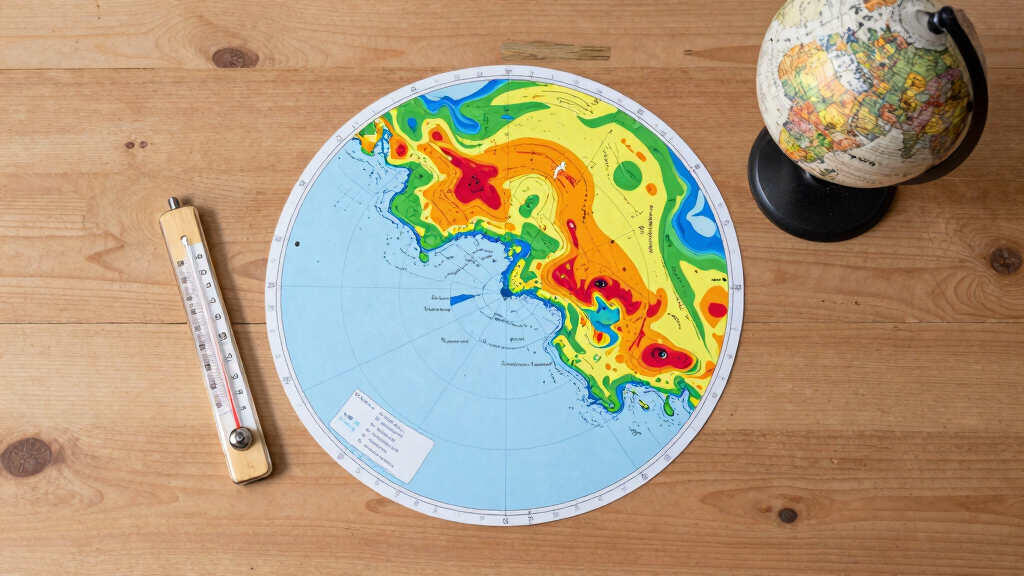
The National Oceanic and Atmospheric Administration (NOAA) and other meteorological agencies have indicated that ocean temperatures in the central and eastern Pacific are rising, signaling the onset of a strong El Niño. This development follows months of monitoring, with models suggesting a high likelihood of El Niño conditions solidifying in the coming months.
El Niño is characterized by warmer-than-average sea surface temperatures in the Pacific Ocean, which influence atmospheric circulation and weather patterns globally. You can learn more about this phenomenon in our Super El Nino article. Historically, strong El Niño events have been linked to increased rainfall and flooding in some regions, and droughts in others, affecting millions of lives and economies.
While the precise impacts of this upcoming El Niño remain uncertain, experts warn that it could lead to extreme weather events such as hurricanes, heatwaves, and heavy storms, particularly in North America, Asia, and Africa. Recent storms caused significant damage, as detailed in this report: Tornado, strong storms cause damage in southern Indiana. The forecast also raises concerns about potential disruptions to agriculture and water supplies, especially in vulnerable regions.
Impacts of a Strong El Niño on Global Climate and Economies
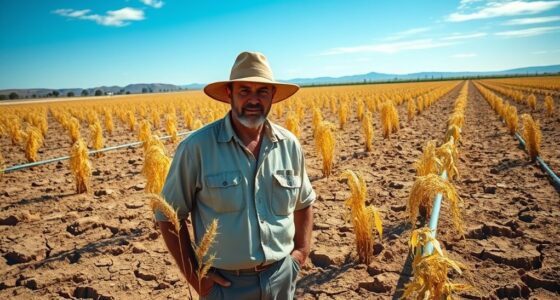
The forecasted strong El Niño in 2024 is significant because it can cause widespread weather extremes, including floods, droughts, and heatwaves, which threaten food security, water availability, and infrastructure. Economies dependent on agriculture and natural resources may face increased risks and costs. Additionally, the event could strain disaster response systems and influence global markets, making it a critical issue for policymakers and communities worldwide.
humidifier with night light for baby room
As an affiliate, we earn on qualifying purchases.
As an affiliate, we earn on qualifying purchases.
Recent Trends in ENSO and Past Major El Niño Events
El Niño-Southern Oscillation is a natural climate variability cycle that fluctuates every two to seven years. Past strong El Niño events, such as those in 1997-1998 and 2015-2016, caused significant weather disruptions globally. Recent climate data indicate a warming trend in Pacific Ocean surface temperatures, which has increased the likelihood of a strong El Niño developing in 2024. The current forecast aligns with long-term climate models predicting increased ENSO activity as global temperatures rise.
“Current oceanic and atmospheric indicators strongly suggest that we are heading toward a robust El Niño event this year, which could have major implications worldwide.”
— Dr. Jane Smith, NOAA Climate Scientist
smart refrigerator with touch screen
As an affiliate, we earn on qualifying purchases.
As an affiliate, we earn on qualifying purchases.
Uncertainties in El Niño Intensity and Regional Effects
Although current models suggest a strong El Niño, there remains uncertainty about its precise timing, intensity, and regional impacts. Variability in ocean-atmosphere interactions and potential feedback mechanisms could alter the forecast. Scientists caution that ongoing monitoring and updates are essential as conditions evolve.
waterproof weather radio
As an affiliate, we earn on qualifying purchases.
As an affiliate, we earn on qualifying purchases.
Monitoring and Preparing for Potential Impacts in 2024
Meteorological agencies will continue to monitor oceanic and atmospheric conditions, providing regular updates on ENSO development. Governments and sectors vulnerable to weather extremes are advised to prepare for possible disruptions, including extreme rainfall, drought, and storms. Further forecasts and climate impact assessments are expected over the coming months, shaping policy and preparedness efforts.
emergency preparedness kit
As an affiliate, we earn on qualifying purchases.
As an affiliate, we earn on qualifying purchases.
Key Questions
What is El Niño and why does it matter?
El Niño is a climate pattern characterized by warmer-than-average sea surface temperatures in the central and eastern Pacific Ocean. It influences global weather, often causing floods, droughts, and storms, which can impact agriculture, water resources, and economies worldwide.
How certain are scientists about this year’s El Niño forecast?
Current oceanic and atmospheric indicators suggest a strong El Niño is likely, but the exact strength and regional impacts are still uncertain. Ongoing monitoring will refine predictions over the coming months.
What regions are most at risk from a strong El Niño?
Regions most affected typically include North America, Southeast Asia, Australia, and parts of Africa, where extreme weather events such as heavy rainfall, flooding, and droughts are more likely during El Niño years.
How might El Niño affect global economies in 2024?
El Niño can disrupt agriculture, damage infrastructure, and increase disaster response costs, potentially leading to economic losses in affected regions and influencing global markets.
Source: google-trends