Sprayer drones use advanced navigation systems like GPS and sensors to deliver precise pesticide applications, targeting specific areas while avoiding waste. They adapt to complex field layouts and uneven terrain to guarantee even coverage and reduce chemical overuse. By integrating real-time data, they can adjust spraying strategies instantly, boosting efficiency and environmental safety. If you want to discover more about how these smart systems maximize crop health and minimize costs, keep exploring further.

Prime made for students and young adults
- Fast, free delivery for dorm and study essentials
- Prime Video and Amazon Music included
- Member-only deals
Key Takeaways
- Sprayer drones utilize advanced GPS and sensor systems for precise navigation and targeted chemical application.
- They ensure uniform coverage, reducing overlaps and missed spots, even on uneven terrains or dense crop canopies.
- Real-time data integration allows drones to adjust spraying strategies based on current crop conditions.
- Automated route planning enhances efficiency, shortens application windows, and lowers labor and resource costs.
- Their precise dispensing minimizes chemical waste and environmental impact while maximizing crop protection.
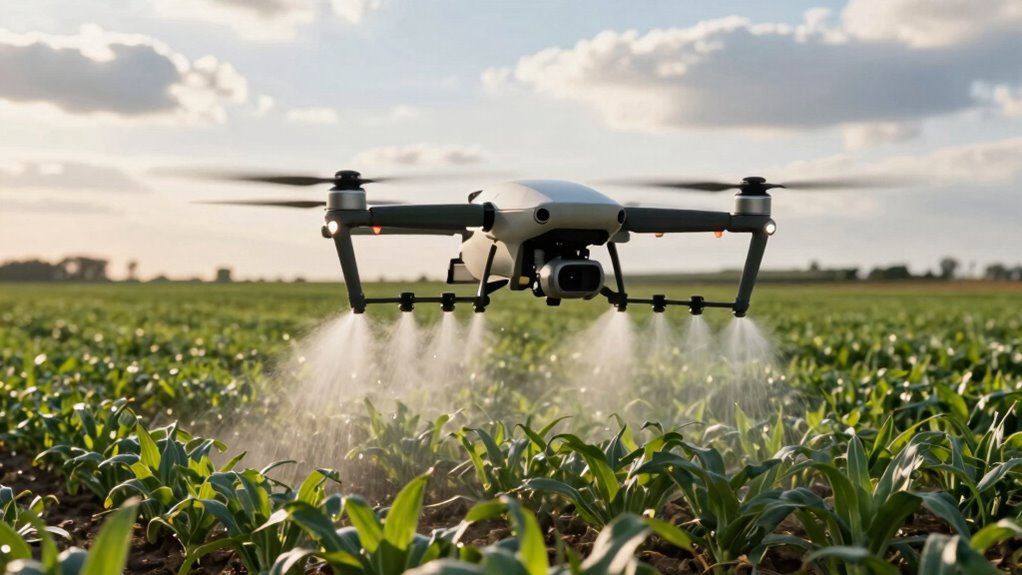
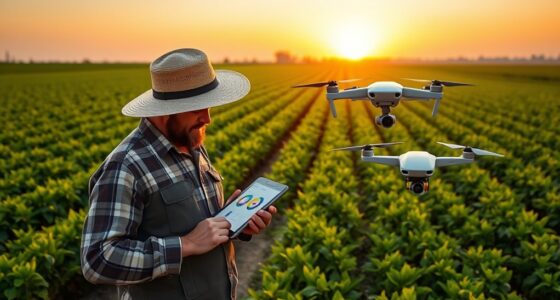
Sprayer drones are transforming agricultural practices by offering unprecedented levels of precision in crop application. With advanced aerial navigation systems, these drones can maneuver through fields with remarkable accuracy, guaranteeing that every inch of your crops receives the right amount of treatment. This technology allows you to target specific areas, minimizing waste and reducing chemical runoff. As you operate these drones, you’ll notice how their ability to navigate complex field environments enhances pesticide efficiency, making your application more effective and economical.
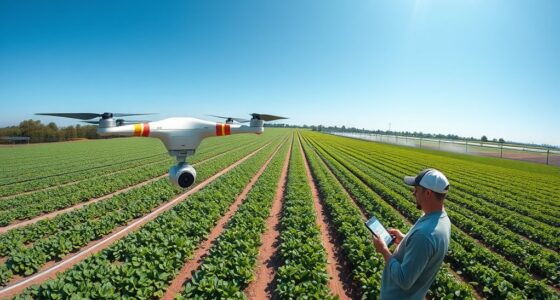
By leveraging sophisticated GPS and sensors, sprayer drones maintain stable flight paths and precise altitude control. This consistency means you can rely on uniform spray coverage, even over uneven terrain or dense crop canopies. Thanks to their aerial navigation capabilities, you don’t need to worry about overlaps or missed spots, which are common challenges with traditional ground-based equipment. Instead, you get a tailored approach that adapts to your field’s unique layout, saving you time and resources while boosting crop health.
The real advantage lies in how these drones optimize pesticide efficiency. They precisely dispense chemicals only where needed, reducing over-application that can harm the environment or lead to resistance issues. This targeted approach not only conserves valuable inputs but also ensures your crops receive the right dosage for maximum protection and growth. As you plan your spraying routes, the drone’s intelligent navigation systems help you cover large plots quickly, without sacrificing accuracy. This efficiency means shorter application windows, less fuel consumption, and lower labor costs—all while maintaining high standards of crop management.
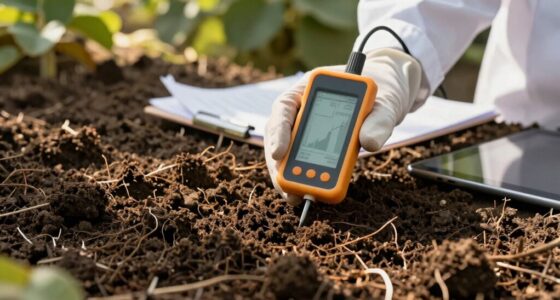
Furthermore, aerial navigation integration allows you to incorporate real-time data into your spraying strategy. Whether it’s through multispectral imaging or other sensors, you can make immediate adjustments based on current crop conditions. This dynamic capability ensures that pesticide application is responsive and precise, further enhancing effectiveness. As you become more familiar with operating these drones, you’ll appreciate how their ability to adapt to varying field conditions leads to healthier crops and better yields. Additionally, the integration of advanced navigation systems can help reduce manual labor and operational costs, making drone technology a cost-effective solution for modern farms. Innovations such as automated route planning are also making these systems even more efficient and user-friendly.
In essence, sprayer drones equipped with advanced aerial navigation redefine how you approach crop spraying. Their precision not only increases pesticide efficiency but also supports sustainable farming practices by reducing chemical usage and environmental impact. With this technology, you’re empowered to achieve higher productivity with smarter, more accurate applications—making your farming operations more efficient, cost-effective, and environmentally friendly.
As an affiliate, we earn on qualifying purchases.
Frequently Asked Questions
What Are the Regulatory Restrictions for Using Sprayer Drones?
You need to follow specific regulatory restrictions when using sprayer drones. Make certain you meet all regulatory compliance requirements, such as registering your drone with relevant authorities. You might also need licensing requirements, like obtaining specific permits for aerial chemical application. Always stay updated with local FAA or equivalent regulations, operate within designated airspace, and adhere to safety standards to avoid penalties and ensure responsible drone usage.
How Long Can a Sprayer Drone Operate on a Single Battery Charge?
A sprayer drone’s battery life is like a fleeting butterfly’s wing—brief but beautiful. Typically, you can expect a flight duration of about 20 to 30 minutes on a single battery charge. Factors like payload weight, weather conditions, and drone model affect this. To maximize your operational time, carrying spare batteries and planning efficient routes helps guarantee you cover more ground without interruptions.
What Safety Precautions Should Operators Follow When Flying Sprayer Drones?
When flying sprayer drones, you should always wear safety gear like goggles and gloves to protect yourself. Follow strict flight protocols, such as maintaining a safe distance from people and obstacles, and adhering to local regulations. Before each flight, conduct thorough pre-flight checks. Keep an eye on weather conditions and avoid flying in high winds or rain. These precautions guarantee safe, efficient operation and minimize risks during spraying tasks.
How Does Weather Impact the Effectiveness of Drone Pesticide Application?
Weather conditions greatly influence pesticide effectiveness when you use drone applications. Wind can cause spray drift, reducing coverage accuracy and risking off-target contamination. Rain or high humidity can wash away pesticides before they settle, lowering effectiveness. Temperature fluctuations influence how well pesticides adhere and penetrate crops. To achieve the best results, you should plan drone spraying when weather conditions are stable, avoiding high winds, rain, or extreme temperatures to ensure ideal pesticide efficacy.
What Are the Costs Associated With Deploying Sprayer Drones at Scale?
You’re about to discover the true costs of deploying sprayer drones at scale. A detailed cost analysis reveals expenses include drone purchase, maintenance, and operator training, which can add up quickly. Scalability challenges—like fleet management and regulatory hurdles—further complicate things. While initial investments may seem steep, understanding these costs helps you plan effectively, ensuring your drone operations are both efficient and sustainable in the long run.
As an affiliate, we earn on qualifying purchases.
Conclusion
Imagine soaring above your fields like a vigilant guardian, each spray from your drone a gentle rain nourishing every leaf and stem. With sprayer drones, precision becomes your trusted compass, guiding your efforts with the finesse of a master artist. As you harness this technology, watch your crops flourish like a vibrant tapestry woven with care and innovation. Embrace this aerial ally, and turn every application into a symphony of productivity and growth.
As an affiliate, we earn on qualifying purchases.
As an affiliate, we earn on qualifying purchases.
Halloween Picks
halloween
As an affiliate, we earn on qualifying purchases.