
TL;DR

Prime made for students and young adults
- Fast, free delivery for dorm and study essentials
- Prime Video and Amazon Music included
- Member-only deals
Scientists have confirmed that Manila clams are spreading along the Atlantic coast. This expansion could impact local ecosystems and fisheries, prompting further research and monitoring.
Scientists have confirmed that Manila clams are expanding their range along the Atlantic coastline, marking a notable shift in the species’ distribution. This development is significant because it could affect local ecosystems, fisheries, and biodiversity, prompting increased monitoring efforts.
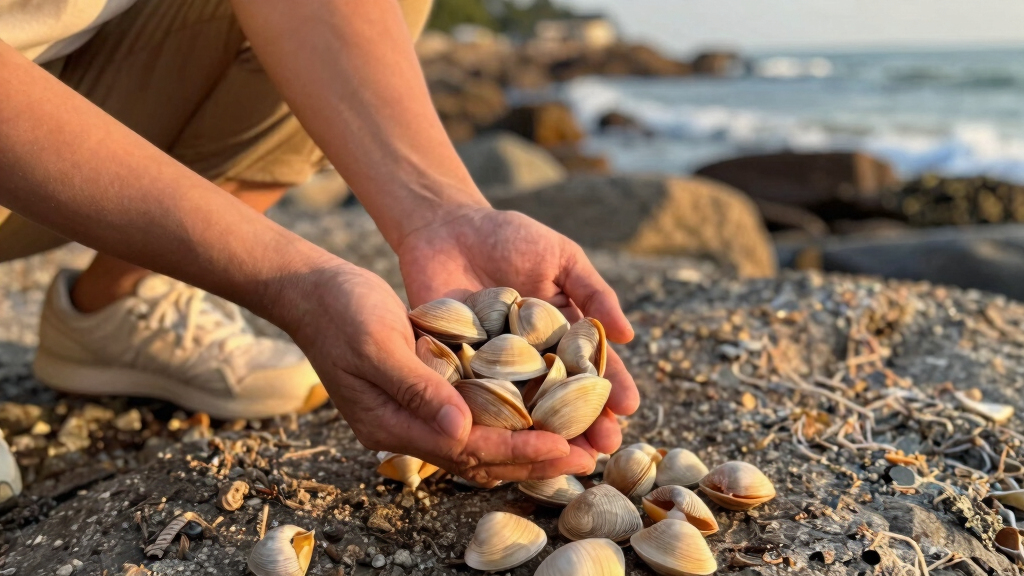
Multiple research groups and environmental agencies have documented the presence of Manila clams, originally native to Asia, now establishing populations along the eastern coast of North America. The spread has been confirmed through recent surveys and genetic studies, which show established breeding populations in several new locations.
Experts from the Marine Invasive Species Network stated that the clams’ presence was first detected in the Gulf of Maine and has since been reported further south and north along the coast. The species is known for its rapid reproductive cycle and adaptability to different environments, raising concerns about its potential to outcompete native bivalves.
Environmental officials emphasize that while the spread is confirmed, the full extent of ecological impact remains under investigation. The invasion could threaten native shellfish industries and alter local food webs, but detailed ecological assessments are still underway.
Implications for Coastal Ecosystems and Fisheries
The confirmed spread of Manila clams along the Atlantic coast is significant because it signals a potential ecological shift. As an invasive species, Manila clams could outcompete native bivalves like soft-shell clams and mussels, disrupting existing food webs and biodiversity. For fisheries, this may mean changes in harvests and management practices, as the invasive clams could impact traditional shellfish industries.
Environmental groups warn that if unchecked, the invasion could lead to long-term ecological consequences, including habitat alteration and loss of native species. Conversely, some local fisheries might benefit temporarily from the new resource, though the broader ecological costs are uncertain.
marine invasive species monitoring kit
As an affiliate, we earn on qualifying purchases.
As an affiliate, we earn on qualifying purchases.
Background on Manila Clams and Invasive Spread
The Manila clam (Venerupis philippinarum) is native to Asia and was introduced to North America through aquaculture and ballast water discharge in the late 20th century. Initially cultivated for food, the species escaped cultivation and established wild populations, particularly in the Pacific Northwest and northeastern US.
Over the past decade, reports of Manila clams appearing further east along the Atlantic coast have increased, but definitive evidence of their breeding populations and ecological impact has been limited until now. Previous observations suggested a gradual range expansion, but recent genetic studies confirm that the species is now breeding and spreading along new areas.
This expansion is part of a broader pattern of marine invasive species movement, likely facilitated by changing ocean conditions and human activities such as shipping and aquaculture.
“The establishment of Manila clams along the Atlantic coast is a clear sign of changing marine dynamics and highlights the need for ongoing monitoring.”
— Dr. Emily Carter, Marine Ecologist
As an affiliate, we earn on qualifying purchases.
Extent of Ecological Impact and Future Spread Unknown
While the presence of Manila clams along the Atlantic coast is confirmed, the full scope of their ecological impact and the rate of future spread remain uncertain. Researchers are still assessing how aggressively the species will establish and compete with native bivalves, and whether they will become a dominant invasive species or remain localized.
It is also unclear how climate change and human activities will influence the invasion dynamics in the coming years.
As an affiliate, we earn on qualifying purchases.
Monitoring and Research to Determine Long-Term Effects
Researchers and environmental agencies plan to intensify monitoring efforts along the Atlantic coast to track the spread of Manila clams and assess ecological impacts. Further genetic and ecological studies are expected to clarify the species’ invasive potential and inform management strategies.
Additionally, policymakers may consider regulations to control the spread and mitigate ecological risks, depending on future findings.
As an affiliate, we earn on qualifying purchases.
Key Questions
Where exactly have Manila clams been found along the Atlantic coast?
They have been confirmed in several locations from the Gulf of Maine southward, with reports indicating established populations in parts of New England and mid-Atlantic regions.
Could Manila clams threaten native shellfish industries?
Yes, if they outcompete native species, they could impact local fisheries and aquaculture, potentially disrupting traditional harvests and ecosystem balance.
How are scientists tracking the spread of Manila clams?
Through genetic sampling, ecological surveys, and monitoring programs coordinated by marine research institutions and environmental agencies.
Is this invasion reversible or controllable?
Currently, control measures are limited; understanding the species’ ecology and implementing targeted management strategies are ongoing efforts.
What can the public do to help address this invasion?
Reporting sightings and supporting conservation efforts can aid monitoring; avoiding the release of non-native species into the wild is also important.
Source: google-trends
Evergreen bestsellers Picks
bestsellers
As an affiliate, we earn on qualifying purchases.