Chemical dosing pumps are essential in agriculture and water treatment to guarantee accurate and consistent chemical delivery. You rely on them to handle corrosive substances like fertilizers, pesticides, or chlorine safely and efficiently. These pumps can be integrated with control systems for automated, real-time adjustments, helping prevent waste and maintain compliance. Proper maintenance ensures your pumps perform reliably over time. Keep exploring to discover how these systems can optimize your process and improve overall results.
Key Takeaways
- Chemical dosing pumps ensure precise, consistent chemical delivery, vital for water quality and crop health in agriculture and water treatment.
- Integration with automation systems allows real-time adjustments to optimize chemical usage and process efficiency.
- Proper maintenance and calibration prevent failures, leaks, and ensure accurate dosing in critical applications.
- Select pumps suited for handling corrosive substances like pesticides, fertilizers, or coagulants specific to each industry.
- Advanced monitoring and cybersecurity measures enhance system reliability, early fault detection, and operational security.

Have you ever wondered how industries accurately dispense chemicals for water treatment, manufacturing, or cleaning processes? It all comes down to dependable equipment like chemical dosing pumps. These pumps are crucial because they guarantee the precise delivery of chemicals, which is essential for maintaining product quality, environmental standards, and process efficiency. When you’re working with chemical dosing pumps, automation integration plays a significant role. Modern pumps can be connected to control systems, allowing you to automate the dosing process based on real-time data. This integration minimizes human error, improves consistency, and optimizes chemical usage, saving you money and reducing waste. You might also find that automation makes it easier to monitor and adjust dosing rates remotely, providing greater control over your operations. Proper maintenance procedures are just as critical as automation. Regular checks help prevent unexpected failures and prolong the lifespan of your pumps. You should routinely inspect for leaks, corrosion, and wear on moving parts. Cleaning the pump and its components regularly ensures that residues or buildup don’t interfere with its operation. Lubricating moving parts, when applicable, can reduce friction and wear, keeping the pump running smoothly. It’s also a good idea to verify calibration periodically—accurate dosing depends on precise calibration, especially as parts age or after repairs. Keeping detailed maintenance logs can help you track issues over time and plan preventative measures before minor problems escalate into costly repairs. Additionally, understanding the specific needs of your application helps you select and operate the right pump. For example, in agriculture, you might need a pump capable of handling corrosive fertilizers or pesticides, while in water treatment, the focus could be on handling chemicals like chlorine or coagulants safely and accurately. Proper integration with your control systems allows you to set dosing parameters that adapt to fluctuating conditions, such as varying flow rates or water quality. This flexibility ensures your processes stay efficient and compliant with regulations. To further enhance your operations, consider implementing monitoring systems that provide real-time data and alerts, enabling proactive maintenance and adjustments. Regular monitoring can also help identify early signs of pump wear or malfunction, thus reducing unexpected downtime. Utilizing cybersecurity measures to protect automation systems is increasingly important as connectivity expands, safeguarding your operations from potential cyber threats. Staying informed about the latest technological advancements in dosing pump technology can help you optimize performance and stay ahead of industry standards. Ultimately, the combination of automation integration and diligent maintenance procedures makes your chemical dosing pumps more effective and reliable. When you stay proactive about system checks and use automation to fine-tune dosing, you reduce downtime and improve overall operation. Whether you’re managing large-scale water treatment facilities or agricultural irrigation systems, these practices help you achieve consistent, safe, and cost-effective chemical dosing, ensuring your processes run smoothly and sustainably.

DOSATRON D14MZ2 D14MZ2VFII Water-Powered Chemical Injector Dosing Pump | 14 GPM | 0.2%-2% Dilution | 0.05-14 GPM Flow Range | 3/4" NPT | Irrigation Livestock Industrial Applications
- Flow Rate: 14 GPM
- Dilution Range: 0.2%-2%
- Flow Range: 0.05-14 GPM
As an affiliate, we earn on qualifying purchases.
As an affiliate, we earn on qualifying purchases.
Frequently Asked Questions
How Do Chemical Dosing Pumps Prevent Over-Dosing?
You prevent over-dosing by relying on chemical dosing pumps that prioritize chemical accuracy and precise flow control. These pumps are designed to deliver exact amounts of chemicals, adjusting flow rates based on real-time feedback or preset settings. By maintaining consistent dosing, they guarantee you avoid excess chemicals, reducing waste and environmental impact. Proper calibration and regular maintenance also help keep flow control accurate, enhancing overall dosing reliability.
What Maintenance Is Required for Chemical Dosing Pumps?
You need to regularly perform calibration procedures to guarantee your chemical dosing pump operates accurately. Check for wear and tear, clean the pump components, and replace seals or diaphragms as needed. Proper pump selection is vital for compatibility with your chemicals and system demands. Maintain a schedule for inspections and testing to prevent malfunctions, ensuring consistent dosing and extending the pump’s lifespan.
Are Chemical Dosing Pumps Energy-Efficient?
Yes, chemical dosing pumps are generally energy-efficient, especially when they feature high pump efficiency. They use minimal energy to operate, thanks to precise dosing mechanisms that reduce waste and unnecessary power consumption. By selecting pumps with optimized energy consumption and maintaining them properly, you can guarantee they run efficiently, saving you money and reducing environmental impact. Proper operation and regular checks help maintain this energy efficiency over time.
How Long Do Chemical Dosing Pumps Typically Last?
Chemical dosing pumps typically last between 3 to 5 years, depending on usage and maintenance. You should regularly perform pump calibration to guarantee accurate dosing and check chemical compatibility to prevent corrosion or damage. Proper maintenance extends the pump’s lifespan, so keep an eye on components, replace worn parts promptly, and follow manufacturer guidelines to maximize durability and ensure consistent performance over time.
Can Dosing Pumps Handle Corrosive Chemicals Safely?
Yes, dosing pumps can handle corrosive chemicals safely if they’re designed for corrosion resistance. Look for models made with materials like PTFE or Hastelloy, which resist corrosion. Regular pump calibration is essential to guarantee accurate dosing and prevent damage. Always choose a pump suited for your specific chemicals, and follow maintenance guidelines to maintain safety and performance when handling corrosive substances.

Precision Controls Diaphram Metering Chlorine Chemical Water Pump -31.6 GPD, 150 PSI – 115 Volt
- Flow Rate: 31.6 GPD maximum
- Pressure Capacity: 150 PSI
- Power Supply: 115V cord and plug included
As an affiliate, we earn on qualifying purchases.
As an affiliate, we earn on qualifying purchases.
Conclusion
You now see how chemical dosing pumps revolutionize agriculture and water treatment by ensuring precise chemical delivery. Their accuracy reduces waste and enhances safety, making them essential for modern operations. Remarkably, the global water treatment market is projected to reach over $45 billion by 2027, with dosing pumps playing a key role. Embracing this technology not only improves efficiency but also supports sustainable practices—it’s a smart choice for your operations’ future.
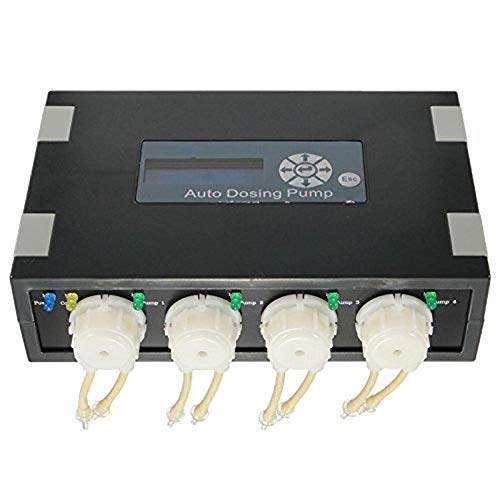
Jebao Programmable Auto Dosing Pump DP-4, Black
- Model: DP-4 for liquid dosing
- Channels: 4-channel dosing pump
- Flow Rate: 1-9999ml per channel daily
As an affiliate, we earn on qualifying purchases.
As an affiliate, we earn on qualifying purchases.

Chapin 2-Gallon Pump Sprayer, Anti-Clog for Consistent Spray
- Lightweight 2-Gallon Poly Tank: Easy for household tasks
- Adjustable Cone Nozzle: Switches from mist to stream
- Extended Reach Wand and Hose: Allows precise application
As an affiliate, we earn on qualifying purchases.
As an affiliate, we earn on qualifying purchases.