
Impure chemical inputs can quietly increase your costs through equipment damage, inefficiencies, and quality issues, leading to rework and delays. Environmental and regulatory risks rise as contaminants threaten ecosystems and invite fines or inspections, which can damage your reputation. Disruptions in your supply chain and product inconsistencies also heighten expenses and reduce trust. If you want to uncover more about how these hidden costs impact your operations and how to prevent them, there’s plenty more to explore.
Key Takeaways
- Impurities increase production costs through equipment damage, additional testing, and process delays.
- Contaminants pose environmental risks, potentially leading to fines, cleanup expenses, and regulatory penalties.
- Inconsistent chemical quality disrupts supply chains, causing delays and increasing inventory management costs.
- Variability from impurities results in defective products, rework, and damage to brand reputation.
- Long-term liabilities arise from environmental harm, regulatory fines, and operational inefficiencies caused by impure inputs.

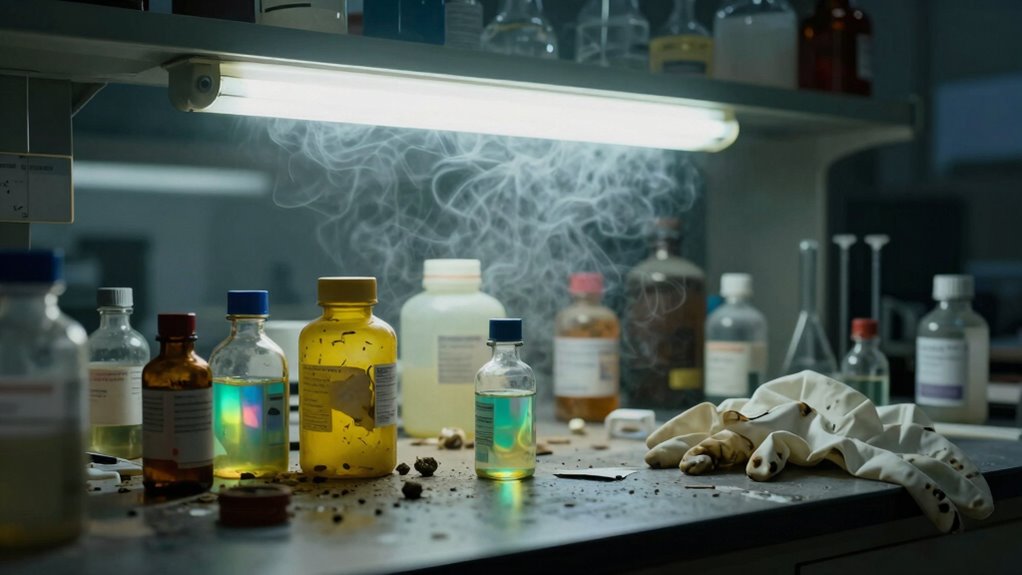
Using impure chemical inputs can considerably increase production costs because contaminants often lead to inefficiencies, equipment damage, and quality issues. When chemicals aren’t pure, you risk introducing unintended substances into your manufacturing process, which can cause environmental contamination. This contamination isn’t just an internal problem; it can extend beyond your facility, affecting local ecosystems, water sources, and air quality. Such environmental issues can lead to stricter regulations, fines, and even shutdowns, all of which drain your resources and slow down your operations. The costs of cleanup, legal fees, and reputation damage add up quickly, making impure inputs a hidden financial threat.
Impure chemicals increase costs through inefficiencies, environmental harm, and regulatory fines, threatening your business’s stability and reputation.
Furthermore, supply chain disruptions become more likely when you rely on contaminated chemicals. Impure inputs often require additional testing, quality checks, and purification steps, which extend lead times and create bottlenecks. If a supplier provides inconsistent quality or incorrect batches, you’ll face delays in production schedules, leaving you scrambling to meet delivery deadlines. These disruptions ripple through your supply chain, forcing you to find alternative sources or increase inventory buffers, both of which inflate operational costs. In the worst cases, contaminated chemicals can cause equipment failures, leading to costly repairs and downtime. Every delay or breakdown adds to your overall expenses, eats into profit margins, and complicates planning. Quality control measures are essential to prevent such issues and ensure input purity.
When you don’t control the purity of your chemical inputs, you also jeopardize the consistency of your product quality. Variations caused by contaminants can result in defective products, returns, or rework, all of which consume additional resources. Customers may lose trust if your products fluctuate in quality, leading to long-term revenue losses. Additionally, regulatory agencies are increasingly vigilant about chemical safety and environmental standards. Using impure chemicals can trigger investigations, fines, or even product recalls, further increasing your costs and damaging your brand reputation. Ensuring chemical purity is therefore a crucial aspect of maintaining both product quality and compliance. Moreover, advancements in technology have made it easier to detect even trace impurities, emphasizing the importance of maintaining strict control over input quality. Proper traceability systems help monitor chemical integrity throughout the supply chain, reducing risks associated with impurity contamination. Recognizing the role of proper storage can further prevent contamination from environmental factors or mishandling.
In essence, the true cost of impure chemical inputs extends far beyond the initial purchase price. Environmental contamination, supply chain disruptions, equipment damage, and quality issues all compound the financial burden. By neglecting the importance of chemical purity, you risk not just immediate expenses but also long-term liabilities that can threaten your business’s stability. Investing in high-quality, pure chemicals may seem like a higher upfront cost, but it pays off by safeguarding your operations, protecting the environment, and maintaining your reputation in the marketplace.

Bestprod All-New 21 in 1 Drinking Water Testing Kit Strips, Home Tap and Well Water Test Kit for Hardness, Lead, Iron, Copper, Chlorine, Fluoride
- Clear, Easy-to-Read Results: Provides clear results for all water types
- Simple to Use: Add water, set timer, read results
- User-Friendly Guide: Includes clear instructions for interpretation
As an affiliate, we earn on qualifying purchases.
As an affiliate, we earn on qualifying purchases.
Frequently Asked Questions
How Do Impurities Affect Long-Term Product Durability?
Impurity effects can greatly reduce your product’s durability over time. When impurities are present, they often cause chemical reactions that lead to durability degradation, weakening the material’s structural integrity. You might notice cracks, fading, or breakdowns sooner than expected. To guarantee long-term product longevity, you should minimize impurities during manufacturing, as cleaner inputs help maintain the product’s strength and performance, preventing premature failure caused by impurity effects.
Are There Regulatory Standards for Impurity Levels in Chemicals?
Yes, there are regulatory standards for impurity levels in chemicals. You must comply with regulatory compliance rules that set impurity thresholds to ensure safety and quality. Agencies like the FDA, EPA, and OSHA establish these limits, which vary depending on the chemical’s use and industry. By meeting these standards, you reduce health risks, avoid legal issues, and improve product reliability, ultimately supporting responsible manufacturing practices.
What Are the Environmental Impacts of Disposing Impure Chemicals?
Disposing of impure chemicals causes significant environmental pollution, which you might think is manageable, but it often leads to contaminated soil, water, and air. Poor waste management amplifies these effects, harming ecosystems and human health. Even small impurities can produce toxic byproducts, making proper disposal critical. By prioritizing responsible waste management, you help reduce environmental impacts and prevent long-term damage caused by improper chemical disposal.
How Can Companies Detect Impurities in Chemical Inputs Efficiently?
To detect impurities efficiently, you should implement advanced analytical techniques like chromatography and spectroscopy as part of your quality assurance process. These methods quickly identify contaminants and guarantee chemical purity. Regularly calibrate your instruments and train staff to recognize signs of impurity. Incorporating real-time monitoring systems also helps catch impurities early, saving time and reducing risks. This proactive approach keeps your inputs pure and maintains high product standards.
Do Impurities Influence the Safety Protocols for Chemical Handling?
Impurities definitely influence safety protocols for chemical handling. You might think standard procedures suffice, but contamination prevention becomes more complex with impure inputs. You need to adapt safety protocols to account for potential risks, such as hazardous reactions or toxic exposure. Recognizing impurities guarantees your team follows enhanced safety measures, reducing accidents and contamination. Proactively adjusting protocols helps safeguard workers and the environment from unpredictable hazards caused by impure chemicals.

Aquatabs 49mg Water Purification Tablets (100 Pack). Water Filtration System for Hiking, Backpacking, Camping, Emergencies, Survival, and Home-Use. Easy to Use Treatment and Disinfection.
- Effective Water Purification: Removes bacteria, viruses, and cysts
- Portable and Easy to Use: Suitable for hiking, camping, emergencies
- Compact and Lightweight: Ideal for survival kits and travel
As an affiliate, we earn on qualifying purchases.
As an affiliate, we earn on qualifying purchases.
Conclusion
So, next time you think about using impure chemicals, remember you’re not just risking a few extra bucks. The hidden costs—health issues, environmental damage, and long-term cleanup—can turn into a nightmare worse than a plague in the Middle Ages. Cutting corners now might feel like a quick fix, but it’s a Pandora’s box you don’t want to open. Think ahead, choose purity, and avoid releasing chaos in your own backyard.
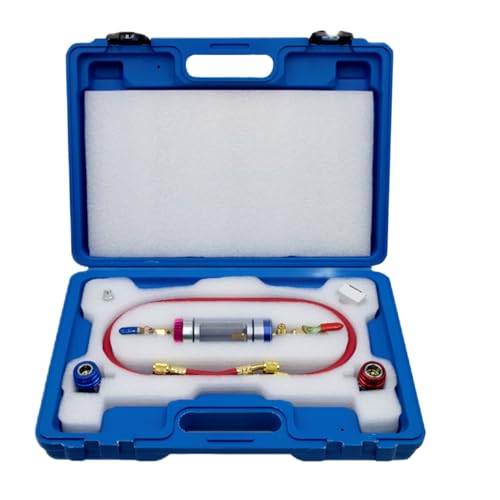
Refrigerant Analyzer for Car AC | Compact Impurity Detection Tool | Vehicle Air Conditioning System Test Device with Valve Gauge for Service Stations Mechanics Daily HVAC Inspection Kit
- Fast Maintenance: Quick refrigerant oil filling for most cars
- Multi-Layer Filtration: Effective debris interception with minimal clogging
- Easy to Use: Integrated pipeline refilling and filtration for efficiency
As an affiliate, we earn on qualifying purchases.
As an affiliate, we earn on qualifying purchases.

Chemical Guys, Gerbil Wheel & Rim Brush, Soft Natural Bristles, for Tires
- Premium Gerbil Hair Brush: Safe for wheels, rims, and tires
- Soft Natural Bristles: Gentle on delicate surfaces
- Multi-Surface Compatibility: Use on polished, painted, chrome
As an affiliate, we earn on qualifying purchases.
As an affiliate, we earn on qualifying purchases.