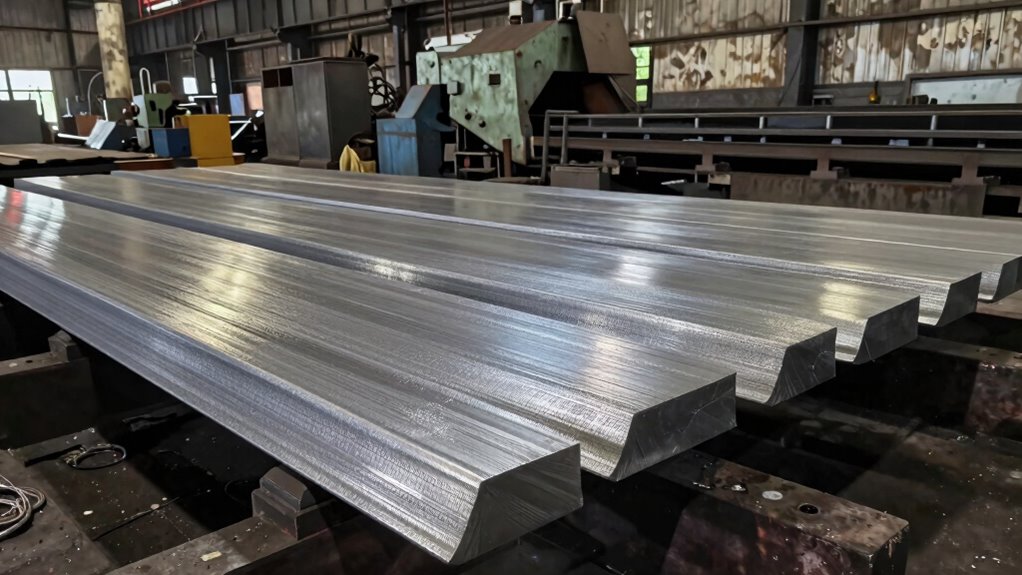

A raw material becomes strategic in industry when it’s essential for producing high-quality, differentiated products that give you a competitive edge. It’s not just about availability but also its role in maintaining supply chain resilience and enabling innovation. Securing these materials often means managing risks through diversification and technology. Focusing on these factors helps you stay adaptable and efficient—if you want to explore how to build a strong raw material strategy, there’s more to discover.
Key Takeaways
- Critical for product quality, functionality, and differentiation, influencing overall competitiveness.
- Ensures supply chain resilience, enabling quick adaptation to disruptions and global market risks.
- Drives innovation and supports development of new features, enhancing market position.
- Requires proactive market trend analysis and visibility tools for strategic planning.
- Acts as a vital asset, often secured at a premium, to maintain agility and long-term industry advantage.

Have you ever wondered how companies guarantee a steady supply of essential materials while keeping costs in check? It all begins with understanding what makes a raw material strategic in the industry. A strategic raw material isn’t just about its availability; it’s about its pivotal role in your production process, its scarcity, and its influence on your overall competitiveness. When a raw material is critical for your product’s quality or functionality, securing a reliable supply becomes a top priority. This is where supply chain resilience comes into play—making sure that disruptions are minimized and that your operations can adapt swiftly to unforeseen challenges. Companies that recognize the strategic importance of certain raw materials invest heavily in building resilient supply chains, diversifying sources, and establishing strong supplier relationships to prevent shortages. Recognizing the role of technology in monitoring and optimizing supply chains can further enhance resilience and efficiency. Incorporating advanced analytics can help predict market trends and identify potential risks before they materialize. Recognizing the supply chain disruptions that can occur in global markets encourages companies to develop contingency plans and build more flexible sourcing strategies. Additionally, investing in supply chain visibility tools allows companies to track raw material flow in real-time, further reducing the risk of unexpected shortages. An understanding of the market dynamics that influence raw material availability is also essential for proactive planning. Furthermore, the strategic nature of a raw material is also defined by its role in your industry’s innovation and differentiation. If a material enables you to develop new features, improve quality, or reduce environmental impacts, its importance skyrockets. You then prioritize securing a stable supply chain for that material, even if it comes at a premium, because the value it adds to your products outweighs the extra expense.
Strategic raw materials are vital for competitiveness, requiring resilient supply chains and strong supplier relationships to prevent disruptions.
In essence, a raw material becomes strategic when it’s integral to your competitive advantage, when its supply chain resilience directly influences your ability to operate smoothly, and when effective cost management ensures profitability. Recognizing these factors allows you to make informed decisions about sourcing, inventory management, and risk mitigation. It’s about viewing raw materials not just as commodities but as vital assets that shape your company’s long-term success and market position. By prioritizing these aspects, you guarantee that your industry remains agile, cost-efficient, and resilient in an ever-changing global landscape.

Oumers Bike Chain Repair Tools Set, Bicycle Chain Break Tool, Master Link Pliers, Bike Wear Checker Indicator Opener Closer Remover Pliers
Chain Tool Bicycle Set: The bicycle chain repair set contains a bike chain tool, link pliers and a…
As an affiliate, we earn on qualifying purchases.
As an affiliate, we earn on qualifying purchases.
Frequently Asked Questions
How Do Geopolitical Factors Influence Raw Material Strategic Importance?
Geopolitical factors greatly influence a raw material’s strategic importance by affecting supply stability and costs. You should consider geopolitical stability, as conflicts or political unrest can disrupt access, and trade agreements, which can either facilitate or hinder trade flows. When these factors shift, the raw material’s availability and pricing change, impacting your industry’s planning and competitiveness. Staying informed helps you adapt strategies to mitigate risks posed by geopolitical uncertainties.
What Role Does Technological Innovation Play in Raw Material Strategy?
You leverage technological innovation to enhance your raw material strategy, making it more sustainable and competitive. By integrating new technologies, you can optimize resource use, reduce environmental impact, and guarantee long-term supply. This focus on material sustainability not only secures your industry’s future but also keeps you ahead of market trends. Innovation integration becomes your secret weapon, transforming raw materials into strategic assets that support growth and resilience in a changing world.
How Do Environmental Regulations Impact Raw Material Sourcing Decisions?
Environmental regulations influence your raw material sourcing decisions by requiring sustainable sourcing and ethical procurement practices. You must prioritize eco-friendly suppliers and guarantee compliance with laws that limit pollution and resource depletion. These regulations push you to develop sustainable supply chains, reducing environmental impact. By adapting your sourcing strategies accordingly, you can maintain compliance, protect your reputation, and support long-term industry viability through responsible and ethical procurement.
What Are the Risks of Over-Relying on a Single Raw Material?
You risk significant setbacks if you over-rely on a single raw material. Market volatility can cause price swings, supply disruptions, and shortages, impacting production and profitability. To mitigate these risks, you should prioritize supply diversification, sourcing from multiple suppliers or regions. This approach helps guarantee consistent supply, reduces dependency, and enhances your resilience against fluctuations in raw material availability and market conditions.
How Can Companies Mitigate Supply Chain Disruptions for Critical Raw Materials?
You can mitigate supply chain disruptions by prioritizing sustainable sourcing and expanding supplier diversification. By working with multiple suppliers, you reduce dependency on a single source, making your supply chain more resilient. Emphasize sustainable sourcing to guarantee long-term availability and minimize environmental impact. Regularly assess suppliers’ stability and build strong relationships to anticipate potential issues early, keeping your critical raw materials accessible and your production steady.
raw material risk management software
As an affiliate, we earn on qualifying purchases.
As an affiliate, we earn on qualifying purchases.
Conclusion
In the world of industry, strategic sourcing and savvy sourcing shape success. Recognize the relevance, reliability, and rarity of raw materials to stay a step ahead. By balancing boldness with brevity, you’ll build a better, brighter business foundation. Remember, when you understand the importance of essential elements, you’re better equipped to bolster your brand, beat the competition, and bolster your bottom line. Stay sharp, stay strategic, and let raw material mastery make your market moves meaningful.

Advances in Computational Logistics and Supply Chain Analytics (Unsupervised and Semi-Supervised Learning)
As an affiliate, we earn on qualifying purchases.
As an affiliate, we earn on qualifying purchases.

Ready for Supplier Relationship Management?: A tool for a structured approach
As an affiliate, we earn on qualifying purchases.
As an affiliate, we earn on qualifying purchases.