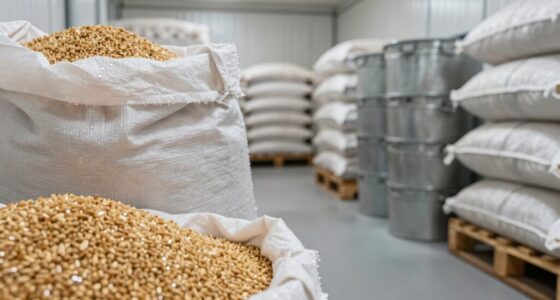
Chemicals you use daily are made from a mix of raw materials like precious metals—such as platinum, palladium, and rhodium—which act as catalysts, and fossil fuels like oil and natural gas, shaping plastics and synthetics. Minerals like sulfur, nitrogen, and phosphates also play key roles in fertilizers and chemicals. Many industries are shifting toward sustainable sources and recycling to lessen environmental impacts. If you want to find out more about how these materials impact the environment, keep exploring.

Prime made for students and young adults
- Fast, free delivery for dorm and study essentials
- Prime Video and Amazon Music included
- Member-only deals
Key Takeaways
- Precious metals like platinum, palladium, and rhodium are crucial catalysts in chemical reactions.
- Hydrocarbons from oil and natural gas serve as fundamental raw materials for chemicals and plastics.
- Mineral resources such as sulfur, nitrogen, and phosphates are essential for fertilizers and other chemicals.
- Mining and refining processes for these materials can cause significant environmental impacts.
- Industry trends focus on sustainable sourcing, recycling, and transitioning to renewable bio-based raw materials.

Have you ever wondered what raw materials power the vast world of chemical manufacturing? It’s a complex network of resources, each playing a vital role in creating the products you encounter daily. Among these, catalysts stand out as crucial components that accelerate chemical reactions without being consumed in the process. Catalyst sourcing is a meticulous process, often involving the extraction of precious metals like platinum, palladium, or rhodium. These metals are rare and expensive, making their sourcing a significant part of the industry’s environmental footprint. Mining and refining these metals can lead to habitat destruction, water contamination, and high energy consumption. As a result, companies are increasingly investing in sustainable sourcing practices and recycling methods to reduce their environmental impact. This shift not only helps protect ecosystems but also guarantees a more stable supply chain, considering the scarcity and geopolitical issues surrounding some catalyst materials. Additionally, sustainable sourcing practices are gaining importance as the industry seeks to minimize ecological damage and ensure long-term resource availability.
Beyond catalysts, the raw materials used in chemical manufacturing include hydrocarbons such as oil and natural gas, which serve as fundamental building blocks for many products. These fossil fuels are processed into various chemicals, plastics, and synthetic materials that you rely on daily. However, their extraction and processing contribute markedly to environmental issues like greenhouse gas emissions, air and water pollution, and habitat disruption. The industry faces mounting pressure to find cleaner, renewable alternatives that can lessen these impacts while maintaining production efficiency. Transitioning to bio-based feedstocks or developing innovative recycling techniques are steps being taken toward this goal.
Another key raw material is minerals like sulfur, nitrogen, and phosphates, essential for fertilizers and other chemicals. Their sourcing involves mining operations, which can disturb local ecosystems and generate waste that must be managed carefully. Guaranteeing sustainable practices in mineral extraction is critical to minimizing environmental damage and conserving resources for future generations.
catalyst platinum palladium rhodium
As an affiliate, we earn on qualifying purchases.
As an affiliate, we earn on qualifying purchases.
Frequently Asked Questions
How Are Raw Materials Sourced Sustainably in Chemical Manufacturing?
You can source raw materials sustainably by prioritizing ethical supply chains and supporting sustainable sourcing practices. This involves working with suppliers committed to environmentally friendly methods, reducing carbon footprints, and guaranteeing fair labor standards. You might also invest in renewable resources and recycle materials where possible. By choosing suppliers who prioritize sustainability, you confirm that your chemical manufacturing minimizes environmental impact while maintaining quality and ethical integrity.
What Are the Environmental Impacts of Raw Material Extraction?
They say “look before you leap,” and in raw material extraction, that’s essential. You cause environmental pollution and accelerate resource depletion when you mine or harvest raw materials carelessly. These activities damage ecosystems, pollute water and air, and threaten biodiversity. Being mindful of extraction impacts helps reduce environmental harm, promoting sustainable practices that protect resources for future generations while balancing industrial needs with the planet’s health.
How Do Raw Material Prices Fluctuate Globally?
You’ll notice raw material prices fluctuate globally due to market volatility, which can be driven by geopolitical tensions, economic shifts, or demand changes. Supply chain disruptions also play a significant role, causing shortages and price spikes. These factors combined make raw material prices unpredictable, impacting manufacturing costs. Staying informed about global economic trends and diversifying supply sources can help you manage these fluctuations more effectively.
What Innovations Are Reducing Raw Material Dependency?
You see innovations like alternative sourcing and recycling innovations transforming chemical manufacturing. These approaches reduce your reliance on traditional raw materials by sourcing from sustainable or recycled sources, lowering environmental impact and supply chain risks. This shift not only conserves natural resources but also stabilizes costs. As you adopt these innovations, you help create a more resilient, eco-friendly industry that’s less vulnerable to global fluctuations and resource scarcity.
How Do Raw Materials Influence Product Quality and Safety?
Raw materials greatly influence product quality and safety by ensuring raw material purity and consistent quality standards. When you source high-purity raw materials, it minimizes contaminants, leading to safer, more reliable products. Stable supply chains also play a vital role, as they reduce variability and delays that could compromise safety. By focusing on these factors, you can produce chemicals that meet strict safety regulations and maintain high quality standards, protecting consumers and the environment.
As an affiliate, we earn on qualifying purchases.
Conclusion
You now hold the key to understanding the backbone of everyday chemicals, like discovering the hidden roots of a mighty tree. These raw materials are the silent architects shaping the world around you, transforming simple substances into the complex wonders you rely on daily. Just as a skilled painter wields their brush, these ingredients craft the vibrant tapestry of modern life. Remember, behind every product, there’s a story woven from raw materials waiting to be uncovered.
As an affiliate, we earn on qualifying purchases.
As an affiliate, we earn on qualifying purchases.
Fall Picks
fall essentials
As an affiliate, we earn on qualifying purchases.