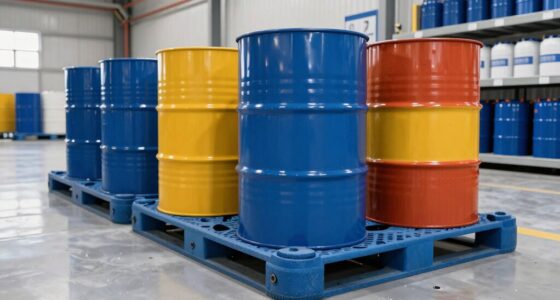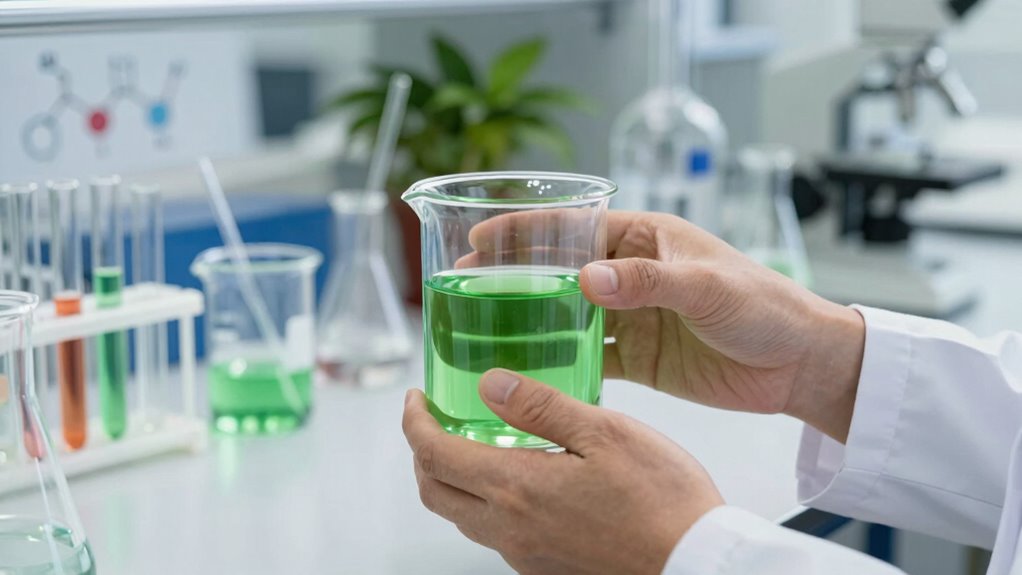

To make safer substitutions in green chemistry planning, focus on choosing chemicals that are less toxic and derived from renewable sources. Consider the entire lifecycle to reduce environmental impact and guarantee materials are biodegradable and easier to dispose of. Balance safety with performance to maintain effectiveness, and stay aligned with industry standards promoting responsible innovation. Continuing with these practices will help you implement truly sustainable solutions that protect health and the environment, guiding you toward more eco-friendly choices.

Prime made for students and young adults
- Fast, free delivery for dorm and study essentials
- Prime Video and Amazon Music included
- Member-only deals
Key Takeaways
- Prioritize inherently less toxic, renewable materials that maintain efficacy and reduce environmental and health risks.
- Evaluate the entire lifecycle of substitutes to ensure biodegradability and minimal long-term environmental impact.
- Incorporate safety data and performance metrics to balance toxicity reduction with functional requirements.
- Promote responsible innovation by aligning substitutes with industry standards and sustainability goals.
- Choose alternatives that support circular economy practices through reuse, recycling, and waste minimization.
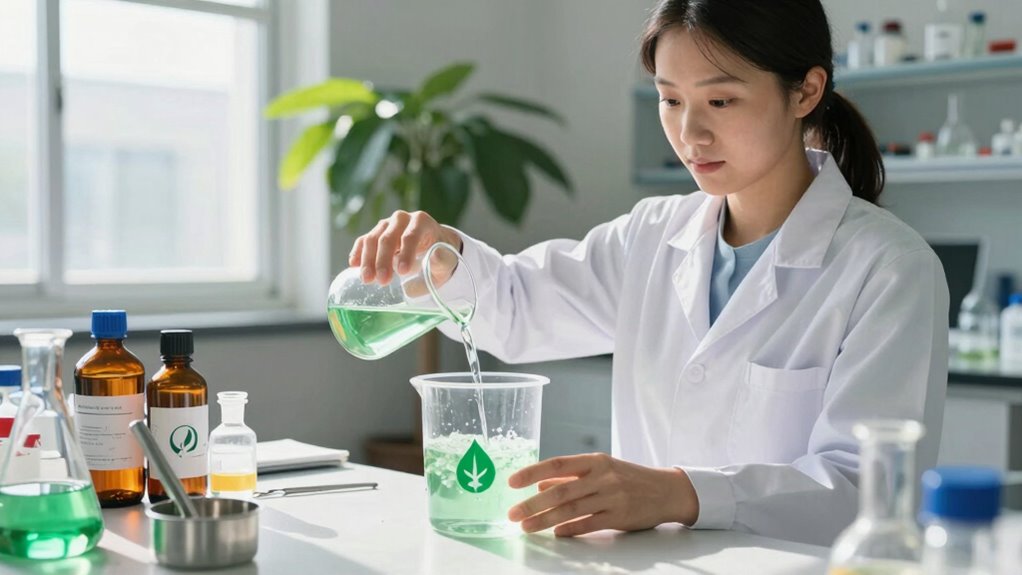
Have you ever wondered how chemists choose safer alternatives to hazardous substances? The process involves a strategic focus on toxicity reduction, which aims to minimize or eliminate the harmful effects of chemicals used in various processes. Instead of relying on substances that pose health or environmental risks, chemists seek out options that are inherently less toxic. This shift not only protects workers and communities but also aligns with broader sustainability goals. One effective approach is to identify and implement renewable materials, which are derived from resources that can be replenished naturally and quickly, such as plant-based feedstocks. These renewable materials often have lower toxicity profiles compared to traditional chemicals, making them ideal for green chemistry initiatives.
When selecting safer alternatives, you need to contemplate the entire lifecycle of the material. For instance, choosing renewable materials means they are more likely to be biodegradable and less persistent in the environment, reducing long-term toxicity concerns. This proactive approach helps prevent environmental contamination and diminishes the accumulation of hazardous waste. By focusing on toxicity reduction, you also promote safer manufacturing processes, which can lead to fewer accidents and health issues for workers. The use of renewable materials often simplifies waste management since these substances tend to break down more readily, decreasing the need for complex disposal procedures. Additionally, considering natural sources aligns with eco-friendly practices such as utilizing natural filtration systems to maintain water quality. Incorporating sustainable sourcing can further enhance the environmental benefits of your chemical choices.
In green chemistry planning, it’s vital to evaluate the potential risks associated with each substitute. You should look for alternatives that not only have lower toxicity but also maintain or improve the performance of the original chemical. This balance ensures that safety doesn’t come at the expense of functionality. Incorporating renewable materials into your process can be a game-changer because they often come from natural sources, which are less likely to introduce new hazards. Moreover, choosing renewable materials supports the development of a circular economy, where resources are reused and recycled, further reducing chemical waste and environmental impact. Recognizing the importance of material safety data can also guide better decision-making in this context.
Ultimately, your goal should be to implement safer, sustainable options without compromising efficiency. By prioritizing toxicity reduction and embracing renewable materials, you can make informed decisions that benefit both human health and the planet. This approach doesn’t just make your processes safer; it also sets a standard for responsible innovation. As you continue exploring green chemistry planning, bear in mind that each substitution is an opportunity to create safer, more sustainable chemical practices that can inspire others and drive meaningful change.
eco-friendly biodegradable chemicals
As an affiliate, we earn on qualifying purchases.
As an affiliate, we earn on qualifying purchases.
Frequently Asked Questions
How Do You Evaluate the Overall Safety of a Substitute Chemical?
You evaluate the overall safety of a substitute chemical through an alternative assessment, analyzing its environmental and health impacts compared to the original. Conduct hazard comparison by reviewing toxicity, reactivity, and persistence data. You also consider exposure risks and lifecycle impacts. By systematically examining these factors, you guarantee the substitute is safer, minimizing hazards. This thorough approach helps you make informed, responsible decisions in green chemistry planning.
What Are Common Challenges in Implementing Safer Substitutions?
You face the colossal challenge of balancing innovation with safety, as implementing safer substitutions often feels like steering through a minefield. The main hurdles include conducting thorough alternative assessments and risk mitigation strategies, which can be complex and time-consuming. Resistance from stakeholders, limited data on new chemicals, and regulatory hurdles further complicate the process. Despite these obstacles, persistent effort and thorough evaluation are essential to make truly safer, greener choices.
How Do Regulatory Agencies Influence Substitution Choices?
Regulatory agencies heavily influence your substitution choices through established regulatory pathways and policy incentives. They set safety standards and approve or restrict chemicals, guiding you towards safer options. You’ll find that policies encourage greener practices, offering incentives for adopting sustainable substitutes. By understanding these regulations, you can navigate compliance more effectively, making informed decisions that align with environmental and safety goals, ultimately fostering responsible innovation in your green chemistry practices.
Can Safer Substitutions Impact Product Performance?
A stitch in time saves nine, so choosing safer substitutions can indeed impact product performance. When you prioritize eco-friendly innovations and sustainable material selection, you might face challenges to maintain quality. However, many safer alternatives are designed to match or even enhance performance while reducing environmental impact. By carefully testing and optimizing, you can develop products that are both effective and eco-conscious, proving that responsible choices don’t have to compromise quality.
What Training Is Needed for Green Chemistry Substitution Strategies?
You need to pursue green chemistry education to master substitution strategies. This training covers identifying eco-friendly alternatives, understanding their environmental impacts, and applying them effectively. It involves hands-on workshops, online courses, and safety protocols to guarantee you’re confident in selecting safer, sustainable options. By gaining this knowledge, you’ll make informed decisions, improve product safety, and advance environmentally responsible practices within your organization.
renewable materials for green chemistry
As an affiliate, we earn on qualifying purchases.
As an affiliate, we earn on qualifying purchases.
Conclusion
So, next time you’re tempted to pick the most toxic, flashy chemical for your project, remember: greener options are just a safer, more responsible choice waiting to save your reputation—and maybe even the planet. Who knew that choosing safer substitutes could be so revolutionary? Embrace green chemistry, and you’ll avoid the villain’s role in the eco-drama. After all, being eco-friendly isn’t just trendy; it’s the responsible thing to do—before your chemistry experiment turns into a disaster.
safer chemical substitutes for industry
As an affiliate, we earn on qualifying purchases.
As an affiliate, we earn on qualifying purchases.
sustainable chemical waste disposal products
As an affiliate, we earn on qualifying purchases.
As an affiliate, we earn on qualifying purchases.
Fall Picks
fall essentials
As an affiliate, we earn on qualifying purchases.