
Ion meters are worth using when you need precise, real-time data on ion concentrations for environmental monitoring, research, or industrial processes. If quick and reliable measurements are essential, especially in dynamic environments or for process control, these tools help you make informed decisions. They’re cost-effective for ongoing monitoring and versatile across various fields. Keep exploring to discover how advancements make ion meters even more valuable for your specific needs.

Prime made for students and young adults
- Fast, free delivery for dorm and study essentials
- Prime Video and Amazon Music included
- Member-only deals
Key Takeaways
- When precise, real-time ion concentration data is critical for research, industrial processes, or environmental monitoring.
- If quick, reliable measurements are needed in dynamic or field environments.
- For ongoing projects requiring cost-effective, frequent ionic analysis.
- When traditional methods are too slow, cumbersome, or lack the needed accuracy.
- To support quality control, process optimization, or troubleshooting across various industries.
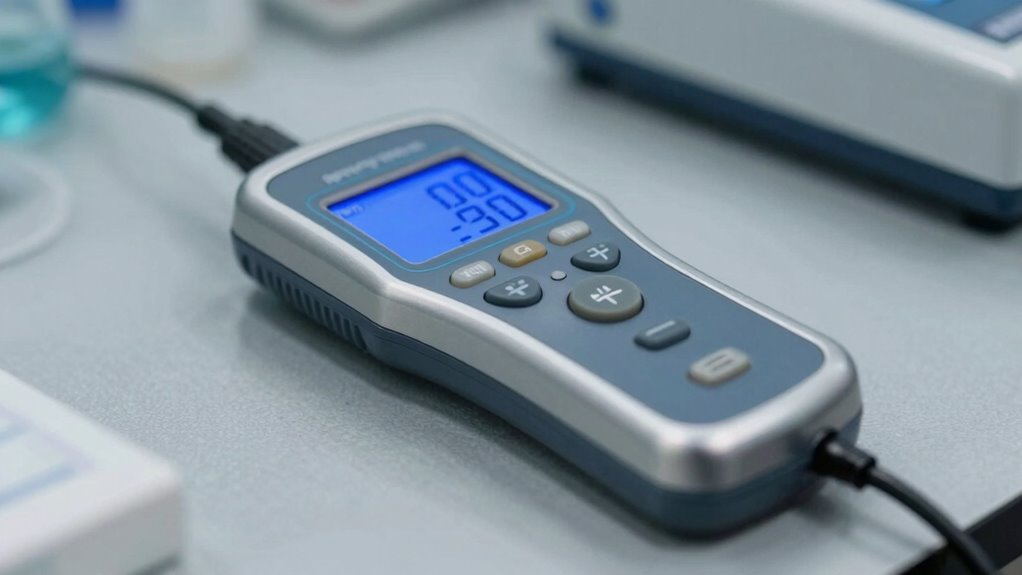
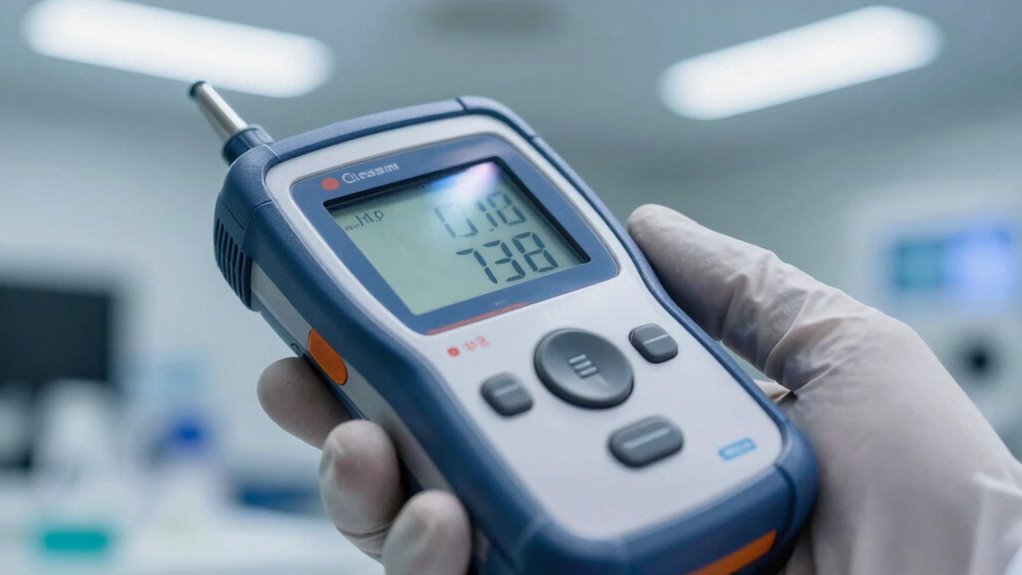
Ion meters are valuable tools when precise measurement of ion concentrations is essential for your application. Whether you’re working in a laboratory or out in the field, these devices give you quick, accurate readings that are vital for making informed decisions. One key area where ion meters shine is electrochemical analysis, a process that involves measuring the electrical properties of ions in a solution to determine their concentration. This technique is widely used in research and industry to analyze chemical reactions, monitor processes, or develop new materials. In electrochemical analysis, ion meters help you obtain real-time data, enabling you to evaluate changes in ion levels with high precision. This makes them indispensable for tasks like quality control, process optimization, or troubleshooting in various scientific and industrial settings. Additionally, the ability of ion meters to provide rapid and reliable measurements further enhances their value in dynamic environments.
Another significant application of ion meters is environmental monitoring. When you’re responsible for gauging water quality, soil health, or pollution levels, accurate ion measurements can make all the difference. For instance, measuring pH or specific ion concentrations like nitrate, chloride, or sulfate in water samples helps you identify contamination sources or compliance with environmental regulations. Using ion meters in environmental monitoring allows you to detect issues early, track changes over time, and measure the effectiveness of remediation efforts. The portability and ease of use of many ion meters mean you can take them directly to the field, eliminating the need to send samples to distant labs and wait for results. This immediacy empowers you to take swift action when necessary, whether it’s addressing a spill or ensuring safe drinking water. Moreover, advancements in sensor technology have increased the accuracy and durability of modern ion meters, making them even more reliable in diverse environments. Understanding ion selectivity is also crucial, as it influences the accuracy of measurements across different applications. Knowing how to interpret the data accurately is also crucial, and many modern devices come equipped with user-friendly interfaces that facilitate this process.
When the situation demands high accuracy, reliability, and quick results, ion meters are worth the investment. They are especially beneficial when traditional methods, like titrations or laboratory analysis, are too slow or cumbersome. For ongoing projects that require frequent monitoring, ion meters offer a cost-effective solution by streamlining data collection without sacrificing precision. Their versatility extends across various industries, from agriculture and water treatment to pharmaceuticals and research laboratories. If your application involves measuring ion concentrations regularly or in real-time, you’ll find that ion meters provide the accuracy and convenience you need. In short, whenever your work depends on detailed ionic data—be it for electrochemical analysis or environmental monitoring—using an ion meter is a smart choice to guarantee your measurements are both accurate and efficient.
digital ion meter for water quality
As an affiliate, we earn on qualifying purchases.
As an affiliate, we earn on qualifying purchases.
Frequently Asked Questions
How Accurate Are Ion Meters Compared to Other Measurement Tools?
Ion meters can be quite accurate, but their measurement reliability depends on proper calibration and usage. You should be aware of ion meter limitations, such as interference from other ions or environmental factors, which can affect precision. Compared to other tools, like pH meters or conductivity meters, ion meters often provide more specific readings of particular ions. When used correctly, they offer dependable data, but always consider their limitations for the most accurate results.
What Are the Typical Costs of Different Ion Meters?
Ion meters typically cost between $100 and $1,000, depending on their features and accuracy. You should consider ion meter maintenance, like calibrations, to guarantee reliable readings. Troubleshooting common issues, such as inconsistent results or electrode problems, can save you money in repairs or replacements. Investing in a good-quality ion meter might be more cost-effective long-term, especially if you perform regular maintenance and troubleshooting to keep it functioning properly.
Can Ion Meters Be Used for Detecting Specific Ion Types?
Like a detective with a magnifying glass, you can use ion meters to detect specific ion types, but their ion specificity varies. You’ll find measurement limitations, especially with complex samples or similar ions, making it tricky to differentiate closely related ions. For precise identification, consider specialized ion-selective electrodes or analytical techniques. Ion meters are handy, but they’re not always foolproof for pinpoint accuracy in complex environments.
How Often Should Ion Meters Be Calibrated?
You should calibrate your ion meter regularly, typically before each use or at least once a week, depending on your calibration frequency needs. Proper maintenance requirements include cleaning the electrodes and storing the device correctly. Regular calibration guarantees accurate readings, especially if you’re using it frequently or in critical applications. Always follow the manufacturer’s guidelines for calibration intervals and maintenance to keep your ion meter functioning reliably.
Are There Safety Concerns When Using Ion Meters?
Using ion meters involves safety precautions because, despite their accuracy, they can expose you to electrical hazards or high-voltage areas. You must perform a risk assessment before use, ensuring proper grounding and protective gear. While the device itself isn’t inherently dangerous, neglecting safety measures could lead to electric shock or inaccurate readings, risking both your safety and the integrity of your measurements. Always prioritize safety, even with seemingly simple tools.
portable ion concentration tester
As an affiliate, we earn on qualifying purchases.
As an affiliate, we earn on qualifying purchases.
Conclusion
So, when should you reach for an ion meter? If you’re dealing with sensitive experiments or water quality assessments, it’s like having a trusty compass guiding you through uncharted waters. Ion meters are worth using when precision matters, helping you navigate complex chemical landscapes with confidence. Remember, they’re your secret weapon in making informed decisions — turning what seems like a murky puzzle into a clear picture, shining a light on the unseen currents beneath the surface.
As an affiliate, we earn on qualifying purchases.
environmental ion measurement instrument
As an affiliate, we earn on qualifying purchases.
As an affiliate, we earn on qualifying purchases.
Fall Picks
fall essentials
As an affiliate, we earn on qualifying purchases.