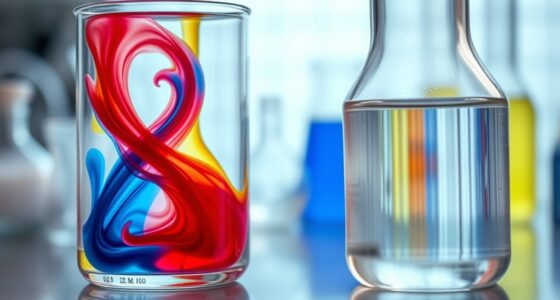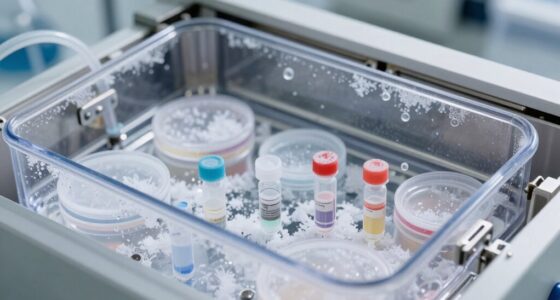
Monitoring ammonia levels is key to maintaining water quality and protecting ecosystems and public health. You need reliable ammonia meters to measure pollution or biological imbalances accurately. Regular sensor calibration keeps your readings precise over time and helps prevent false results caused by sensor drift. Proper monitoring allows you to detect early signs of toxicity or algae blooms, ensuring safe water conditions. Keep exploring to uncover more essential tips for effective water quality management.

Prime made for students and young adults
- Fast, free delivery for dorm and study essentials
- Prime Video and Amazon Music included
- Member-only deals
Key Takeaways
- Ammonia meters detect ammonia levels critical for assessing water pollution and ecosystem health.
- Regular calibration of sensors ensures accurate, consistent ammonia measurements over time.
- Calibration involves exposing sensors to known ammonia standards to adjust for environmental influences.
- Proper interpretation of ammonia data helps identify water toxicity risks and pollution sources.
- Systematic monitoring and maintenance practices are essential for reliable water quality assessment.
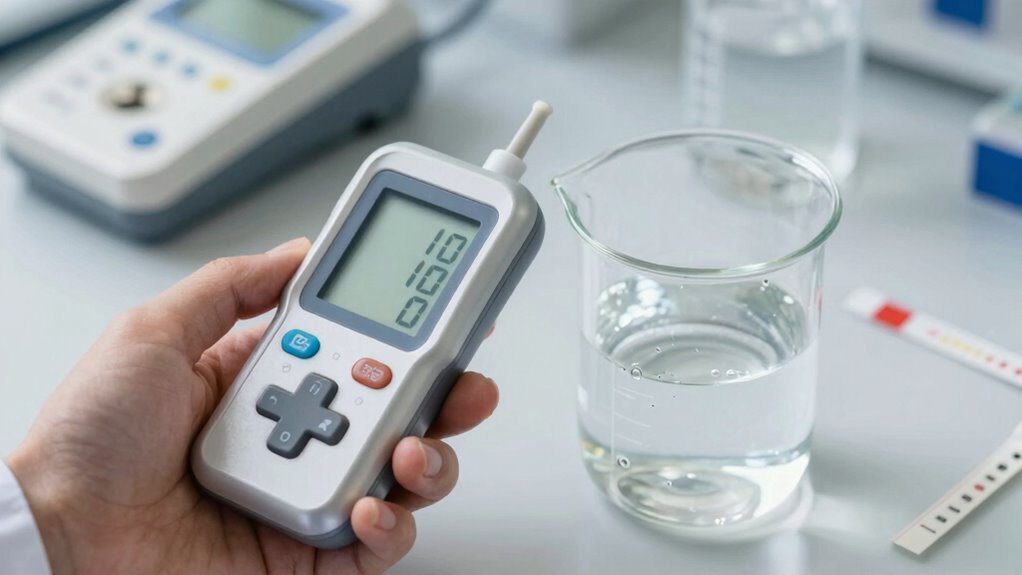
Have you ever wondered how scientists determine if water is safe to drink or supports aquatic life? One essential method involves monitoring ammonia levels, which can be harmful in high concentrations. Ammonia detection is a crucial part of water quality testing because elevated ammonia levels can indicate pollution or biological imbalance. To get accurate readings, you need reliable ammonia meters, which often rely on sensor calibration to ensure precision. Sensor calibration involves adjusting the instrument to match a known standard, so the measurements you take reflect the true ammonia concentration in the water. Without proper calibration, your readings could be misleading, either underestimating or overestimating ammonia levels, which could have serious consequences for environmental health and public safety.
Accurate ammonia testing relies on proper sensor calibration to protect water quality and public health.
When you set up an ammonia sensor, calibration becomes a critical step. It typically involves exposing the sensor to solutions with known ammonia concentrations, allowing you to fine-tune the device’s response. This process ensures that your ammonia detection system provides consistent and accurate results over time. Regular calibration is necessary because sensors can drift or become less sensitive due to environmental factors, sample contamination, or aging components. By maintaining a routine calibration schedule, you help guarantee the data you collect is trustworthy, enabling informed decisions about water safety and treatment needs. Proper calibration is especially important for sensor accuracy, which directly affects the reliability of water quality assessments. Understanding sensor drift helps in developing effective calibration routines to maintain measurement precision, and being aware of environmental factors that influence sensor performance can help optimize calibration practices.
Using ammonia meters in water quality monitoring isn’t just about the device itself; it’s about understanding what the data means. When readings indicate high ammonia levels, you recognize potential risks like fish toxicity, algae blooms, or water treatment failure. Conversely, low or undetectable ammonia concentrations usually suggest the water is within safe limits. The key is not only acquiring these readings but also interpreting them correctly, which hinges on your sensor’s calibration accuracy. Properly calibrated sensors can detect even minor fluctuations, giving you early warning signs of water quality issues before they escalate. Additionally, understanding measurement precision plays a vital role in making reliable assessments and avoiding costly misinterpretations.
In practice, effective ammonia detection and sensor calibration empower you to monitor water quality systematically. Whether in a laboratory or in the field, these tools help you make quick, reliable assessments of water safety. Regular calibration routines are essential to maintain sensor performance and ensure consistent data quality. By understanding the importance of calibration and maintaining your sensors properly, you ensure that your ammonia measurements are precise, helping protect aquatic ecosystems and public health alike. The more diligent you are in calibration and monitoring, the better equipped you’ll be to detect problems early and take appropriate action to preserve water quality.
As an affiliate, we earn on qualifying purchases.
Frequently Asked Questions
How Often Should Ammonia Meters Be Calibrated?
You should calibrate your ammonia meter regularly, ideally before each use or at least once a week, to guarantee accurate readings. Calibration frequency depends on how often you use it and the conditions it’s exposed to. Consistent calibration is key for accuracy optimization, especially if you’re monitoring critical water parameters. Always follow the manufacturer’s guidelines for calibration intervals to maintain reliable measurements and prevent inaccuracies.
What Is the Lifespan of an Ammonia Meter?
You can expect an ammonia meter to last around 1 to 3 years, depending on sensor durability and how well you maintain it. Regular calibration is essential, typically every few months, to guarantee accuracy. Proper care, including cleaning and proper storage, extends its lifespan. Keep an eye on sensor performance, and replace the meter when calibration becomes difficult or readings drift, indicating sensor degradation.
Are Portable Ammonia Meters Suitable for Field Use?
Imagine a Swiss Army knife—compact, versatile, ready for anything—just like portable sensors. Yes, portable ammonia meters are ideal for field applications, offering quick, accurate readings on-site. You can easily carry them into remote locations, ensuring real-time monitoring without the need for lab access. Their durability and user-friendly design make them a practical choice for water quality testing in diverse environments.
How Do Temperature Changes Affect Ammonia Readings?
Temperature changes notably affect ammonia readings because of temperature sensitivity. As water temperature fluctuates, ammonia levels can appear higher or lower than they actually are. To guarantee accuracy, you should regularly check and adjust your ammonia meter through proper calibration, especially after temperature shifts. Frequent calibration helps account for temperature variations, maintaining reliable readings and preventing misinterpretation of water quality data.
Can Ammonia Meters Detect Other Nitrogen Compounds?
Absolutely, ammonia meters primarily target ammonia, but some advanced models can detect certain other nitrogen compounds through specialized chemical analysis. Nitrogen detection varies depending on the meter’s sensitivity and technology. You should scrutinize the specifications to see if the device can sense nitrites, nitrates, or other nitrogen-based substances. This capacity enables thorough chemical analysis, helping you monitor water quality more precisely and prevent potential pollution or health hazards.
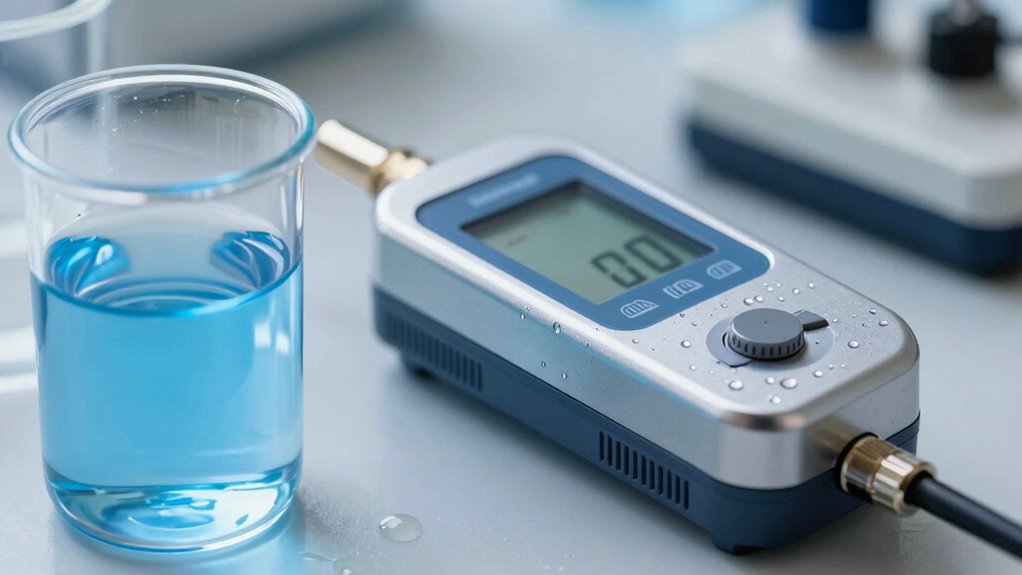
digital ammonia water quality tester
As an affiliate, we earn on qualifying purchases.
As an affiliate, we earn on qualifying purchases.
Conclusion
Now that you understand the essentials of ammonia meters and water quality monitoring, the real challenge begins. Will your next test reveal a hidden threat or a safe haven? Every reading you take brings you closer to safeguarding your water source—yet, the unknown lurks beneath the surface. Stay vigilant, keep monitoring, and remember: the next measurement could change everything. Are you prepared for what the water might reveal? The answer awaits just beyond the next dip.
water quality monitoring sensor calibration kit
As an affiliate, we earn on qualifying purchases.
As an affiliate, we earn on qualifying purchases.
ammonia detection water test kit
As an affiliate, we earn on qualifying purchases.
As an affiliate, we earn on qualifying purchases.
Halloween Picks
halloween
As an affiliate, we earn on qualifying purchases.