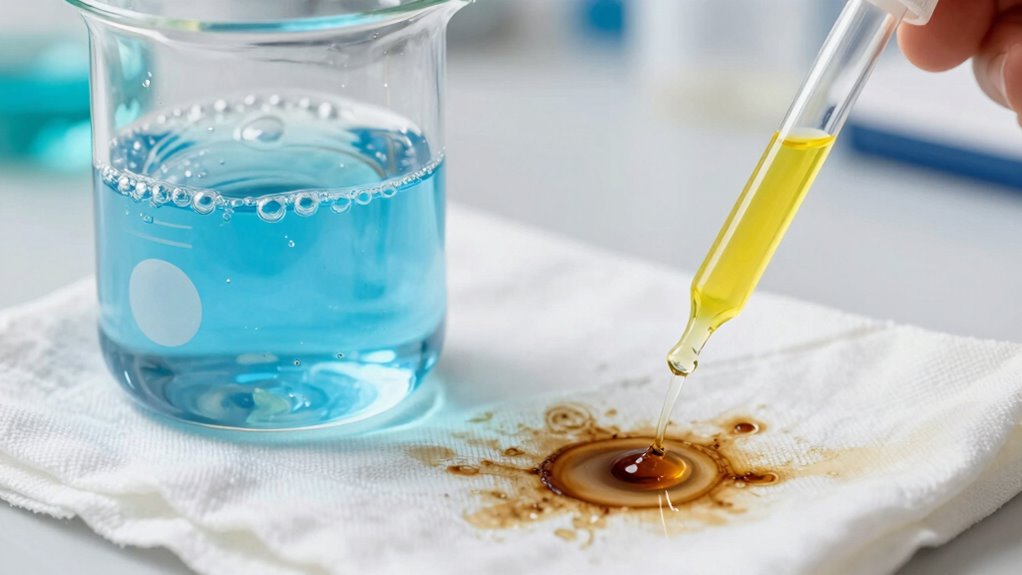

The chemistry behind stain removers involves breaking down stains at the molecular level using enzymes, oxidizers, and surfactants. Enzymes target organic stains by catalyzing reactions that split complex molecules into soluble parts. Oxidizers and bleaches modify stain molecules’ structures to eliminate color, while surfactants surround grease and dirt, making them easier to wash away. Understanding these chemical interactions can help you choose the right product—keep exploring to uncover even more secrets of stain removal.
Key Takeaways
- Stain removers use chemical reactions like oxidation, reduction, and enzymatic activity to break down stain molecules.
- Enzymes target specific organic stains, speeding up their breakdown into soluble forms.
- Oxidizing agents alter colored molecules, effectively bleaching or decolorizing stains.
- Surfactants disrupt grease by surrounding and dispersing hydrophobic hydrocarbon chains in water.
- Understanding molecular structures helps tailor chemical strategies for effective stain removal.
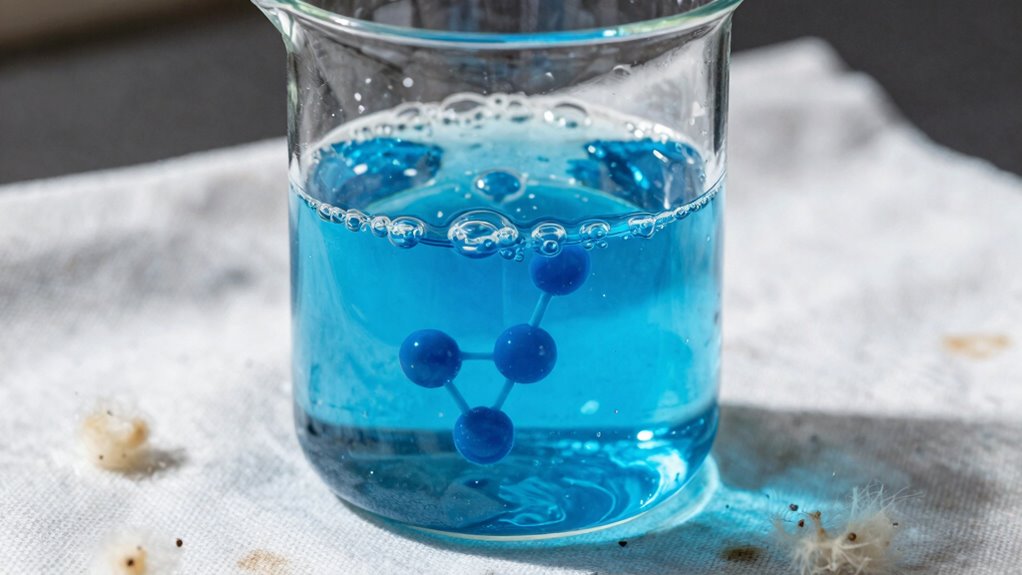
Stains can quickly ruin your favorite clothes or fabrics, but with the right stain remover, you can save them easily. The magic behind these products lies in their ability to trigger specific chemical reactions that break down stubborn stains. When you apply a stain remover, you’re essentially unleashing a series of chemical interactions that alter the molecular structures of the substances causing the stain. Understanding how these reactions work can help you choose the best product and use it more effectively.
At the core of stain removal are chemical reactions that target the molecules forming the stain. For example, enzymatic cleaners contain proteins called enzymes that catalyze reactions with organic stains like blood, grass, or food. These enzymes recognize specific molecular structures within the stain and accelerate their breakdown, transforming complex molecules into smaller, more soluble ones that can be washed away easily. This process hinges on the precise fit between the enzyme’s active site and the stain’s molecular structure, showcasing the importance of molecular specificity in stain removal. Enzymatic activity is essential because it allows targeted breakdown of organic matter without damaging the fabric. Additionally, the effectiveness of enzymatic cleaners can vary depending on the temperature and pH of the wash, which influence enzyme activity. The effectiveness of these reactions may also be impacted by the presence of other cleaning agents or residues on the fabric.
Enzymatic cleaners target specific molecules, breaking down stains through precise, molecule-specific reactions for easy removal.
Other stain removers rely on different chemical reactions, such as oxidation or reduction. Oxidizing agents like hydrogen peroxide or oxygen-based bleaches react with colored molecules, breaking their conjugated double bonds. This reaction alters the molecular structure so that the molecules no longer absorb visible light in the same way, effectively bleaching the stain and rendering it invisible. Conversely, reducing agents can break down stubborn organic compounds by donating electrons, changing the molecular structure and neutralizing the stain.
Understanding the molecular structures involved helps clarify why some stains are more resistant than others. For example, grease stains contain long hydrocarbon chains that are hydrophobic and tightly packed, making them difficult to dissolve. Stain removers designed with surfactants contain molecules with a hydrophobic tail and a hydrophilic head. These surfactants surround grease molecules, disrupting their molecular structure and allowing them to disperse in water. This process is facilitated by chemical reactions that weaken intermolecular forces, making stubborn grease easier to wash away. Additionally, molecular interactions play a crucial role in determining how effectively a stain remover can work on different types of stains. Recognizing the importance of molecular structures can help in understanding why certain stains require specific types of removers for optimal results. Furthermore, advancements in understanding chemical reactions have led to the development of more targeted and efficient stain removal products.
In essence, the power of stain removers comes down to their ability to manipulate molecular structures through targeted chemical reactions. Whether through enzymes, oxidizers, or surfactants, each product uses a different strategy to alter the molecules responsible for stains. By understanding these underlying chemical principles, you can better appreciate how stain removers work and select the most effective one for any type of stain.

Biokleen Bac-Out Enzyme Cleaner Spray and Stain & Odor Remover for Pet Stains, Laundry, Diapers, Wine, Carpets, & More, Eco-Friendly, Non-Toxic, Lime Scent, 32 Ounces
- Effective Stain and Odor Removal: Destroys stains and odors naturally
- Ready-to-Use Formula: No dilution needed
- Eco-Friendly and Non-Toxic: Plant-based, no artificial additives
As an affiliate, we earn on qualifying purchases.
As an affiliate, we earn on qualifying purchases.
Frequently Asked Questions
Are Stain Removers Safe for All Fabric Types?
Stain removers aren’t safe for all fabric types because chemical interactions can vary. Some formulas are designed for specific fabrics, like cotton or polyester, and may damage delicate materials like silk or wool. Always check the label for fabric compatibility before using a stain remover. Testing a small, hidden area first helps guarantee the chemical interactions won’t harm your fabric, keeping your clothes safe and intact.
How Do Stain Removers Affect Colored Clothing?
Stain removers can affect colored clothing through chemical interactions that sometimes cause color fading. When you use these products, they may break down stains but also alter the dye molecules in fabric. To prevent damage, test the remover on a small, hidden area first. Choose stain removers formulated for colored fabrics, and follow instructions carefully to minimize the risk of color fading.
Can Stain Removers Be Used on Delicate or Vintage Fabrics?
Yes, you can use stain removers on delicate or vintage fabrics, but it’s best to opt for natural alternatives or DIY solutions. Test a small, hidden area first to avoid damage. Gentle options like baking soda, vinegar, or specialized delicate fabric stain removers work better. Always follow instructions carefully, and consider hand washing to prevent harm. This approach helps preserve your fabrics while effectively tackling stains.
Do Stain Removers Have Environmental Impacts?
Stain removers can have environmental impacts, especially due to biodegradability concerns and chemical toxicity. Many contain chemicals that don’t break down easily, polluting water and harming wildlife. You should check labels for eco-friendly options with biodegradable ingredients, and avoid those with harsh chemicals. By choosing environmentally conscious products, you help reduce pollution and protect ecosystems, making stain removal safer for the planet.
How Should Stain Removers Be Stored Safely?
Think of your storage containers as safekeeping vaults for powerful secrets. You should store stain removers in sturdy, clearly labeled containers, away from children and pets. Follow safety precautions by keeping them in a cool, dry place, and avoid mixing with other chemicals. Proper storage guarantees safety, prevents accidents, and keeps your stain removers effective, protecting both your home and loved ones from potential harm.

OxiClean White Revive Laundry Whitener and Stain Remover Powder, 5 lb
- Product Size: 5 lb container
- Effective Whitening: Whitens whites 40% better than bleach
- Oxygen-Based Formula: Water-activated stain remover and whitener
As an affiliate, we earn on qualifying purchases.
As an affiliate, we earn on qualifying purchases.
Conclusion
Understanding the chemistry behind stain removers helps you choose the right treatment and avoid damage. Remember, a stitch in time saves nine—acting quickly on stains prevents them from setting permanently. With this knowledge, you can tackle spills confidently and keep your clothes looking their best. When it comes to stains, patience and the right chemistry go hand in hand. Stay proactive, and you’ll master the art of stain removal every time.

CHOMP! Concrete Oil Stain Remover: Pull It Out Removes and Cleans Oils, Greases from Garage Floors & Driveways 32 Fl Oz
- Powerful Oil Stain Removal: Deep penetrating formula lifts stains from porous surfaces
- Safe and Non-Hazardous: No bleach, acid, or harmful chemicals used
- Easy Application: Simply pour, dry, and brush away stains
As an affiliate, we earn on qualifying purchases.
As an affiliate, we earn on qualifying purchases.

Stain Zone Oxidizing Stain Remover – 1 Quart
- Suitable for synthetic fabrics: Use on synthetic carpets and fabrics
- Not for natural fabrics: Avoid natural fabric use
- pH level 5.5: RTU pH of 5.5
As an affiliate, we earn on qualifying purchases.
As an affiliate, we earn on qualifying purchases.