Foods with high sugar content brown faster because they undergo caramelization at higher temperatures, releasing rich, sweet aromas. In contrast, protein-rich foods brown through the Maillard reaction, which happens more quickly with high temperatures and alkaline pH, producing savory flavors. Adjusting cooking conditions like temperature and pH can influence browning speed. If you keep exploring, you’ll discover how different factors and techniques control these reactions for perfect results.
Key Takeaways
- Foods with higher sugar content caramelize faster at elevated temperatures.
- Protein-rich foods undergo Maillard reactions earlier, speeding up browning.
- Higher cooking temperatures accelerate both caramelization and Maillard processes.
- Alkaline pH levels increase the rate of Maillard browning.
- Food composition and preparation techniques influence the speed of browning.
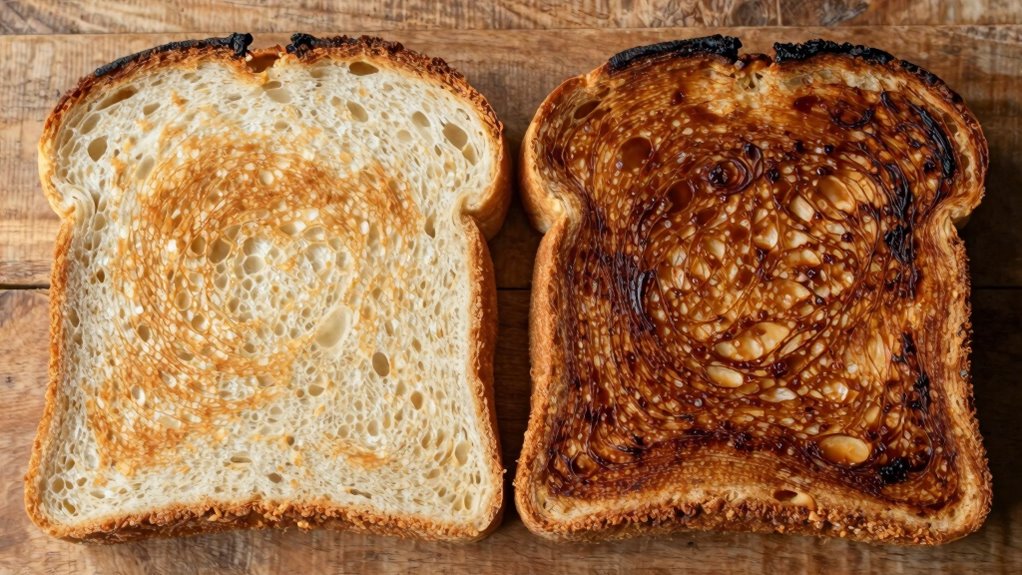
Have you ever noticed that some foods turn golden or brown much faster than others when you cook or bake them? This phenomenon happens because different foods undergo specific chemical reactions that produce those appealing, browned surfaces. Two primary processes are responsible: caramelization processes and Maillard reactions. Understanding these reactions helps explain why certain foods brown quickly, affecting flavor, texture, and appearance.
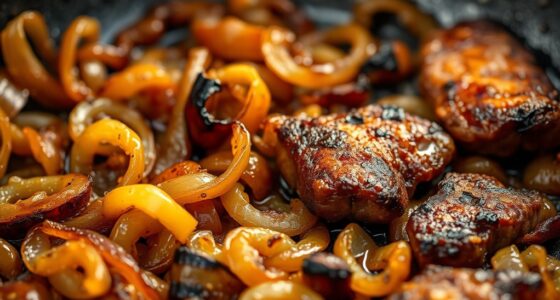
Caramelization is a type of non-enzymatic browning that occurs when sugars are heated to high temperatures. As the sugar molecules break down, they produce complex compounds that give off a rich, sweet aroma and a golden or deep brown color. Foods rich in natural sugars, like onions, carrots, or fruits, caramelize quickly because their sugar content is high. When you roast or sauté these foods, the heat causes the sugars to undergo caramelization processes, creating that desirable sweetness and color in a relatively short time. The temperature at which caramelization begins can vary, but generally, it starts around 320°F (160°C), making it easier for sugary foods to brown faster.
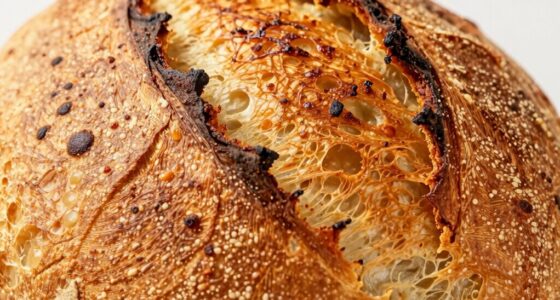
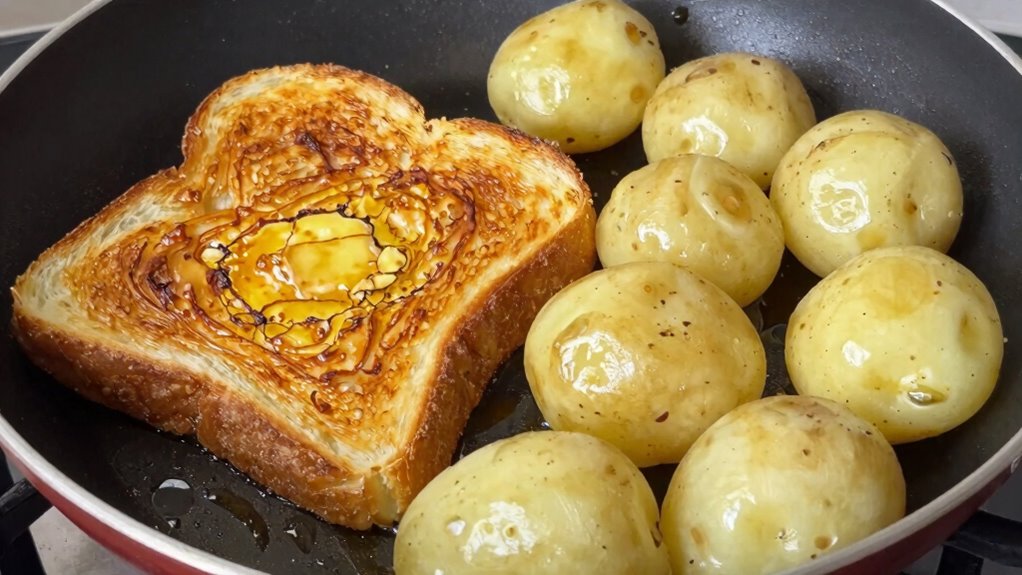
On the other hand, Maillard reactions involve a chemical interaction between amino acids and reducing sugars. Unlike caramelization, which relies solely on sugars, Maillard reactions require proteins, which are abundant in meats, bread, and dairy products. When these foods are heated, the amino acids and sugars react, producing a complex mixture of flavor compounds and a brown coloration. This process often occurs at slightly lower temperatures than caramelization, typically starting around 285°F (140°C). That’s why bread crusts turn golden in the oven or roasted meats develop a rich, browned exterior relatively quickly. The Maillard reaction is responsible for many of the savory, roasted flavors we love, and it’s why some foods brown faster than others, even if they don’t contain much sugar. Heat transfer also plays a role in how quickly these reactions occur, depending on the cooking method and environment. Additionally, the pH level of a food can influence the rate of browning, with more alkaline conditions accelerating Maillard reactions. Adjusting the pH and other factors can help cooks control the browning process more precisely. The chemical composition of foods can also be manipulated through preparation methods to optimize browning and flavor development.
In essence, the speed at which foods brown depends on their composition and cooking temperature. Foods rich in sugars tend to caramelize faster, whereas those with higher protein content undergo Maillard reactions more readily. Both processes involve complex chemical changes that not only enhance visual appeal but also deepen flavor profiles. So, next time you notice certain foods browning faster, you can appreciate the science behind it—these reactions are what make your meals more flavorful, aromatic, and visually appealing. Knowing how these processes work allows you to better control your cooking, ensuring you achieve the perfect color and taste every time.

Alpha Grillers Instant Read Meat Thermometer Digital, Cooking, Food, Grill
- Instant Read Response: 2-second temperature reading
- Highly Accurate Technology: Precise temperature measurements
- Pre-Calibrated & Recalibratable: Easy to calibrate for accuracy
As an affiliate, we earn on qualifying purchases.
As an affiliate, we earn on qualifying purchases.
Frequently Asked Questions
How Does Altitude Affect Food Browning?
At higher altitudes, food browning slows down because of altitude effects, mainly due to lower air pressure which reduces boiling points. Additionally, humidity influence plays a role; drier air can cause faster surface drying, affecting browning. You might notice that baked goods take longer to brown or develop less color at higher elevations. Adjusting cooking times and temperatures helps counter these altitude effects, ensuring your food browns properly.
Can Food Acidity Prevent Browning?
Think of food acidity like a shield, protecting your dish from the browning fire. When you lower the food pH levels, the environment becomes less friendly for enzymatic activity that causes browning. Acidic elements like lemon juice or vinegar slow down these enzymes, preventing quick color changes. So, yes, acidity can prevent browning by inhibiting enzymatic activity, keeping your food looking fresher and more vibrant longer.
Does the Type of Cooking Utensil Influence Browning Speed?
Yes, the type of cooking utensil influences browning speed. You should consider material compatibility because some pans react with certain foods, altering browning. For example, stainless steel offers good heat conductivity, ensuring even browning, while non-stick pans may heat unevenly and slow the process. Using the right utensil helps you control heat transfer, making your cooking more efficient and ensuring your food browns evenly without burning or undercooking.
Are Some Foods Naturally Resistant to Browning?
Some foods are like stubborn paints, resisting that golden glow. You notice that fruits and vegetables rich in natural enzymes and surface moisture tend to resist browning, like a shiny shield against the heat. These enzymes slow down the Maillard reaction and caramelization, keeping them looking fresh longer. So, if you want to delay browning, choose foods with high enzyme activity and surface moisture—your natural armor against that tempting golden toast.
How Does Refrigeration Impact the Browning Process?
Refrigeration slows down browning by reducing food enzyme activity, which often triggers reactions like sugar caramelization. When you chill foods, enzyme activity decreases, delaying browning and preserving freshness. This process also slows the Maillard reaction, responsible for browning and flavor development. So, by keeping foods cold, you prevent rapid browning, maintain texture, and extend shelf life, giving you more control over how and when browning occurs during cooking or storage.
As an affiliate, we earn on qualifying purchases.
Conclusion
So, next time you notice some foods browning faster, remember it’s just nature’s gentle way of showing you their unique personality. Embrace these subtle differences, trusting your senses and experience. With a little patience and a keen eye, you’ll find that each food’s golden hue tells its own story—one of transformation and time. In this quiet dance of colors, you discover the art of cooking’s delicate rhythm, making every meal a cherished moment.
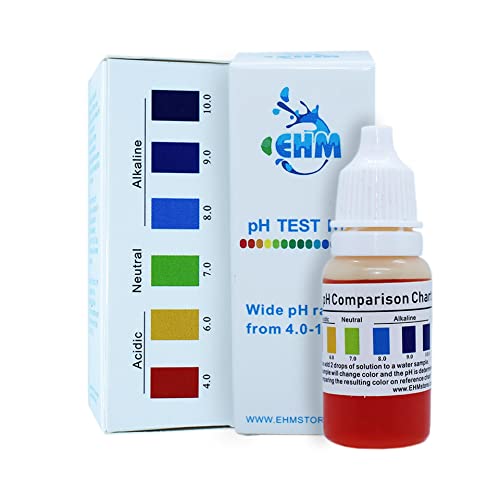
Alkaline Water (ph Test Kit) for Drinking Water Measures pH Level of Water More Accurately Than Test Strips pH Starter Kit Drops Easy to Use
- pH Range: 4.0 to 10.0
- Ease of Use: Squeeze bottle design
- Made in USA: All parts and ingredients
As an affiliate, we earn on qualifying purchases.
As an affiliate, we earn on qualifying purchases.

HIC Kitchen Roasting Baking Broiler Rack, Chrome-Plated Steel, Holds Smaller Food Securely, 12 x 7.75 x 1.5-Inches
- Elevates food for even cooking: Improves heat circulation and crispness
- Healthy cooking surface: Reduces excess fat for healthier meals
- Heavy-duty chrome-plated steel: Durable and oven-safe up to 500°F
As an affiliate, we earn on qualifying purchases.
As an affiliate, we earn on qualifying purchases.