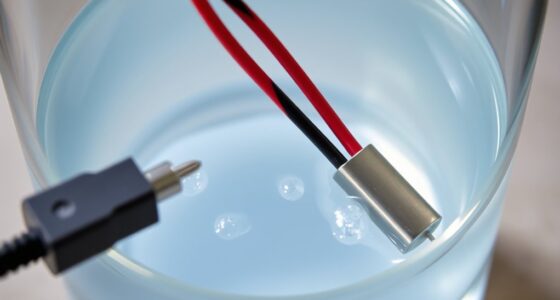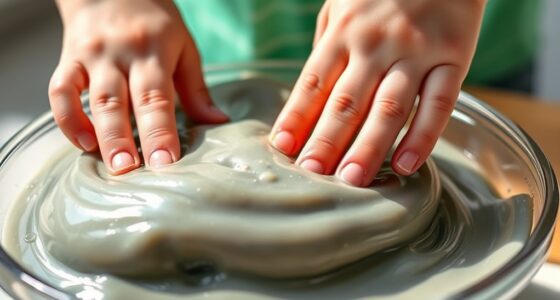
To observe oxidation with apple slices, start by slicing apples and placing them in a well-lit area or near a window. Watch as their color gradually darkens, showing the browning process caused by enzymes reacting with oxygen. You can speed up or slow down the process by adjusting exposure to air or adding acids like lemon juice. Keep an eye on how quickly the color changes, and you’ll discover more about this fascinating chemical reaction.

Prime made for students and young adults
- Fast, free delivery for dorm and study essentials
- Prime Video and Amazon Music included
- Member-only deals
Key Takeaways
- Slice apples and place them in a well-lit area to monitor natural oxidation over time.
- Observe the color change from white to brown as enzymes catalyze oxidation of phenolic compounds.
- Compare exposed slices with those treated with acids (like lemon juice) to see inhibited browning.
- Cover some slices with plastic wrap or submerge in water to slow oxygen exposure and observe differences.
- Record the time and extent of browning to analyze how oxygen exposure accelerates oxidation.
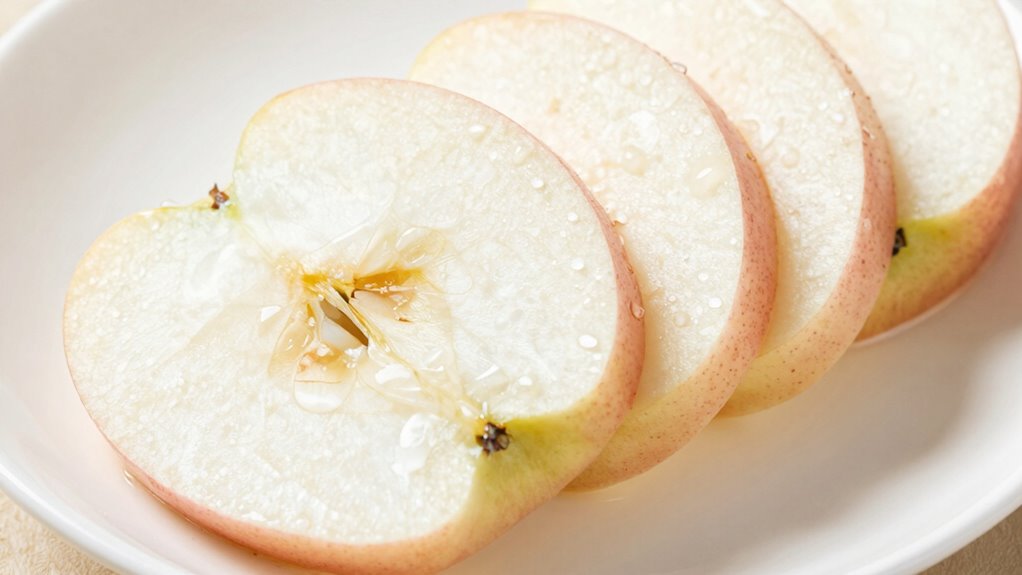
Oxidation is a natural chemical process that occurs when apple slices are exposed to air, causing them to turn brown. This browning results from a series of chemical reactions that take place on the surface of the fruit. When you cut into an apple, you break its cells, releasing enzymes and exposing the inner tissues to oxygen. The key driver behind this change is enzyme activity, specifically involving an enzyme called polyphenol oxidase. This enzyme catalyzes the oxidation of phenolic compounds within the apple, transforming them into darkly pigmented compounds known as melanins. As a result, you see the familiar browning on the apple’s surface.
Oxidation causes apple slices to brown when exposed to air, driven by the enzyme polyphenol oxidase transforming phenols into melanins.
To observe this process firsthand, start by slicing an apple and placing the slices in a well-lit area or near a window. As you watch, you’ll notice the color change happen gradually. The enzyme activity accelerates when the apple is exposed to oxygen, forming a visible chemical reaction. The browning isn’t just a surface change; it indicates that the enzyme is actively facilitating the oxidation of phenols. You can enhance your understanding by preparing two sets of apple slices: one exposed to air and another treated with a mild acid like lemon juice or vinegar. The acid inhibits enzyme activity, so you’ll see less browning in the treated slices, providing clear evidence of enzyme involvement in the process.
You might also try to slow down or prevent browning to better observe the chemical reaction. Covering some slices with plastic wrap or submerging them in water limits oxygen exposure, reducing enzyme activity and the subsequent browning. This illustrates how controlling environmental factors influences the chemical reaction. Additionally, slicing the apple and exposing it to an environment rich in oxygen accelerates browning, making the process more apparent. Observing these differences helps you understand the role of oxygen and enzyme activity in oxidation. Controlling enzymatic activity is crucial for developing effective methods to preserve fresh-cut fruits and vegetables, which often involves controlling oxidation processes. Recognizing the biochemical mechanisms behind this reaction also provides insight into broader oxidation processes in various biological systems.
Throughout this process, you’re witnessing a biochemical reaction unfold in real time. The browning isn’t just a cosmetic issue—it’s a window into how enzymes facilitate chemical transformations. By monitoring how quickly the apple slices turn brown under different conditions, you grasp how oxygen interacts with enzymes and phenolic compounds. This simple experiment offers a clear, tangible way to observe oxidation, highlighting the fascinating interplay of chemical reactions and enzyme activity in everyday life. Understanding these biochemical mechanisms can also inform food preservation techniques and improve how we handle fresh produce.
apple slicing and browning observation kit
As an affiliate, we earn on qualifying purchases.
As an affiliate, we earn on qualifying purchases.
Frequently Asked Questions
How Long Does It Take for Apples to Oxidize Visibly?
It usually takes about 15 to 30 minutes for apples to visibly oxidize. When you cut into an apple, apple enzymes and oxidation enzymes react with oxygen, causing browning. To slow this process, you can add lemon juice or store the slices in an airtight container. The browning indicates oxidation enzymes are active, but it doesn’t affect the apple’s safety—just its appearance.
Can Oxidation Be Prevented Without Modifying the Apple?
Yes, you can prevent oxidation without modifying the apple by using natural preservation methods like applying surface coatings such as lemon juice or vinegar. These acids slow down the browning process by reducing oxygen contact. You might also cover the slices tightly with plastic wrap or store them in an airtight container, minimizing exposure to air. These approaches help keep your apple slices fresh and visually appealing longer without altering the fruit itself.
Does Oxidation Affect the Apple’s Nutritional Value?
You can’t judge an apple by its appearance alone, as oxidation affects its nutritional value subtly. The oxidation process causes some loss of vitamins, especially vitamin C, impacting the apple’s nutritional impact. Although the changes are minor, over time, they can reduce the health benefits you gain. So, it’s wise to enjoy apples fresh to maximize nutritional value and avoid the hidden toll of the oxidation process.
Are Certain Apple Varieties More Prone to Oxidation?
Yes, some apple varieties are more prone to oxidation because of their specific apple variety and oxidation susceptibility. For example, softer apples like McIntosh tend to oxidize faster than firmer varieties like Fuji or Granny Smith. You can reduce oxidation by keeping your apple slices in an acidulated solution or refrigerated, but understanding the oxidation susceptibility of your apple variety helps you choose the best options for longer-lasting freshness.
What Other Fruits Undergo Oxidation Similar to Apples?
Other fruits like bananas, avocados, and peaches undergo oxidation similar to apples. When you cut these fruits, their fruit enzyme reacts with oxygen, which increases the oxidation rate and causes browning. You can observe this process easily, noticing how quickly the fruit changes color. To slow oxidation, try adding lemon juice or storing the fruit in an airtight container, which helps reduce oxygen contact and delays browning.
kitchen experiment kit for oxidation
As an affiliate, we earn on qualifying purchases.
As an affiliate, we earn on qualifying purchases.
Conclusion
As you watch the apple slices turn brown, it’s almost as if nature itself is revealing its quiet, intricate processes—an unexpected reminder of how everyday moments mirror complex chemical reactions. By observing this simple change, you uncover a fascinating coincidence: the familiar fruit becomes a living demonstration of oxidation, blending science with everyday life. Sometimes, the smallest observations lead to the most profound insights, turning a simple experiment into a window of understanding.
As an affiliate, we earn on qualifying purchases.
As an affiliate, we earn on qualifying purchases.
Fall Picks
fall essentials
As an affiliate, we earn on qualifying purchases.