

Beneficial microbes enhance your plants’ nutrient uptake by making essential elements like nitrogen and phosphorus more accessible. They form symbiotic relationships, such as mycorrhizal fungi expanding root systems and bacteria fixing atmospheric nitrogen. These microbes improve soil health and create a vibrant ecosystem that supports resilient plant growth. By fostering these natural partnerships, you can reduce the need for chemical fertilizers. If you stay curious, you’ll discover more ways microbes boost crop health and sustainability.
Key Takeaways
- Beneficial microbes form symbiotic relationships with plant roots, increasing nutrient absorption surface area.
- Microbes like nitrogen-fixing bacteria convert atmospheric nitrogen into forms plants can use.
- Certain microbes solubilize phosphorus, making it more accessible for plant uptake.
- Microbial activity enhances overall soil health, promoting efficient nutrient cycling.
- Diverse microbial communities improve plant resilience and reduce reliance on chemical fertilizers.

Beneficial microbes play a crucial role in enhancing nutrient uptake in plants, making them vital allies for sustainable agriculture. When you understand microbe plant interactions, you unlock the potential to improve plant health and productivity naturally. These interactions involve complex relationships where microbes assist plants by making nutrients more accessible, especially in nutrient-poor soils. Soil microbial diversity is a key factor here—when your soil hosts a wide variety of beneficial microbes, it creates a vibrant ecosystem that supports plant growth at multiple levels. This diversity ensures that different microbes can perform specialized functions, such as fixing nitrogen, solubilizing phosphorus, or decomposing organic matter, all of which directly benefit your plants.
Beneficial microbes enhance plant nutrient uptake by supporting diverse, specialized functions in soil ecosystems.
As you introduce or encourage beneficial microbes in your soil, you’re essentially fostering a community that actively participates in nutrient cycling. For example, mycorrhizal fungi form symbiotic relationships with plant roots, extending their reach and increasing the surface area for nutrient absorption. This means your plants can access nutrients that would otherwise remain locked in soil particles, especially phosphorus. Similarly, certain bacteria like rhizobia work with leguminous plants to fix atmospheric nitrogen, reducing the need for chemical fertilizers. These microbe plant interactions not only supply essential nutrients but also improve soil health by promoting microbial diversity, which in turn leads to more resilient plant systems.
You might notice that in soils rich in microbial diversity, plants tend to grow stronger and more resistant to stress. This resilience comes from the microbe-driven enhancement of nutrient availability and the suppression of harmful pathogens. When you maintain or boost soil microbial diversity—whether through composting, crop rotation, or inoculation—you create a robust environment that naturally supports nutrient uptake. It’s a cycle: diverse microbes improve nutrient accessibility, healthy plants thrive, and healthy plants foster even more microbial activity. This interconnected system means you can reduce reliance on synthetic fertilizers, cut costs, and promote a more sustainable farming approach.
Taking care of microbe plant interactions and soil microbial diversity isn’t just about adding microbes; it’s about nurturing an ecosystem. By understanding and leveraging these relationships, you empower your plants to meet their nutritional needs more efficiently. The result is healthier crops, improved yields, and a healthier environment. When you focus on fostering beneficial microbes, you’re investing in a natural, sustainable way to enhance nutrient uptake—one that supports long-term soil fertility and reduces environmental impact. In essence, harnessing the power of beneficial microbes transforms your soil into a dynamic, nutrient-rich foundation that benefits your plants and the planet alike. Additionally, recognizing the role of specific beneficial microbes, such as those from the Dog breeds knowledge, can help tailor microbial applications to particular plant needs or conditions.

Real Growers Recharge – 8oz | Mycorrhizae Soil Microbe Inoculant for Living Soil & Coco Coir | Improves Nutrient Uptake & Root Growth
Promotes aggressive root growth by supporting active soil biology.
As an affiliate, we earn on qualifying purchases.
As an affiliate, we earn on qualifying purchases.
Frequently Asked Questions
How Do Beneficial Microbes Affect Soil Ph Levels?
Beneficial microbes influence soil pH levels through soil buffering, maintaining stability despite external changes. Their microbial activity helps break down organic matter, releasing acids or alkaline substances that can raise or lower pH. As you introduce these microbes, you’ll notice improved soil resilience and nutrient availability. Their ongoing activity guarantees pH remains within ideal ranges, supporting healthy plant growth and creating a balanced environment for your garden or farm.
Can Microbes Improve Nutrient Uptake in Hydroponic Systems?
Microbes can dramatically boost nutrient uptake in hydroponic systems by enhancing plant microbe interactions and increasing microbe diversity. Their presence helps break down nutrients more efficiently, making essential elements like nitrogen and phosphorus more accessible to roots. This microbial activity can transform your hydroponic setup into a powerhouse of growth, almost like giving your plants a secret weapon for thriving. Embrace beneficial microbes, and watch your crops flourish beyond your wildest dreams!
Are There Any Risks Associated With Introducing Beneficial Microbes?
Introducing beneficial microbes can pose risks, such as microbial contamination, which might harm your plants or disrupt your system. There’s also a concern about genetic modification, especially if microbes are engineered, potentially affecting the environment or creating unintended consequences. To minimize these risks, make certain you source microbes from reputable suppliers, follow proper application protocols, and monitor your system regularly for any signs of contamination or imbalance.
How Do Microbes Interact With Chemical Fertilizers?
Imagine microbes dancing through the soil, interacting with chemical fertilizers like partners in a choreographed routine. Microbial biofertilizers boost soil microbial diversity, helping plants absorb nutrients more efficiently. They break down chemical fertilizers, releasing nutrients slowly and reducing runoff. This synergy enhances plant growth, making fertilizers more effective while promoting a healthy, balanced soil ecosystem. You’ll notice healthier crops and improved yields with microbes working harmoniously alongside your fertilization efforts.
What Are the Best Methods to Apply Microbes to Crops?
To effectively apply beneficial microbes to crops, choose the right microbe formulation, like liquid, granular, or carrier-based products. Use proper application techniques such as seed coating, soil drenching, or foliar spraying, ensuring even distribution. Always follow manufacturer instructions for dosage and timing. You can also optimize results by applying microbes during planting or early growth stages, helping microbes establish and enhance nutrient uptake for healthier crops.
mycorrhizal fungi for plants
As an affiliate, we earn on qualifying purchases.
As an affiliate, we earn on qualifying purchases.
Conclusion
As you explore the world of beneficial microbes, you realize they hold incredible potential to revolutionize nutrient uptake. But what if the true power of these tiny allies is just beginning to be uncovered? The more you learn, the more you realize there’s so much more at stake—secrets waiting to be unbarred. Could harnessing these microbes be the key to sustainable agriculture? The answer might be closer than you think, and the future depends on what’s discovered next.

Xtreme Gardening AZOS 6 oz – Beneficial Bacteria for Plant Growth, Nitrogen Fixing Root Stimulator for All Plants
NATURAL NITROGEN-FIXING BACTERIA: AZOS is an all-natural beneficial bacteria that fixes atmospheric nitrogen and converts it into a…
As an affiliate, we earn on qualifying purchases.
As an affiliate, we earn on qualifying purchases.
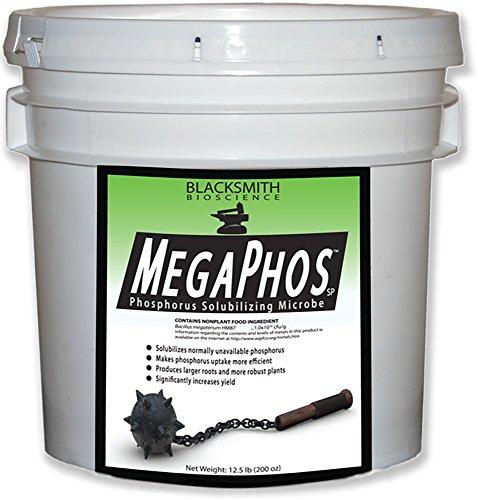
Blacksmith 100534798 Bioscience Megaphos Phosphorus Solubilizing Microbe, White
Aids in transformation of soil phosphorus into an assumable form for plants
As an affiliate, we earn on qualifying purchases.
As an affiliate, we earn on qualifying purchases.