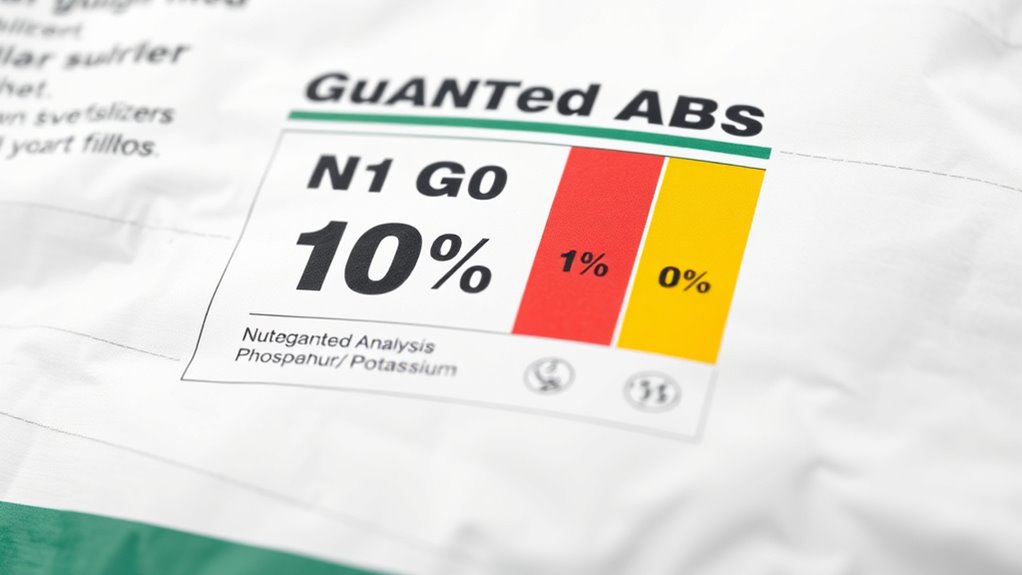

Fertilizer labels show a guaranteed analysis that lists percentages of key nutrients like nitrogen, phosphorus, and potassium, helping you pick the right product for your plants. The numbers, such as 10-20-10, tell you the amount of each nutrient, guiding your choices based on your plants’ needs. Understanding these ratios guarantees you use fertilizers effectively without overdoing it. Keep going to discover more tips on interpreting these labels and optimizing your plant care.
Key Takeaways
- The guaranteed analysis lists percentages of nutrients like N, P, and K on fertilizer labels.
- The three numbers represent nitrogen, phosphorus, and potassium content, guiding fertilizer selection.
- Higher nitrogen promotes leafy growth; phosphorus supports roots and flowering; potassium enhances overall health.
- Organic fertilizers have lower nutrient percentages and provide gradual, sustainable nutrient release.
- Guaranteed analysis indicates nutrient content but doesn’t reveal nutrient availability or soil interactions.
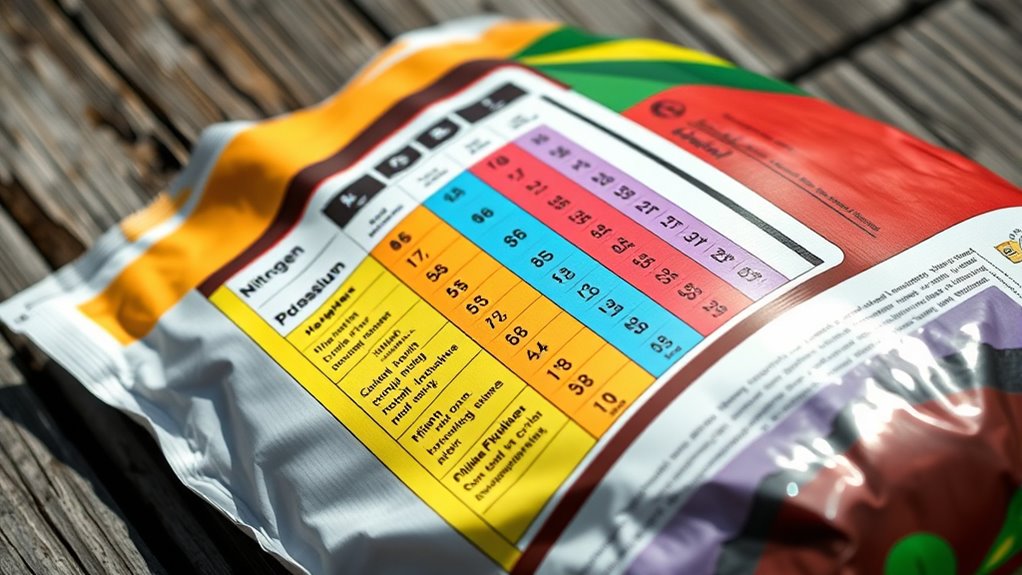
Have you ever wondered what all those numbers and symbols on fertilizer bags really mean? It might seem overwhelming at first, but understanding the guaranteed analysis can help you choose the right product for your plants. The guaranteed analysis lists the percentages of essential nutrients in the fertilizer, typically including nitrogen (N), phosphorus (P), and potassium (K). These numbers provide a quick snapshot of what your fertilizer will deliver, guiding you in selecting the best product for your garden or lawn. Whether you’re using soil amendments to improve soil health or opting for organic fertilizers to promote sustainable growth, knowing these figures is key to making informed decisions.
Nitrogen is essential because it encourages lush, green foliage, making it a staple for lawns and leafy plants. Phosphorus supports root development and flowering, so it’s indispensable for flowering plants and new transplants. Potassium aids overall plant health, improving disease resistance and drought tolerance. When you read the label, you’ll see these nutrients expressed as percentages, such as 10-20-10. The first number (10) indicates the nitrogen content, the second (20) is phosphorus, and the third (10) represents potassium. These numbers help you determine whether the fertilizer matches your specific needs—like boosting growth or enhancing flowering.
Organic fertilizers often have lower nutrient percentages compared to synthetic options, but they provide a more gradual, sustainable release of nutrients. They also contribute to soil amendments, enriching the soil with organic matter that improves texture, aeration, and water retention. When selecting organic fertilizers, pay attention to the guaranteed analysis to guarantee you’re providing the right nutrients without overdoing it. Organic options are especially beneficial if you prefer eco-friendly practices or are aiming to build healthy, living soil over time.
It’s important to remember that the guaranteed analysis doesn’t tell you everything about a fertilizer’s effectiveness. It doesn’t indicate how quickly nutrients will become available or how they will interact with your soil. For this reason, understanding the label helps you match fertilizers to your plants’ specific needs and soil conditions. Always consider your soil type, plant requirements, and whether you’re using soil amendments or organic fertilizers. Properly interpreting this information helps prevent over-fertilizing, which can harm plants and the environment, and guarantees your garden receives the right balance of nutrients. Additionally, understanding the role of nutrients can help you better appreciate how fertilizers support plant growth and development. In the end, knowing what those numbers on the label mean puts you in control, allowing you to create a thriving, healthy garden.

Earth-Care Plus 5-6-6 Organic Fast Acting Fertilizer for Plants – Water-Soluble Plant Food for Vegetables, Trees, and Flowers – Boost Growth for Lawns, & Gardens 4lb (1Pack)
Versatile Organic Fertilizer: Our all-purpose organic fertilizer is perfect for a wide variety of plants, including vegetables like…
As an affiliate, we earn on qualifying purchases.
As an affiliate, we earn on qualifying purchases.
Frequently Asked Questions
How Do I Choose the Right Fertilizer Based on Guaranteed Analysis?
To select the right fertilizer, look at the nutrient ratios on the label to match your plant’s needs, such as a higher nitrogen for leafy growth or phosphorus for root development. Consider your application timing—some fertilizers work best during specific growth stages. By aligning nutrient ratios and timing with your plants’ requirements, you guarantee ideal growth and health, making your fertilization effective and efficient.
Are Organic Fertilizers Required to Have Guaranteed Analysis Labels?
Organic fertilizers aren’t required to have guaranteed analysis labels, but many do for transparency. Organic certification standards and label regulations vary by region, so check if the product’s certification aligns with your standards. When labels are present, they typically highlight nutrient content without the detailed guaranteed analysis of synthetic fertilizers. You can depend on organic certifications to ensure the product meets organic standards, even if detailed guaranteed analysis isn’t always provided.
What Do I Do if My Fertilizer’s Guaranteed Analysis Seems Inconsistent?
If your fertilizer’s guaranteed analysis seems inconsistent, think of it as a puzzle missing pieces. Start by soil testing to identify actual nutrient deficiencies. Then, compare your test results with the label’s claims. If they don’t match, contact the manufacturer or supplier for clarification. This way, you’ll guarantee your plants get the right nutrients, turning your garden into a thriving, healthy oasis rather than a mismatched mosaic.
How Often Should I Check Fertilizer Labels for Accuracy?
You should check fertilizer labels at least once each season to verify they match your soil testing results and maintain proper nutrient balance. Regularly reviewing labels helps you confirm the fertilizer provides the right nutrients in the correct amounts. This proactive approach ensures ideal plant growth and prevents nutrient deficiencies or excesses. Keep a record of your soil tests and compare them with fertilizer labels to stay informed and make the best choices for your garden.
Can I Use Fertilizers With Different Guaranteed Analyses Together?
Mixing fertilizers with different guaranteed analyses is like blending different paints; it can be done if you consider soil compatibility and nutrient balance. You should check each label carefully to make certain the nutrients won’t overwhelm your plants or soil. Always aim for a balanced approach, combining fertilizers that complement each other rather than clash, to promote healthy growth without risking nutrient imbalances.

Espoma Organic Garden-Tone 3-4-4 Organic Fertilizer for Cool & Warm Season Vegetables and Herbs. Grow an Abundant Harvest of Nutritious and Flavorful Vegetables – 4 lb. Bag – Pack of 2
FOR USE ON: Use Garden-tone organic fertilizer for leafy vegetables like lettuce, kale & cabbage as well as…
As an affiliate, we earn on qualifying purchases.
As an affiliate, we earn on qualifying purchases.
Conclusion
Deciphering fertilizer labels doesn’t have to be intimidating. By paying close attention to guaranteed analysis, you’ll confidently choose the correct fertilizer for your crops. Remember, understanding labels leads to healthier plants, happier harvests, and lush lawns. So, stay savvy, scrutinize specifics, and make informed decisions. With a little knowledge and a keen eye, you’ll cultivate a garden that truly flourishes. Happy gardening!
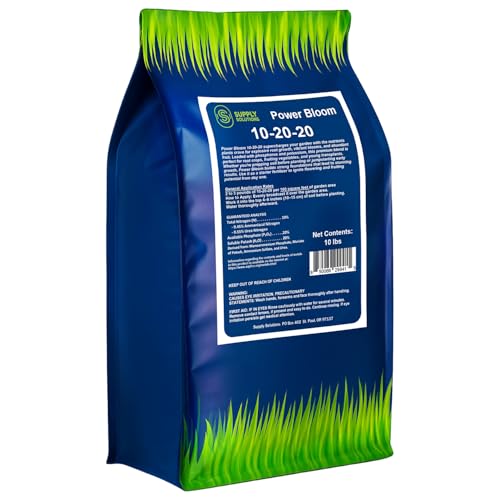
Supply Solutions | Power Bloom 10-20-20 Fertilizer | Bloom Booster Fertilizer for Flowers and Plants, High Phosphorus NPK Fertilizer for Vegetable Garden, Fruit Tree and Flower Fertilizer (10 Pounds)
Bloom & Root Development: High phosphorus fertilizer formulated to support flowering and fruiting stages across flowers, shrubs, and…
As an affiliate, we earn on qualifying purchases.
As an affiliate, we earn on qualifying purchases.

Farmer’s Secret Soil Revitalizer (32oz) – Organic (OMRI Listed) Dirt Health Booster – Liquid Compost Soil Amendment – Activated Humic Acid – Great for Fall/Spring Application
Feed the soil not the plants – stimulate microbial activity in your soil and boost probability of success…
As an affiliate, we earn on qualifying purchases.
As an affiliate, we earn on qualifying purchases.