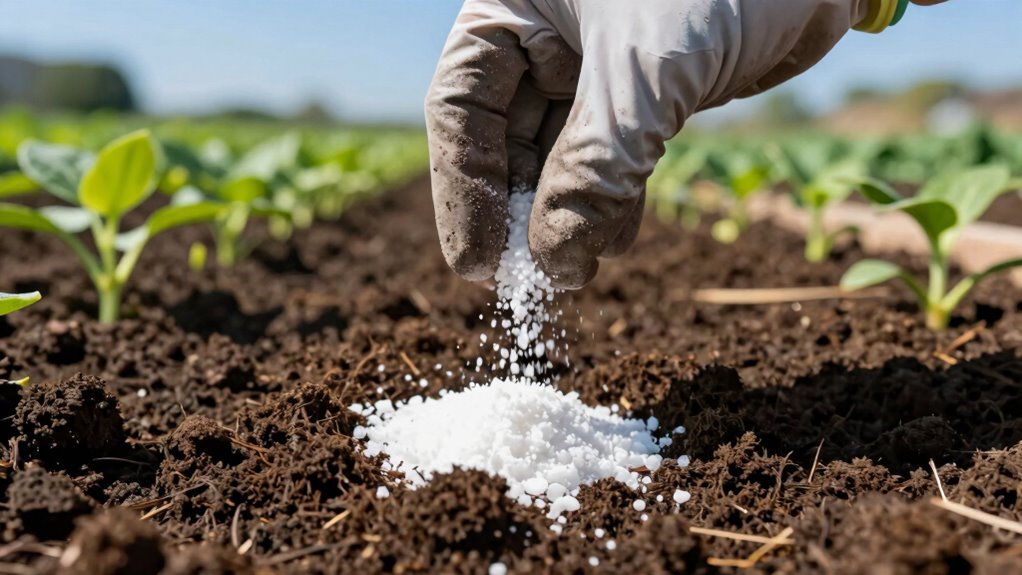

Timing potassium application before planting is essential for maximizing crop health and yield. The right product can improve nutrient uptake and soil readiness, but choosing the best depends on your specific needs and soil conditions. The Muriate of Potash 0-0-60 Fertilizer stands out as the overall top pick for its balanced formulation and reliable performance. For organic growers, the Organic Sulfate of Potash 0-0-50 offers a water-soluble option that integrates well into organic systems. However, tradeoffs exist—such as solubility, ease of application, and cost—that influence the best choice for each gardener. Keep reading for a detailed breakdown of these options and how to select the right timing potassium application for your planting schedule.

Prime made for students and young adults
- Fast, free delivery for dorm and study essentials
- Prime Video and Amazon Music included
- Member-only deals
Key Takeaways
- The top-ranked products balance solubility, nutrient content, and ease of application for pre-planting use.
- Organic options like sulfate-based fertilizers appeal to eco-conscious gardeners but may be more expensive or less concentrated.
- Products with higher potassium content or water solubility facilitate quicker soil absorption, which is key for timely planting.
- Cost-effectiveness varies widely; some premium products offer better performance but at a higher price point.
- Application timing and soil testing are critical steps that can influence the effectiveness of potassium fertilization before planting.
| Muriate of Potash 0-0-60 Fertilizer – Made in USA |  | Best Overall for Versatility and Concentration | NPK Ratio: 0-0-60 | Form: Water soluble | Weight: 5 lbs | VIEW ON AMAZON | See Our Full Breakdown |
| Espoma Potash 0-0-60 Potassium Fertilizer, 6 lb |  | Best Value for Versatile Soil Application | NPK Ratio: 0-0-60 | Weight: 6 lb | Application: Apply to soil around plant drip line, water thoroughly | VIEW ON AMAZON | See Our Full Breakdown |
| Organic Sulfate of Potash 0-0-50 – Water Soluble Fertilizer for Plants & Gardens – 3LB |  | Best Organic Choice for Immediate Potassium Needs | N-P-K Ratio: 0-0-50 | Weight: 3LB | Water Soluble: Yes | VIEW ON AMAZON | See Our Full Breakdown |
| Hi-Yield 4# Analysis 0-0-60 Muriate Of Potash Fertilizer |  | Best for Root and Flower Development | NPK Ratio: 0-0-60 | Type: Muriate Of Potash | Application: Granules | VIEW ON AMAZON | See Our Full Breakdown |
| High Potassium Fertiliser 0-0-50 Sulphate of Potash, Potash Fertiliser for Garden & All Plants (1 LB) |  | Best for Versatile, Gentle Potassium Boosts | NPK Ratio: 0-0-50 | Weight: 1 LB | Chloride-Free: Yes | VIEW ON AMAZON | See Our Full Breakdown |
| CountryMax 10LB Potash Fertilizer for Lawn & Garden Plants |  | Best for Versatile Outdoor Use and Stress-Resistant Growth | Brand: CountryMax | Weight: 10 lbs | N-P-K Ratio: 0-0-60 | VIEW ON AMAZON | See Our Full Breakdown |
| CZ Garden MKPur 0-52-34 Monopotassium Phosphate Fertilizer – Water Soluble PK Plant Food |  | Best for Precise, Rapid Nutrition in Diverse Gardening Systems | NPK Ratio: 0-52-34 | Weight: 1 lb | Application: Water soluble, suitable for soil, containers, hydroponics, fertigation | VIEW ON AMAZON | See Our Full Breakdown |
| timing potassium application before planting | Weight | NPK Ratio |
|---|---|---|
| Muriate of Potash 0-0-60 Ferti | 5 lbs | 0-0-60 |
| Espoma Potash 0-0-60 Potassium | 6 lb | 0-0-60 |
| Organic Sulfate of Potash 0-0- | 3LB | — |
| Hi-Yield 4# Analysis 0-0-60 Mu | — | 0-0-60 |
| High Potassium Fertiliser 0-0- | 1 LB | 0-0-50 |
| CountryMax 10LB Potash Fertili | 10 lbs | — |
| CZ Garden MKPur 0-52-34 Monopo | 1 lb | 0-52-34 |
More Details on Our Top Picks
Muriate of Potash 0-0-60 Fertilizer – Made in USA
This highly pure, water-soluble potassium source stands out for its ease of application across various garden settings. Unlike granular options like Espoma Potash, its concentrated liquid form allows for quick absorption and uniform distribution, making it ideal for pre-planting soil drench or foliar feeding. However, its high purity means it contains only potassium, so it should be combined with other nutrients if your soil needs more balance. The resealable pouch adds convenience, but the concentrated nature requires careful handling to avoid over-application. This product makes the most sense for gardeners seeking a flexible, fast-acting potassium boost before planting, especially when precision dosing is needed.
Pros:- High purity and water-soluble for fast, even application
- Supports flowering, fruiting, and overall plant vigor
- Resealable packaging enhances convenience
Cons:- Contains only potassium, no nitrogen or phosphorus for balanced fertilization
- Requires careful handling due to high concentration to prevent overuse
Best for: Experienced gardeners who want quick, customizable potassium application for pre-planting soil treatment
Not ideal for: Beginners or those preferring pre-measured, all-in-one fertilizers, as it requires careful handling and dosing
- NPK Ratio:0-0-60
- Form:Water soluble
- Weight:5 lbs
- Country of Origin:USA
Our verdict“This pick is best suited for experienced gardeners needing a flexible, potent potassium source before planting.”
Espoma Potash 0-0-60 Potassium Fertilizer, 6 lb
Compared with liquid options, Espoma Potash offers a straightforward granular form that makes soil incorporation simple and effective for a wide range of plants, including trees and vegetables. Its slow-release nature favors steady potassium supply during early growth stages, making it suitable for pre-planting soil prep or early season feed. While it’s easy to apply during spring and fall, it lacks the immediacy of water-soluble products like Sulfate of Potash 0-0-50, which deliver nutrients rapidly for quick uptake. The granular form means it’s less precise than liquids and requires proper watering to activate, but its broad compatibility makes it a dependable choice for general pre-planting soil conditioning.
Pros:- Provides a high-potassium content suitable for various plants
- Granular form simplifies soil application
- Resealable bag offers storage convenience
Cons:- No nitrogen or phosphorus included, requiring additional fertilization
- Best used during specific seasons—spring or fall—limiting year-round flexibility
Best for: Gardeners seeking an easy, effective granular potassium source for soil prep and early growth
Not ideal for: Gardeners needing immediate nutrient uptake or precise application, as it releases nutrients slowly over time
- NPK Ratio:0-0-60
- Weight:6 lb
- Application:Apply to soil around plant drip line, water thoroughly
- Form:Granular
- Made in:USA
Our verdict“This fertilizer suits those wanting a reliable, easy-to-apply potassium source for pre-plant soil conditioning with moderate release speed.”
Organic Sulfate of Potash 0-0-50 – Water Soluble Fertilizer for Plants & Gardens – 3LB
This OMRI-listed, water-soluble sulfate of potash excels for organic growers needing quick nutrient delivery. Unlike granular options such as Hi-Yield 0-0-60, its fine powder form dissolves rapidly, making it ideal for fertigation and foliar feeding, especially before planting. Its low chlorine content minimizes risk of fertilizer burn, a common concern with some potassium salts. However, being limited to potassium and sulfur, it doesn’t provide nitrogen or phosphorus, so it’s best used alongside other fertilizers for balanced nutrition. Its organic certification and quick solubility make it perfect for organic gardens where immediate potassium boost is desired without synthetic additives.
Pros:- OMRI-listed for organic use
- Fast-dissolving powder for quick nutrient uptake
- Low chlorine content reduces risk of fertilizer burn
Cons:- Limited to potassium and sulfur, no other nutrients
- Requires resealing after use to maintain freshness
Best for: Organic gardeners seeking fast-acting, chlorine-free potassium for pre-planting applications
Not ideal for: Gardening setups requiring a balanced fertilizer with nitrogen and phosphorus in a single product
- N-P-K Ratio:0-0-50
- Weight:3LB
- Water Soluble:Yes
- Chlorine Content:Less than 0.5%
- Country of Origin:USA
- Organic Certification:OMRI Listed
Our verdict“This organic, water-soluble potassium fertilizer is ideal for quick pre-planting applications in organic gardens where immediate nutrient availability is needed.”
Hi-Yield 4# Analysis 0-0-60 Muriate Of Potash Fertilizer
This granular fertilizer with a 0-0-60 ratio emphasizes strong root and flower growth, making it a solid choice for pre-planting soil prep in vegetable and flower gardens. Compared with the liquid Muriate of Potash 0-0-60, its granular form offers a more controlled, slow-release potassium supply, ideal for establishing a healthy root system before planting. However, it requires careful handling and application in calm conditions to prevent drift and over-application. While it’s effective for root crops, its slower release means it’s less suited for gardeners needing rapid nutrient availability right at planting time. It’s best suited for those who prefer a straightforward, granular potassium supply with predictable results.
Pros:- High potassium content promotes strong roots and flowers
- Suitable for a range of plants including vegetables and flowers
- Easy to apply in granular form
Cons:- Requires careful handling and application conditions
- Slower nutrient release compared to water-soluble options
Best for: Gardeners focusing on root crops and flowers who want a reliable granular potassium source for pre-planting soil conditioning
Not ideal for: Gardeners requiring immediate nutrient availability or those working in windy conditions that complicate granular application
- NPK Ratio:0-0-60
- Type:Muriate Of Potash
- Application:Granules
- Suitable For:Vegetables, flowers, root crops
Our verdict“This fertilizer is ideal for those who prefer a controlled, slow-release potassium source for pre-plant root and flower development.”
High Potassium Fertiliser 0-0-50 Sulphate of Potash, Potash Fertiliser for Garden & All Plants (1 LB)
This chloride-free, refined sulfate of potash provides a concentrated potassium source with multiple application options, making it highly versatile. Unlike granular or liquid fertilizers, its small size and purity allow for top dressing, irrigation, or foliar spraying, which can be advantageous for pre-planting soil or targeted plant feeding. It enhances drought and frost tolerance effectively, which is a plus for early season planting. However, its small weight limits the total amount you can apply at once, often requiring frequent reapplications for sustained effect. It’s best suited for gardeners who want a gentle, flexible potassium supplement that minimizes salt stress and can be used in various ways.
Pros:- Chloride-free and gentle on plants
- Versatile application methods including top dressing, irrigation, and foliar spray
- Enhances drought and frost tolerance
Cons:- Limited to potassium, no additional nutrients
- May require frequent reapplications for sustained effects
Best for: Gardening enthusiasts needing a gentle, multi-method potassium source for pre-planting and early growth
Not ideal for: Large-scale planting or situations requiring bulk fertilizer, due to its small package size and frequent reapplication needs
- NPK Ratio:0-0-50
- Weight:1 LB
- Chloride-Free:Yes
Our verdict“This product suits gardeners seeking a gentle, flexible potassium additive for pre-planting and early growth that minimizes salt stress.”
CountryMax 10LB Potash Fertilizer for Lawn & Garden Plants
This high-potassium fertilizer is ideal for supporting robust root development, plant resilience, and yield improvement across a variety of outdoor plants. Compared with the Espoma Potash 0-0-60, which offers a smaller quantity, the CountryMax 10LB Potash Fertilizer provides a larger volume suited for extensive outdoor gardens. Its focus on a high-potassium ratio (0-0-60) makes it particularly effective for plants needing stress resistance and fruit quality enhancement. However, because it lacks nitrogen, it’s less ideal for leafy greens or plants requiring more balanced nutrition. Proper application is essential to avoid over-fertilizing, especially in sensitive soil conditions. This pick makes the most sense for gardeners with established outdoor beds or lawns seeking to boost plant strength without complex application needs.
Pros:- Supports strong root development and overall plant health
- Enhances crop yield and fruit quality
- Easy to apply for outdoor use
Cons:- Limited to high potassium needs, not suitable for all plants
- Requires careful application to prevent over-fertilization
Best for: Gardeners managing large outdoor spaces needing stress resilience and yield boosts
Not ideal for: Indoor growers or those cultivating nitrogen-dependent plants like leafy greens
- Brand:CountryMax
- Weight:10 lbs
- N-P-K Ratio:0-0-60
- UPC:753294505606
- Item Count:1
- Part Number:0-0-60
Our verdict“This fertilizer is best for outdoor growers seeking a straightforward way to boost plant strength and yields in soil-based systems.”
CZ Garden MKPur 0-52-34 Monopotassium Phosphate Fertilizer – Water Soluble PK Plant Food
This water-soluble fertilizer excels in delivering high phosphorus and potassium levels quickly and efficiently, making it perfect for boosting flowering, root development, and fruiting. Unlike the CountryMax Potash Fertilizer, which emphasizes outdoor soil application, the CZ Garden MKPur is designed for flexible use in hydroponics, fertigation, and container gardening. Its zero nitrogen content means it’s less suitable for nitrogen-loving plants but ideal for crops needing a quick potassium and phosphorus boost. The compact 1 lb size provides convenience but may fall short for large-scale applications. This makes it a strong choice for gardeners requiring fast-acting nutrition or those working with precise feeding schedules, especially in controlled environments.
Pros:- High phosphorus and potassium promote robust flowering and root growth
- Water-soluble for quick, flexible application
- Suitable for various plants including flowers, fruits, and vegetables
- Compact resealable pouch for easy storage
Cons:- Contains no nitrogen, so additional fertilization is needed for leafy growth
- Limited size may require frequent repurchasing for larger gardens
Best for: Hydroponic growers or container gardeners needing rapid, targeted nutrient delivery
Not ideal for: Large-scale outdoor gardens or nitrogen-dependent crops requiring sustained feeding
- NPK Ratio:0-52-34
- Weight:1 lb
- Application:Water soluble, suitable for soil, containers, hydroponics, fertigation
- Nitrogen Content:Zero
Our verdict“This fertilizer suits growers who prioritize fast, precise nutrition, especially in hydroponic or container setups, over large-scale outdoor use.”

How We Picked
We evaluated these products based on their potassium content, solubility, ease of application, and suitability for pre-planting timing. Performance in delivering nutrients quickly into the soil was prioritized, as timing is critical for planting success. We also considered product formulation—organic versus synthetic—and user convenience, including packaging and handling. Price point was a factor, but only in relation to value and efficacy. The rankings reflect a balance of these factors, favoring products that reliably deliver potassium at the right time for diverse gardening needs.Factors to Consider When Choosing Timing Potassium Application Before Planting
Selecting the right potassium fertilizer for pre-planting application involves more than just choosing the highest potassium content. Consider how quickly the fertilizer dissolves, its compatibility with your soil type, and your organic or synthetic preferences. Proper timing can significantly influence plant development, so understanding these factors helps prevent nutrient deficiencies or waste. Here are key considerations to guide your decision:Solubility and Application Ease
For pre-planting, water-soluble fertilizers are generally preferred because they release nutrients quickly, making potassium available when plants need it most. Consider whether the product dissolves easily in your soil or water, as clumpy or slow-dissolving fertilizers can delay nutrient availability. Organic options like sulfate forms tend to be more water-soluble but may require more precise application timing to match your planting schedule. Mistakes here can lead to delayed nutrient uptake or wastage, so choosing a product with proven solubility is often worth the investment.
Potassium Content and Formulation
The percentage of potassium (K) in a fertilizer influences how much nutrient you get per application. Higher potassium content means fewer applications are needed, which can be advantageous for large plots. However, the form of potassium—chloride (Muriate of Potash) versus sulfate—affects soil chemistry and plant compatibility. Muriate of Potash is more concentrated but can increase soil salinity, potentially affecting sensitive plants. Sulfate forms are often preferred for organic systems or salt-sensitive crops, even if they come at a higher cost.
Timing and Soil Compatibility
Applying potassium too early or too late can reduce its effectiveness. The goal is to have the nutrient available just as plants begin to root and grow vigorously. Soil testing before application helps determine existing potassium levels and avoid over-application, which can lead to nutrient imbalances. Some fertilizers are better suited for immediate use, while others may require incorporation well before planting. Understanding your soil’s needs and the product’s release profile ensures the fertilizer works as intended.
Organic vs. Synthetic Fertilizers
Organic fertilizers like sulfate of potash appeal to gardeners seeking sustainable options, but they often cost more and may have slower nutrient release. Synthetic options tend to be more concentrated and easier to handle, offering predictable results. The choice depends on your gardening philosophy, crop requirements, and budget. Mixing organic and synthetic products without understanding their interactions can sometimes lead to nutrient lockout or reduced effectiveness, so plan accordingly.
Cost and Value
Price varies significantly across products, and higher cost does not always mean better performance. Evaluate how much potassium each product provides relative to its price, and consider how often you need to reapply. For large-scale operations, investing in a higher-efficiency product might save time and money in the long run. Conversely, small gardens may benefit from more affordable, straightforward options. Weigh performance against your budget to find the best fit for your needs.
Frequently Asked Questions
When is the best time to apply potassium before planting?
The ideal timing depends on your crop and soil conditions, but generally, applying potassium at least a week before planting ensures it has time to dissolve and integrate into the soil. This allows roots to access nutrients early in growth, promoting healthy development. For fast-growing crops, some gardeners prefer a split application—initially before planting and a follow-up during early growth stages—to maximize uptake. Soil testing can help refine the exact timing for your specific situation.
Can I apply potassium fertilizer directly to the seedbed?
Applying potassium directly to the seedbed can be effective if done carefully, but it carries risks of root burn or uneven distribution. It’s usually better to incorporate potassium into the soil a few days before planting, allowing it to settle and dissolve. For granular products, light incorporation or watering afterward helps prevent seed contact with high concentrations. Always follow specific product instructions to avoid damage or nutrient lockout.
Should I use organic or synthetic potassium fertilizers for pre-planting applications?
The choice depends on your gardening approach and crop needs. Organic options like sulfate of potash are suitable for organic systems and promote slower, steady nutrient release. Synthetic fertilizers often provide higher concentrations and quicker availability, making them convenient for time-sensitive planting schedules. Consider your soil health goals, crop sensitivity, and budget; mixing both types requires understanding their interactions to avoid nutrient imbalances.
How often should I reapply potassium during the growing season?
Reapplication depends on crop demand, soil potassium levels, and initial application timing. For most vegetables, a supplemental application mid-season can support continued growth, especially if soil tests show deficiencies. Over-application can lead to nutrient imbalances, so regular testing is recommended. For pre-planting, the focus is on ensuring adequate initial levels; subsequent applications are based on ongoing crop requirements and soil feedback.
What common mistakes should I avoid when applying potassium before planting?
A common mistake is applying too much potassium at once, which can lead to soil salinity issues or nutrient imbalances. Another is applying it too early, causing nutrients to leach away before plants can use them. Not testing soil levels beforehand can result in unnecessary application or deficiencies. Lastly, failing to incorporate or water in the fertilizer properly can hinder nutrient availability. Proper timing, dosage, and soil assessment are key to effective pre-plant potassium application.
Conclusion
For gardeners seeking the best overall performance, the Muriate of Potash 0-0-60 Fertilizer offers a reliable, high-potassium option suitable for most crops. Those prioritizing organic methods should consider the Organic Sulfate of Potash 0-0-50, especially if water solubility and eco-friendliness are important. Budget-conscious growers will find the CountryMax 10LB Potash Fertilizer delivers good value for large applications. Beginners or gardeners with sensitive plants might prefer formulations that dissolve easily and are less likely to cause soil imbalance, like the Espoma Potash 0-0-60. For specialty crops or hydroponic setups, the CZ Garden MKPur 0-52-34 Monopotassium Phosphate provides precise nutrient control. Ultimately, your choice should align with your soil type, crop needs, and gardening philosophy.Fall Picks
fall essentials
As an affiliate, we earn on qualifying purchases.