
To fertilize aubergines, bitter gourds, and indoor plants effectively, apply a balanced fertilizer during planting and every 2-3 weeks during active growth. Use liquid formulations for quick absorption or slow-release options for sustained feeding. Water plants before fertilizing to prevent root damage. Monitor plant responses to fine-tune nutrient levels, ensuring proper timing and dosage. Keep exploring to discover detailed techniques that help your plants thrive.
Key Takeaways
- Fertilize aubergines and bitter gourds every 2-3 weeks with balanced, water-soluble fertilizers during active growth stages.
- Use liquid fertilizers for quick absorption and slow-release granules for sustained nutrition.
- Apply fertilizers after watering to prevent root burn and improve nutrient uptake.
- Adjust fertilization based on plant signs, such as yellowing leaves or poor fruiting, indicating specific nutrient deficiencies.
- For indoor plants, fertilize every 2-4 weeks with appropriate balanced nutrients, following product instructions.

Fertilizing your aubergines, bitter gourds, and indoor plants correctly is vital for healthy growth and abundant yields. Proper fertilization ensures your plants receive the nutrients they need at the right time, promoting vigorous development and maximizing productivity. To start, identify the specific nutrient requirements of each plant type. Aubergines, for example, thrive with a balanced mix of nitrogen, phosphorus, and potassium, but they particularly benefit from additional potassium to support fruit development. Bitter gourds, on the other hand, prefer slightly higher nitrogen levels initially to encourage lush foliage, with a shift toward more phosphorus and potassium as they start flowering and fruiting. Indoor plants vary widely, so understanding their individual needs is essential—most benefit from a balanced, water-soluble fertilizer applied regularly.
Proper fertilization of aubergines, bitter gourds, and indoor plants promotes healthy growth and maximizes yields.
Before fertilizing, examine your soil or growing medium, especially for outdoor plants. Conducting a soil test helps determine existing nutrient levels and pH, guiding you on the appropriate fertilizer type and quantity. For container plants or indoor setups, use high-quality potting mixes that contain basic nutrients, but remember they can become depleted over time. This makes regular fertilization more important for indoor plants, which don’t have access to natural soil replenishment.
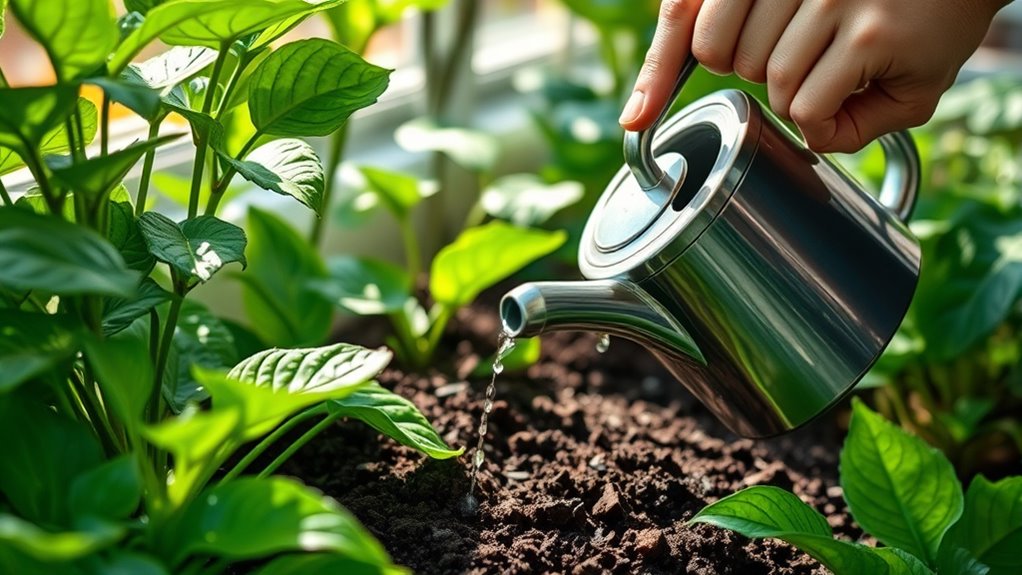
When applying fertilizer, consistency and timing matter. For aubergines and bitter gourds, fertilize at planting and then every 2-3 weeks during the active growing season. Use a liquid fertilizer for quick nutrient uptake or a slow-release granular option for sustained feeding. For indoor plants, follow the instructions on the fertilizer package, typically fertilizing every 2-4 weeks. Always water your plants before fertilizing to prevent root burn and ensure the nutrients penetrate deeply into the soil or growing medium.
Pay attention to signs your plants give you. Yellowing leaves may indicate nitrogen deficiency, while poor fruiting could suggest a lack of potassium. Over-fertilizing can lead to excessive foliage growth at the expense of fruit or flowers and may cause salt buildup in the soil, damaging roots. To avoid this, stick to recommended amounts and avoid fertilizing during dormant periods. Adjust your fertilization schedule based on plant response and growth stage, increasing nutrients during active growth and reducing or stopping during dormancy.

GARDENWISE 10-10-10 All Purpose Plant Food – Liquid Fertilizer with Seaweed Kelp & Iron – Indoor & Outdoor Plant Food, Vegetables, Flowers, Lawn & Garden 1x8oz
🌱 COMPREHENSIVE PLANT NUTRITION: The 10-10-10 in our liquid plant fertilizer signifies a balanced blend of Nitrogen (N),…
As an affiliate, we earn on qualifying purchases.
As an affiliate, we earn on qualifying purchases.
Frequently Asked Questions
How Often Should I Fertilize Indoor Plants During Winter?
You’re wondering how often to fertilize indoor plants during winter. Typically, you should reduce feeding frequency because of slower growth. Aim to fertilize once a month with a balanced, water-soluble fertilizer, or follow the specific instructions on your product. If your plants are actively growing or flowering, you might need to fertilize a bit more often. Always avoid overfeeding, which can harm your plants.
Can Over-Fertilizing Harm Aubergine Plants?
Think of over-fertilizing as pouring too much fuel into a car—your aubergine plants can’t handle the excess. Yes, it can harm them by causing salt build-up, which leads to root damage and stunted growth. Overfeeding can also make plants more susceptible to diseases. To keep your plants healthy, follow recommended fertilization schedules and avoid the temptation to give them more than they need.
What Organic Fertilizers Are Best for Bitter Gourds?
You should use organic fertilizers like compost, well-rotted manure, or fish emulsion for bitter gourds. These provide essential nutrients naturally, promoting healthy growth and good fruit production. Apply them regularly, especially during planting and flowering stages. Organic options improve soil health over time and reduce chemical buildup. Keep in mind, balance is key—avoid over-fertilizing to prevent excessive foliage growth at the expense of fruit development.
Is It Necessary to Flush Soil After Fertilizing Indoor Plants?
Think of your indoor plants as delicate dancers—they need just the right amount of nutrients. After fertilizing, it’s wise to flush the soil with water to prevent salt buildup, which can harm roots. I once ignored this step, and my plant’s growth stalled. By rinsing the soil occasionally, you guarantee your plants stay healthy and vibrant, much like a dancer needs a smooth stage to perform their best.
How Do Soil Types Affect Fertilizing Strategies for These Plants?
Soil types play a vital role in your fertilizing approach. If you have sandy soil, it drains quickly, so you’ll need frequent, light feeds to prevent nutrient loss. With clay soil, nutrients stick around longer, allowing for less frequent, more concentrated fertilizing. Loamy soil offers a balanced environment, supporting steady nutrient availability. Adjust your fertilizing strategy based on your soil’s texture to guarantee healthy plant growth.

Osmocote Smart-Release Plant Food Plus Outdoor & Indoor1, 2 lb.
CONTINUOUS RELEASE NUTRITION: Osmocote Smart-Release Plant Food Plus Outdoor & Indoor1 granular fertilizer contains 11 essential nutrients and…
As an affiliate, we earn on qualifying purchases.
As an affiliate, we earn on qualifying purchases.
Conclusion
By mastering these fertilizing techniques, you hold the key to thriving plants that flourish with vitality. Think of your garden as a symphony, where each nutrient acts as a essential note—missing one disrupts the harmony. With attentive care and proper nourishment, you’ll turn your green space into a masterpiece of lush aubergines, bitter gourds, and vibrant indoor plants. Remember, the health of your plants mirrors your dedication—nurture them well, and they’ll reward you abundantly.

Miracle-Gro Indoor Plant Food for All Plants, 8 fl. oz. (2-Pack)
Miracle-Gro Indoor Plant Food for All Plants contains nutrients for healthier, stronger plants (vs unfed when used as…
As an affiliate, we earn on qualifying purchases.
As an affiliate, we earn on qualifying purchases.
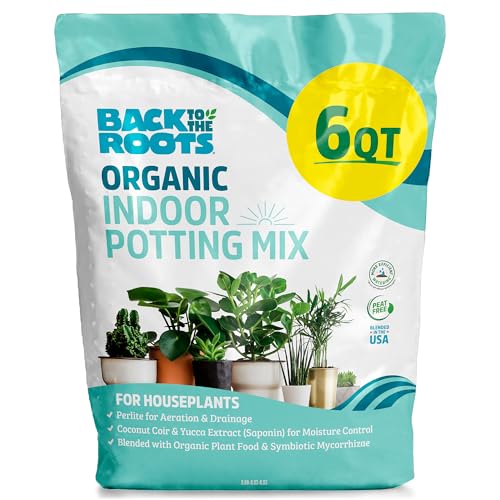
Back to the Roots 100% Organic Indoor Potting Mix (6 Quart), Promotes Healthy Houseplant Growth, Made in The USA
Includes 6qt of Back to the Roots Indoor Potting Mix. Our Potting Mix contains organic yucca extract that…
As an affiliate, we earn on qualifying purchases.
As an affiliate, we earn on qualifying purchases.