
TL;DR

Prime made for students and young adults
- Fast, free delivery for dorm and study essentials
- Prime Video and Amazon Music included
- Member-only deals
Recent archaeological discoveries offer new clues about the Late Bronze Age Collapse, a period marked by the sudden decline of major civilizations around 1200 BCE. The findings highlight potential causes and consequences, though some aspects remain uncertain.
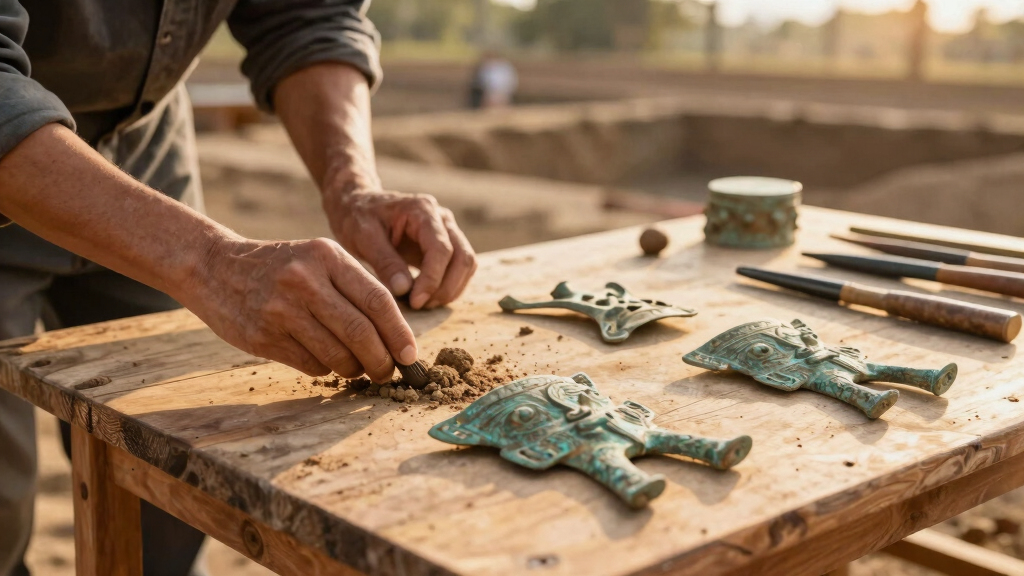
Archaeologists have announced new findings that shed light on the Late Bronze Age Collapse around 1200 BCE, a period when several major civilizations in the Eastern Mediterranean abruptly declined. These discoveries, made through excavations and analysis of ancient records, provide fresh insights into the causes and consequences of this widespread upheaval, which remains a key focus of historical research.
Recent excavations at multiple sites across the Eastern Mediterranean have uncovered evidence of environmental stress, including signs of prolonged drought and deforestation, which may have contributed to societal destabilization. Additionally, analysis of clay tablets and inscriptions suggests that widespread invasions, internal rebellions, and economic disruptions played a significant role in the collapse of civilizations such as the Hittites, Mycenaeans, and Egyptians. These findings are based on peer-reviewed archaeological research and recent scientific analyses, although interpretations vary among scholars.
While the precise combination of factors remains debated, the new evidence emphasizes the complexity of the collapse, highlighting environmental degradation alongside political and military upheaval. The discoveries also include remnants of abandoned cities and fortifications, indicating a rapid decline in urban centers and a breakdown of trade networks. Experts caution that, although these findings are compelling, some aspects of the collapse, such as the exact triggers and timeline, are still under investigation.
Implications of Recent Findings on Ancient Civilizations
The new evidence underscores the multifaceted nature of the Late Bronze Age Collapse, illustrating how environmental, societal, and military factors intertwined to cause widespread decline. Understanding this period can inform current discussions on climate change, societal resilience, and the vulnerabilities of complex civilizations. The research also refines historical timelines and offers a more nuanced picture of ancient societal responses to crises, which remains relevant for interpreting both past and present global challenges.
As an affiliate, we earn on qualifying purchases.
Key Developments Leading to the Collapse
The Late Bronze Age Collapse, occurring around 1200 BCE, involved the sudden fall of prominent civilizations such as the Hittite Empire, Mycenaean Greece, and the Egyptian New Kingdom. Prior to this period, these societies experienced extensive trade, advanced urban development, and cultural exchange. However, evidence points to a combination of environmental stressors—like droughts and deforestation—and external pressures, including invasions by groups such as the Sea Peoples, as catalysts for societal breakdown. The collapse resulted in the loss of literacy, economic decline, and the fragmentation of political structures across the region.
Recent scholarly work has focused on integrating archaeological and scientific data to better understand the timeline and causes, moving beyond earlier theories that primarily emphasized invasions or internal decline alone. These efforts aim to produce a comprehensive picture of this transformative period in ancient history.
“The new evidence suggests that environmental factors, especially prolonged droughts, played a significant role in weakening these ancient societies before external invasions compounded their decline.”
— Dr. Emily Carter, Archaeologist
ancient civilizations replica artifacts
As an affiliate, we earn on qualifying purchases.
As an affiliate, we earn on qualifying purchases.
Unresolved Questions About the Collapse Causes
While recent findings clarify some aspects of the Late Bronze Age Collapse, several key questions remain open. It is still unclear how exactly environmental stress translated into societal collapse, and the precise sequence of events leading to urban abandonment and societal breakdown is debated among scholars. Additionally, the relative influence of invasions versus internal unrest has not been definitively established, and the timeline of these events continues to be refined through ongoing research.
As an affiliate, we earn on qualifying purchases.
Future Research Directions on Ancient Societal Failures
Researchers plan to conduct further excavations at key sites, employ advanced climate modeling, and analyze ancient DNA to better understand the environmental and societal dynamics of the period. Upcoming publications aim to refine the chronological framework and clarify the interplay of factors involved. These efforts will help build a more detailed and accurate reconstruction of the collapse, informing both historical understanding and lessons for modern resilience.
As an affiliate, we earn on qualifying purchases.
Key Questions
What caused the Late Bronze Age Collapse?
The collapse was likely caused by a combination of environmental stress, invasions, internal rebellions, and economic disruptions, though the exact sequence and impact of each factor remain under study.
Why is this period still important today?
Understanding the collapse helps us learn about societal resilience, the impacts of climate change, and how complex civilizations respond to crises, offering lessons relevant to contemporary global challenges.
What new evidence has been found?
Recent archaeological excavations have uncovered signs of prolonged drought, deforestation, and urban abandonment, along with inscriptions indicating societal upheaval and invasions.
Are scholars in agreement about the causes?
No, interpretations vary. While recent evidence emphasizes environmental factors, some scholars still debate the relative importance of invasions and internal decline.
Source: hn
Fall Picks
fall essentials
As an affiliate, we earn on qualifying purchases.