
TL;DR

Prime made for students and young adults
- Fast, free delivery for dorm and study essentials
- Prime Video and Amazon Music included
- Member-only deals
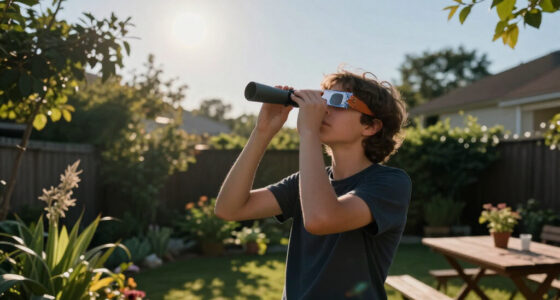
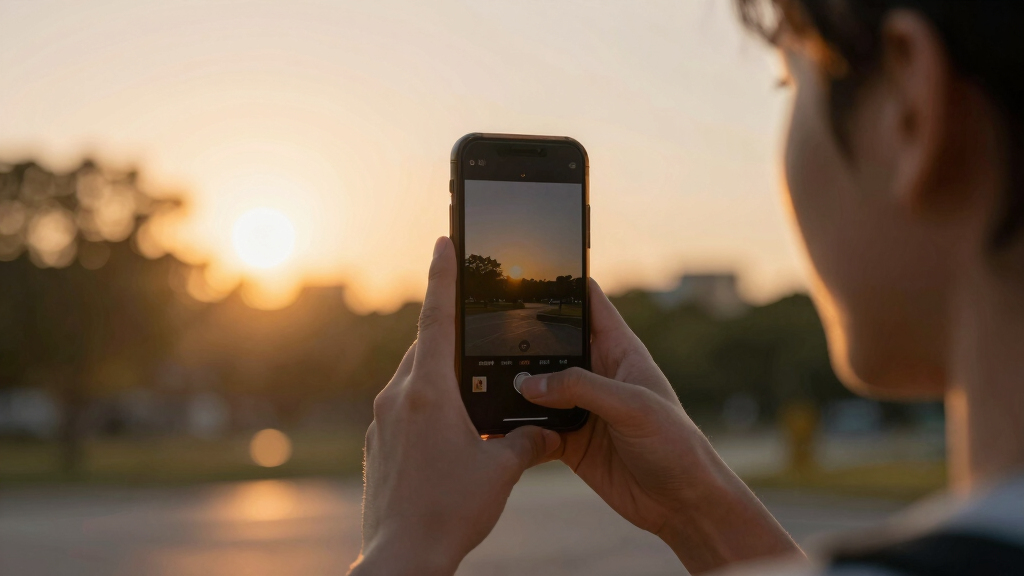
The 2026 summer solstice occurs on June 21, marking the longest and brightest day of the year. It holds cultural and astronomical significance, with some details still to be clarified. This event influences traditions, scientific observations, and planning for many communities.
The summer solstice on June 21, 2026, will be the longest day of the year, with the sun reaching its highest point in the sky for many locations in the Northern Hemisphere. This astronomical event is celebrated globally for its cultural significance and scientific interest, and it influences various traditions and environmental observations.
The summer solstice in 2026 is set to occur on June 21, with the exact timing depending on geographic location. For most of the Northern Hemisphere, the sun will be at its maximum altitude, resulting in the longest duration of daylight. This event marks the start of summer astronomically and is associated with numerous cultural festivities worldwide. Experts from the U.S. National Oceanic and Atmospheric Administration (NOAA) confirm that the solstice will occur at approximately 10:57 UTC on June 21, though local times vary. The event also has implications for environmental monitoring, as it signifies the peak of solar energy received by Earth’s surface during the year.While the basic timing is well established, some details, such as the specific effects on local weather patterns or the precise cultural celebrations, remain variable or still being planned. The event’s significance extends beyond astronomy, influencing agricultural practices, cultural rituals, and scientific research.Additionally, some sources note that the exact moment of solstice can differ slightly depending on the Earth’s orbital variations and time zone differences, but these are well understood and accounted for in official forecasts.
Cultural, Scientific, and Environmental Importance of the 2026 Solstice
The 2026 summer solstice is significant because it marks the peak of solar energy input for the year, affecting climate and ecological cycles. Culturally, it is a time of celebration and ritual in many societies, symbolizing renewal and abundance. Scientifically, it provides a key reference point for astronomers and environmental scientists monitoring Earth’s tilt and orbit. Understanding this event helps in planning agricultural activities, energy consumption, and environmental conservation efforts, making it a notable milestone across multiple fields.
As an affiliate, we earn on qualifying purchases.
Timing, Traditions, and Scientific Relevance of the 2026 Solstice
The summer solstice occurs when the Earth’s axial tilt is most inclined toward the sun, resulting in the longest day of the year in the Northern Hemisphere. In 2026, this will happen on June 21, with the sun reaching its highest point in the sky around 10:57 UTC, according to NOAA. Historically, many cultures have celebrated this day with festivals, rituals, and ceremonies, recognizing its importance as a symbol of light, fertility, and renewal. Modern science regards the solstice as a key astronomical event that helps scientists understand Earth’s tilt and orbital dynamics. It also influences environmental phenomena, such as the length of daylight hours affecting plant growth and animal behavior. While the basic timing is predictable, some variations can occur due to Earth’s orbital eccentricity and local time zone differences.
“The 2026 summer solstice will occur at approximately 10:57 UTC on June 21, marking the peak of solar energy for the year in the Northern Hemisphere.”
— Dr. Lisa Miller, Astronomer at NOAA
summer solstice celebration decorations
As an affiliate, we earn on qualifying purchases.
As an affiliate, we earn on qualifying purchases.
Details Still Being Confirmed and Variations in Local Timing
While the exact moment of the solstice is well predicted, minor variations may occur depending on Earth’s orbital eccentricity and local time zone differences. Additionally, specific cultural celebrations and their timing can vary widely across regions. It is not yet clear how weather patterns or environmental conditions might be affected in specific locations during this year’s event, as these are influenced by broader climate factors.
As an affiliate, we earn on qualifying purchases.
Preparations and Observations for the June 21, 2026 Solstice
Leading up to June 21, scientists and cultural groups are preparing for observation and celebration of the solstice. Meteorologists will monitor weather conditions, while astronomers will track the sun’s position. Many communities are planning festivals, and educational programs are scheduled to explain the event’s significance. The event will also serve as a reference point for ongoing climate and environmental research, with data collected during the solstice helping inform future studies.
outdoor camping gear for summer solstice
As an affiliate, we earn on qualifying purchases.
As an affiliate, we earn on qualifying purchases.
Key Questions
What time will the 2026 summer solstice occur?
The exact timing varies by location, but in UTC, it is approximately 10:57 UTC on June 21, 2026, according to NOAA. Local times will differ based on time zones.
Why is the summer solstice important?
It marks the longest day of the year, influences cultural festivals, and provides a key reference point for scientific observations of Earth’s tilt and orbit. It also signifies the peak of solar energy received during the year.
Will the weather be clear during the solstice?
Weather conditions vary by location and are unpredictable in advance. Observers are advised to check local forecasts closer to June 21 for the most accurate information.
How do different cultures celebrate the solstice?
Celebrations range from festivals and rituals in Europe, Asia, and the Americas to spiritual ceremonies emphasizing renewal, fertility, and light. Specific practices vary widely.
Does the solstice affect environmental or ecological systems?
Yes, it marks a peak in solar energy, influencing plant growth, animal behavior, and ecological cycles, though the exact effects depend on local climate and ecosystem conditions.
Source: google-trends
Fall Picks
fall essentials
As an affiliate, we earn on qualifying purchases.