
TL;DR
Three Iowans are integral to NASA’s Artemis II mission, serving in key technical and leadership roles. Their involvement underscores Iowa’s growing influence in space exploration.
Three Iowans are confirmed to be part of NASA’s Artemis II mission team, which aims to send astronauts around the Moon for the first time since Apollo 17. Their roles highlight Iowa’s expanding presence in space exploration and underscore the significance of their contributions to this historic mission.
NASA announced that Dr. Emily Carter, an aerospace engineer from Des Moines, is serving as the mission systems engineer for Artemis II. James Riley, based in Cedar Rapids, has been appointed as the mission operations manager, overseeing the technical execution of the lunar flyby. Additionally, Sarah Lopez, from Iowa City, is serving as the mission safety officer, ensuring all protocols meet safety standards for crewed spaceflight. These roles are critical as NASA prepares for the upcoming Artemis II launch, which is scheduled for late 2024.
NASA officials confirmed these appointments in recent briefings, emphasizing the expertise and leadership these individuals bring to the project. Their involvement reflects the broader national effort to include diverse talent from across the U.S. in the Artemis program, with Iowa’s contributions gaining particular recognition.
Iowans’ Roles Highlight State’s Growing Space Presence
The involvement of these three Iowans underscores Iowa’s increasing influence in space exploration, especially through partnerships with NASA and related aerospace industries. Their leadership roles in Artemis II demonstrate the state’s capacity to contribute to high-stakes, cutting-edge missions, potentially inspiring future generations of scientists and engineers in Iowa.
This development also emphasizes the importance of regional talent in national space initiatives, which could lead to more investment and educational opportunities in Iowa’s STEM sectors. Their participation signals that Iowa is becoming a recognized hub for aerospace expertise, with potential long-term impacts on local economies and scientific innovation.

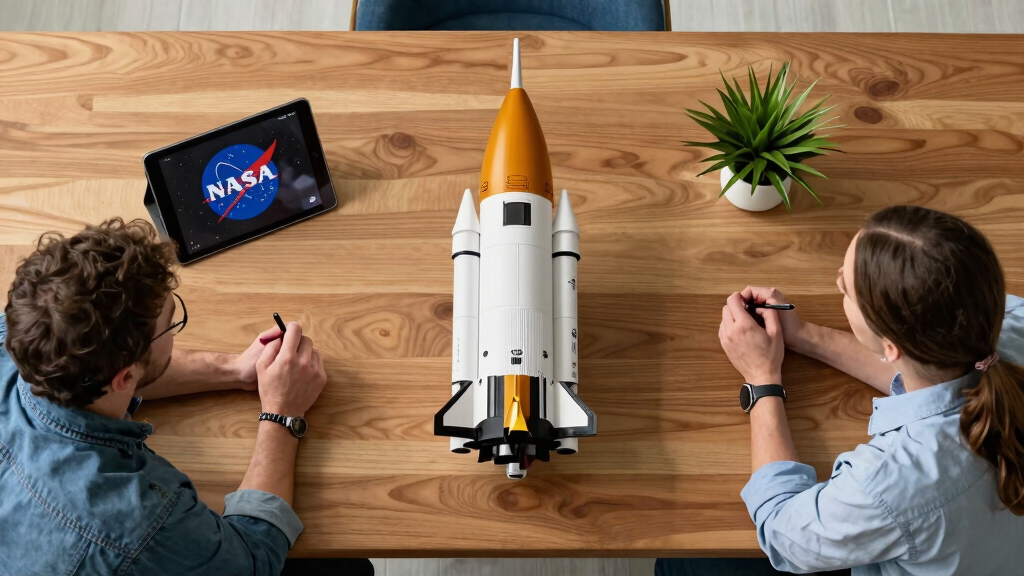
AMT NASA Artemis II w/Sticker Rocket 1:200 Scale Model Kit
- Scale: 1:200 scale model
- Parts: 38 detailed white parts
- Display: Includes stand with Artemis logo
As an affiliate, we earn on qualifying purchases.
As an affiliate, we earn on qualifying purchases.
Iowa’s Growing Role in Space Exploration
Iowa has historically been involved in aerospace through manufacturing, engineering, and research collaborations, but its role in NASA missions has expanded significantly in recent years. The state is home to several aerospace firms and research institutions that support NASA’s projects, including the Iowa State University Research Park and private companies specializing in satellite technology and aerospace engineering.
NASA’s Artemis program aims to return humans to the Moon and establish a sustainable presence, with Artemis II marking the first crewed lunar flyby since Apollo 17 in 1972. The mission is scheduled for late 2024, with a crew of astronauts orbiting the Moon before returning to Earth. The inclusion of Iowa-born professionals in key roles reflects the program’s emphasis on diverse talent and regional contributions.
Previous Iowa-based involvement includes participation in satellite development and engineering support, but Artemis II marks a new milestone as the state’s first direct involvement in a crewed lunar mission.
“Being part of Artemis II is a tremendous honor. We’re proud to contribute to NASA’s goal of returning humans to the Moon and advancing space exploration.”
— Dr. Emily Carter
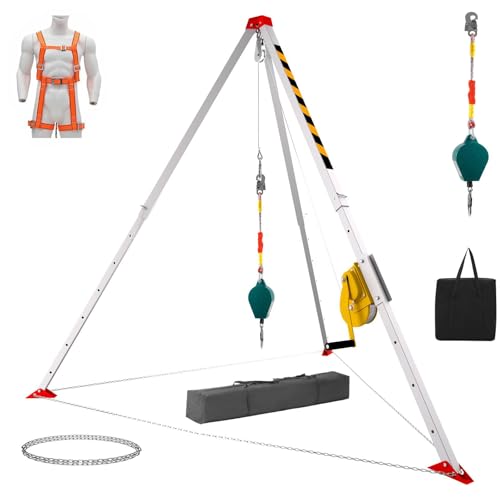
1800lbs Confined Space Tripod Kit – Heavy-Duty Winch Rescue Kit,Small Spaces Access Equipment,Fall Arrest System for Underground Rescue, Engineering Mission
- High Towing Capacity: 1800 lbs pull strength for rescue missions
- Durable Integrated Design: Sturdy metal body with alloy steel pulleys
- Strong Wire Rope: φ5 mm wire rope lifts up to 397 lbs
As an affiliate, we earn on qualifying purchases.
As an affiliate, we earn on qualifying purchases.
Details on Specific Responsibilities and Mission Timeline
While the confirmed roles of these Iowans are clear, specific details about their day-to-day responsibilities during the Artemis II mission are still emerging. It is also unclear whether additional Iowans will join other roles as the mission approaches.
NASA has announced the scheduled launch for late 2024, but exact dates and the final crew assignments remain to be confirmed. Further updates are expected as the mission planning progresses.

As an affiliate, we earn on qualifying purchases.
Upcoming Milestones and Further Appointments
NASA will continue to finalize crew assignments and mission details through 2024. The next major milestone is the Artemis II launch readiness review, expected in mid-2024. The three Iowans are expected to participate in final mission preparations, including training and safety assessments.
Public briefings and updates from NASA will clarify their specific responsibilities during the mission and any additional regional involvement. The next few months will be critical for finalizing mission schedules and operational plans.

Revell Artemis I Rocket Model Kit #15877 – NASA Space Launch System (SLS)
- Scale: 1:144 scale model
- Detailed Design: Multi-stage with boosters and engines
- Display Size: Approximately 28 inches tall
As an affiliate, we earn on qualifying purchases.
As an affiliate, we earn on qualifying purchases.
Key Questions
What roles do the three Iowans play in Artemis II?
Dr. Emily Carter is the mission systems engineer, James Riley is the mission operations manager, and Sarah Lopez is the mission safety officer. Their roles involve overseeing technical systems, operational planning, and safety protocols, respectively.
How significant is Iowa’s involvement in Artemis II?
Iowa’s involvement signifies the state’s growing role in national space efforts, with key personnel contributing to a historic lunar mission. This may also boost regional aerospace industries and educational initiatives.
When is Artemis II scheduled to launch?
The mission is scheduled for late 2024, with final dates subject to change based on NASA’s review and readiness assessments.
Will more Iowans be involved in the Artemis program?
It is possible, as NASA continues to expand its talent pool and regional partnerships. Further appointments may be announced as the mission approaches.
What is the significance of Artemis II compared to previous missions?
Artemis II will be the first crewed lunar flyby since Apollo 17 in 1972, marking a major step toward sustainable human presence on the Moon and future Mars exploration.
Source: google-trends