
TL;DR

Prime made for students and young adults
- Fast, free delivery for dorm and study essentials
- Prime Video and Amazon Music included
- Member-only deals
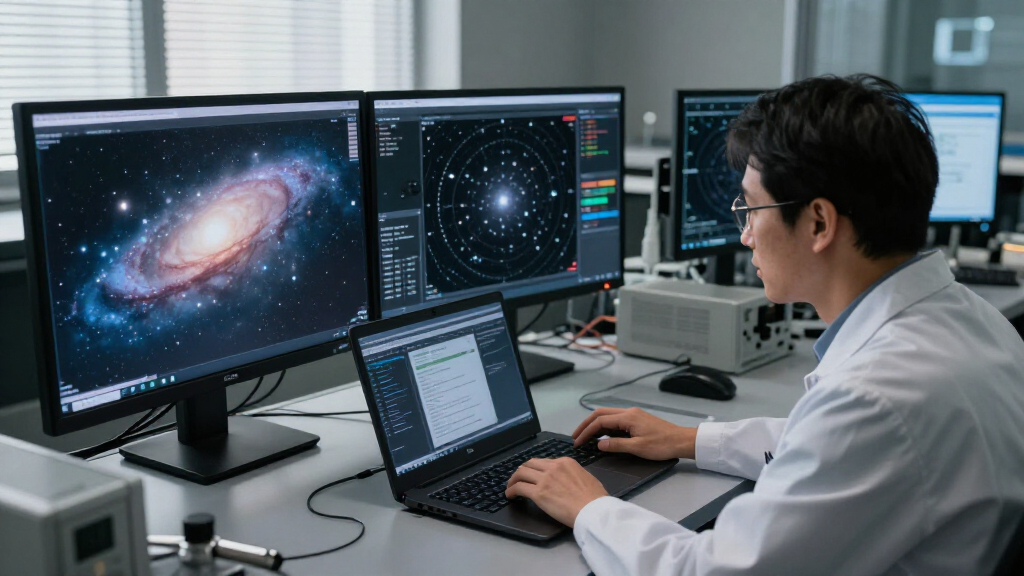
NASA’s Hubble Space Telescope has observed a decline in star formation activity within the Andromeda galaxy. This suggests that stellar birth rates are winding down, marking a significant change in the galaxy’s evolution.
NASA’s Hubble Space Telescope has confirmed a decline in star formation activity within the Andromeda galaxy. This observation indicates that the galaxy’s rate of stellar birth is decreasing, a development that could influence understanding of galaxy evolution. The findings were announced by NASA on March 15, 2024, based on recent Hubble imaging and data analysis.
Using high-resolution imaging, NASA scientists analyzed multiple regions of the Andromeda galaxy (M31) and observed a significant reduction in the number of new stars forming compared to previous measurements. The data suggest that star formation rates have dropped by approximately 20% over the past few hundred million years, according to NASA’s statement. The decline was identified through measurements of gas density and stellar populations in the galaxy’s spiral arms, which are key indicators of ongoing star formation.
NASA officials emphasized that this is the first comprehensive evidence of a slowdown in star formation in Andromeda, a galaxy similar in size and structure to our Milky Way. The observations are based on data collected over the last two years, with the latest analysis confirming a downward trend. The findings are consistent with models predicting that galaxies may experience periods of reduced stellar activity as their gas supplies diminish or become less conducive to star formation.
Implications for Galaxy Evolution and Future Research
This development is significant because it provides direct evidence that even large, mature galaxies like Andromeda can experience declines in star formation, challenging previous assumptions that such galaxies maintain steady star production over long periods. The observed slowdown could influence theories about the lifecycle of spiral galaxies, including our own Milky Way. Additionally, understanding the timing and causes of these declines can shed light on how galaxies transition from active star-forming phases to more quiescent states, impacting models of cosmic evolution.
Scientists note that these findings may also inform the study of galaxy interactions, gas depletion, and the role of dark matter in regulating star formation. The results underscore the importance of continued observation to monitor how galaxies evolve over cosmic timescales.
As an affiliate, we earn on qualifying purchases.
Hubble’s Role in Monitoring Galactic Changes
The Hubble Space Telescope has been instrumental in observing distant galaxies and understanding their life cycles since its launch in 1990. Prior to this, astronomers had limited data on the ongoing star formation processes in galaxies like Andromeda. Recent surveys have shown that galaxies undergo periods of intense star formation followed by gradual declines, but direct evidence of this process within Andromeda has been scarce.
Historically, Andromeda has been considered a relatively mature galaxy with a stable rate of star formation. However, recent Hubble data suggest that even such galaxies are subject to internal and external influences that can slow stellar birth. This is part of a broader effort by NASA and the astronomical community to understand how galaxies evolve over billions of years, especially as they age and exhaust their gas reserves.
As an affiliate, we earn on qualifying purchases.
Unanswered Questions About Star Formation Decline
While the data clearly show a decline in star formation activity, it is not yet confirmed what specific factors are driving this slowdown. Researchers are still investigating whether gas depletion, external interactions, or internal feedback mechanisms are responsible. Additionally, it remains unclear how long this decline will continue and whether it will lead to a more quiescent galaxy state similar to elliptical galaxies.
Further observations are needed to determine if this trend is temporary or part of a longer-term evolutionary process. The potential influence of dark matter and galactic environment on star formation rates also remains under study.
As an affiliate, we earn on qualifying purchases.
Ongoing Monitoring and Future Observations
NASA plans to continue analyzing Hubble data and coordinate with other observatories, such as the James Webb Space Telescope, to monitor Andromeda’s star formation activity. Future studies will aim to identify the causes of the decline and assess whether similar trends are occurring in other nearby galaxies. Researchers hope to refine models of galaxy aging and better understand the lifecycle of spiral galaxies.
Additional data collection over the next few years will help determine if the observed slowdown is a temporary fluctuation or a sign of a more profound evolutionary change.
As an affiliate, we earn on qualifying purchases.
Key Questions
What does a decline in star formation mean for the future of Andromeda?
A decline suggests that Andromeda’s stellar birth rate is decreasing, which could lead to a more quiescent galaxy in the future, with fewer new stars forming over time.
How does Hubble detect changes in star formation?
Hubble observes gas density, stellar populations, and emission signatures in different regions of the galaxy, which serve as indicators of ongoing star formation activity.
Could external factors influence this decline?
Yes, factors such as interactions with other galaxies or the depletion of gas reserves could contribute, but further research is needed to confirm these influences.
Is this decline unique to Andromeda?
While similar trends have been observed in other galaxies, this is the first direct evidence of a significant slowdown in Andromeda, which is one of our closest galactic neighbors.
When will more definitive conclusions be available?
Further observations over the next few years, including data from upcoming telescopes, will help clarify the causes and implications of this trend.
Source: google-trends
Fall Picks
fall essentials
As an affiliate, we earn on qualifying purchases.