TL;DR
A solar eclipse is set to occur on April 8, 2024, with visibility across specific regions in Europe and Africa. This event offers a rare chance for public engagement with astronomy, though safety precautions are essential.
A solar eclipse will take place on April 8, 2024, with viewers in parts of Europe and Africa able to witness the event. This eclipse is expected to be visible during daylight hours, offering a rare opportunity for skywatchers and scientists alike. Find out where to watch it in Paris or other locations. The event is confirmed by astronomical authorities and is expected to attract significant public interest.
The eclipse will occur when the Moon passes between the Sun and Earth, temporarily obscuring the Sun’s light in the affected regions. You can explore the Glimpse: HELIOS — Live Solar Observatory for real-time solar observations. According to the European Space Agency (ESA) and NASA, the path of totality will primarily cover parts of southern Europe, including Spain, Italy, and Greece, as well as northern Africa, including Morocco and Algeria. Partial views will be available in surrounding areas.
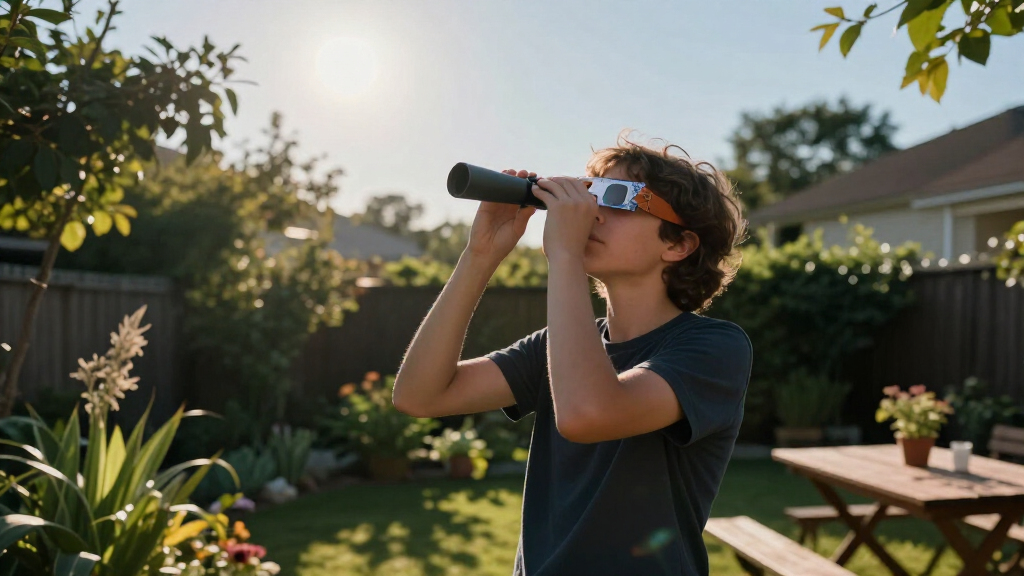
Experts advise viewers to use proper eye protection, such as eclipse glasses, to safely observe the event. For more details on safe viewing, see the Open-source Interactive Map for the Aug 12 Total Solar Eclipse. Local authorities in affected regions are preparing public outreach campaigns and safety advisories. The eclipse will last for approximately 3 to 4 minutes in the areas of totality, with partial phases extending over several hours.
Why the April 8, 2024, Solar Eclipse Matters
This eclipse provides an important opportunity for public engagement with astronomy and science education. It is also a rare celestial alignment that can help scientists study the Sun’s corona and other solar phenomena. Historically, solar eclipses have inspired cultural and scientific developments, and this event could boost interest in STEM fields among students and the general public.
For regions experiencing totality, the event will be a memorable experience, potentially attracting tourists and media coverage. Additionally, it offers an opportunity for researchers to collect data on solar activity and atmospheric effects during the eclipse.

Lunt Solar Systems ISO & CE Certified Solar Eclipse Glasses – AAS Approved Total Eclipse Viewing Glasses for the 2026 Solar Eclipse in Spain and EU (Germany, France, Italy, & More)
- Designed for 2026 Solar Eclipse: Perfect for viewing the 2026 eclipse in Europe
- ISO Certified Safety: Meets ISO 12312-2 (2015) standards
- CE Certified Quality: Complies with EN 169/1992 transmission requirements
As an affiliate, we earn on qualifying purchases.
As an affiliate, we earn on qualifying purchases.
Background and Expectations for the April 8, 2024 Eclipse
The last solar eclipse visible in parts of Europe occurred in August 2026, but this upcoming event is notable for its wide regional visibility. Historically, solar eclipses happen approximately every 18 months somewhere on Earth, but total eclipses visible from populated areas are less frequent. The 2024 eclipse is part of a series of eclipses predicted by NASA and other space agencies, with the path of totality crossing over densely populated regions.
Preparations for the event have been underway for months, including the distribution of eclipse glasses, public awareness campaigns, and scientific planning. The event’s timing aligns with the spring season in the northern hemisphere, increasing the likelihood of clear skies in some areas, though weather remains unpredictable.
“We encourage everyone in the path of totality to view the eclipse safely and to participate in the educational activities planned across Europe.”
— European Space Agency spokesperson
As an affiliate, we earn on qualifying purchases.
Weather and Visibility Conditions During the Eclipse
It is still unclear how weather conditions will impact visibility in key regions. Cloud cover and atmospheric conditions could obstruct views, especially in areas with unpredictable spring weather. Local forecasts closer to the date will provide more precise predictions.

Medical king Solar Eclipse Glasses 10 pk ISO 12312-2 and CE Certified Glasses For Safe View Solar Eclipse 2026 The Eclipse August 12, 2026 With 2 Phone Lenss
- Certification: ISO 12312-2 and CE Certified
- Safe Solar Viewing: Approved for direct solar observation
- Includes Phone Lenses: 2 phone lenses included for photos
As an affiliate, we earn on qualifying purchases.
As an affiliate, we earn on qualifying purchases.
Monitoring, Safety Advice, and Event Timing
Authorities and scientific organizations will release detailed viewing guidelines and safety tips as the date approaches. Public viewing events are being organized in major cities within the path of totality, with scientists and educators on hand to explain the phenomenon. The next steps include weather monitoring and final logistical preparations for safe observation.
As an affiliate, we earn on qualifying purchases.
Key Questions
When and where will the solar eclipse be visible?
The eclipse will occur on April 8, 2024. It will be visible in parts of Europe and Africa, with totality primarily in southern Europe and northern Africa. Partial views will be available in surrounding regions.
How long will the eclipse last in the totality zone?
In areas within the path of totality, the eclipse will last approximately 3 to 4 minutes. Partial phases will last several hours around the peak time.
How can I view the eclipse safely?
Use certified eclipse glasses or viewers that meet international safety standards. Never look directly at the Sun without proper eye protection, as it can cause serious eye damage.
Will the weather affect visibility?
Weather conditions, such as cloud cover, could obstruct views. Local weather forecasts closer to the event will provide more accurate predictions about visibility in specific areas.
Is there scientific research planned during the eclipse?
Yes, scientists will use the event to study the Sun’s corona and atmospheric effects. Some research teams have already set up observation stations in the path of totality.
Source: google-trends