
TL;DR
Germany will witness a total solar eclipse on August 12, 2026. This event is confirmed and will be visible in certain regions, attracting astronomers and the public. Details on the exact path and viewing conditions are still emerging.
Germany will experience a total solar eclipse on August 12, 2026, with certain regions expected to witness the full eclipse. This event is related to Sonnenfinsternis. This astronomical event is significant for both scientists and the public, as it offers a rare opportunity for observation and research. The exact path and visibility conditions are still being confirmed by astronomers.

Prime made for students and young adults
- Fast, free delivery for dorm and study essentials
- Prime Video and Amazon Music included
- Member-only deals
The total solar eclipse on August 12, 2026, will be visible across a narrow corridor through parts of northern Germany, including areas near Hamburg and Berlin, according to preliminary predictions from astronomical authorities. The eclipse will begin around 11:45 AM local time, with totality lasting approximately two minutes in the best viewing spots. For safety tips, see our guide on Sonnenfinsternis ohne Brille. Outside this path, viewers will see a partial eclipse.
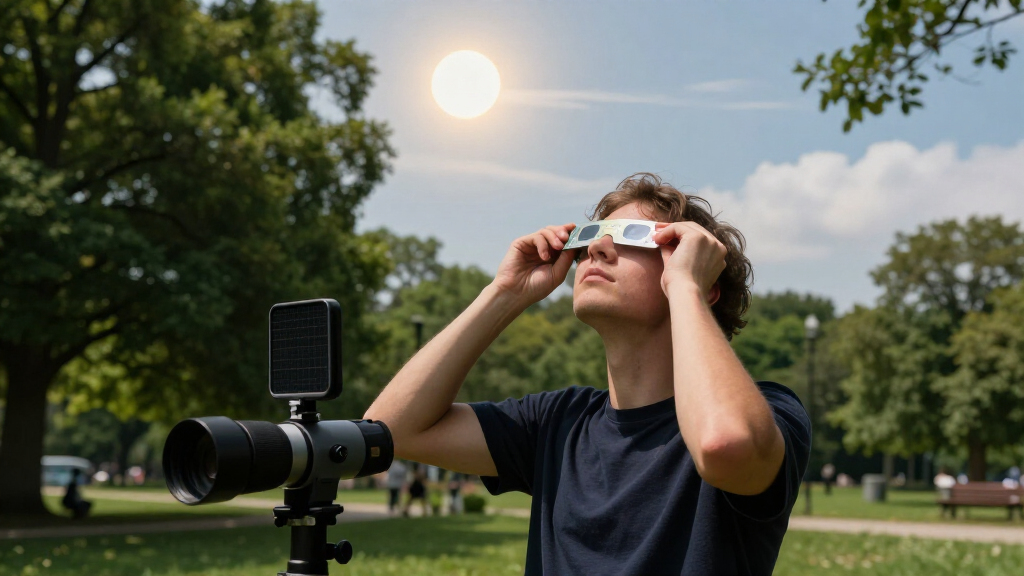
German space agencies and astronomical societies have started preparations for public viewing events, emphasizing safety measures such as proper eye protection. Keep an eye on Wetter Hitzewelle Deutschland for weather updates during the event. The event is expected to attract both amateur astronomers and the general public, eager to witness this rare celestial phenomenon.
Why the 2026 Eclipse Is a Major Astronomical Event for Germany
This eclipse provides a unique opportunity for scientific research, including studying the solar corona and testing observational instruments. It also offers educational and cultural benefits, encouraging public interest in astronomy. The event’s visibility in Germany makes it particularly significant for local science outreach and tourism.
Popular right now

Vitamix Nano Personal Blender with SmoothiePilot, Black

Ninja Luxe Café Premier 3-in-1 Espresso, Drip Coffee, and Cold Brew Machine

Sony WH-1000XM6 Wireless Noise-Canceling Headphones, Black
As an affiliate, we earn on qualifying purchases.
Historical and Future Eclipses Visible in Germany
Germany has experienced several partial solar eclipses in recent decades, but a total eclipse visible within its borders is rare. The last total eclipse visible from Germany occurred on August 11, 1999, primarily in the eastern regions. The upcoming eclipse in 2026 is expected to be more widespread in its visibility. Astronomers have been tracking eclipse paths for years, with the 2026 event marking a significant milestone for German skywatchers.
“While the exact path is still being refined, we expect the total eclipse to be visible in northern Germany, offering a rare spectacle for both scientists and enthusiasts.”
— Prof. Michael Weber, Berlin Observatory
Details on Exact Viewing Locations and Duration Still Unconfirmed
While the overall date and general path are confirmed, precise details about the exact regions experiencing totality, duration, and optimal viewing conditions are still being finalized by astronomers. Weather conditions on the day could also affect visibility.
Upcoming Confirmations and Public Preparation Efforts
In the coming months, astronomical organizations will release detailed maps and safety guidelines. Public viewing events are expected to be organized across Germany, and meteorological forecasts will be monitored to optimize observation conditions. Researchers will also prepare observational campaigns for the event.
Key Questions
When exactly will the total solar eclipse happen in Germany?
The eclipse is scheduled for August 12, 2026, with totality expected around 11:45 AM local time in the best viewing areas.
Where in Germany will the eclipse be visible?
Preliminary predictions indicate northern Germany, including areas near Hamburg and Berlin, will experience totality. Exact locations are still being confirmed.
How long will the total eclipse last?
In the optimal viewing regions, totality is expected to last approximately two minutes.
What safety precautions should I take when viewing the eclipse?
Use certified eclipse glasses or solar viewers during the partial phases to prevent eye damage. Never look directly at the sun without proper protection.
Will weather conditions affect the visibility of the eclipse?
Yes, weather conditions such as cloud cover could impact visibility. Monitoring local forecasts closer to the date will be essential for planning.
Source: google-trends