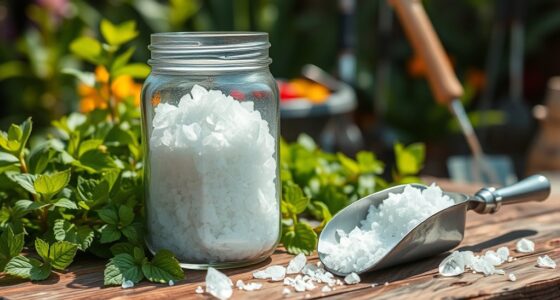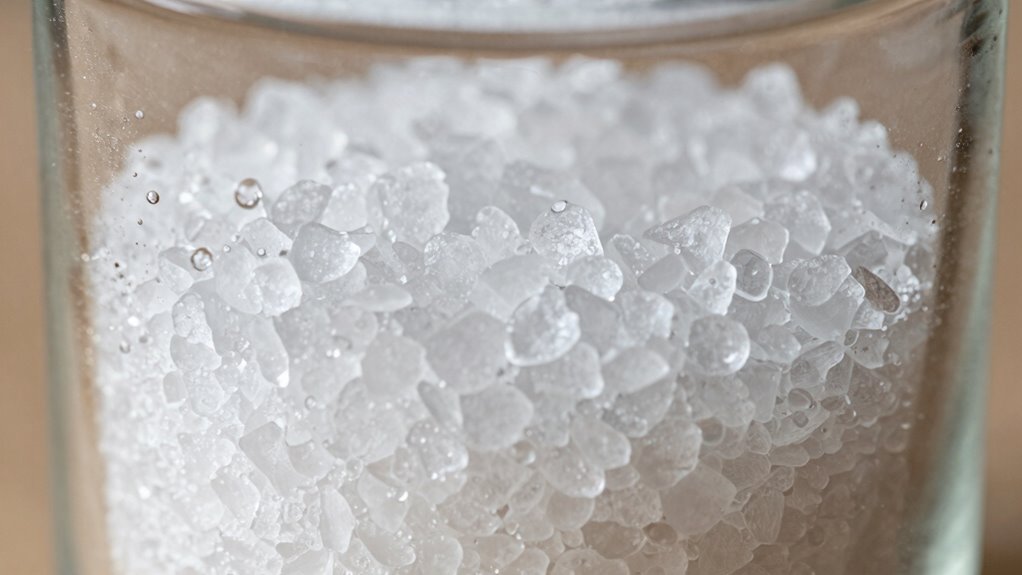
Hygroscopic salts absorb moisture from their environment, which can cause clumping, crystallization, or damage if not properly controlled. Fluctuating humidity levels make these issues worse, leading to expansion, contraction, or deterioration of the salt. To keep them stable, you should store them in airtight containers with desiccants and monitor humidity levels regularly. By understanding these behaviors, you’ll find effective ways to preserve their quality—if you want to explore more, keep going.
Key Takeaways
- Hygroscopic salts absorb moisture from the environment, leading to clumping, crystallization, or degradation.
- Fluctuating humidity causes repeated moisture absorption and loss, risking cracks or disintegration.
- Proper storage with desiccants and airtight containers minimizes moisture exposure and maintains salt stability.
- Different salts have varying hygroscopic tendencies, requiring tailored storage strategies.
- Regular environmental monitoring helps detect early signs of moisture intrusion to prevent deterioration.
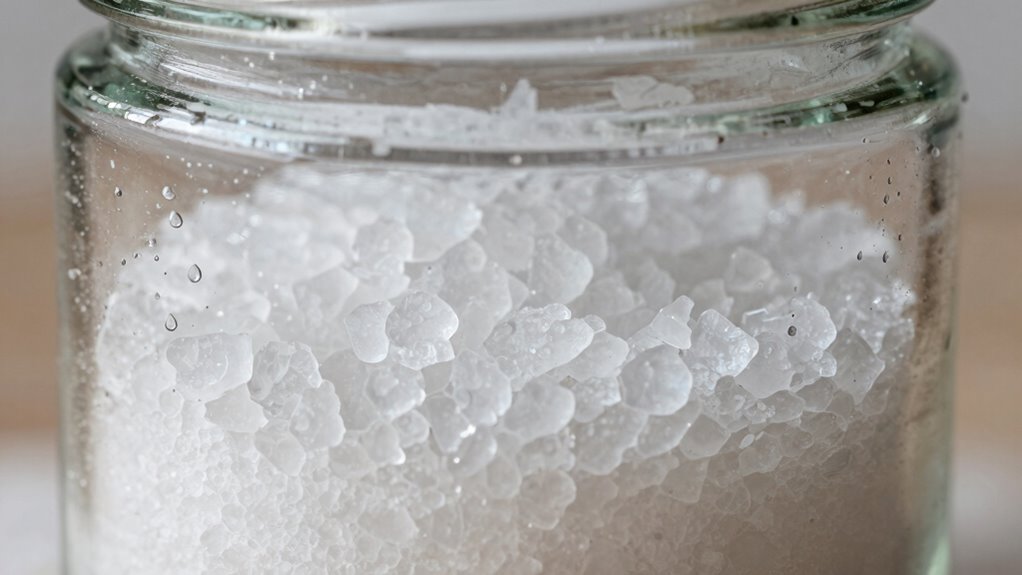
Have you ever wondered why some stored materials become clumpy or damaged over time? When it comes to hygroscopic salts, this is often due to their natural tendency to absorb moisture from the environment. These salts are highly reactive to humidity, and their behavior in storage depends largely on how well you manage moisture levels. Salt crystallization plays a key role here; when salts absorb moisture, they form crystals that can grow and eventually cause the material to clump together or break down. This process not only affects the appearance but can also compromise the integrity of the stored material, making it unusable or difficult to handle.
Hygroscopic salts absorb moisture, leading to clumping, crystallization, and potential damage if not properly stored.
To prevent these issues, moisture control becomes essential. If you neglect to regulate humidity, hygroscopic salts will continuously draw in water vapor, leading to unwanted salt deposits or a sticky, clumpy texture. This is especially problematic in environments with fluctuating humidity levels, where salts might repeatedly absorb moisture during humid periods and then lose it during dry spells, causing cycles of expansion and contraction. These cycles can create stress within the material, resulting in cracks or disintegration over time. Understanding the specific hygroscopic properties of each salt helps in devising effective storage strategies. Additionally, environmental monitoring can help identify early signs of moisture intrusion before damage occurs. Recognizing the importance of proper storage techniques can significantly extend the shelf life and usability of hygroscopic salts.
Proper storage conditions are key to maintaining the quality of hygroscopic salts. Keeping the environment dry minimizes salt crystallization and helps prevent moisture from penetrating the packaging. Desiccants are often used to absorb residual moisture within storage containers, creating a protective barrier against humidity. Additionally, airtight containers help to sustain low humidity levels, ensuring the salts stay dry and stable. It’s important to monitor environmental conditions regularly, especially if you’re storing salts for long periods, so you can adjust humidity controls as needed. Interestingly, the horsepower of electric dirt bikes can be comparable to traditional gas-powered bikes, which highlights the importance of proper storage and maintenance for performance. Proper handling techniques also reduce the risk of accidental moisture exposure during transport or use. Ensuring the storage environment is stable can prevent unnecessary fluctuations that lead to salt deterioration.
Furthermore, understanding the specific hygroscopic nature of each salt you work with allows you to tailor storage strategies effectively. Some salts are more prone to moisture absorption than others; for example, calcium chloride is highly hygroscopic, requiring stricter moisture control measures. If you overlook these differences, you risk salt crystallization or damage, which can lead to product loss or compromised quality. Proper handling and storage techniques are essential to preserve the efficacy and usability of these salts. Implementing best practices based on the hygroscopic characteristics of each salt can make all the difference in maintaining their quality.
In short, the key to keeping hygroscopic salts in good condition lies in managing moisture carefully. By controlling humidity levels, employing desiccants, and using airtight containers, you can prevent salt crystallization and avoid the clumping or deterioration that naturally occurs when these salts absorb excess moisture. Proper storage practices ensure that your salts remain stable, effective, and easy to handle over time.

ProKeeper Mini Spice & Herb Storage Container – 1.5 Cups, Airtight, Clear Plastic for Baking Soda, Powder, and Snacks
Contains (1) ProKeeper Mini – a 1.5-cup spice and herb storage container, airtight and clear.
As an affiliate, we earn on qualifying purchases.
As an affiliate, we earn on qualifying purchases.
Frequently Asked Questions
How Does Temperature Influence Hygroscopic Salt Absorption?
Temperature influences hygroscopic salt absorption considerably. When temperatures fluctuate, salts tend to absorb moisture more quickly during warmer periods, leading to increased humidity uptake. Conversely, cooler temperatures slow this process. Rapid temperature changes can cause salt crystallization, damaging storage containers and affecting salt quality. You should maintain a stable, moderate temperature to minimize moisture absorption and prevent salt crystallization, ensuring your salts stay dry and effective.
Can Hygroscopic Salts Cause Corrosion in Storage Containers?
Imagine a quiet storage room suddenly disrupted by the silent, relentless march of moisture. Hygroscopic salts can indeed cause corrosion in storage containers, especially if the container coatings aren’t resilient. As these salts absorb moisture, they compromise salt stability and corrode metal surfaces, leading to damage. To prevent this, use protective coatings designed to resist moisture and maintain the integrity of your storage environment against the corrosive power of hygroscopic salts.
Are There Specific Storage Materials Best for Hygroscopic Salts?
You should choose storage containers made of materials compatible with hygroscopic salts, like glass or certain plastics, to prevent reactions. Metal containers are generally unsuitable unless they’re lined or coated. To keep moisture out, use moisture barrier techniques such as sealing lids tightly, adding desiccants, or using vacuum packaging. These methods help maintain dryness, reduce clumping, and prevent corrosion, ensuring your hygroscopic salts stay stable and effective during storage.
How Long Do Hygroscopic Salts Retain Their Properties?
They say, “A stitch in time saves nine,” and the same goes for hygroscopic salts. You can expect them to retain their properties for years if properly stored. Proper moisture control prevents salt crystallization and preserves their hygroscopic nature. Keep them in airtight containers, away from humidity, and they’ll stay effective much longer. Regular checks guarantee moisture doesn’t compromise their properties, making your storage both effective and efficient.
What Are the Health Risks of Handling Hygroscopic Salts?
Handling hygroscopic salts can pose health risks if you don’t follow proper safety measures. You might experience skin or eye irritation, or respiratory issues if dust or vapors are inhaled. Always wear gloves, goggles, and a mask for personal safety. Maintain good ventilation and avoid direct contact. Implement health precautions like washing hands afterward. Staying cautious guarantees you minimize risks while working with these salts, protecting your well-being effectively.

Vbeijll 5 Gram (50 Pack) Color-Indicating Silica Gel Packets, Premium Food Grade Desiccant – Rechargeable Moisture Absorbers for Food Storage, Electronics, 3D Filament & Safes
FOOD GRADE & SAFE: The storage desiccant packs are made from food grade silicone and has passed a…
As an affiliate, we earn on qualifying purchases.
As an affiliate, we earn on qualifying purchases.
Conclusion
In conclusion, handling hygroscopic salts gently in storage helps maintain their delicate balance, ensuring they don’t absorb more moisture than intended. By gently controlling their environment, you prevent unnecessary complications and keep them in ideal condition. Think of it as a quiet dance—where a little care and attention keep everything in harmony. With mindful storage, you allow these salts to perform their role perfectly, quietly supporting your processes without fuss or disruption.
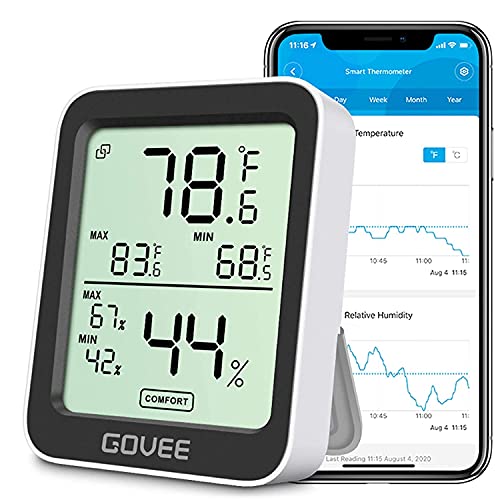
Govee Digital Hygrometer Indoor Thermometer Room H5075, Bluetooth Temperature Humidity Meter with 164ft Remote App Control, Notification Alerts, 2 Years Data Storage Export for Bedroom, Wine Cellar
Smart Features: The Govee Wireless Thermometer Hygrometer supports all basic functions as well as smart functions such as…
As an affiliate, we earn on qualifying purchases.
As an affiliate, we earn on qualifying purchases.
hygroscopic salt storage solutions
As an affiliate, we earn on qualifying purchases.
As an affiliate, we earn on qualifying purchases.