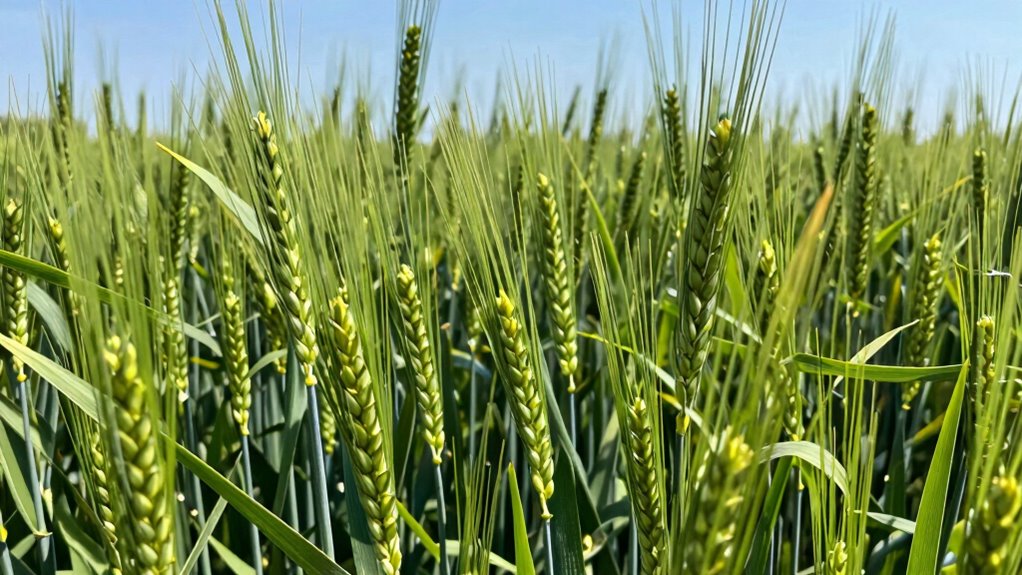

Growth regulators help reduce lodging by strengthening stems and promoting deeper root growth at key growth stages. They make plants sturdier, so they resist wind and heavy rain better. Applying them during early stem elongation is most effective for achieving shorter, thicker stems and uniform maturation. This minimizes crop losses and makes harvesting easier. To discover how these benefits can be maximized and tailored to your crops, keep exploring the details behind their application.

Prime made for students and young adults
- Fast, free delivery for dorm and study essentials
- Prime Video and Amazon Music included
- Member-only deals
Key Takeaways
- Growth regulators strengthen stems, making plants less prone to bending or falling over during adverse weather.
- They are most effective when applied during early stem elongation for optimal stability.
- Regulators promote thicker, shorter stems, reducing the likelihood of lodging in windy or rainy conditions.
- Proper application improves root development, enhancing overall plant anchorage and resilience.
- Using growth regulators ensures uniform crop maturity and reduces harvest losses caused by lodging.
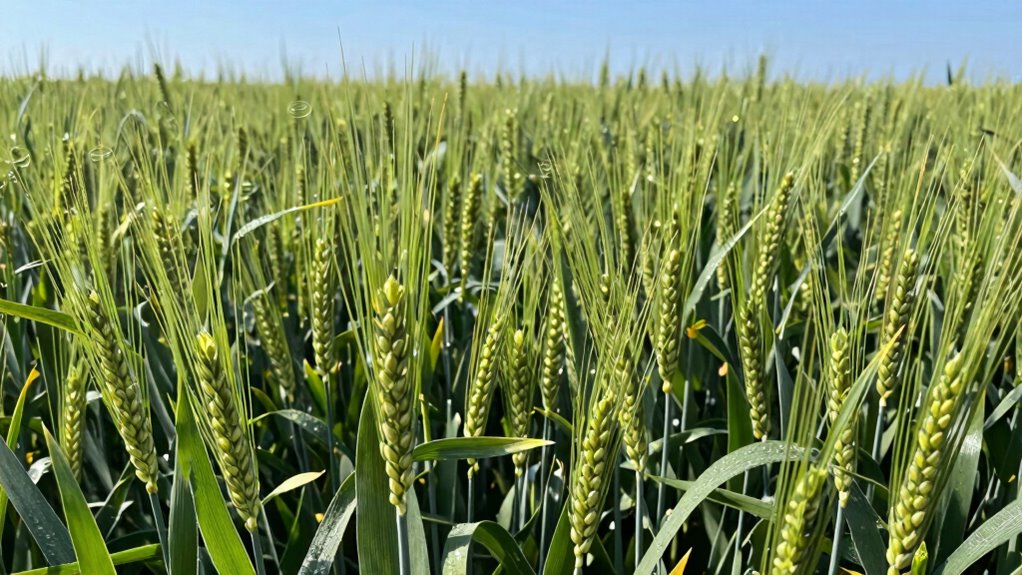
Lodging, or the bending and falling of crops like wheat and barley, can substantially reduce yields and complicate harvests. When crops lodge, it becomes difficult to harvest efficiently, and the overall quality of the grain suffers. One effective way to combat this problem is through the use of growth regulators. These chemicals help modify plant growth, leading to stronger, more resilient stems that are less prone to bending under their own weight or environmental stresses.
Growth regulators influence root development in a way that encourages a deeper, more stable root system. When roots grow more extensively into the soil, plants gain better anchorage, making the stalks less likely to topple over. This improved root development not only provides physical stability but also enhances water and nutrient uptake, which are essential for healthy crop growth. As a result, the plants become sturdier and better equipped to withstand wind, rain, and other lodging-inducing factors.
Growth regulators promote deep root systems, increasing stability and nutrient uptake for stronger, more resilient crops.
Using growth regulators is especially beneficial in areas prone to strong winds or heavy rainfall, where lodging risk is higher. By applying these regulators at the right growth stage—often during early stem elongation—you can influence the plant’s architecture, resulting in shorter, thicker stems that are less likely to lodge. This adjustment directly contributes to crop yield maximization, as it minimizes losses caused by lodging and ensures more uniform maturation.
Moreover, growth regulators help improve overall crop health, which translates into better yields. When lodging is controlled, you can harvest at the most advantageous maturity without worrying about the crop collapsing or becoming difficult to harvest. This not only boosts productivity but also reduces harvest losses and the need for additional field management interventions. The end result is a more efficient harvest process, with healthier crops that have reached their maximum potential.
In addition, proper application of growth regulators can influence the plant architecture to be more resistant to environmental stresses. Applying growth regulators strategically supports root development and encourages crop yield maximization. You get stronger plants that resist lodging, resulting in higher, more consistent yields. Additionally, understanding the environmental factors that contribute to lodging can help tailor application timing for optimal effectiveness. Furthermore, advancements in agronomic practices and technology continue to improve how effectively these regulators are used, further enhancing crop resilience. By reducing the incidence of lodging, you streamline harvest operations and improve the quality of your grains. This approach allows you to maximize your crop’s potential while minimizing losses, making growth regulators a valuable tool in modern crop management.
As an affiliate, we earn on qualifying purchases.
Frequently Asked Questions
How Do Growth Regulators Affect Root Development?
Growth regulators influence root development by promoting root elongation, which helps your plants reach deeper soil layers. This enhanced elongation boosts nutrient uptake, making your crops healthier and more resilient. By regulating hormonal balance, these substances encourage stronger root systems that support overall plant stability. As a result, your plants become better equipped to access essential nutrients and withstand environmental stresses, leading to improved growth and yield.
Are There Any Environmental Impacts of Using Growth Regulators?
Think of growth regulators as double-edged swords; they can shape crops but also pose environmental risks if misused. You need to take environmental safety into account and follow regulatory policies to minimize negative impacts. When applied correctly, they help reduce lodging without harming ecosystems. However, improper use can lead to contamination of soil and water, affecting wildlife. Always stay informed about local regulations to ensure responsible and safe application.
Can Growth Regulators Be Used on All Crop Varieties?
You can’t use growth regulators on all crop varieties, as it depends on crop variety selection and regulatory approvals. Some varieties respond well, while others might not benefit or could be harmed. Always check the specific growth regulator’s approval status for your crop type and variety, and follow recommended guidelines. This guarantees safe, effective use and complies with regulatory standards to optimize lodging reduction without unintended effects.
What Are the Cost Implications of Applying Growth Regulators?
Imagine a field where growth regulators act like a gentle hand guiding tall, fragile plants to stand firm. The economic impact varies; initial costs can seem high, but improved yields and reduced lodging losses often offset this. As market adoption grows, prices may decrease, making them more accessible. Ultimately, investing in growth regulators requires weighing the upfront costs against long-term gains, ensuring your crop remains resilient and profitable.
How Long Does It Take for Growth Regulators to Show Effects?
You’ll see the effects of growth regulators within a few days to a couple of weeks after application, depending on the plant hormone used and environmental conditions. These regulators promote yield enhancement by controlling plant growth, leading to sturdier stems and better crop quality. Timely application guarantees you maximize benefits quickly, and observing changes helps you decide if additional treatments are necessary for ideal results.
crop lodging prevention chemicals
As an affiliate, we earn on qualifying purchases.
As an affiliate, we earn on qualifying purchases.
Conclusion
By using growth regulators, you can effectively reduce lodging and boost your crop’s stability. They strengthen plant stems, making them less prone to falling over, which means better yields and quality. Remember, “A stitch in time saves nine,” so don’t wait until lodging becomes a problem—apply growth regulators early to enjoy bountiful harvests. Stay proactive, and your fields will reward your efforts with healthier, sturdier plants.
plant growth regulators for wheat
As an affiliate, we earn on qualifying purchases.
As an affiliate, we earn on qualifying purchases.
root development growth regulators
As an affiliate, we earn on qualifying purchases.
As an affiliate, we earn on qualifying purchases.
Fall Picks
fall essentials
As an affiliate, we earn on qualifying purchases.