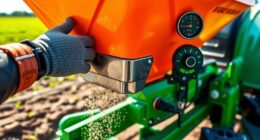
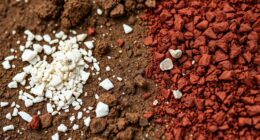
In sandy soils, potassium moves quickly because of large pore spaces, making it prone to leaching with heavy rain or irrigation, so you need frequent, smaller applications. In contrast, clay soils hold potassium tightly due to their high cation exchange capacity, reducing leaching but making nutrients less accessible to plants. Managing these differences involves tailored fertilization strategies—stay tuned to discover how soil type impacts potassium availability and how you can optimize your soil management.
Key Takeaways
- Potassium leaches quickly in sandy soils due to large pore spaces, leading to potential nutrient loss.
- In clay soils, potassium binds tightly to fine particles, reducing its immediate availability to plants.
- Sandy soils require frequent fertilization to compensate for rapid potassium leaching.
- Clay soils retain potassium longer but may limit its accessibility without pH adjustments.
- Soil texture significantly influences potassium movement, retention, and plant uptake efficiency.

Understanding how potassium behaves in different soil types is essential for effective crop management. Potassium is vital for plant growth, influencing processes like water regulation, enzyme activation, and overall vigor. When potassium levels are low, you risk potassium deficiency, which can stunt plant development and reduce yields. Knowing how potassium moves through sandy versus clay soils helps you make informed decisions about fertilization and soil amendments to optimize nutrient availability.
Understanding potassium behavior in different soils helps optimize fertilization and prevent deficiencies for healthier crops.
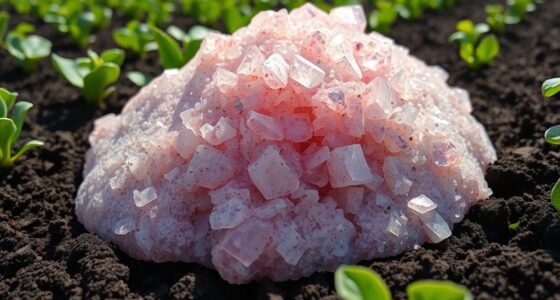
In sandy soils, potassium tends to leach quickly because of the soil’s coarse texture and large pore spaces. This means that after you apply potassium fertilizer, it might not stay in the root zone very long. Instead, it can be washed away with heavy rain or frequent irrigation, leading to a deficiency if you don’t replenish it regularly. As a result, you need to be proactive by applying smaller, more frequent doses of potassium fertilizer or using slow-release formulations to keep the nutrient available for plants. Soil amendments, such as adding organic matter or using potassium-rich materials like wood ash, can also help improve potassium retention in sandy soils. These amendments increase the soil’s ability to hold onto nutrients, reducing leaching and making the potassium you apply more effective.
Clay soils, on the other hand, behave quite differently. Their fine particles and high cation exchange capacity (CEC) allow them to hold onto potassium more tightly. When you add potassium fertilizer to clay soils, it’s less likely to leach away quickly. Instead, it stays in the soil longer, making it more available to plants over time. However, because of the strong binding, sometimes potassium becomes less accessible to roots, especially if the soil is overly compacted or has a high pH. To improve potassium availability in clay soils, you might need to adjust soil pH or incorporate soil amendments like organic matter, which can help release bound potassium and improve overall nutrient cycling.
Understanding these differences helps you tailor your fertilization strategy. In sandy soils, frequent, smaller applications with soil amendments to boost retention are key. In clay soils, you might need to focus on soil health and pH adjustments to ensure potassium remains accessible. By managing how potassium moves through these soils, you can prevent deficiency issues and promote healthier, more productive crops.

Old Cobblers Farm Greensand Fertilizer Soil – Lawns, Gardens, Trees, Shrubs, Container Plants – Organic, Sustainable Soil Improvement (5 lbs | 10 lbs | 15 lbs | 20 lbs) (20lbs)
Suitable for Various Applications: Ideal for improving lawns, flower & vegetable gardens, trees, shrubs, and container plants, providing…
As an affiliate, we earn on qualifying purchases.
As an affiliate, we earn on qualifying purchases.
Frequently Asked Questions
How Does Soil pH Affect Potassium Availability in Sandy and Clay Soils?
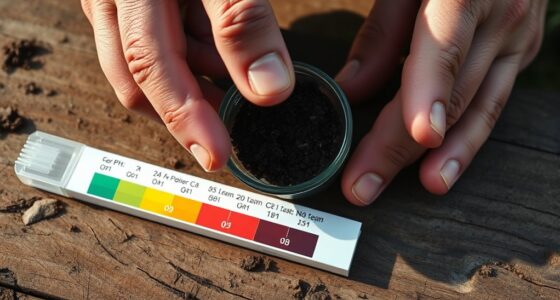
Soil pH acts like a gatekeeper for potassium’s availability in your soil. In sandy soils, low pH can cause potassium leaching, making it wash away easily, while high pH can lock it in mineral forms. In clay soils, pH influences soil mineralogy, affecting how tightly potassium binds to particles. Maintaining ideal pH guarantees potassium stays accessible, preventing losses and promoting healthy plant growth.
What Are the Best Practices to Replenish Potassium in Different Soil Types?
To replenish potassium effectively, you should regularly test your soil and apply appropriate soil amendments like potassium sulfate or potassium chloride based on your soil type. In sandy soils, where potassium leaching is common, consider slow-release fertilizers and organic matter to improve retention. For clay soils, incorporate organic amendments to enhance nutrient availability. Adjust your fertilization practices accordingly to prevent deficiencies and guarantee healthy plant growth.
How Does Organic Matter Influence Potassium Retention in Soils?
Organic matter greatly influences potassium retention by reducing potassium leaching, especially in sandy soils. It acts like a sponge, binding potassium ions and preventing them from washing away with water. Unlike clay soils, which naturally hold potassium better, soils with abundant organic matter enhance nutrient retention across all types. You’ll find that adding organic matter improves soil fertility, guarantees steady potassium availability, and minimizes leaching losses, supporting healthier plant growth.
Are There Specific Crops That Prefer Sandy Versus Clay Soils for Potassium Uptake?
Certain crops prefer sandy soils because they often have better aeration and quicker potassium availability, like carrots and potatoes. Other crops, such as rice or alfalfa, thrive in clay soils where nutrient retention is higher, supporting sustained potassium uptake. Your crop selection depends on soil nutrient balance and compatibility; understanding these preferences helps optimize growth and yields. Adjusting fertilization strategies accordingly guarantees your crops access the potassium they need.
How Does Irrigation Impact Potassium Movement in Various Soil Textures?
Irrigation influences potassium movement differently based on soil texture. In sandy soils, frequent irrigation can enhance potassium leaching, especially when drainage efficiency is high, but may cause leaching losses if drainage is poor. In clay soils, irrigation can exacerbate soil compaction, reducing water movement and potassium availability. You need to manage irrigation carefully, considering soil compaction and drainage efficiency, to optimize potassium uptake and prevent nutrient loss across varying soil textures.
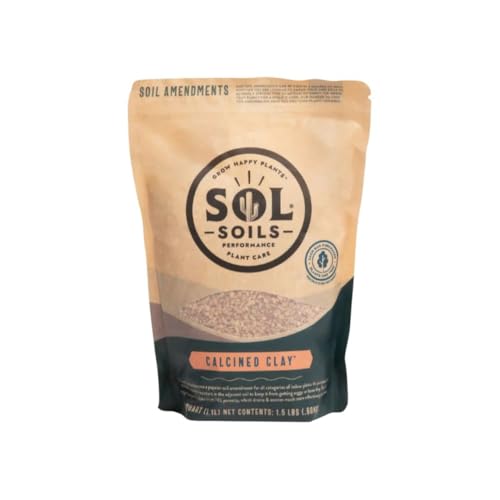
Sol Soils Calcined Clay – 100% Peat-Free Soil Amendments with Superior Drainage, Aeration, & Root Health for Indoor Plants, Succulents, Bonsai & More – 1 Quart
SUPERIOR DRAINAGE & AERATION: Fired at super-high temperatures, it achieves 74% porosity with rough edges that enhance airflow…
As an affiliate, we earn on qualifying purchases.
As an affiliate, we earn on qualifying purchases.
Conclusion
Understanding how potassium moves through sandy and clay soils helps you optimize fertilization strategies. While sandy soils allow quick potassium leaching, clay soils retain nutrients longer, reducing runoff. Some experts suggest that adding organic matter can enhance potassium retention in clay soils, challenging the idea that clay always holds nutrients better. Recognizing these dynamics enables you to tailor your soil management practices, ensuring your plants receive adequate potassium without unnecessary loss or buildup.

Down To Earth All Natural Fertilizers Organic Langbeinite, Potassium Magnesium Sulfate (K-Mag) Granular Plant Food 0-0-22, 5 lb
Down To Earth Langbeinite 0-0-22 is a naturally mined crystalline mineral that supplies the water-soluble sulfate form of…
As an affiliate, we earn on qualifying purchases.
As an affiliate, we earn on qualifying purchases.

SONKIR Soil pH Meter, MS02 3-in-1 Soil Moisture/Light/pH Tester Gardening Tool Kits for Plant Care, Great for Garden, Lawn, Farm, Indoor & Outdoor Use (Green)
Kindly NOTE: This soil tester can not be applied to test pH value of any other liquid. If…
As an affiliate, we earn on qualifying purchases.
As an affiliate, we earn on qualifying purchases.