
When it comes to mastering inorganic chemistry, having quick access to key concepts and formulas can make a significant difference. For most learners, a detailed textbook like Inorganic Chemistry (B07LFV98HM) offers thorough coverage suitable for both students and professionals. Alternatively, the Inorganic Chemistry: QuickStudy Laminated Reference Guide (1423214315) provides a portable, concise overview ideal for on-the-go review. Both serve different needs: the comprehensive book excels for in-depth study, while the laminated guide is perfect for quick refreshers during exams or lab work. The main tradeoff is depth versus portability, and choosing depends on whether you prefer detailed understanding or quick reference.

Prime made for students and young adults
- Fast, free delivery for dorm and study essentials
- Prime Video and Amazon Music included
- Member-only deals
Key Takeaways
- The most comprehensive options are the full textbooks, ideal for deep learning and professional use.
- The laminated quick guide is best for portable, fast review but lacks detailed explanations.
- Intermediate-level books strike a balance, offering focused coverage for students preparing for exams.
- Premium textbooks include recent developments, but often lack supplementary digital materials.
- Choosing the right resource depends heavily on your specific study needs and context.
| Inorganic Chemistry |  | Best Overall for Depth and Professional Use | Format: Paperback | Pages: over 600 | Level: Advanced | VIEW ON AMAZON | See Our Full Breakdown |
| Inorganic Chemistry: Butterworths Intermediate Chemistry |  | Best for Intermediate Learners | Format: Paperback | Pages: Approx. 400 | Level: Intermediate | VIEW ON AMAZON | See Our Full Breakdown |
| Inorganic Chemistry: QuickStudy Laminated Reference Guide |  | Best Portable Quick Reference | Format: Laminated Guide | Size: Small, portable | Coverage: Key concepts and formulas | VIEW ON AMAZON | See Our Full Breakdown |
| Inorganic Chemistry |  | Best for In-Depth Study with Recent Developments | Format: Hardcover or Paperback | Pages: Over 700 | Level: Advanced | VIEW ON AMAZON | See Our Full Breakdown |
| Inorganic Chemistry 2: Intermediate Inorganic Chemistry | 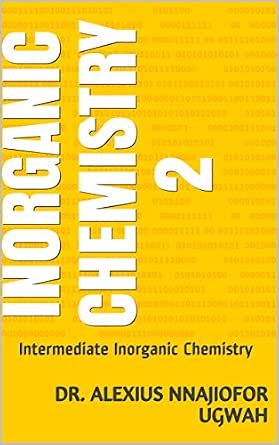 | Best for Advanced Intermediate Study | Format: Paperback | Pages: Approx. 500 | Level: Intermediate to advanced | VIEW ON AMAZON | See Our Full Breakdown |
| inorganic chemistry quick reference | Format | Pages | Language | Level |
|---|---|---|---|---|
| Inorganic Chemistry | Paperback | over 600 | English | Advanced |
| Inorganic Chemistry: Butterwor | Paperback | Approx. 400 | English | Intermediate |
| Inorganic Chemistry: QuickStud | Laminated Guide | Few, concise pages | English | — |
| Inorganic Chemistry | Hardcover or Paperback | Over 700 | English | Advanced |
| Inorganic Chemistry 2: Interme | Paperback | Approx. 500 | English | Intermediate to advanced |
More Details on Our Top Picks
Inorganic Chemistry
This book stands out for its comprehensive coverage, making it ideal for students and professionals who need a thorough understanding of inorganic chemistry. Compared with other textbooks, it offers detailed explanations and numerous examples that clarify complex concepts. Its main drawback is the absence of supplementary digital resources, which some learners might find limiting. If you’re seeking a resource that covers both fundamental and advanced topics in one volume, this is a strong choice. However, those looking for a quick reference or portable guide might find it too bulky for on-the-fly review.
Pros:- Comprehensive coverage of inorganic chemistry topics
- Suitable for both students and professionals
- Clear explanations with detailed examples
- Covers fundamental and advanced concepts
Cons:- No digital or supplementary online content
- Relatively large and less portable
- Might be overwhelming for casual learners
Best for: Advanced students, professionals, and anyone needing an in-depth resource.
Not ideal for: Beginners or those seeking a portable quick reference.
- Format:Paperback
- Pages:over 600
- Level:Advanced
- Subject Coverage:Fundamental and recent developments
- Publication Year:Latest edition
- Language:English
Our verdict“This book offers the most detailed coverage for users who need an extensive, authoritative resource.”
Inorganic Chemistry: Butterworths Intermediate Chemistry
This book is tailored for intermediate students, providing an in-depth yet accessible overview of inorganic chemistry principles. It balances detail with clarity, making it suitable for exam prep and coursework. Compared to the more comprehensive texts, it doesn’t delve as deeply into recent research, but it offers enough depth for solid understanding. Its main limitation is the lack of supplementary materials or online resources, which might hinder self-study for some users. If you’re at an intermediate level and want a clear, structured review, this book serves well, but it may not satisfy those seeking advanced insights or digital content.
Pros:- Clear, structured explanations
- Suitable for exam preparation
- Good coverage of fundamental principles
- Accessible for intermediate learners
Cons:- Limited information on editions or updates
- No digital or online resources
- Less suitable for advanced research
Best for: Intermediate students preparing for exams or coursework.
Not ideal for: Beginners or advanced researchers needing recent developments.
- Format:Paperback
- Pages:Approx. 400
- Level:Intermediate
- Coverage:Fundamental concepts
- Publication Year:Unspecified
- Language:English
Our verdict“A solid intermediate-level book that balances detail with clarity, ideal for students aiming for exam success.”
Inorganic Chemistry: QuickStudy Laminated Reference Guide
This laminated guide offers a concise overview of inorganic chemistry, perfect for quick reviews, lab sessions, or on-the-go study. Its compact size makes it highly portable, and laminated durability ensures it can withstand frequent use. The guide covers key formulas, concepts, and essential facts, making it a handy tool for students and professionals needing rapid access to critical information. However, its brevity means it lacks detailed explanations or practice problems, limiting its use for in-depth learning. If your priority is quick recall and portability, this guide is an excellent choice. For comprehensive understanding, a full textbook remains necessary.
Pros:- Compact and portable for easy study
- Laminated for durability
- Concise overview of key inorganic chemistry concepts
- Ideal for quick review sessions
Cons:- Lacks detailed explanations or practice problems
- May be too brief for in-depth study
- No supplementary digital content
Best for: Students and professionals needing quick, portable reference during study or lab work.
Not ideal for: Beginners requiring detailed explanations or in-depth study.
- Format:Laminated Guide
- Size:Small, portable
- Coverage:Key concepts and formulas
- Durability:Laminated
- Pages:Few, concise pages
- Language:English
Our verdict“This laminated guide excels as a portable quick-reference tool, but isn’t suited for comprehensive learning.”
Inorganic Chemistry
This comprehensive textbook offers an extensive overview, including recent advancements in inorganic chemistry. It is ideal for students and professionals seeking a deep understanding of both foundational and cutting-edge topics. Compared with other general textbooks, it emphasizes recent research, making it suitable for those involved in ongoing studies or professional work. The main drawback is that it lacks supplementary online or digital resources, which could enhance the learning experience. Its size and depth make it less portable, but for those needing detailed content and latest developments, it’s a valuable resource.
Pros:- Extensive coverage, including recent developments
- Suitable for serious study and research
- Clear explanations of complex concepts
- Includes latest trends in inorganic chemistry
Cons:- No digital or online content
- Heavy and less portable
- Overwhelming for casual learners
Best for: Researchers, advanced students, and professionals needing detailed, current knowledge.
Not ideal for: Casual learners or those seeking quick reference or portability.
- Format:Hardcover or Paperback
- Pages:Over 700
- Level:Advanced
- Coverage:Fundamentals and recent developments
- Publication Year:Latest edition
- Language:English
Our verdict“A thorough, up-to-date resource best suited for deep study and professional reference.”
Inorganic Chemistry 2: Intermediate Inorganic Chemistry
This book offers an in-depth exploration tailored for intermediate students aiming to deepen their understanding of inorganic chemistry. It covers advanced topics and provides detailed explanations and examples, making it suitable for those preparing for more challenging coursework or exams. Compared with more basic texts, it delves into complex concepts, but it lacks multimedia or online resources, which could enhance learning. Its focus on detailed coverage makes it less ideal for beginners or casual readers who need only a surface-level overview. For learners ready to move beyond the basics, this book provides thorough content without the distraction of digital extras.
Pros:- Deep coverage of advanced topics
- Suitable for exam preparation and coursework
- Detailed explanations and examples
- Focuses on intermediate-level depth
Cons:- No multimedia or online resources
- Lacks digital supplement
- Could be overwhelming for newcomers
Best for: Intermediate students seeking a challenging, detailed resource.
Not ideal for: Beginners or users needing multimedia or online tools.
- Format:Paperback
- Pages:Approx. 500
- Level:Intermediate to advanced
- Coverage:Complex concepts and examples
- Publication Year:Unspecified
- Language:English
Our verdict“A detailed resource for intermediate learners ready to explore advanced inorganic chemistry topics.”

How We Picked
Our selection process focused on balancing depth of content, user-friendliness, portability, and suitability for different buyer needs. We prioritized resources that cover core inorganic chemistry principles thoroughly, with clear explanations and examples. Accessibility was key, so we included options that cater to both beginners and advanced learners, from compact laminated guides to comprehensive textbooks. We also considered the practicality of each product—favoring those with durable formats or supplemental features—while being mindful of potential limitations like lack of digital content or extra practice materials.
| inorganic chemistry quick reference | Format | Pages | Level | Publication Year |
|---|---|---|---|---|
| Inorganic Chemistry | Paperback | over 600 | Advanced | Latest edition |
| Inorganic Chemistry: Butterwor | Paperback | Approx. 400 | Intermediate | Unspecified |
| Inorganic Chemistry: QuickStud | Laminated Guide | Few, concise pages | — | — |
| Inorganic Chemistry | Hardcover or Paperback | Over 700 | Advanced | Latest edition |
| Inorganic Chemistry 2: Interme | Paperback | Approx. 500 | Intermediate to advanced | Unspecified |
Factors to Consider When Choosing Inorganic Chemistry Quick Reference
Selecting the right inorganic chemistry resource depends on your current knowledge level, study goals, and whether you prioritize depth or portability. The ideal resource offers a balance of comprehensiveness, clarity, and convenience, tailored to your specific needs. Whether you need an all-encompassing textbook for professional work or a quick reference for exams, understanding these differences will help you make an informed choice.
Determine Your Learning Goal
If you need a deep, thorough understanding of inorganic chemistry, a comprehensive textbook like Inorganic Chemistry (B07LFV98HM) or Inorganic Chemistry (B00AMZZQNE) will serve you best. For exam preparation or quick reviews, a concise guide such as the QuickStudy Laminated Reference is more suitable. Intermediate learners should look for balanced options like Butterworths Intermediate Chemistry or Inorganic Chemistry 2 that provide sufficient depth without overwhelming.
Portability vs. Depth
If you’re often on the move or need quick access during labs, a laminated guide or pocket-sized resource is ideal. For in-depth study sessions at home or in the library, full textbooks are more appropriate. Consider whether you need detailed explanations or just quick facts—this choice influences whether a bulky textbook or a compact reference is right for you.
Additional Features
Some resources include recent developments, practice problems, or online content. These extras can enhance your learning but often come at a higher cost or less portability. Decide if these features are worth it based on your study style and professional needs.
Frequently Asked Questions
What is the main difference between a textbook and a quick reference guide?
Textbooks typically offer comprehensive coverage of inorganic chemistry, including detailed explanations, background theory, and extensive examples. They are designed for deep learning and understanding, often suited for coursework or professional use. Quick reference guides, on the other hand, focus on providing essential facts, formulas, and concepts in a compact format, ideal for rapid review or on-the-go use. They lack the detailed narratives found in textbooks but excel in portability and speed.
How should I choose between a beginner and an advanced inorganic chemistry resource?
If you are new to inorganic chemistry, starting with intermediate or beginner-friendly books like Butterworths Intermediate Chemistry helps build a solid foundation. More advanced resources, such as Inorganic Chemistry (B07LFV98HM) or Inorganic Chemistry (B00AMZZQNE), are better suited once you have a grasp of fundamental concepts and need to explore recent developments or complex topics. Your current knowledge level and study goals will guide this choice.
Are online or digital resources necessary for inorganic chemistry study?
While physical books and guides are highly valuable, digital resources can complement your study by offering interactive exercises, video tutorials, and updated content. They are particularly useful for visual learners or those needing additional practice. However, many high-quality printed materials provide thorough explanations and are perfectly adequate for most learning needs. The choice depends on your preferred learning style and whether digital tools are accessible to you.
Can I rely solely on a laminated quick guide for my inorganic chemistry course?
A laminated quick guide is excellent for quick review and reference but lacks the depth needed for comprehensive understanding or exam preparation. It’s best used alongside more detailed textbooks or coursework materials. Relying solely on such a guide may leave gaps in your knowledge, especially for complex topics or problem-solving practice. For best results, combine quick references with in-depth study resources.
What should I consider when choosing a resource if I want to stay updated with recent developments?
If staying current is important, look for resources that explicitly include recent research or updates in inorganic chemistry. Textbooks like Inorganic Chemistry (B00AMZZQNE) often incorporate recent trends, but verify the publication date. Digital platforms or online supplements may be necessary for the latest information, as printed books quickly become outdated. Balancing comprehensive coverage with current content is key.
Conclusion
For students just starting or seeking quick review, the laminated QuickStudy Guide offers portability and speed. Intermediate learners and exam takers will benefit most from structured books like Butterworths Intermediate Chemistry or Inorganic Chemistry 2, which provide a solid balance of depth and accessibility. Professionals and researchers aiming for comprehensive, up-to-date knowledge should consider the full textbooks Inorganic Chemistry (B07LFV98HM) or Inorganic Chemistry (B00AMZZQNE). Your choice ultimately hinges on your current level, study goals, and whether you prioritize portability or depth.
Columbus Day / Indigenous Peoples' Day Picks
long weekend sales
As an affiliate, we earn on qualifying purchases.