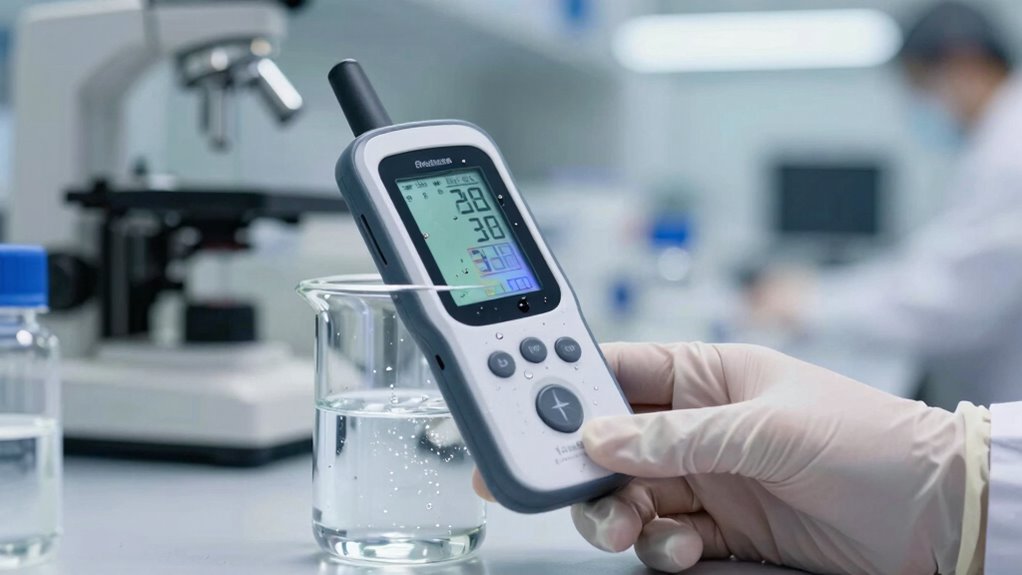

In water monitoring, ORP (Oxidation-Reduction Potential) measures how well water can gain or lose electrons, which relates to its ability to neutralize contaminants like bacteria, metals, or organic compounds. A high ORP indicates a highly oxidizing environment, good for water sanitation, while a low ORP suggests a reducing environment that might promote bacteria growth. Understanding ORP helps you assess water quality and safety effectively—if you want to know how to keep your water clean, keep exploring.

Prime made for students and young adults
- Fast, free delivery for dorm and study essentials
- Prime Video and Amazon Music included
- Member-only deals
Key Takeaways
- ORP measures water’s ability to gain or lose electrons during chemical reactions.
- It indicates the water’s capacity to neutralize contaminants like bacteria and organic compounds.
- High ORP signifies a strongly oxidizing environment, while low ORP indicates a reducing environment.
- ORP monitoring helps assess water quality and treatment effectiveness in real time.
- Regular calibration of ORP sensors ensures accurate and reliable water monitoring data.
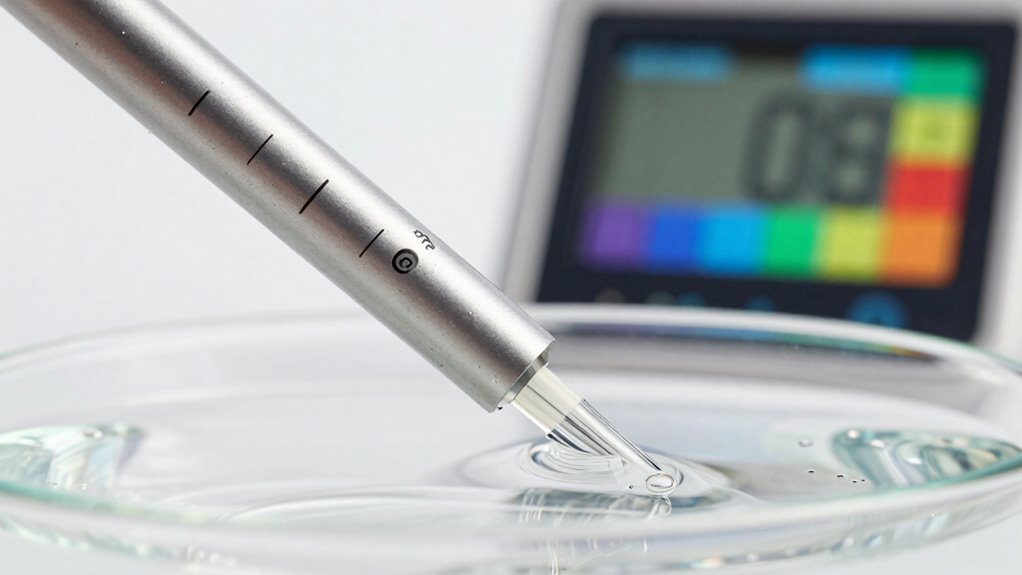
Ever wondered what ORP means in water monitoring? ORP stands for Oxidation-Reduction Potential, a crucial measurement in understanding water chemistry. Essentially, it indicates how well water can either gain or lose electrons during chemical reactions. This measurement helps you assess the water’s ability to oxidize contaminants like bacteria, organic compounds, or metals. A high ORP value suggests the water is highly oxidizing, meaning it can effectively neutralize harmful substances. Conversely, a low ORP indicates a reducing environment, which may allow bacteria or other pollutants to thrive.
ORP measures water’s ability to gain or lose electrons, indicating its capacity to neutralize or promote contaminants.
When you’re monitoring water quality, ORP provides real-time insight into the chemical balance within the water. However, to get accurate readings, electrode calibration is indispensable. Electrode calibration involves adjusting your ORP sensor to a known standard, ensuring that the readings reflect true water chemistry. Without proper calibration, your measurements could be skewed, leading to incorrect conclusions about water safety or treatment effectiveness. Regular calibration checks are crucial, especially if you’re working in environments with fluctuating water conditions or after cleaning or maintenance of the electrode.
Understanding the role of electrode calibration in ORP measurement allows you to maintain precise control over your water monitoring process. You’ll need to calibrate your ORP electrode against a standard solution—often a solution with a known ORP value—so that your device can produce accurate, reliable readings. This process should be performed frequently to account for electrode drift, which can occur over time due to fouling, aging, or contamination. Proper calibration ensures that your ORP readings accurately reflect the current state of water chemistry, making your water quality assessments more dependable. Additionally, understanding water chemistry fundamentals helps optimize your monitoring practices for better results. Regularly verifying electrode performance is also essential to prevent measurement errors that could affect your data. Employing proper electrode maintenance techniques can extend the lifespan of your sensor and improve measurement accuracy over time. Maintaining awareness of electrode lifespan can help you plan timely replacements, ensuring consistent data quality.
As an affiliate, we earn on qualifying purchases.
Frequently Asked Questions
How Does ORP Differ From pH in Water Testing?
ORP measures a water sample’s oxidation-reduction potential, indicating its overall ability to gain or lose electrons, while pH measures acidity or alkalinity. You use a sensor to test ORP, which requires proper calibration for accuracy. Unlike pH, which involves hydrogen ion activity, ORP reflects the water’s oxidative state, helping you assess water quality and contamination levels effectively. Both tests are essential but target different chemical properties.
What Factors Can Affect ORP Readings in Water?
Imagine a river swirling with organic contamination and mineral interference, each twist altering your ORP readings. These factors can cause fluctuations, making your measurements less reliable. Organic contamination introduces natural reducers, lowering ORP, while mineral interference, like iron or manganese, can artificially skew results. Temperature changes also impact ORP levels by speeding up or slowing chemical reactions, so always consider these influences for accurate water monitoring.
Can ORP Levels Indicate Water Safety for Drinking?
ORP levels can help indicate water safety for drinking by showing contamination detection and treatment effectiveness. Higher ORP values typically suggest cleaner water with fewer contaminants, while lower levels can signal pollution or insufficient treatment. However, ORP alone isn’t enough; it should be combined with other tests to accurately assess safety. Regular monitoring guarantees you catch issues early and confirm that treatment processes work effectively.
How Often Should ORP Be Tested in Water Systems?
You should test ORP in water systems regularly, ideally daily or weekly, depending on water usage and quality standards. When testing, guarantee proper water sample storage to prevent contamination and use accurate ORP calibration techniques to maintain reliable readings. Frequent testing helps catch any fluctuations early, ensuring water safety. Keep your equipment calibrated and store samples correctly to get precise results and maintain water quality standards consistently.
What Are Typical ORP Ranges for Different Water Types?
Typical ORP ranges vary by water type: drinking water usually ranges from +200 to +600 mV, while wastewater often shows negative values due to high organic content. In swimming pools, ORP should be around +650 mV to guarantee good water quality. These ranges reflect chemical reactions occurring in water—higher ORP indicates oxidation, which helps control contaminants, while lower ORP suggests reducing conditions that can compromise water safety.
digital ORP meter for water testing
As an affiliate, we earn on qualifying purchases.
As an affiliate, we earn on qualifying purchases.
Conclusion
Remember, understanding ORP in water monitoring helps you keep water safe and balanced. By paying attention to ORP levels, you can catch issues early and maintain healthy water conditions. Think of it as “a stitch in time saves nine”—address problems before they grow. Staying informed about ORP ensures you’re always a step ahead, protecting both your water quality and your peace of mind. Keep monitoring, and you’ll stay in control!
As an affiliate, we earn on qualifying purchases.
portable water oxidation-reduction potential tester
As an affiliate, we earn on qualifying purchases.
As an affiliate, we earn on qualifying purchases.
Halloween Picks
halloween
As an affiliate, we earn on qualifying purchases.






![Terence Tao: Math 2.0 [Pdf]](https://varietychem.com/wp-content/uploads/2026/10/terence-tao-math-2-0-pdf-featured-260x140.jpg)