
Life Cycle Assessment (LCA) helps you understand the environmental impact of chemicals from start to finish, including extraction, manufacturing, use, and disposal. It considers emissions, resource use, and waste generation throughout each stage. By evaluating these effects, you can make more eco-friendly choices and innovate sustainable practices. Continuing with this topic will give you deeper insight into how LCA promotes greener industry decisions and environmental responsibility.
Key Takeaways
- LCA analyzes environmental impacts of chemicals from extraction to disposal, including emissions, resource use, and waste.
- It assesses safety, efficiency, and ecological effects throughout the chemical’s entire life cycle.
- LCA helps identify stages with high environmental burden, guiding sustainable improvements and eco friendly packaging.
- It supports decision-making by quantifying impacts on ecosystems and human health, promoting greener practices.
- Incorporating LCA fosters responsible chemical management, reducing pollution and supporting overall sustainability goals.

Have you ever wondered how products impact the environment from creation to disposal? It’s a question that leads you to explore the entire life cycle of chemicals and the ways industries can minimize their ecological footprint. One key approach is sustainable manufacturing, which focuses on reducing environmental damage at every stage of production. This means choosing raw materials wisely, optimizing energy use, and designing processes that generate less waste. When companies adopt sustainable manufacturing practices, they not only cut costs but also demonstrate their commitment to environmental responsibility. This approach encourages the use of eco friendly packaging, which is vital in reducing plastic waste and pollution. Instead of traditional, non-biodegradable materials, eco friendly packaging often involves biodegradable plastics, recycled materials, or innovative solutions like plant-based packaging. These choices help lessen the burden on landfills and decrease the harmful effects chemicals can have once disposed of improperly.
Understanding the full life cycle of chemicals starts with examining extraction methods. When raw materials are sourced, environmentally conscious companies seek sustainable options that minimize habitat disruption and energy consumption. Once processed, chemicals are used in manufacturing, where their impact depends on the efficiency and safety of production methods. Life cycle assessment (LCA) becomes an essential tool here, allowing you to evaluate not just the direct effects but also the indirect impacts, such as emissions or resource depletion. During the manufacturing phase, integrating eco friendly packaging can profoundly reduce waste and prevent harmful chemicals from leaching into the environment. It’s about more than just aesthetics; it’s about making conscious choices that protect ecosystems and human health. Additionally, incorporating juice cleansing principles into chemical management strategies can promote better health outcomes and reduce chemical overuse.
As products reach the end of their life, disposal methods come into focus. Proper waste management minimizes environmental harm, especially for chemicals that can persist or bioaccumulate. Recycling and reusing materials, along with safe disposal practices, are critical components of a responsible life cycle assessment. You can also advocate for policies that promote eco friendly packaging and sustainable manufacturing standards, pushing industries toward greener practices. By understanding the entire life cycle, you gain insight into how each decision impacts the environment. This awareness empowers you to support and demand products that are designed with sustainability in mind, ensuring that the chemicals used are managed in ways that reduce their harmful footprint from cradle to grave.
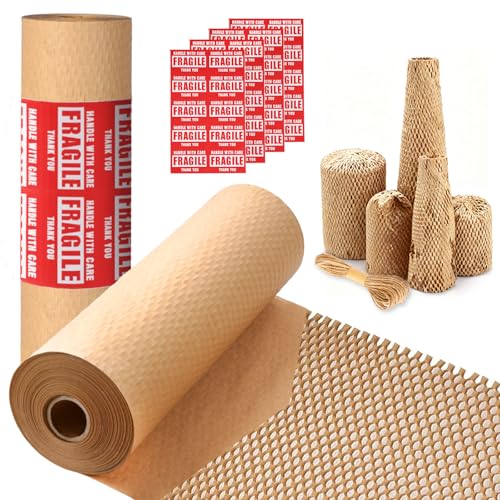
Honeycomb Packing Paper 12" x 200ft,Alternative to Bubble Wrap for Packing/Moving Supplies/Shipping Fragile Items Eco-Friendly & Recyclable Packaging Materials, Includes Fragile Labels & Hemp Ropes
Eco-Friendly & Biodegradable Material:Made from 100% recycled biodegradable packing paper, this honeycomb packing paper is recyclable and easily…
As an affiliate, we earn on qualifying purchases.
As an affiliate, we earn on qualifying purchases.
Frequently Asked Questions
How Accurate Are LCA Results for Emerging Chemicals?
You might find LCA results for emerging chemicals somewhat uncertain due to limited data, which makes uncertainty analysis vital. Since data transparency varies, it can affect accuracy, and incomplete information often leads to less reliable conclusions. To improve confidence, you should advocate for better data sharing and thorough uncertainty analysis, ensuring that results better reflect the true environmental impacts of these new chemicals.
Can LCA Account for Social and Economic Impacts?
Yes, LCA can account for social implications and economic considerations, but it requires expanding beyond traditional environmental metrics. You can incorporate social impact assessment methods to evaluate effects on communities, workers, and stakeholders. Economic considerations, like costs and benefits, are integrated through lifecycle costing or social LCA. While more complex, including these factors provides a holistic view, helping you make more sustainable decisions that consider broader social and economic impacts.
How Do Different LCA Methods Compare in Reliability?
Imagine comparing different maps to find your best route—you need reliability. Different LCA methods vary in their comparative analysis and methodological consistency, affecting trustworthiness. Some prioritize detailed data, while others focus on broader impacts, making their results less consistent. You should choose methods that align with your goals, ensuring transparency and robustness. When comparing methods, consider their assumptions and data quality to gauge which provides the most reliable insights.
What Are Common Challenges in Collecting LCA Data?
You often face challenges like data gaps and measurement uncertainties when collecting LCA data. Data gaps occur when specific information isn’t available, forcing you to make assumptions or use generic data, which can reduce accuracy. Measurement uncertainties stem from variability in data quality, measurement methods, or system boundaries. These issues make it harder to produce reliable results, so you need to carefully scrutinize data sources and address gaps whenever possible.
How Can LCA Inform Regulatory Decision-Making Processes?
You might think LCA data is too complex for decision-making, but it actually guides policy integration effectively. By demonstrating environmental impacts, it helps regulators prioritize actions and set standards. Engaging stakeholders ensures transparency and buy-in, making policies more practical. LCA informs regulations by providing concrete data, enabling smarter, sustainable choices. So, use LCA to bolster regulatory processes and foster collaboration for better environmental outcomes.

Aricsen 100 Pack 3 Compartment Compostable 8×9 Inch Takeout Lunch Box Containers with Lid To Go Take Out Clamshell for Food, Disposable Eco-Friendly Biodegradable Bagasse, PFAS-Free, Brown
100% Compostable & Eco-Friendly: Made from FSC-certified wood, our container are a biodegradable and eco-friendly alternative to traditional…
As an affiliate, we earn on qualifying purchases.
As an affiliate, we earn on qualifying purchases.
Conclusion
By understanding the entire life cycle of chemicals, you gain insight into their environmental impact, identify areas for improvement, and make informed decisions. You can reduce waste, lower emissions, and promote sustainability. You can choose greener options, implement better practices, and support responsible production. Ultimately, by evaluating every stage, you contribute to a healthier planet, a more sustainable future, and a better world for yourself and generations to come.

Industry 4.0 Technologies: Sustainable Manufacturing Supply Chains: Volume 1—Theory, Challenges, and Opportunity (Environmental Footprints and Eco-design of Products and Processes)
As an affiliate, we earn on qualifying purchases.
As an affiliate, we earn on qualifying purchases.

100 Count, 10×13 inch 100% Recycled Poly Mailers Eco Friendly Packaging Envelopes Supplies Mailing Bags 2.5 Mil Thick – SMART Mailer
PRODUCT MATERIAL – Smart Shipping Supply is proud to offer eco-friendly mailers made entirely from certified 100% post-consumer…
As an affiliate, we earn on qualifying purchases.
As an affiliate, we earn on qualifying purchases.