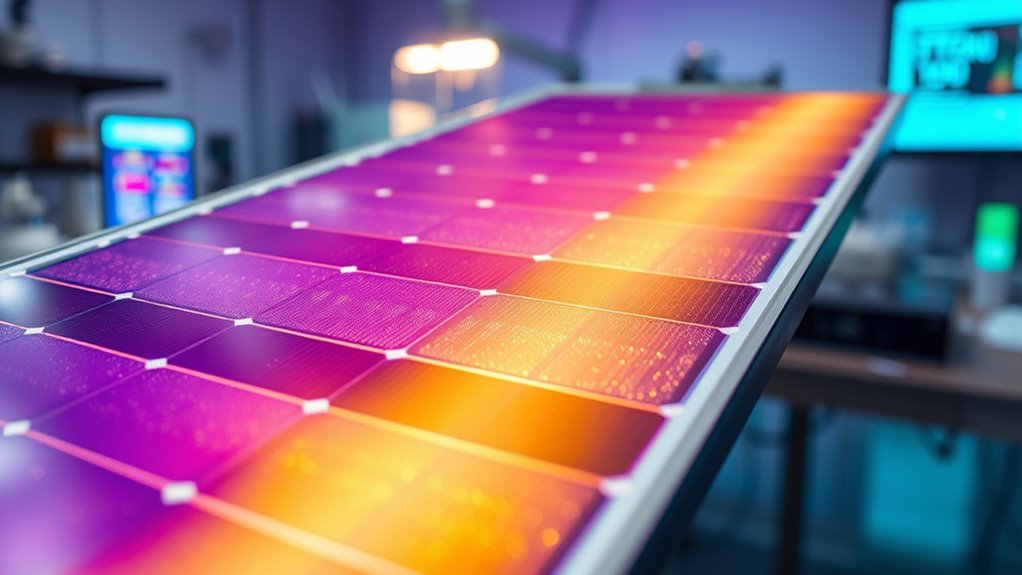

You can boost perovskite solar cell efficiency by integrating new materials like quantum dots, which enhance light absorption and charge transfer. These tiny semiconductor particles can be tuned to maximize sunlight capture, leading to higher power output. Advances also focus on improving stability through protective coatings and material modifications, making the devices more durable. If you explore further, you’ll discover how these innovations are rapidly advancing solar technology and bringing practical, high-performance panels closer to reality.
Key Takeaways
- Incorporation of quantum dots enhances light absorption and charge transfer, boosting perovskite solar cell efficiency.
- New material compositions and interface engineering improve stability and reduce degradation.
- Protective coatings and additives help resist environmental stressors, extending device lifespan.
- Tuning quantum dot size and composition optimizes sunlight capture and overall energy conversion.
- Combining advanced materials with stability techniques accelerates commercialization of high-efficiency perovskite solar cells.
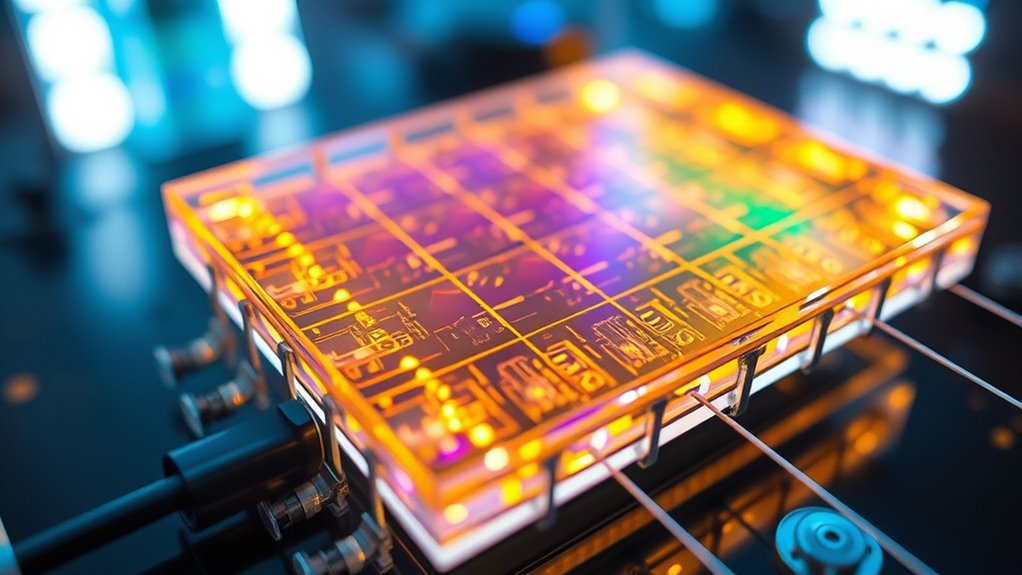
Have you ever wondered how new materials could revolutionize solar energy? One of the most exciting developments in this field is the integration of advanced materials like perovskites into solar cells. These materials have shown remarkable potential for achieving higher efficiencies compared to traditional silicon-based panels. Central to this progress is quantum dot integration, which involves embedding tiny semiconductor particles into the perovskite structure. Quantum dots can improve light absorption and charge transfer, enabling solar cells to harvest more energy from a broader spectrum of sunlight. By fine-tuning the size and composition of these dots, researchers can optimize how the material captures and converts sunlight, often leading to significant boosts in power output. Understanding material properties plays a critical role in designing more effective perovskite-based devices.
Perovskite solar cells with quantum dots promise higher efficiency and stability for a sustainable energy future.
However, a vital challenge remains: the stability of perovskite solar cells. These materials are prone to degradation when exposed to moisture, heat, and UV radiation, which hampers their commercial viability. To address this, scientists have developed various stability enhancement techniques. These include applying protective coatings, modifying the perovskite composition to resist environmental stressors, and engineering more robust interfaces within the cell. For instance, layering the perovskite with barrier materials can prevent moisture ingress, while incorporating additives can stabilize the crystal structure. These techniques are essential because they extend the lifespan of the solar cells, making them more reliable for real-world applications.
The combination of quantum dot integration and stability enhancement techniques embodies a strategic approach to pushing perovskite solar cells toward commercial readiness. With quantum dots increasing the efficiency and stability measures ensuring longevity, these materials are becoming increasingly practical. You can imagine a future where solar panels are not only more efficient but also more durable and adaptable to various environments. This progress is driven by ongoing research, which continues to refine how these materials work together. As scientists discover new ways to incorporate quantum dots effectively and improve stability, the gap between laboratory prototypes and market-ready solar panels narrows.
Ultimately, these advancements mean you could soon see perovskite-based solar cells powering homes, devices, and even large-scale solar farms with unprecedented efficiency and reliability. The dream of affordable, high-performance solar energy is closer than ever, thanks to innovations like quantum dot integration and stability enhancement techniques. As you consider the future of renewable energy, it’s clear that new materials like perovskites are poised to revolutionize how we harness the sun’s power, transforming our energy landscape in profound ways.

AlphaGlass Mini Perovskite Solar Panel, 5V 270mW, Indoor & Outdoor Ambient Light Energy Harvesting Module for DIY Electronics, IoT Devices, Sensors, and Wearables (5V, 270, Milliwatts)
- Indoor and Outdoor Use: Generates power from various light sources
- Perovskite Technology: Captures more energy in low-light conditions
- Energy Harvesting: Suitable for powering low-power electronics and IoT devices
As an affiliate, we earn on qualifying purchases.
As an affiliate, we earn on qualifying purchases.
Frequently Asked Questions
How Do Perovskite Materials Compare to Silicon in Cost?
You’ll find that perovskite materials generally have lower manufacturing costs and material expenses compared to silicon. This is because perovskites can be produced using simpler, cheaper processes and require less energy during manufacturing. Additionally, the raw materials for perovskite cells tend to be more abundant and less costly. These factors make perovskite solar cells a promising, cost-effective alternative to traditional silicon-based panels.
What Are the Environmental Impacts of Perovskite Solar Cells?
You might not realize that perovskite solar cells pose some environmental concerns, like recycling issues and potential toxic element release. When disposed of improperly, these materials can leach lead or other harmful substances, impacting ecosystems. This coincidence highlights the importance of developing safer recycling methods and eco-friendly alternatives, so you can harness solar power without risking long-term environmental damage. Responsible management guarantees sustainable energy benefits for everyone.
How Long Do Perovskite Solar Cells Typically Last?
You can expect perovskite solar cells to last around 5 to 10 years, depending on durability testing and how well they resist degradation mechanisms. To improve longevity, researchers focus on reducing issues like moisture sensitivity and thermal instability. Proper encapsulation extends their lifespan, but ongoing advancements aim to boost durability further, helping you benefit from more reliable, longer-lasting solar energy solutions in the future.
Can Perovskite Cells Be Integrated Into Flexible Panels?
Yes, you can integrate perovskite cells into flexible panels by using flexible substrates. These materials allow the solar cells to bend and conform to various surfaces, making them ideal for bendable panels. This flexibility opens up new possibilities for portable, wearable, or curved surface applications. You’ll find that flexible perovskite panels are lightweight, efficient, and versatile, perfect for expanding solar energy use in innovative ways.
What Are the Main Challenges for Commercial Perovskite Solar Deployment?
You’ll face significant challenges when deploying perovskite solar cells commercially. Scalability issues make mass production difficult, affecting consistency and cost. Stability remains a concern, as perovskites tend to degrade under environmental conditions like moisture and heat. To succeed, you need to focus on stability improvements and develop scalable manufacturing processes, ensuring these advanced materials can reliably power homes and devices over the long term.
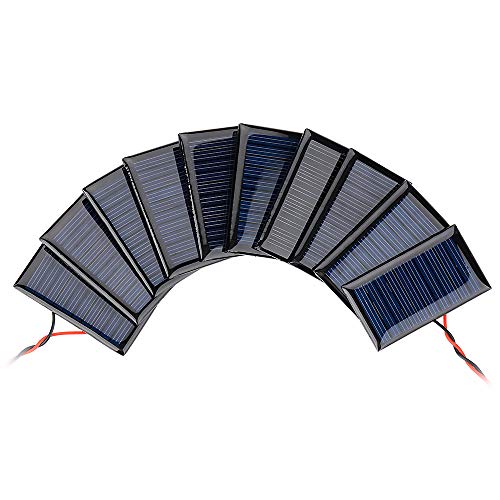
10Pcs 5V 30mA Mini Solar Panels for Mini Solar Cells DIY Electric Toy Materials Photovoltaic Cells Solar DIY System Kits 2.08"x1.18"(5V 30mA 53mmx30mm)
- Power Output: 5V 30mA under full sunlight
- DIY Projects: Suitable for solar toys and models
- Package Includes: 10 polycrystalline solar panels
As an affiliate, we earn on qualifying purchases.
As an affiliate, we earn on qualifying purchases.
Conclusion
You might believe that traditional solar cells are the only solution, but recent advances in perovskite materials prove otherwise. These new materials are steadily pushing efficiency limits higher than ever before, making clean energy more accessible. If you trust in innovation, you’ll see that the future of solar power is brighter than you imagined. Don’t underestimate the power of these breakthroughs—they could truly transform how we harness the sun’s energy for generations to come.
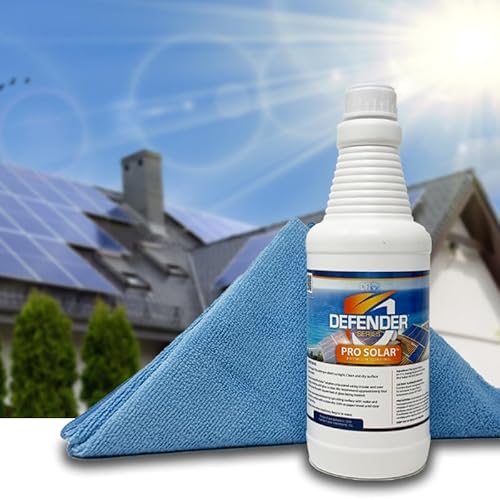
Diamon-Fusion Pro Solar Coating
- Hydrophobic Coating: Water-repellent for solar panels
- Stain and Crack Protection: Prevents stains, chips, and cracks
- Enhanced Efficiency: Improves energy output and performance
As an affiliate, we earn on qualifying purchases.
As an affiliate, we earn on qualifying purchases.
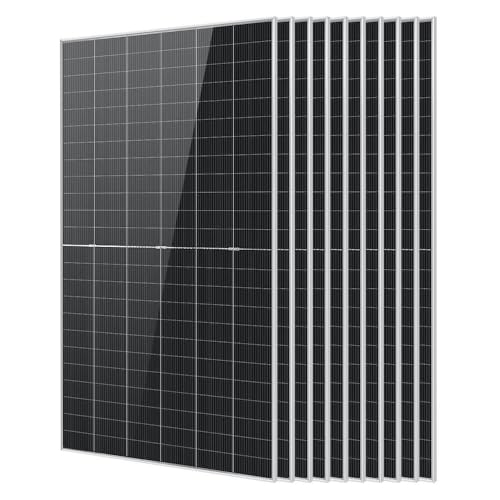
SUNGOLDPOWER UL61730 N-type 10PCS 590W Bifacial Solar Panels,16BB High Efficiency Monocrystalline Solar panel for Energy Storage,Charging Station, Household,On/Off Grid Solar System (10x590W Bifacial)
- High Energy Efficiency: Up to 22.8% energy generation
- Bifacial Technology: Harvests up to 30% additional energy
- Durable Construction: Resistant to heat, cold, snow, wind
As an affiliate, we earn on qualifying purchases.
As an affiliate, we earn on qualifying purchases.