Biological inputs, like beneficial microbes and natural predators, promote healthier soil, boost biodiversity, and reduce pollution, making farming more sustainable. In contrast, traditional inputs such as chemical fertilizers and pesticides can cause soil degradation, disrupt microbial communities, and harm water sources. Switching to biological methods helps protect the environment, improve crop health, and lower costs over time. To discover how you can make this shift effectively, explore further insights on sustainable agriculture practices.
Key Takeaways
- Biological inputs support sustainable farming by enhancing soil health and promoting biodiversity, unlike traditional inputs that can cause soil degradation.
- They include natural pest control methods, reducing reliance on chemical pesticides and minimizing environmental contamination.
- Traditional inputs often lead to long-term soil and water pollution, whereas biological inputs help maintain ecosystem balance.
- Transitioning to biological inputs can lower costs and improve produce health, aligning with eco-friendly and organic farming practices.
- Biological inputs foster resilient crops through natural defenses, reducing pest resistance compared to chemical-based pest control.
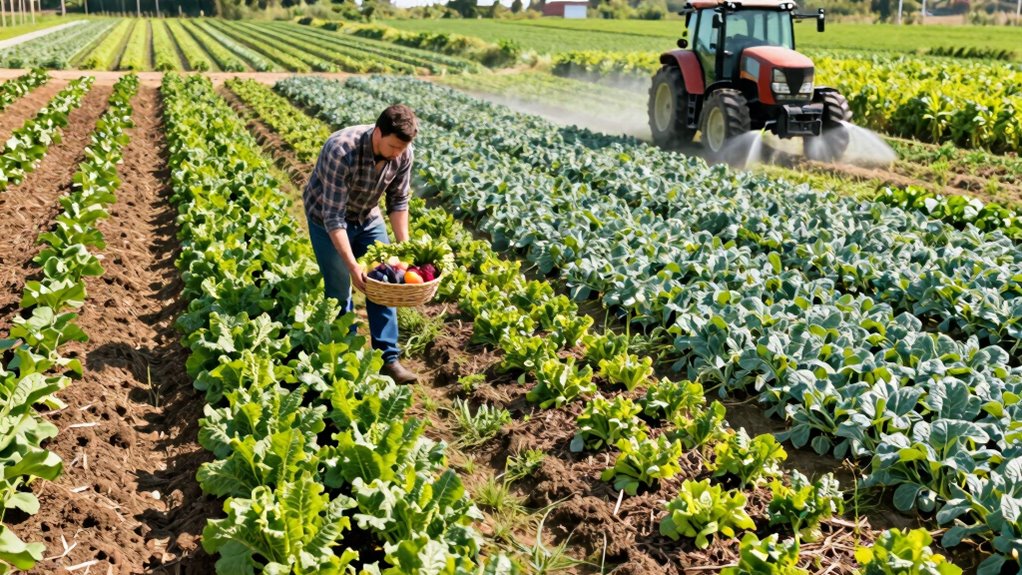
In recent years, farmers have increasingly turned to biological inputs as a sustainable alternative to traditional chemical fertilizers and pesticides. This shift is driven by the growing awareness of the environmental and health impacts associated with chemical use in agriculture. Biological inputs, such as beneficial microorganisms, organic matter, and natural pest control agents, support organic cultivation practices and promote healthier soil ecosystems. When you choose biological inputs, you’re not just protecting your crops—you’re also fostering biodiversity and reducing pollution. These inputs help create a balanced agro-ecosystem where pests are naturally managed, decreasing the need for synthetic chemicals. Incorporating content formats that showcase these sustainable practices can also help educate consumers and promote transparency in your farming methods.
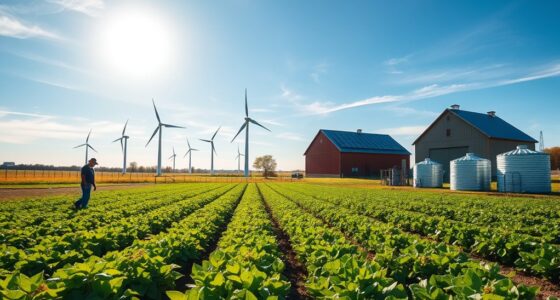
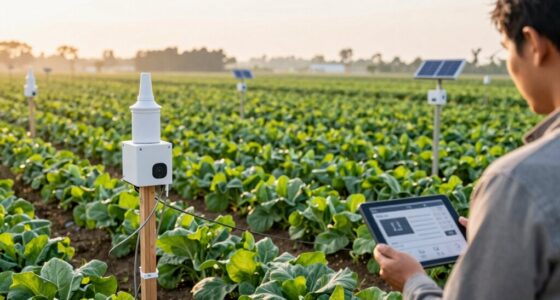
Farmers adopting biological inputs protect crops, promote biodiversity, and reduce environmental pollution.
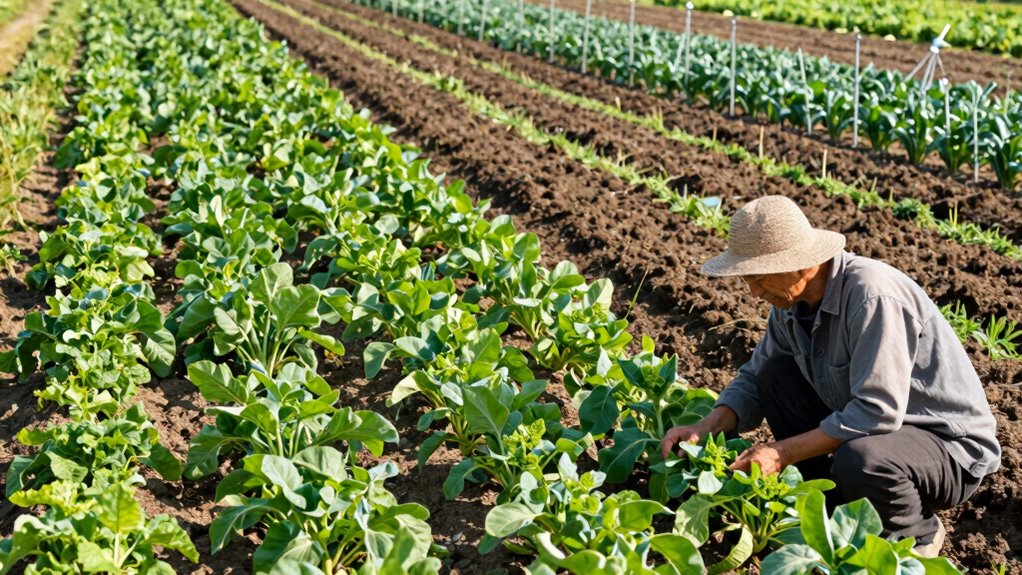
Organic cultivation emphasizes working with natural processes rather than relying on synthetic inputs. By integrating biological inputs, you can improve soil health, enhance nutrient availability, and support beneficial insect populations. Biological pest management strategies, such as introducing predatory insects or applying microbial agents, target pests without harming non-target species or the environment. This approach aligns with organic farming principles, enabling you to produce healthier, chemical-free produce that appeals to environmentally conscious consumers. Furthermore, biological pest management often results in a more resilient crop system, as it encourages natural defenses and reduces the likelihood of pests developing resistance.
Traditional inputs, while effective in the short term, often lead to long-term issues like soil degradation, pest resistance, and environmental contamination. When you rely heavily on chemical fertilizers and pesticides, you risk disrupting soil microbial communities, which play an essential role in nutrient cycling and plant health. These chemicals can also leach into water sources, affecting local ecosystems and potentially harming humans. In addition, the use of chemical inputs can contribute to chemical resistance, making pests harder to control over time. In contrast, biological inputs are typically biodegradable and less likely to cause such issues, making them a safer choice for sustainable farming. Additionally, biological inputs are often derived from naturally occurring sources, making them more compatible with the environment and supporting soil microbial diversity.
Switching to biological inputs requires some adaptation, but the benefits outweigh the challenges. You’ll notice healthier soil, stronger plants, and fewer pest outbreaks over time. Pest management becomes more about prevention and natural control rather than reactive chemical spraying. This proactive approach reduces your dependency on chemicals, cuts costs, and supports a more environmentally friendly operation. By prioritizing organic cultivation techniques that incorporate biological inputs, you’re contributing to a more sustainable agricultural system—one that protects the planet while fulfilling consumer demand for cleaner, safer food.
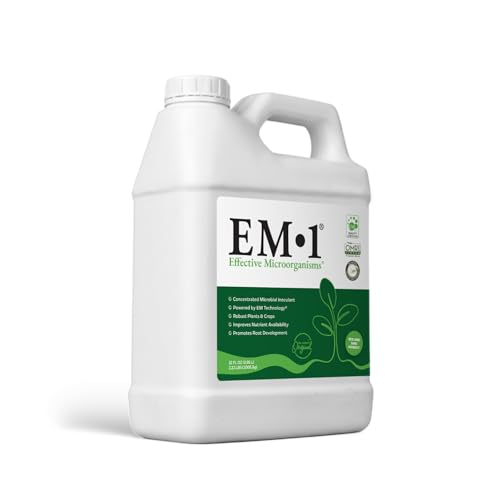
EM•1® Microbial Inoculant – Original Effective Microorganisms® – Soil Amendment for Agriculture & Gardening-32oz
- Product Name: EM•1® Microbial Inoculant 32oz
- Microorganism Type: Effective Microorganisms (EM)
- Soil Support: Enhances soil biological activity
As an affiliate, we earn on qualifying purchases.
As an affiliate, we earn on qualifying purchases.
Frequently Asked Questions
How Do Biological Inputs Impact Crop Yield Over Multiple Seasons?
Using biological inputs can improve crop yield over multiple seasons by enhancing crop resilience and naturally managing pests. You’ll notice healthier plants that withstand diseases better, reducing the need for chemical interventions. This approach promotes sustainable pest management, preventing pest outbreaks from recurring each season. Over time, your soil’s health improves, leading to consistent, higher yields, and creating a more resilient farming system that benefits both your crops and the environment.
Are Biological Inputs Cost-Effective for Small-Scale Farmers?
Think of biological inputs as a hidden garden treasure that small-scale farmers can access. They’re often cost-effective because a thorough cost analysis shows lower expenses over time, and input accessibility improves as local sources grow. While initial investments vary, many farmers find biological options more sustainable and affordable, especially when considering long-term benefits. With proper planning, biological inputs can prove a smart, wallet-friendly choice for small farms.
What Are the Long-Term Environmental Benefits of Biological Inputs?
Using biological inputs offers long-term environmental benefits, including eco-friendly practices that reduce chemical runoff and pollution. You help enhance biodiversity by promoting healthier soil and diverse ecosystems. These inputs support sustainable farming methods, which can improve soil fertility naturally over time. By adopting biological inputs, you’re contributing to a healthier environment, conserving resources, and fostering resilient agricultural systems that benefit both your farm and the planet in the long run.
Can Biological Inputs Completely Replace Traditional Chemical Fertilizers?
You might dream of biological inputs completely replacing chemical fertilizers, but it’s a tall order! While they can considerably boost organic certification and drastically reduce pesticide use, they can’t yet match the speed and scale of traditional fertilizers. Think of biological inputs as the superheroes of sustainable farming—powerful, eco-friendly, but still growing into full strength. So, expect a hybrid approach rather than total replacement anytime soon.
How Do Biological Inputs Influence Soil Microbial Diversity?
Biological inputs boost soil microbial diversity by enhancing soil health and encouraging beneficial microbial activity. When you use these inputs, they provide organic matter and nutrients that stimulate a diverse range of microbes, improving nutrient cycling and disease resistance. This increased microbial activity creates a healthier soil environment, promoting plant growth. Unlike chemical fertilizers, biological inputs foster a thriving microbial ecosystem, leading to more sustainable and resilient agricultural systems.

Mighty Mint Peppermint Oil Insect Repellent Spray – Indoor & Outdoor Bug Control for Spiders, Ants, Roaches, and More – Plant-Based, Extra-Strong Formula – 16 oz
- Pet and Family Safe: Safe around dogs, cats, and kids
- Plant-Based Pest Control: Contains concentrated peppermint oil
- Indoor and Outdoor Use: Suitable for various surfaces and areas
As an affiliate, we earn on qualifying purchases.
As an affiliate, we earn on qualifying purchases.
Conclusion
Switching to biological inputs can boost sustainability and reduce chemical dependency in agriculture. Did you know that farmers using biological inputs have seen crop yields increase by up to 20%? By embracing eco-friendly practices, you not only protect the environment but also improve soil health and long-term productivity. Making this shift benefits both your farm and the planet, proving that biological inputs are a smart, forward-thinking choice for sustainable farming.
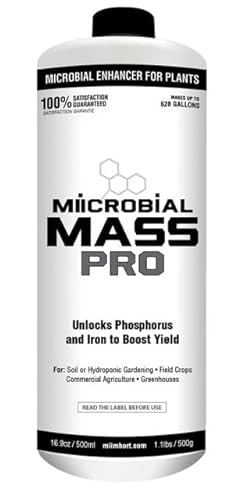
Microbial Mass Pro 500 ml Beneficial Bacteria additive
- Maximizes Plant Yield: Uses multiple bacterial species
- Universal Compatibility: Compatible with all media and nutrients
- Promotes Healthy Roots: Solubilizes phosphorus and calcium
As an affiliate, we earn on qualifying purchases.
As an affiliate, we earn on qualifying purchases.

Key Questions in Urban Pest Management: A Study and Revision Guide (CABI Key Questions)
As an affiliate, we earn on qualifying purchases.
As an affiliate, we earn on qualifying purchases.