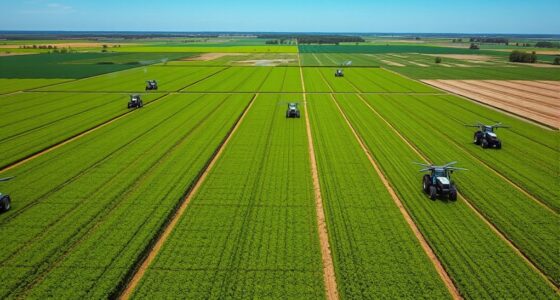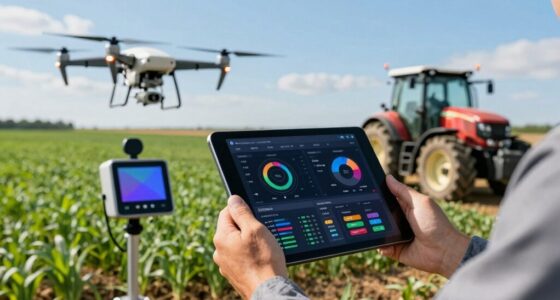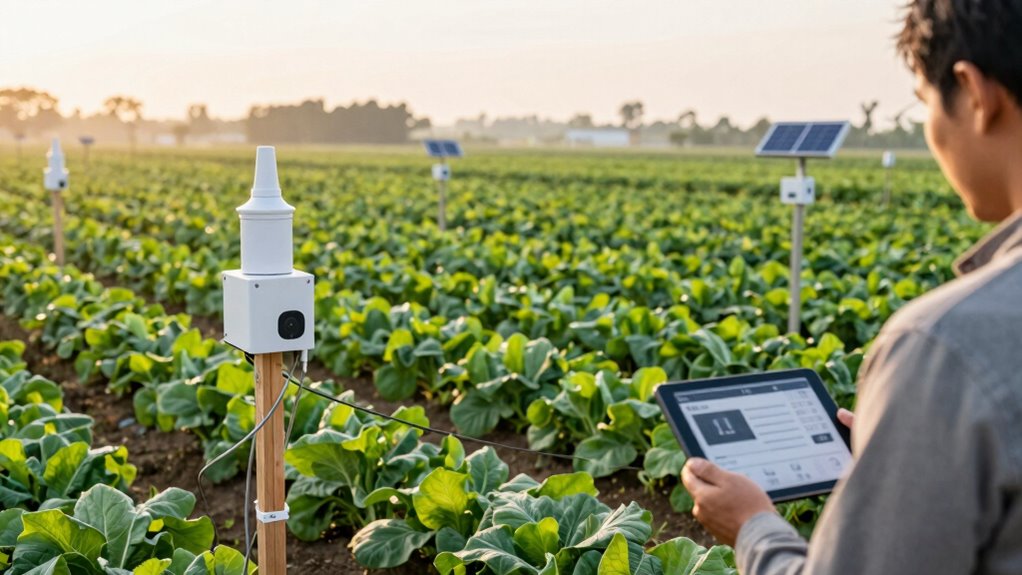

Remote monitoring helps you scale small farms by allowing you to track crop health, soil conditions, and farm operations in real-time without needing large teams. It enables you to make quick, data-driven decisions on watering, fertilization, and pest control, improving efficiency and reducing costs. You can focus on critical tasks and manage risks better. Want to discover more ways remote monitoring can grow your farm? Keep exploring to find out.
Key Takeaways
- Enables real-time farm data access, allowing small farms to manage operations efficiently without large teams.
- Supports targeted resource allocation, reducing labor costs and increasing productivity.
- Facilitates crop diversification and risk management through continuous performance tracking.
- Provides early alerts for pests, diseases, and resource needs, minimizing crop loss and optimizing interventions.
- Promotes sustainable growth by optimizing resource use, soil health, and crop yields with minimal manual effort.

Have you ever wondered how small farms can efficiently manage their resources and improve productivity with limited manpower? Remote monitoring is the solution. It enables you to keep a close eye on your farm’s operations without needing a large team physically present everywhere. This technology helps you manage various aspects of your farm, from crop health to soil conditions, allowing you to make timely decisions that boost efficiency and yields.
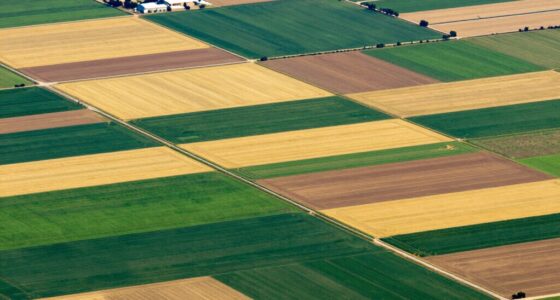
One key benefit of remote monitoring is its support for crop diversification. By using sensors and cameras, you can track the performance of different crops across your fields. This data helps you identify which crops are thriving and which need more attention, enabling you to rotate or diversify crops strategically. Diversifying your crops not only spreads risks but also improves soil health by preventing nutrient depletion and reducing the chances of pests and diseases. With real-time insights, you can plan your planting and harvesting schedules more effectively, ensuring that each crop gets the right care at the right time.
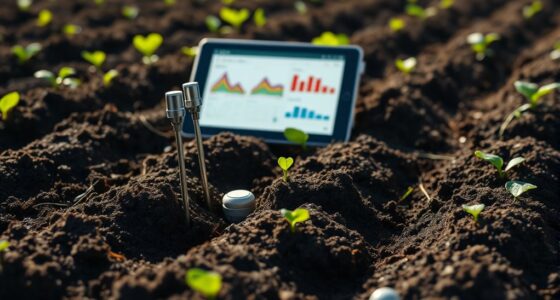
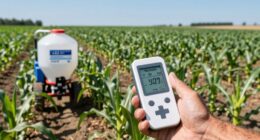
Soil health is another critical focus area that remote monitoring enhances. With sensors placed in various locations, you can continuously measure soil moisture, temperature, pH levels, and nutrient content. This constant stream of data allows you to detect issues early, such as areas that are over- or under-watered or zones with nutrient imbalances. As a result, you can adjust irrigation and fertilization practices precisely, avoiding waste and preventing long-term soil degradation. Maintaining healthy soil is fundamental for sustainable farming, and remote monitoring makes it easier to implement soil conservation practices consistently. Additionally, digital content can help you analyze long-term trends in soil conditions, informing better management strategies. Incorporating natural filtration systems can further improve water quality and reduce reliance on chemicals. Understanding soil sensors and their capabilities can enhance your ability to respond to changes quickly and accurately.
Furthermore, remote monitoring provides an all-encompassing view of your farm’s overall health, helping you allocate your limited manpower more efficiently. Instead of physically checking every part of your farm daily, you receive alerts and updates on your devices. This allows you to focus your hands-on efforts where they’re needed most, whether that’s addressing pest outbreaks, managing irrigation, or inspecting crops for signs of disease. Integrating advanced sensor technology can further enhance data accuracy and responsiveness. Over time, this targeted approach reduces labor costs and increases productivity.
In essence, remote monitoring empowers small farm operators to scale their operations intelligently. It offers actionable insights into crop diversification, soil health, and resource allocation, all while reducing the need for extensive manpower. By embracing this technology, you’re setting your farm up for sustainable growth, better resource management, and higher yields—all with limited staff and resources.

Android Phone Farm Server Box System Farming Machines Hub USB Setup Click Phones Farming S20 S8 S9 S10 Note8 Note9 Note10 (f711)
Complete Package Contents: Each Box purchase includes the hardware (20 Phone motherboard, USB cable, box power cord, phone…
As an affiliate, we earn on qualifying purchases.
As an affiliate, we earn on qualifying purchases.
Frequently Asked Questions
What Types of Remote Monitoring Devices Are Best for Small Farms?
You should consider using soil moisture sensors and pest detection devices for your small farm. Soil moisture sensors help you monitor water levels in real time, ensuring your crops get just the right amount of water. Pest detection devices alert you to pest activity early, preventing damage. These remote monitoring tools are user-friendly, cost-effective, and give you essential data to manage your farm efficiently and sustainably.
How Much Does Remote Monitoring Technology Typically Cost for Small Farms?
Did you know small farms spend around $2,000 to $5,000 on remote monitoring technology? The cost analysis shows these devices generally range from affordable starter kits to more advanced systems. You’ll find options that easily integrate with existing setups, making technology integration smooth. While prices vary, investing in remote monitoring can boost your farm’s efficiency and productivity, often paying for itself in a short time.
Can Remote Monitoring Improve Crop Yields Significantly?
Yes, remote monitoring can greatly improve your crop yields. By keeping an eye on soil health, you can guarantee ideal nutrient levels and moisture, promoting healthier plants. It also helps you detect pest issues early, allowing for targeted pest management before problems spread. With real-time data, you can make informed decisions, reduce waste, and boost productivity, ultimately leading to better crop yields and a more efficient farm operation.
What Training Is Needed to Implement Remote Monitoring Systems?
To implement remote monitoring systems, you need farmer education focused on technology adoption. You’ll attend workshops or online courses that walk you through sensor setup, data interpretation, and troubleshooting—imagine your farm’s data flowing like a gentle stream, guiding your decisions. Hands-on training helps you confidently navigate the tech, turning complex data into clear insights, so you can optimize your crop management and boost productivity with ease.
How Secure Is Farm Data Collected Through Remote Monitoring?
Your farm data collected through remote monitoring is generally secure, but you should stay vigilant about data privacy and cybersecurity risks. Many systems use encryption and secure servers to protect information, yet vulnerabilities still exist. You’re responsible for regularly updating software, using strong passwords, and managing access controls. By staying proactive, you can mitigate risks and guarantee your data remains safe from cyber threats while benefiting from remote monitoring technology.

THIRDREALITY Smart Soil Moisture Sensor 3Pack,Zigbee hub Needed,Capacitive Probe,Moisture/Temperature Meter for Garden Planting,Compatible with Homey,Hubitat, SmartThings,Home Assistant
Zigbee Hub Required: Compatible with standard Zigbee 3.0, such as Echo (4th Gen), Echo Plus (1st Gen and…
As an affiliate, we earn on qualifying purchases.
As an affiliate, we earn on qualifying purchases.
Conclusion
By embracing remote monitoring, small farms transform from humble beginnings to thriving enterprises. You’re no longer bound by the limitations of manual oversight; instead, you gain the freedom to focus on innovation and growth. It’s a quiet revolution—technology bridging the gap between traditional farming and modern efficiency. In this juxtaposition of old and new, remote monitoring becomes your most valuable tool, turning small farms into resilient, scalable ventures with less effort and more insight.

FLIR AX8 Thermal Imaging Camera for Continuous Condition and Safety Monitoring
110,592 Pixel (384 x 288) true native IR resolution, with patented FLIR MSX enhancements and UltraMaxTM super-resolution option
As an affiliate, we earn on qualifying purchases.
As an affiliate, we earn on qualifying purchases.

Rachio WiFi Smart Sprinkler Controller (8-Zone Irrigation Remote Control) – App-Based Scheduling, Local Weather Intelligence, Rain Skips, Easy DIY Install
DITCH THE DIAL – Upgrade to smart irrigation with the free Rachio app for precise, easy control.
As an affiliate, we earn on qualifying purchases.
As an affiliate, we earn on qualifying purchases.