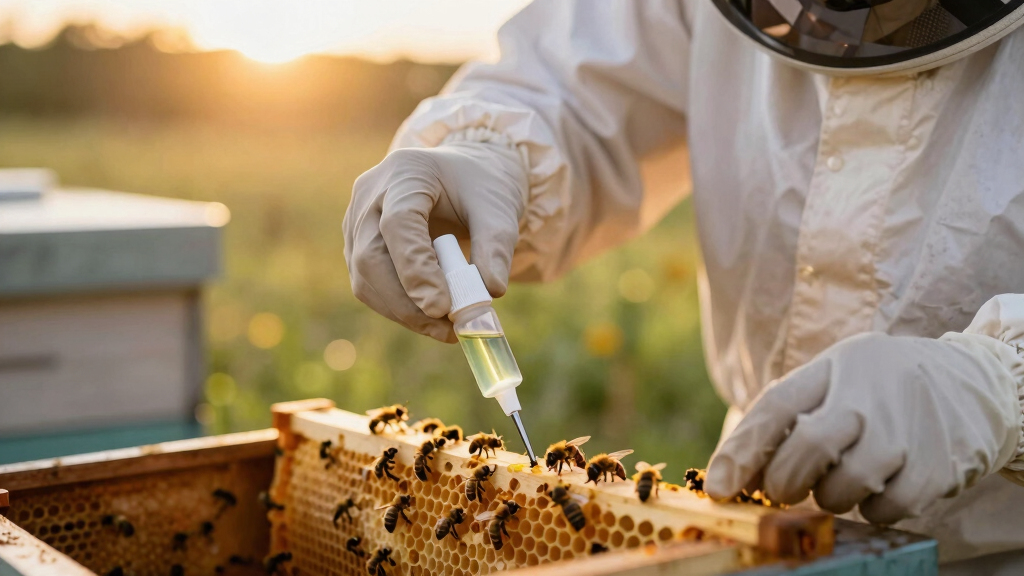

TL;DR
Scientists have discovered that a component of spider venom can selectively kill varroa mites, a major honeybee pest, without harming honeybees. This breakthrough could lead to new, targeted treatments to protect bee colonies.
Scientists have identified a component of spider venom that kills varroa mites without harming honeybees, marking a significant step forward in managing one of the most destructive honeybee pests. This discovery was announced by researchers at the University of California in late 2023 and could lead to targeted, environmentally friendly treatments to protect bee colonies.
The research team isolated a specific protein within spider venom that exhibits potent acaricidal activity against varroa mites. Laboratory tests showed that this compound effectively kills mites without causing any observable harm to honeybees. The findings, published in the journal Scientific Reports, suggest the venom component could be developed into a new pest control agent.
According to lead researcher Dr. Emily Carter, ‘This venom-derived compound offers a highly specific method for controlling varroa mites, which are responsible for significant colony losses worldwide. Importantly, our tests indicate it does not affect honeybees, making it a promising candidate for integrated pest management.’
Potential for Targeted, Eco-Friendly Varroa Control
This discovery could revolutionize how beekeepers manage varroa mite infestations, which are a leading cause of colony collapse globally. Current treatments often harm bees or lead to resistance, but a venom-based approach could provide a highly specific, environmentally safe alternative. If successful in field trials, this method might reduce reliance on chemical acaricides and improve honeybee health and productivity.

Vita BeeHealth Apiguard Varroa Mite Treatment, 10 x 50g Thymol Gel
- Effective Varroa Control: Controls varroa mites in hives
- Bee-Friendly Formula: Safe for honey bees and brood
- Easy Application: Ready-to-use gel trays for simple use
As an affiliate, we earn on qualifying purchases.
As an affiliate, we earn on qualifying purchases.
Varroa Mites and the Ongoing Battle for Bee Health
Varroa destructor mites are parasitic pests that feed on honeybees and transmit deadly viruses. They have become a major challenge for apiculture, with resistance to traditional chemical treatments increasing. Researchers have long sought targeted, sustainable solutions to control these mites without harming bees or the environment.
Recent efforts include organic acids and biological controls, but none have proven entirely effective or practical at scale. The discovery of spider venom components with selective toxicity offers a new avenue for pest management, building on prior studies of venom-derived compounds in agriculture and medicine.
“This venom-derived compound provides a promising, highly specific method for controlling varroa mites, with no observable harm to honeybees in our tests.”
— Dr. Emily Carter, lead researcher
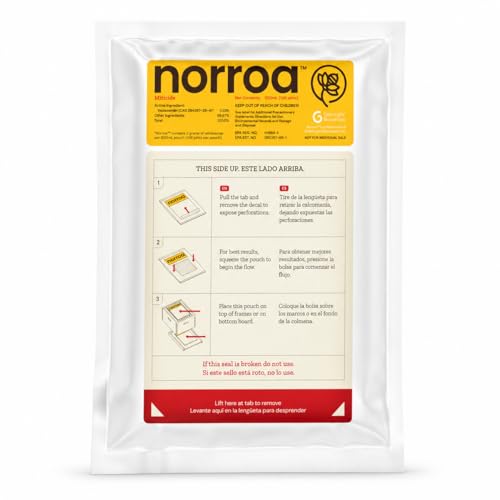
Norroa™ Varroa Mite Treatment, RNAi-Based, 18-Week Control, Ready-to-Use Pouches, for Beekeeping, 2-Pack
- Technology: RNAi-based Varroa mite control
- Duration: Up to 18 weeks of protection
- Safety: Colony-safe, no harm to bees
As an affiliate, we earn on qualifying purchases.
As an affiliate, we earn on qualifying purchases.
Uncertainties in Field Effectiveness and Safety
While laboratory results are promising, it remains unclear how the venom compound will perform in real-world hive conditions. Researchers need to evaluate its efficacy, stability, and safety over longer periods and in diverse environments. Additionally, the process for commercial development and regulatory approval is still underway, and potential impacts on other hive organisms are not yet known.

VITA BEEHEALTH Apiguard 3kg Tub for Control of Varroa Mites
- Effective Natural Varroa Mite Treatment: Uses plant-based thymol for mite control
As an affiliate, we earn on qualifying purchases.
As an affiliate, we earn on qualifying purchases.
Next Steps Include Field Trials and Regulatory Review
The research team plans to conduct field trials to test the venom compound’s effectiveness in active apiaries. Simultaneously, they will begin the regulatory process required for commercial approval. If successful, this approach could be available to beekeepers within the next few years, offering a targeted alternative to chemical treatments.
Norroa™ Varroa Mite Treatment, RNAi-Based, 18-Week Control, Ready-to-Use Pouches, for Beekeeping, 2-Pack
- Technology: RNAi-based Varroa mite control
- Duration: Up to 18 weeks of protection
- Safety: Colony-safe, no harm to bees
As an affiliate, we earn on qualifying purchases.
As an affiliate, we earn on qualifying purchases.
Key Questions
How does the spider venom kill varroa mites?
The specific protein in the venom disrupts vital biological processes in the mites, leading to their death. The exact mechanism is still under investigation.
Will this venom affect honeybees or other beneficial insects?
Laboratory tests indicate it does not harm honeybees, but further testing is needed to confirm safety in real-world conditions and on other insects.
When might this treatment be available for beekeepers?
If field trials and regulatory approvals proceed smoothly, commercial availability could be within three to five years.
Could mites develop resistance to this venom?
Resistance development is a possibility with any pest control method. Ongoing monitoring would be necessary to manage resistance if it occurs.
Are there any environmental risks associated with this venom-based treatment?
Current data suggest low environmental risk due to high specificity, but comprehensive environmental impact assessments are still needed.
Source: hn