

Green hydrogen is emerging as a essential, sustainable chemical feedstock that can drastically lower your industry’s carbon footprint and promote eco-friendly manufacturing. Produced through renewable energy-powered electrolysis, it offers zero emissions and supports cleaner processes. As technology advances and policies strengthen, its market potential grows, opening new opportunities for greener chemistry and energy integration. Stay with us to explore how green hydrogen can transform your future facilities and environmental impact.

Prime made for students and young adults
- Fast, free delivery for dorm and study essentials
- Prime Video and Amazon Music included
- Member-only deals
Key Takeaways
- Green hydrogen offers a sustainable, zero-emission alternative for chemical manufacturing, reducing environmental impact and supporting climate goals.
- Advances in electrolysis technology and renewable energy integration enhance green hydrogen production efficiency and scalability.
- As a versatile feedstock, green hydrogen enables cleaner synthesis of chemicals, promoting eco-friendly industrial processes.
- Policy incentives and infrastructure development are critical for making green hydrogen cost-competitive and widely adopted.
- Its use in industry supports pollution reduction, improves air quality, and aligns with global efforts toward sustainable development.
As an affiliate, we earn on qualifying purchases.
The Role of Green Hydrogen in Sustainable Chemistry
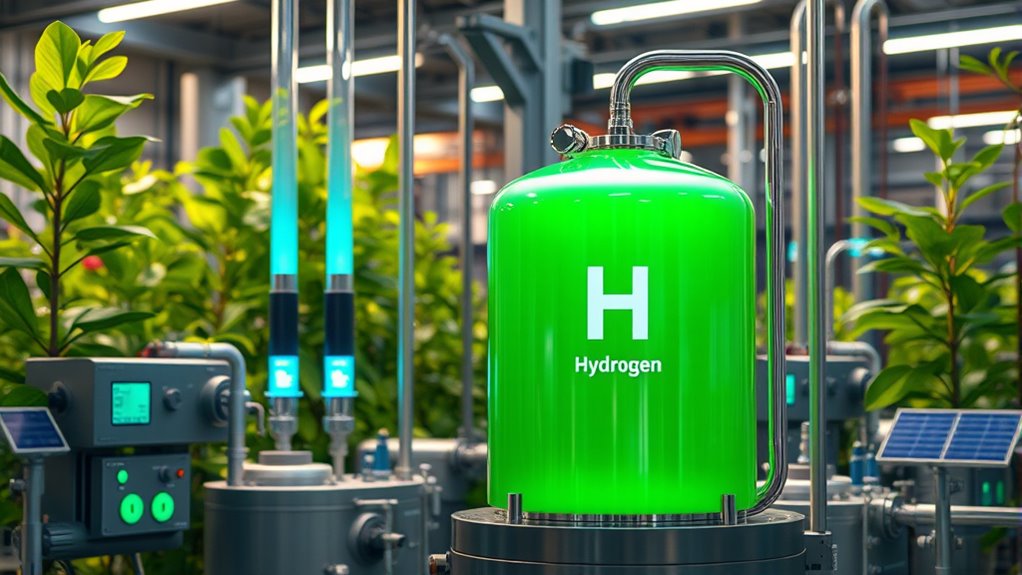
Green hydrogen plays a pivotal role in advancing sustainable chemistry by offering a clean and renewable energy source for chemical processes. Its use supports the development of biodegradable catalysts, which are essential for reducing environmental impact and ensuring products break down safely after use. By integrating green hydrogen, you can promote a sustainable supply chain that minimizes reliance on fossil fuels, lowering carbon emissions and fostering eco-friendly practices. This shift enables cleaner manufacturing methods and encourages innovation in creating environmentally benign chemicals. As you adopt green hydrogen, you contribute to building a more sustainable future, where chemical processes are efficient, eco-conscious, and aligned with global efforts to combat climate change. Incorporating renewable energy sources into hydrogen production further enhances its sustainability and impact. Additionally, understanding cost considerations associated with green hydrogen can help optimize its adoption in industrial applications. The development of biodegradable catalysts is crucial for ensuring that chemical products are environmentally friendly and safely decompose after use. Ultimately, green hydrogen empowers you to make a meaningful difference in sustainable chemistry.
renewable energy hydrogen production kit
As an affiliate, we earn on qualifying purchases.
As an affiliate, we earn on qualifying purchases.
Production Methods and Technological Innovations

Advancements in production methods and technological innovations are driving the efficient and scalable generation of green hydrogen. Electrolysis innovations, such as PEM and SOEC technologies, improve efficiency and reduce costs. Additionally, feedstock diversification allows for using various renewable sources like wind, solar, and biomass, increasing production flexibility. These innovations enable larger-scale deployment and lower environmental impact. Enhanced technological research continues to push the boundaries of green hydrogen production capabilities, with ongoing studies aimed at improving electrolysis efficiency and reducing energy consumption. Incorporating renewable energy sources directly into electrolysis processes further enhances sustainability and helps achieve a truly green hydrogen economy.
As an affiliate, we earn on qualifying purchases.
Environmental Benefits of Using Green Hydrogen as a Feedstock

Using green hydrogen as a feedstock can substantially cut emissions, as it produces zero greenhouse gases when used. You’ll also see a reduction in air pollution, leading to cleaner air and healthier communities. Embracing green hydrogen helps you support a more sustainable and environmentally friendly industry. Additionally, utilizing high-quality color accuracy in the production process ensures the visual clarity of the resulting materials, further promoting the adoption of cleaner technologies. Since green hydrogen is often produced through renewable energy sources, it aligns with renewable energy efforts to foster a more responsible and conscious approach to industrial development.
Zero Emissions Potential
Because green hydrogen is produced through the electrolysis of water powered by renewable energy sources, it emits no greenhouse gases during its production or use. This means you can achieve carbon neutrality in your operations, considerably reducing your environmental footprint. Unlike fossil fuel-based feedstocks, green hydrogen offers a clean, sustainable alternative that helps limit global warming. When used as a chemical feedstock, it doesn’t release harmful emissions, supporting a zero-emissions future. By leveraging renewable energy for its production, green hydrogen ensures your processes remain environmentally friendly. Its potential to eliminate greenhouse gas emissions makes it a key player in advancing sustainable industry practices and meeting climate goals. Investing in renewable energy sources is essential to maximize the benefits of green hydrogen and ensure long-term sustainability. Embracing green hydrogen can help you contribute to a cleaner, healthier planet. Proper handling and storage of bicycle tires are essential to maintain their longevity and safety during use.
Reduced Air Pollution
Green hydrogen’s environmental benefits extend beyond carbon neutrality to substantially reduce air pollution. By replacing fossil fuels, it helps improve urban air quality and lowers harmful emissions. When you switch to green hydrogen as a feedstock, you contribute to cleaner skies and healthier communities. The reduction in pollutants like nitrogen oxides (NOx) and particulate matter directly benefits public health. Imagine cities where smog no longer clouds the horizon, and respiratory illnesses decline. You can be part of this change by supporting sustainable energy solutions. The positive impact includes:
- Clearer, healthier urban air
- Fewer respiratory illnesses
- Reduced emissions from transportation
- Lowered acid rain risk
- Improved overall environmental quality
This shift not only benefits the planet but also enhances everyday life for everyone.
biodegradable catalysts for chemical manufacturing
As an affiliate, we earn on qualifying purchases.
As an affiliate, we earn on qualifying purchases.
Applications in the Chemical Industry
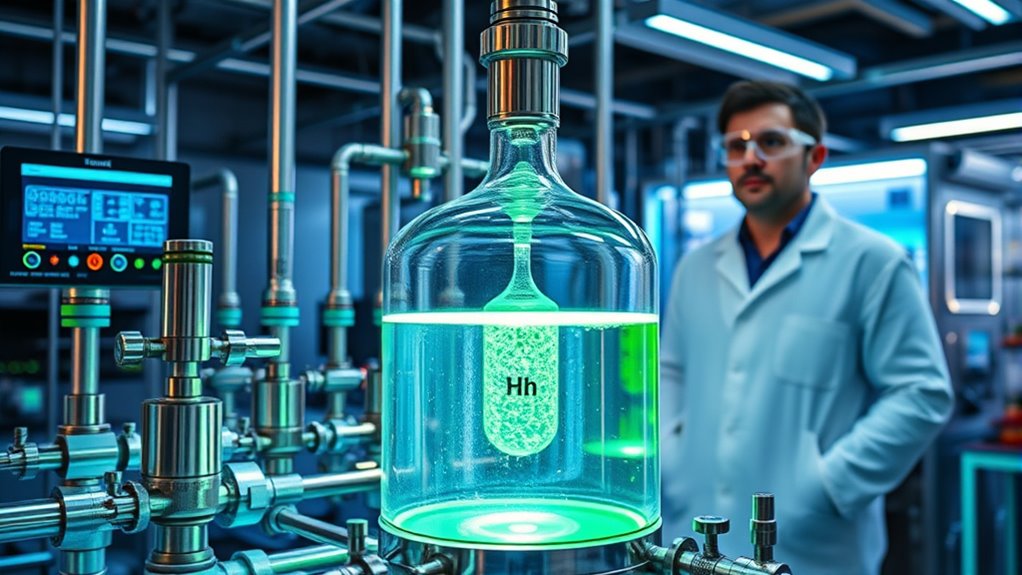
Green hydrogen plays a vital role in chemical synthesis, offering a cleaner alternative to traditional feedstocks. Its use reduces environmental impact while maintaining production efficiency. As you explore these applications, you’ll see how green hydrogen benefits both industry and the planet. Additionally, adopting sustainable practices in chemical processes aligns with the broader goals of amazing life together and responsible development. Incorporating green hydrogen can also help industries meet increasing environmental standards while fostering innovation. The adoption of green hydrogen in chemical manufacturing also supports the transition toward a sustainable energy future, emphasizing its importance beyond immediate industrial benefits.
Green Hydrogen in Synthesis
Harnessing hydrogen produced via renewable energy sources is transforming chemical synthesis processes. Green hydrogen enables cleaner, more efficient reactions, opening new horizons for industry. By focusing on catalyst development, researchers are creating more effective materials that accelerate reactions while reducing energy use. Process integration ensures green hydrogen seamlessly fits into existing manufacturing workflows, boosting sustainability without sacrificing productivity. This shift inspires innovation, driving breakthroughs in producing essential chemicals with minimal environmental impact. Additionally, advancements in offensive security tactics ensure that industrial systems remain resilient against emerging cyber threats. This integration of cybersecurity measures supports a secure transition to greener manufacturing practices, safeguarding critical infrastructure. The implementation of digital platforms facilitates collaboration among researchers and industry stakeholders, accelerating development and deployment of sustainable solutions. Emphasizing sustainable energy sources is crucial for scaling green hydrogen production and maximizing environmental benefits. This shift inspires innovation, driving breakthroughs in producing essential chemicals with minimal environmental impact. You feel empowered to adopt greener practices. Innovation sparks excitement for future possibilities. Industry evolves towards sustainability and resilience. Breakthroughs lead to cleaner, safer chemistry. Your efforts contribute to a healthier planet.
Environmental Benefits of Green Hydrogen
As the chemical industry seeks to reduce its environmental footprint, green hydrogen offers a compelling solution by providing a clean and sustainable energy source. By using renewable energy, you can produce green hydrogen with zero carbon emissions, markedly lowering your carbon footprint. This shift helps minimize greenhouse gases associated with traditional chemical processes that rely on fossil fuels. Green hydrogen enables cleaner production methods for chemicals, reducing air pollution and conserving natural resources. Its adoption supports global efforts to combat climate change and promotes sustainability across the industry. Moving to green hydrogen not only benefits the environment but also enhances your company’s reputation as an eco-conscious leader. Additionally, understanding the regulatory landscape surrounding green hydrogen can facilitate smoother integration into existing operations. Incorporating automation technologies into manufacturing processes can further optimize efficiency and safety. Recognizing the environmental benefits of green hydrogen can also motivate stakeholders and investors to support sustainable initiatives. Ultimately, embracing green hydrogen aligns your operations with a greener, more sustainable future.
Challenges and Opportunities in Scaling Green Hydrogen Use
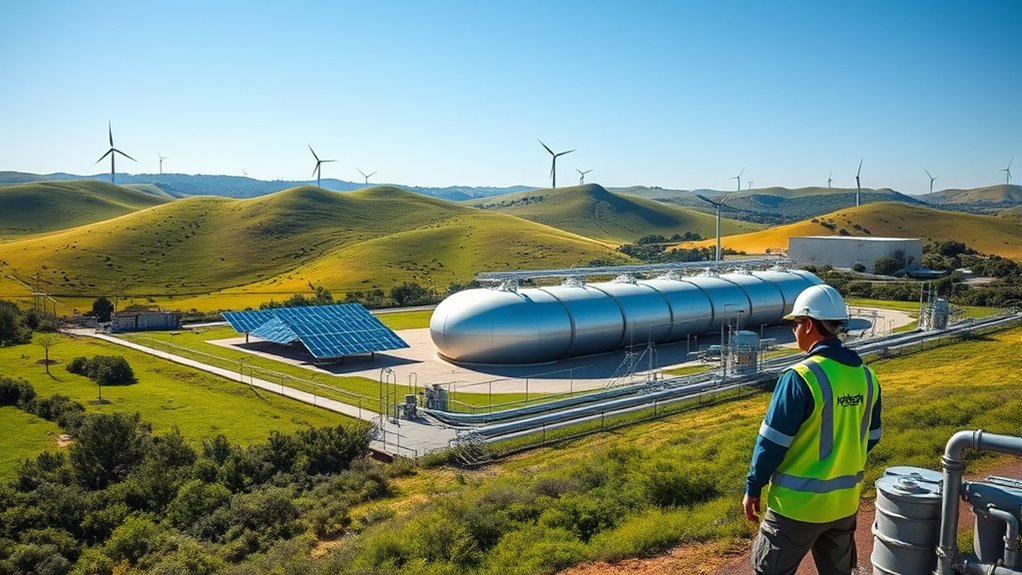
Scaling green hydrogen use presents significant challenges, but it also offers promising opportunities for a sustainable energy future. The main hurdles include high production costs and the need for extensive infrastructure development. Achieving cost reduction is critical to make green hydrogen competitive, while developing a robust network of storage and transport facilities is essential for widespread adoption. Incorporating mindfulness techniques into planning and decision-making processes can enhance focus and foster innovative solutions to these complex issues. Emphasizing market research made simple can help identify key opportunities and gaps in the sector, guiding strategic investments. Consider these opportunities:
- Transforming industries with clean energy
- Creating new jobs in green tech sectors
- Driving innovation in renewable energy
- Reducing reliance on fossil fuels
- Building a resilient, sustainable economy
Overcoming obstacles requires investment, innovation, and policy support. By addressing these challenges head-on, you can help liberate green hydrogen’s full potential and accelerate the shift to a cleaner, more sustainable world.
Economic Considerations and Market Dynamics

Understanding the economic factors driving green hydrogen’s market is essential for its widespread adoption. Cost analysis plays a critical role, as producing green hydrogen remains more expensive than fossil fuels. Market competitiveness depends on technological advancements, scale, and renewable energy costs. To illustrate, consider the following factors:
| Factor | Impact |
|---|---|
| Production cost | Affects pricing and market entry |
| Infrastructure development | Influences overall market readiness |
| Policy incentives | Can improve market competitiveness |
Reducing production costs and expanding infrastructure are key to improving market competitiveness. As costs decrease and technology advances, green hydrogen becomes more economically viable, encouraging broader adoption across industries.
Policy and Regulatory Frameworks Supporting Green Hydrogen

Effective policy and regulatory frameworks are essential for accelerating the adoption of green hydrogen. They create the foundation for investment, innovation, and market growth. By implementing targeted regulatory incentives, governments can reduce costs and motivate stakeholders to prioritize green hydrogen projects. Policy harmonization across regions ensures consistency, simplifies cross-border trade, and boosts investor confidence. Key elements include clear standards, streamlined permitting, and supportive subsidies. These measures inspire confidence and foster a stable environment for development.
Strong policies and clear standards build investor confidence and accelerate green hydrogen adoption worldwide.
- Boost public trust through transparent regulations
- Encourage private sector investment with tax breaks
- Foster international collaboration with unified policies
- Ensure safety standards that build community support
- Drive innovation through predictable frameworks
Future Perspectives and Research Directions
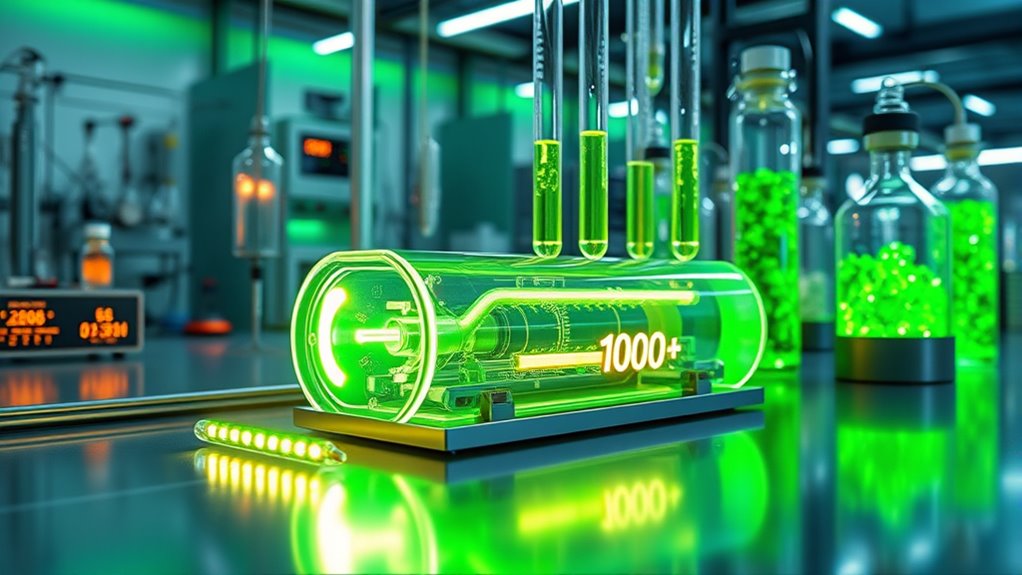
Looking ahead, advancing green hydrogen technology requires focused research to overcome current limitations and unlock its full potential. Developing innovative catalysts is essential for improving efficiency and reducing costs in water electrolysis, making green hydrogen more competitive. You should also prioritize strengthening the supply chain to guarantee sustainable, scalable production and distribution. This involves optimizing logistics, establishing reliable infrastructure, and integrating renewable energy sources. Researchers need to explore novel materials, better electrode designs, and cost-effective manufacturing processes. Additionally, a holistic approach that combines technological innovations with policy support will accelerate adoption. Your efforts in these areas can address existing barriers, foster industry growth, and position green hydrogen as a critical, sustainable chemical feedstock of the future.
Frequently Asked Questions
How Does Green Hydrogen Compare to Other Renewable Energy Sources?
When comparing green hydrogen to other renewable energy sources, you’ll find it offers unique benefits and challenges. Its cost comparison can be higher due to production and storage expenses, but it’s scalable with technological advancements. You might face scalability challenges, especially in infrastructure development. Unlike solar or wind, green hydrogen provides storage and transportation flexibility, making it a promising option, but overcoming costs and scaling remains essential for widespread adoption.
What Are the Safety Concerns Associated With Green Hydrogen Storage?
You should be aware that storing green hydrogen raises safety concerns like hydrogen leakage, which can cause explosions if it accumulates. Storage explosion hazards are real, especially if leaks occur near ignition sources. Proper safety measures, such as robust containment systems and leak detection, are vital. Always guarantee that storage facilities are well-maintained and monitored to prevent accidents and protect both people and property.
How Quickly Can Green Hydrogen Infrastructure Be Expanded Globally?
You can expect the global expansion of green hydrogen infrastructure to be gradual, facing several challenges. Addressing global expansion challenges requires significant infrastructure investment, which varies by region’s economic and political stability. While some countries are making strides, scaling up quickly depends on international cooperation, funding, and technological advancements. Overall, it’s a complex process that demands coordinated efforts and sustained commitment from governments and industry players worldwide.
What Are Potential Geopolitical Impacts of Green Hydrogen Adoption?
You’ll see significant geopolitical shifts as green hydrogen adoption grows, with over 70 countries investing in hydrogen projects. This shift can reduce reliance on traditional fossil fuel exporters, boosting energy independence for many nations. However, it may also create new power dynamics, as countries with abundant renewable resources gain influence. Overall, green hydrogen could reshape global alliances and trade routes, making energy markets more decentralized and competitive.
How Does Green Hydrogen Influence the Life Cycle Analysis of Chemicals?
You see, green hydrogen considerably impacts the life cycle analysis of chemicals by promoting sustainable manufacturing. It reduces environmental impact because it’s produced using renewable energy, cutting emissions from raw material extraction to end-of-life. This shift encourages more eco-friendly processes, lowers carbon footprints, and supports a circular economy. By integrating green hydrogen, you help create chemicals with a smaller environmental impact, aligning manufacturing practices with sustainability goals and reducing long-term ecological harm.
Conclusion
As you explore green hydrogen’s potential as the future’s chemical powerhouse, remember it’s not just a game-changer — it’s a revolution waiting to happen. By embracing innovative production methods and supportive policies, you can help open a cleaner, more sustainable world. The journey might be challenging, but the rewards are enormous, transforming the chemical industry into a beacon of environmental hope. Together, you can drive this monumental shift towards a greener future.
Fall Picks
fall essentials
As an affiliate, we earn on qualifying purchases.