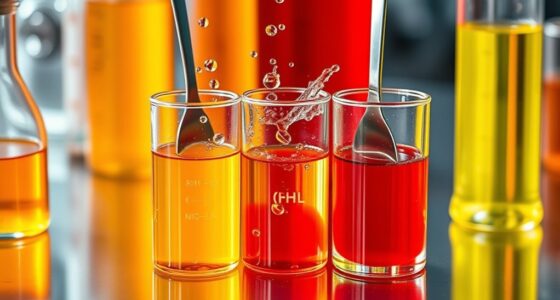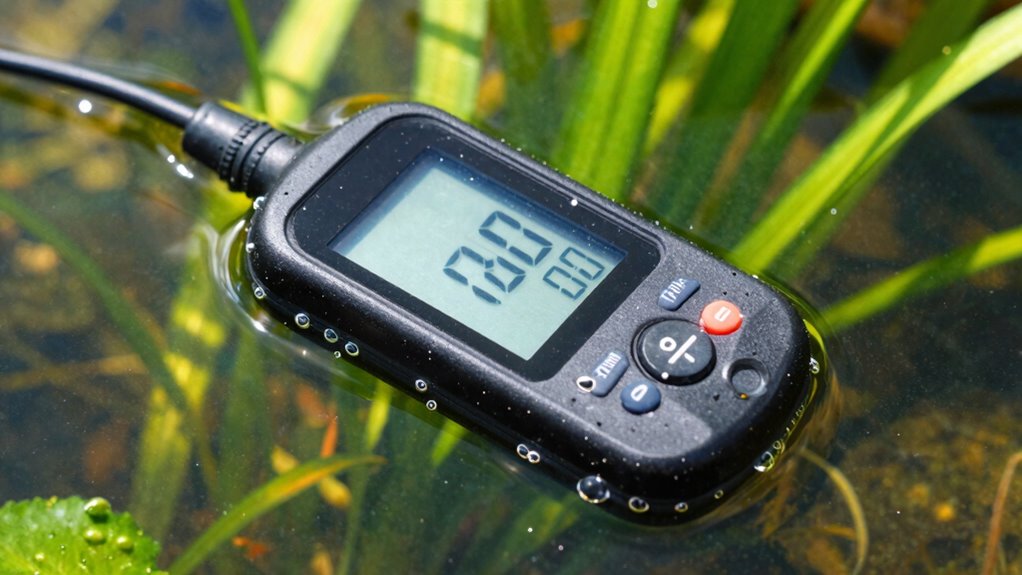

TDS meters are key tools for evaluating water quality because they measure the level of dissolved solids, like salts, minerals, or pollutants, in your water. High TDS levels can indicate contamination or mineral buildup, while low levels may mean lacking essential nutrients. Accurate, calibrated measurements help you determine if your water is safe or needs treatment. Keep exploring to discover more about how TDS levels influence water safety and quality.
Key Takeaways
- TDS meters measure total dissolved solids, providing a quick indicator of water purity and potential contamination.
- Accurate TDS readings help assess whether water meets safety standards or requires treatment.
- High TDS levels may indicate mineral buildup, pollution, or other contaminants affecting water quality.
- Regular monitoring with calibrated meters ensures reliable data for maintaining safe drinking water.
- TDS levels alone do not specify contaminants but highlight the need for further testing and analysis.
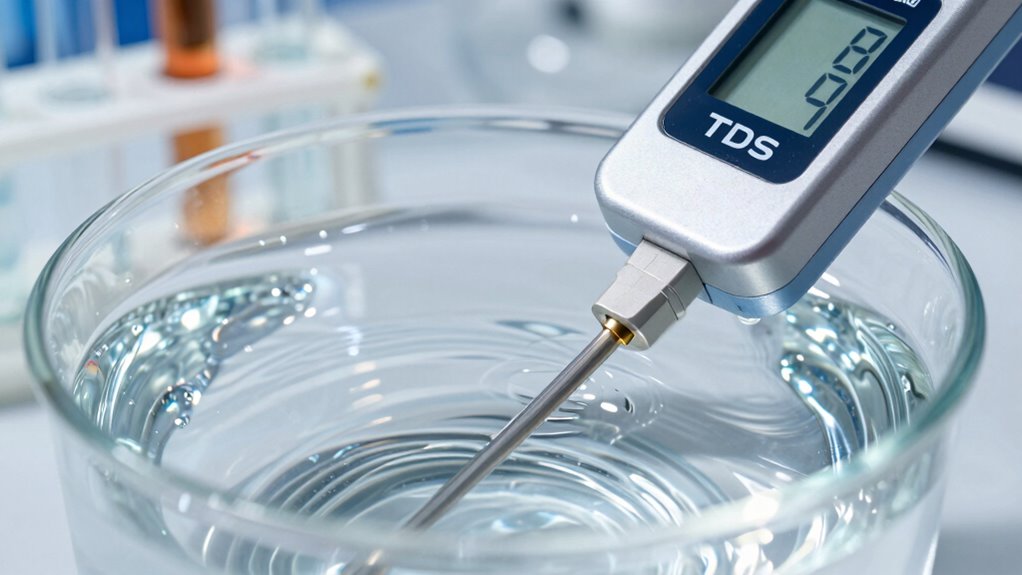
Understanding water quality is essential for ensuring safe and healthy drinking water, and TDS meters are a simple yet effective tool for this purpose. These devices measure the total dissolved solids in water, giving you a quick indication of its purity. When you’re assessing water quality, proper TDS meter calibration is crucial. An uncalibrated meter can give inaccurate readings, leading you to believe water is either safe or unsafe when it’s not. Regularly calibrating your TDS meter against a standard solution ensures you get precise measurements, which is vital for making informed decisions about water safety.
Proper TDS meter calibration ensures accurate water quality readings for informed safety decisions.
TDS meters play a significant role in water contaminant detection. Although they don’t specify the exact contaminants present, high TDS levels often suggest the presence of unwanted substances like salts, minerals, or pollutants. When TDS readings spike unexpectedly, it signals that water may be contaminated, prompting further testing or treatment. This makes TDS meters a valuable first line of defense in identifying potential water quality issues before they become health hazards. Recognizing water contamination early can help prevent health risks and costly repairs. Proper understanding of water quality factors can help you interpret TDS readings more effectively. Additionally, understanding water chemistry can provide deeper insights into the specific causes of TDS fluctuations. Being aware of local water sources and their typical TDS ranges can also enhance your ability to interpret measurements accurately.
You might think that a low TDS reading always indicates good water quality, but that’s not always the case. Water with very low TDS can sometimes lack essential minerals, which isn’t ideal for health or taste. Conversely, very high TDS levels could point to pollution or excessive mineral content, both of which can affect your health and the longevity of plumbing systems. By monitoring TDS levels regularly, you can catch changes early and take necessary steps, such as filtering or treatment, to improve water safety.
Using a TDS meter isn’t just about measurement; it’s about understanding your water’s condition. When you’re familiar with your water source, you’ll know what TDS range is typical. Sudden deviations from this range should raise alarms, indicating that something might be wrong. Calibration ensures your readings are reliable, so you’re not misled by faulty measurements. This way, you can confidently decide whether water needs further testing, filtration, or other treatment methods to protect your health. Recognizing the importance of water quality can help you maintain a safe and sustainable water supply.

2025 All-New 4 in 1 Tds Meter Digital Water Tester – Accurate and Reliable TDS EC & Temp(°C,°F) Meter – 0-9999ppm – Professional Testing for Drinking Water, RO/DI System, Aquariums etc
- Trusted Brand Commitment: Reliable water quality testing for everyone
- High Precision Results: Accurate readings with premium probe and chip
- Multifunctional 4-in-1 Design: TDS, EC, Temp °C/°F measurements
As an affiliate, we earn on qualifying purchases.
As an affiliate, we earn on qualifying purchases.
Frequently Asked Questions
Can TDS Meters Detect Specific Contaminants in Water?
TDS meters can’t detect specific contaminants in water directly. They measure the total dissolved solids, which helps in contaminant identification and water treatment analysis, but they don’t identify individual substances. To find specific contaminants, you need more advanced testing methods. TDS readings give you a general idea of water purity, but for precise contaminant detection, lab analysis or specialized sensors are necessary.
How Often Should I Calibrate My TDS Meter?
You should calibrate your TDS meter at least once a month for guaranteed accuracy, especially if you use it frequently. Follow maintenance tips like rinsing the probe after each use and storing it properly to extend its lifespan. Always calibrate with a reliable standard solution, and do so more often if you notice inconsistent readings. Regular calibration ensures your readings stay precise and trustworthy for evaluating water quality.
Do TDS Levels Vary With Different Water Sources?
Think of your TDS meter as a traveler crossing different rivers; each river’s TDS level tells a unique story. Water source variability means TDS levels differ across sources, influenced by natural and regional factors. Regional water standards set acceptable limits, but your TDS meter reveals the real story behind each source. You’ll find that tap, well, and bottled water all have distinct TDS readings, reflecting their specific environments.
Are TDS Meters Suitable for Testing All Types of Water?
TDS meters are suitable for testing most water types, but they mainly measure total dissolved solids, which relate to mineral content and water hardness. If you want detailed info about specific contaminants or mineral types, a TDS meter might not be enough. For accurate water quality assessments, especially with complex water sources, consider combining TDS readings with other testing methods to get a complete picture.
What Is Considered a Safe TDS Level for Drinking Water?
Isn’t it true that water’s true character hides behind its TDS level? A safe TDS level for drinking water typically falls between 50 and 150 ppm, ensuring a pleasant taste and balanced mineral content. Higher levels might taste salty or bitter, while lower levels could lack essential minerals. You can assess taste and mineral balance, but keeping TDS within this range helps maintain good water quality and health.
2025 All-New 4 in 1 Tds Meter Digital Water Tester – Accurate and Reliable TDS EC & Temp(°C,°F) Meter – 0-9999ppm – Professional Testing for Drinking Water, RO/DI System, Aquariums etc
- Trusted Brand Commitment: Reliable water quality testing for everyone
- High Precision Results: Accurate readings with premium probe and chip
- Multifunctional 4-in-1 Design: TDS, EC, Temp °C/°F measurements
As an affiliate, we earn on qualifying purchases.
As an affiliate, we earn on qualifying purchases.
Conclusion
In essence, TDS meters serve as gentle guides, offering a subtle glimpse into your water’s character. While they don’t reveal every nuance, their readings can help you keep an eye on your water’s overall harmony. By paying attention to these modest indicators, you’re quietly ensuring that your water remains a graceful partner in your daily life, maintaining a delicate balance that supports your well-being without overwhelming your senses.
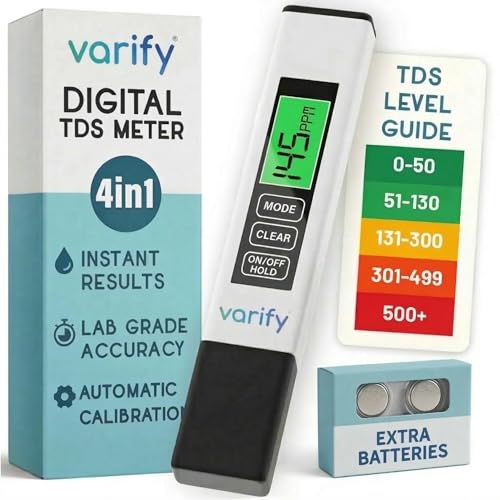
Instant 4-in-1 TDS Meter Digital Water Tester for Drinking Water | Accurate 0–9990 PPM EC & Temp Readings | Ideal for RO Systems, Aquariums, Pools – Built for Professionals, Easy for Anyone
- 4-in-1 Water Testing: Measures TDS, EC, and temperature
- Fast Digital Readings: Provides quick, accurate measurements
- Easy One-Button Operation: Simple to use with backlit display
As an affiliate, we earn on qualifying purchases.
As an affiliate, we earn on qualifying purchases.

Varify 17in1 Complete Drinking Water Test Kit – 100 Strips + 2 Bacteria Tester Kits – Well, Tap, Home, City Water Testing Strip for Lead, Alkaline, Chlorine, Hardness, Iron, Fluoride, Copper & More
- Number of Parameters Tested: 17 essential water parameters
- Comprehensive Water Analysis: Detects contaminants and imbalances
- High-Quality Test Strips: Professional-grade, reliable results
As an affiliate, we earn on qualifying purchases.
As an affiliate, we earn on qualifying purchases.